Curiosity Returns
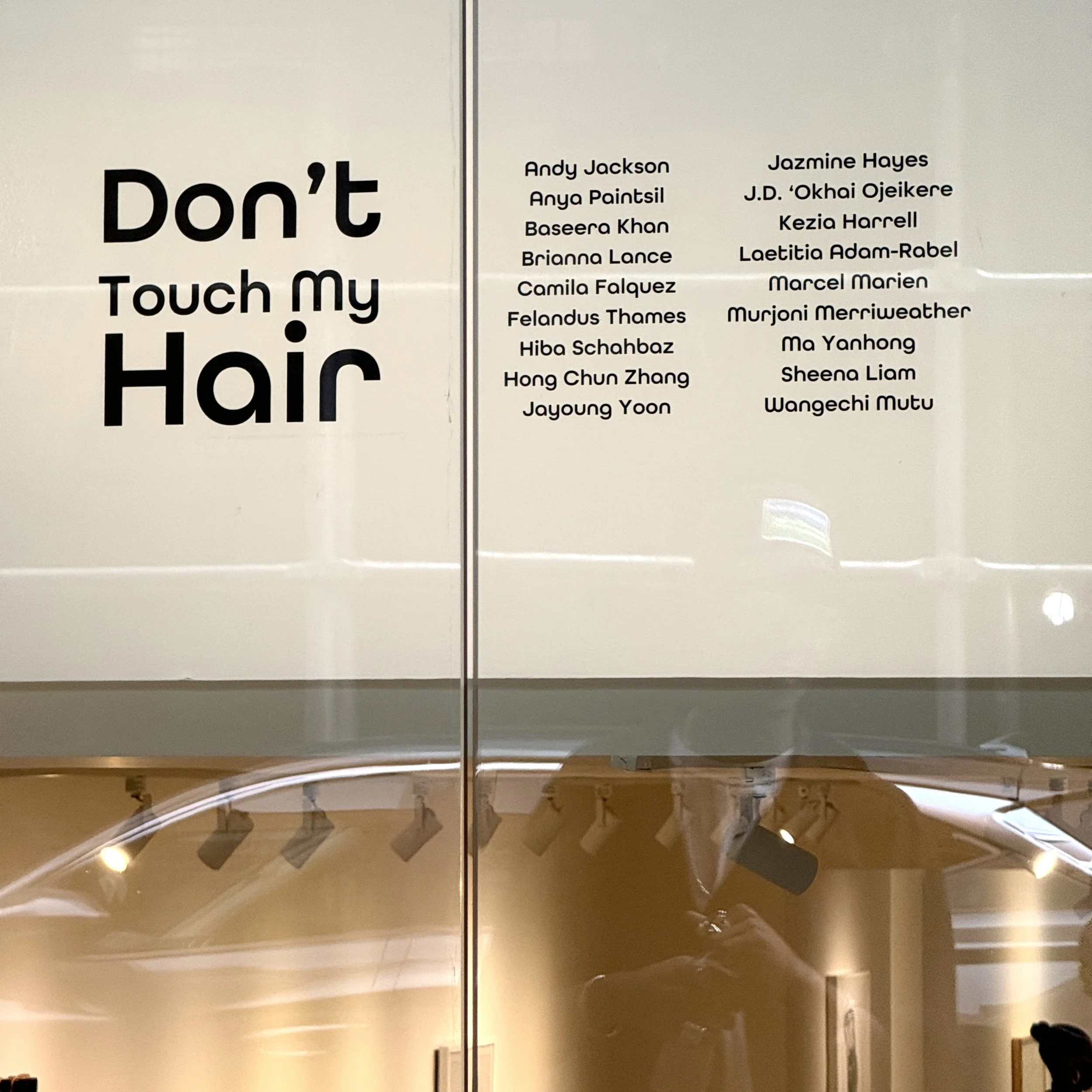
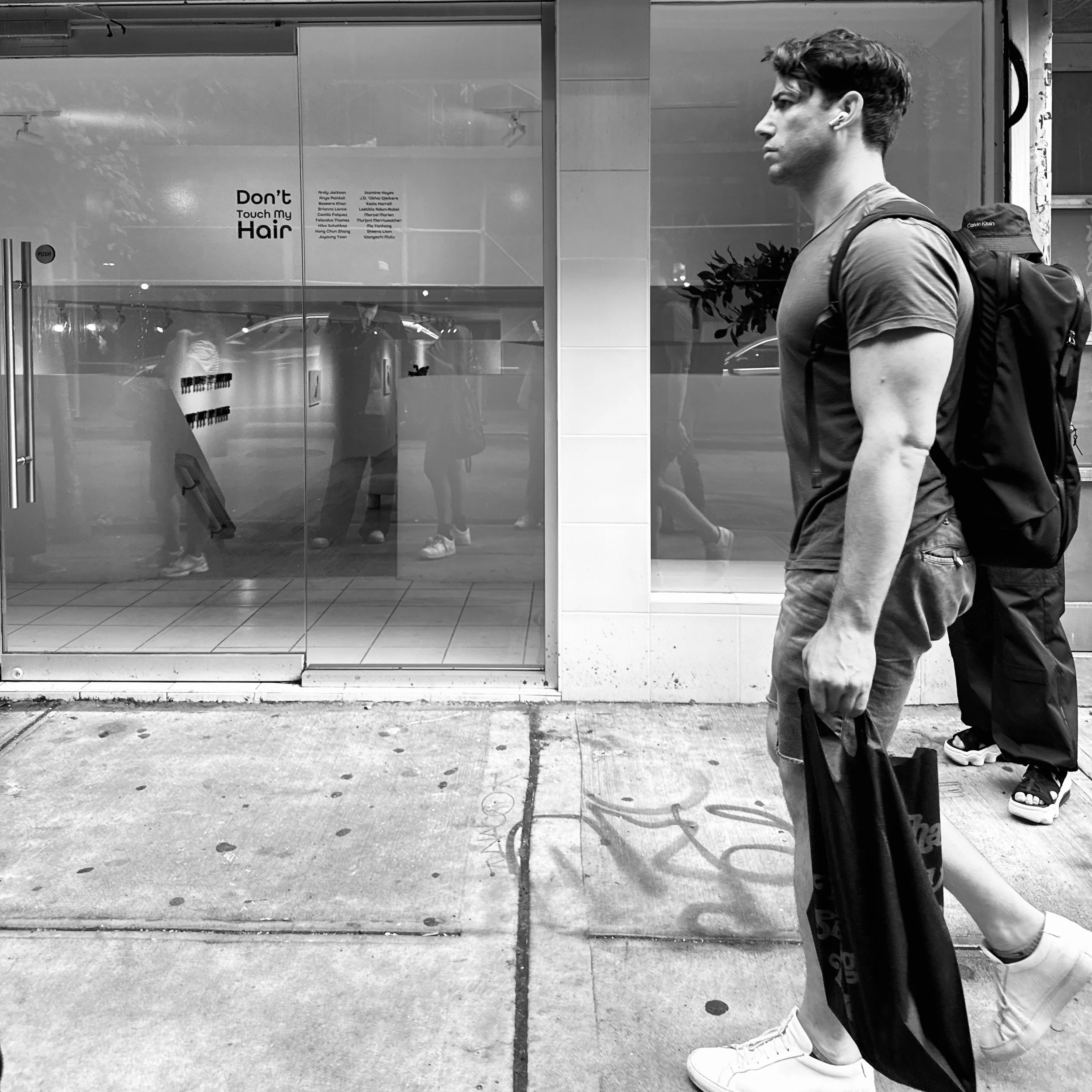
Don’t touch My Hair
Journal Entry I
Hannah Traore Gallery— June 6, 2024
Lower East side, New York
Exhibition
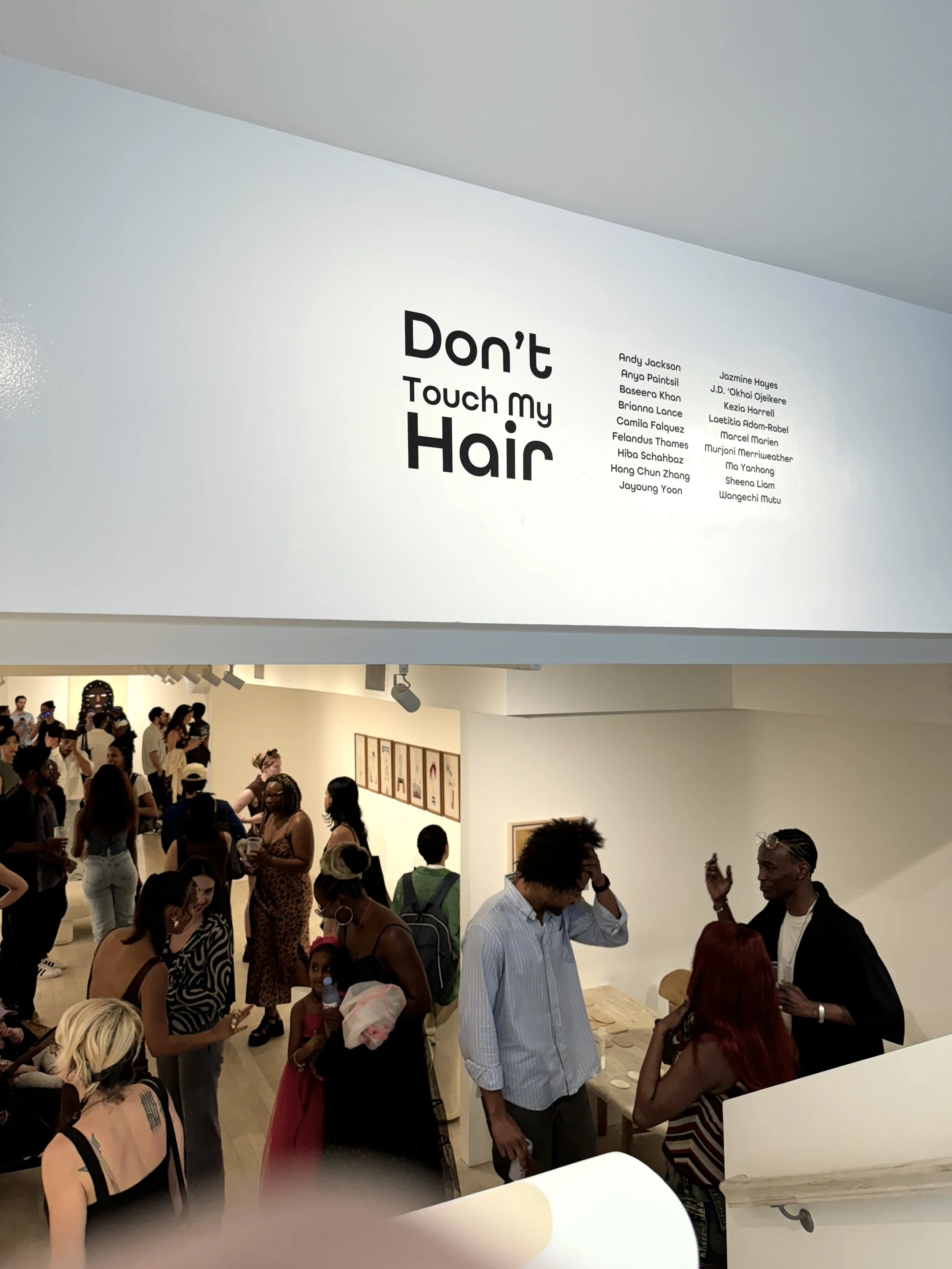
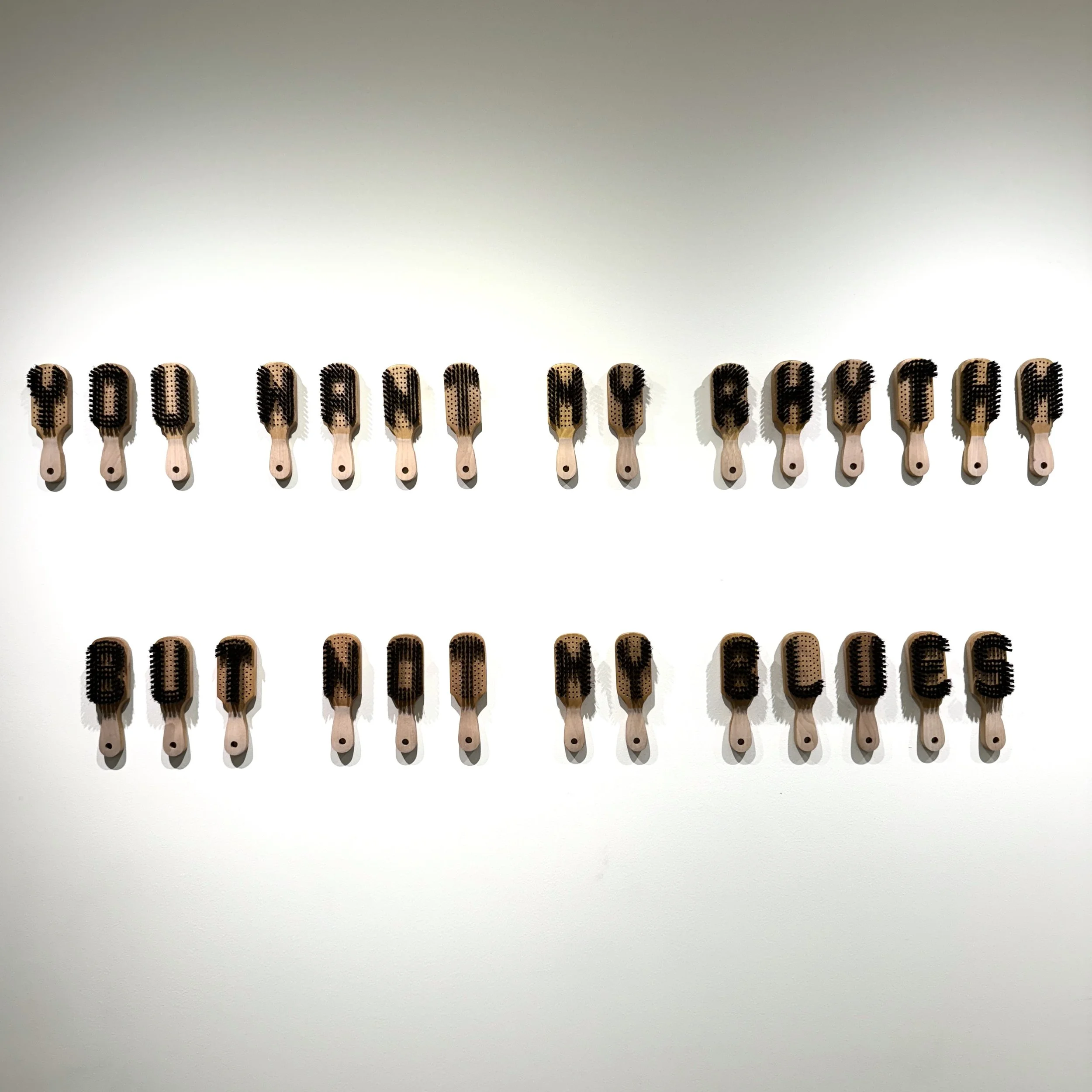
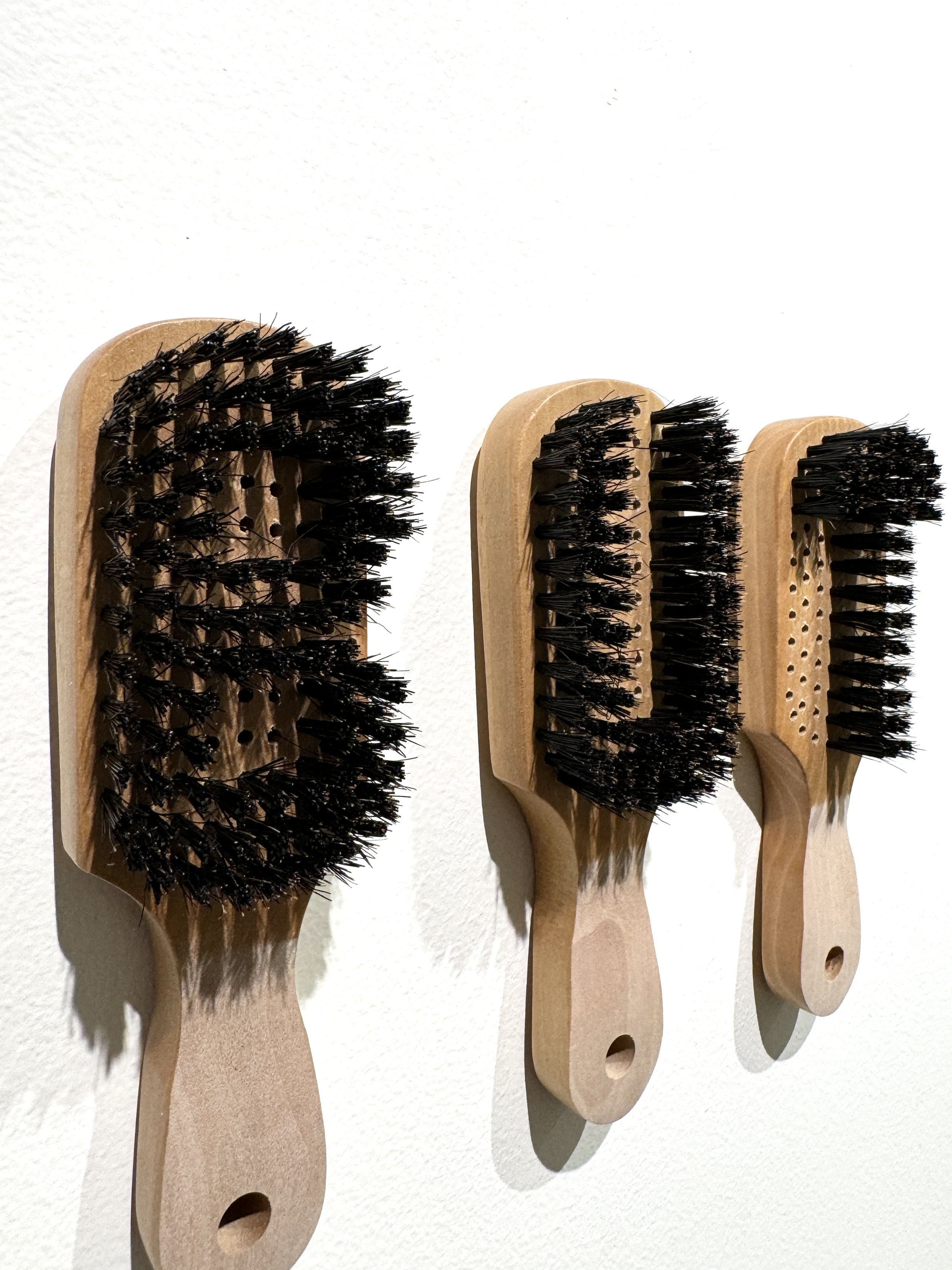
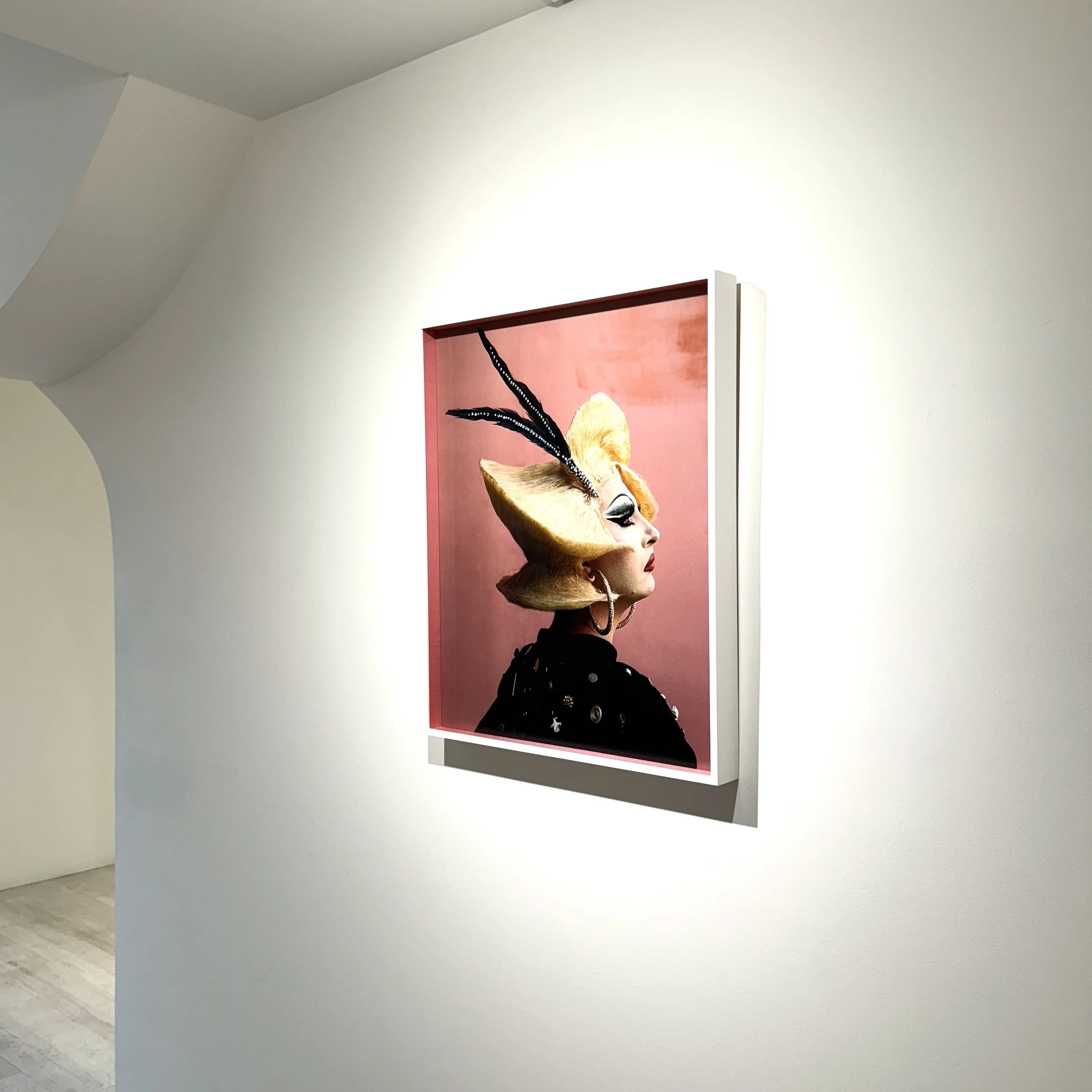
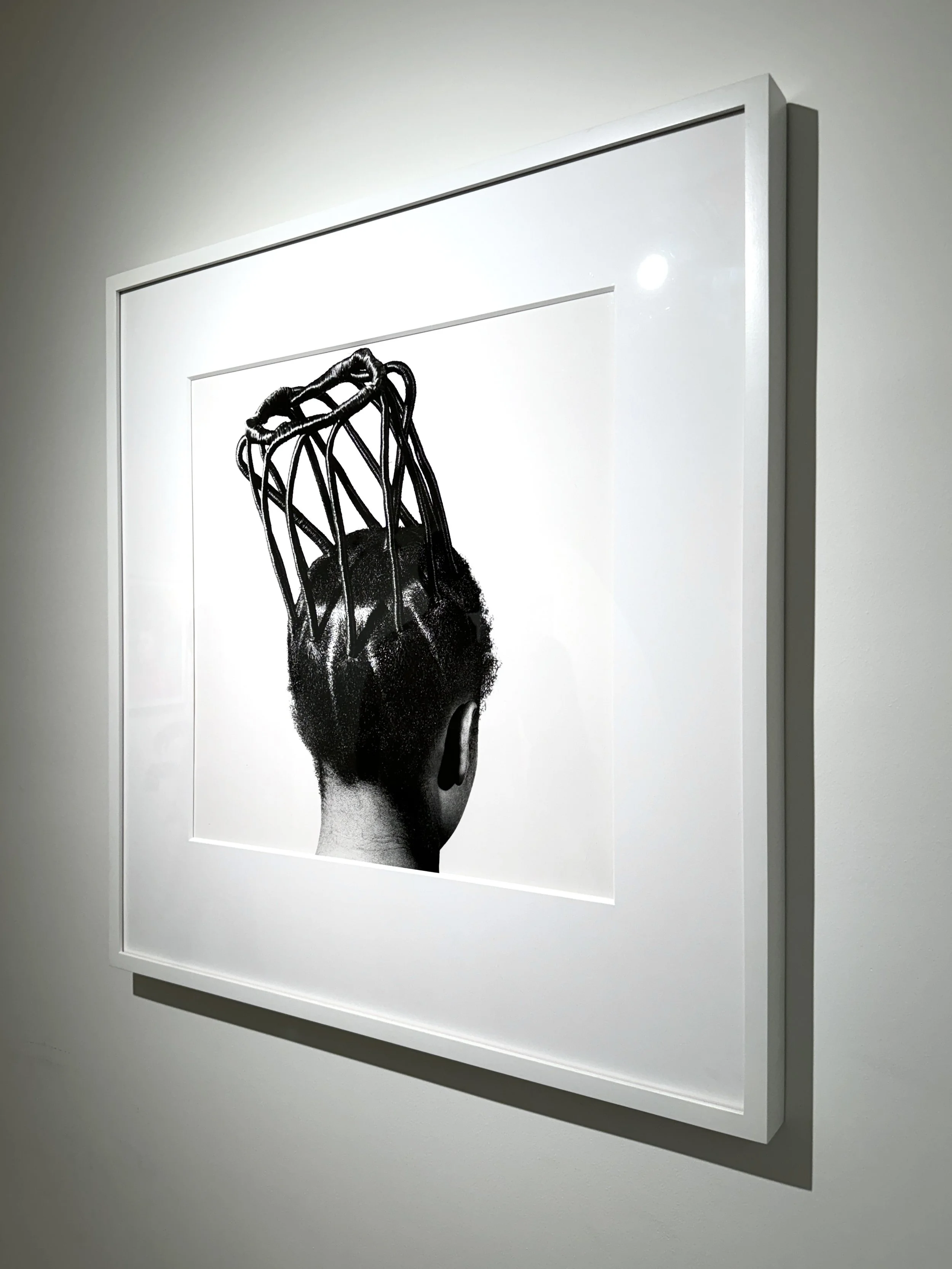
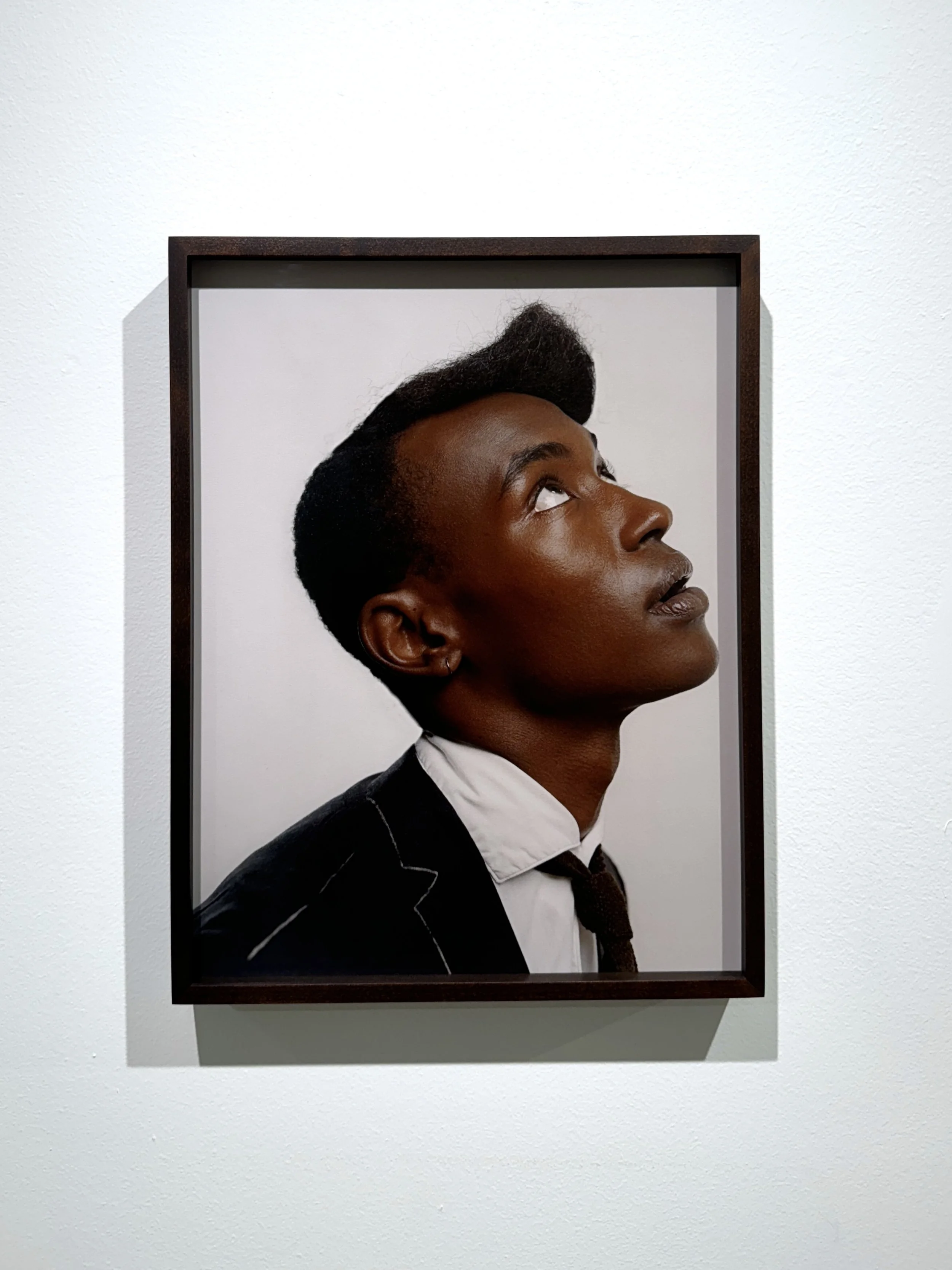
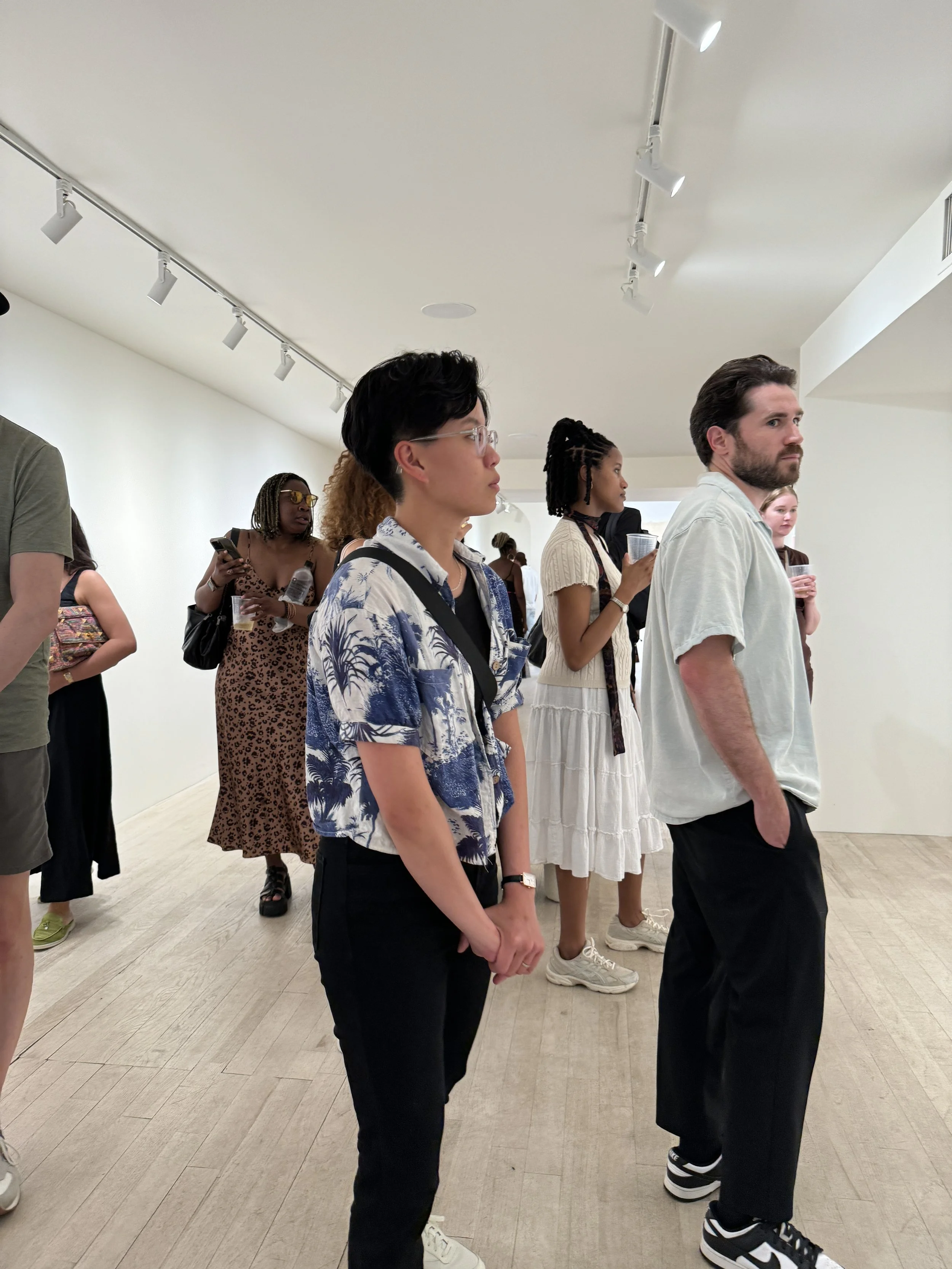
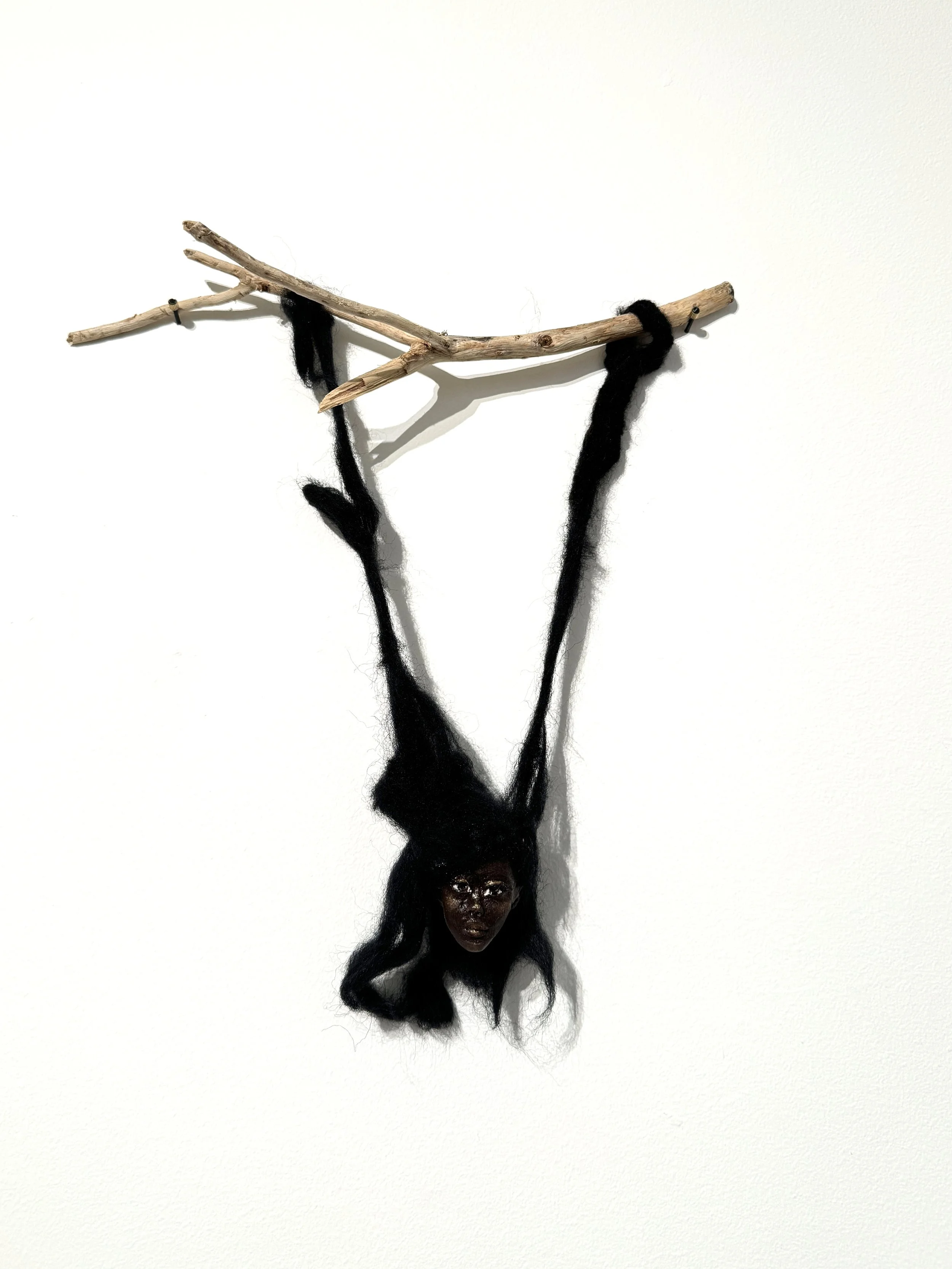
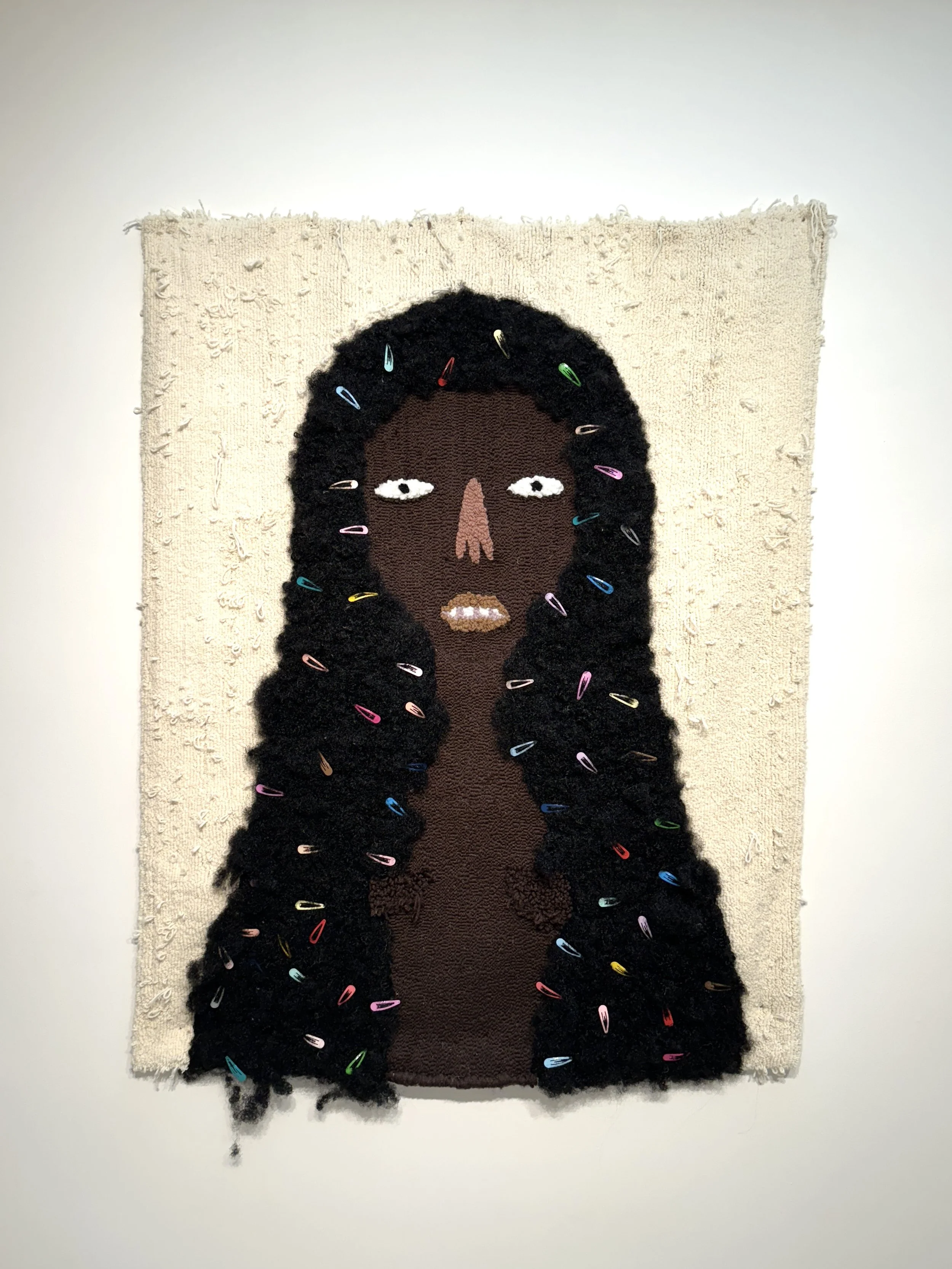
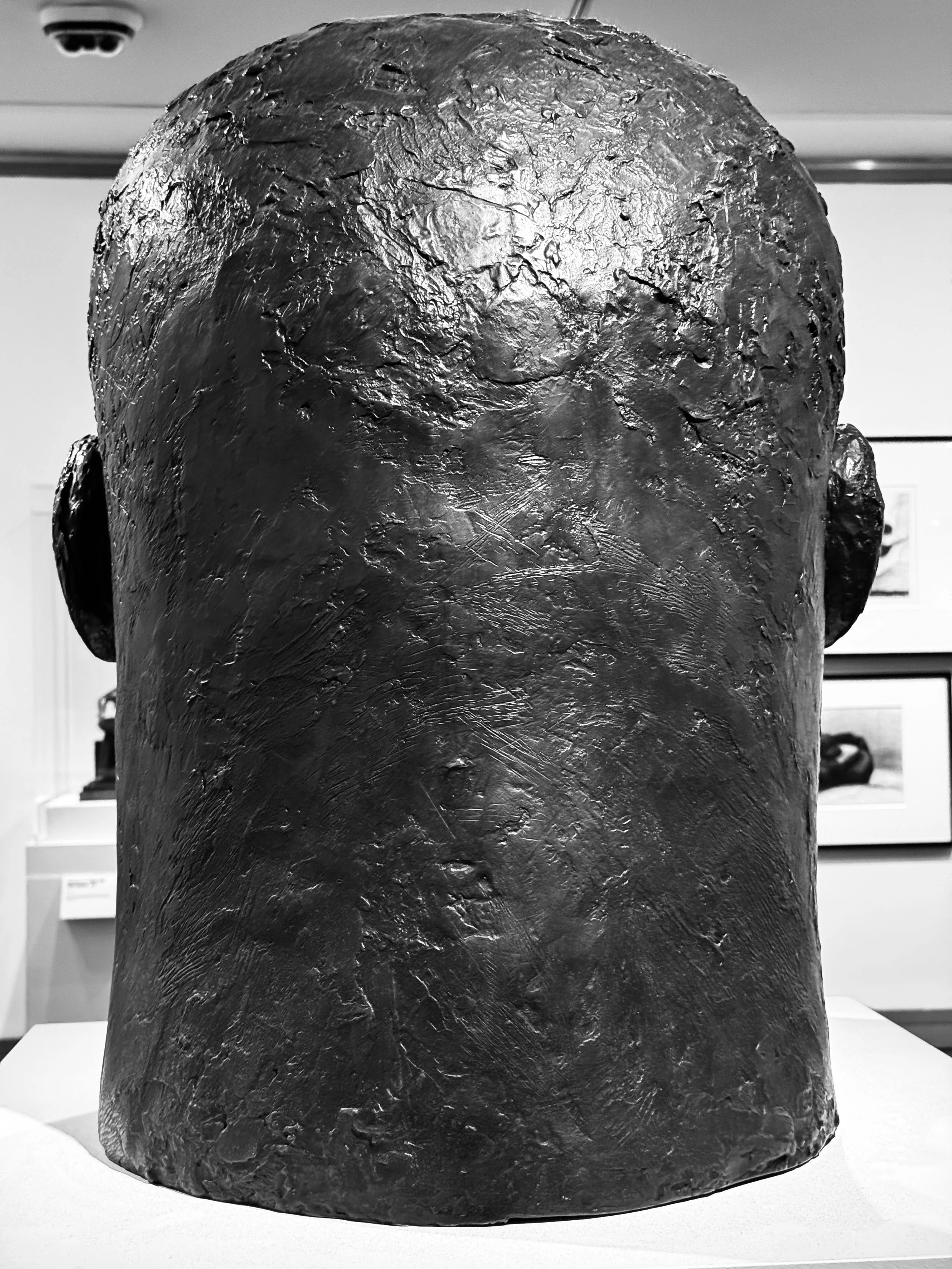
Curated by Hannah Traore, Don’t Touch My Hair brought together artists exploring the cultural, personal, and political significance of hair through photography, sculpture, textiles, installation, and portraiture. The exhibition featured work by Felandus Thames, Wangechi Mutu, J.D. ’Okhai Ojeikere, Anya Paintsil, and others.
Some exhibitions become part of your memory. Others become part of your practice. Don’t Touch My Hair arrived at a moment when I had begun reclaiming my own curiosity after years of dividing my creative energy between sales, management, and visual merchandising. I had lived in New York for well over a decade, but the Lower East Side had never become part of my regular rhythm. When I learned about this exhibition on Instagram, I knew immediately that I needed to be there. The subject matter felt familiar—identity, portraiture, material, Blackness, beauty, memory—but more importantly, it felt like an invitation to begin looking again.
Attending the opening wasn’t simply about seeing artwork. It was about entering a room filled with artists, neighbors, conversations, and a generosity of spirit that reminded me why I had wanted to become an artist in the first place. Looking back now, I recognize that evening as the beginning of a much larger journey. The Lower East Side became my classroom, my wandering ground, and eventually an essential part of my own practice.
Form
Classical Sculpture, Fragmentation, and the Beginning of a Vocabulary.
Journal Entry II
The Met—September 27, 2025
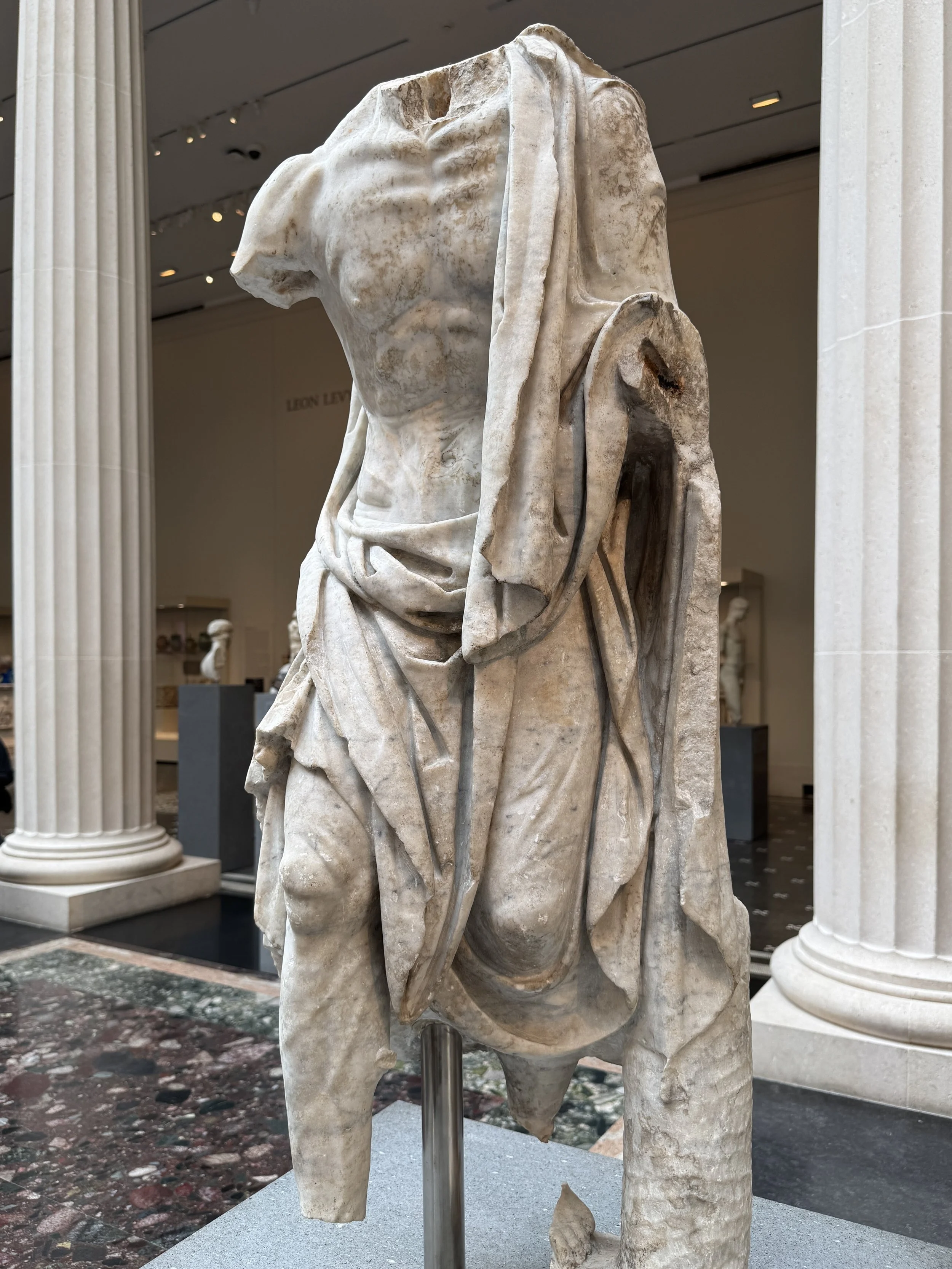
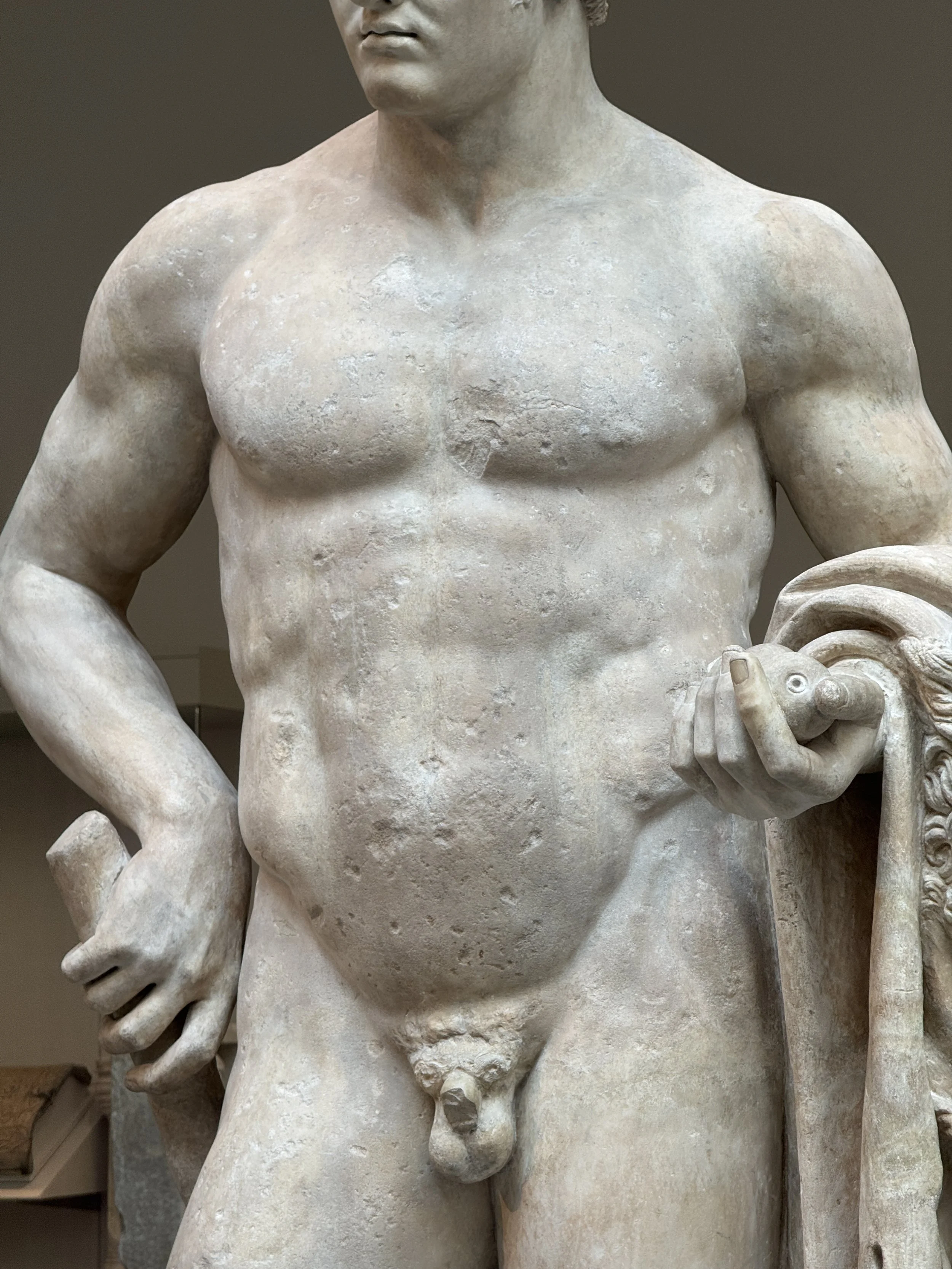
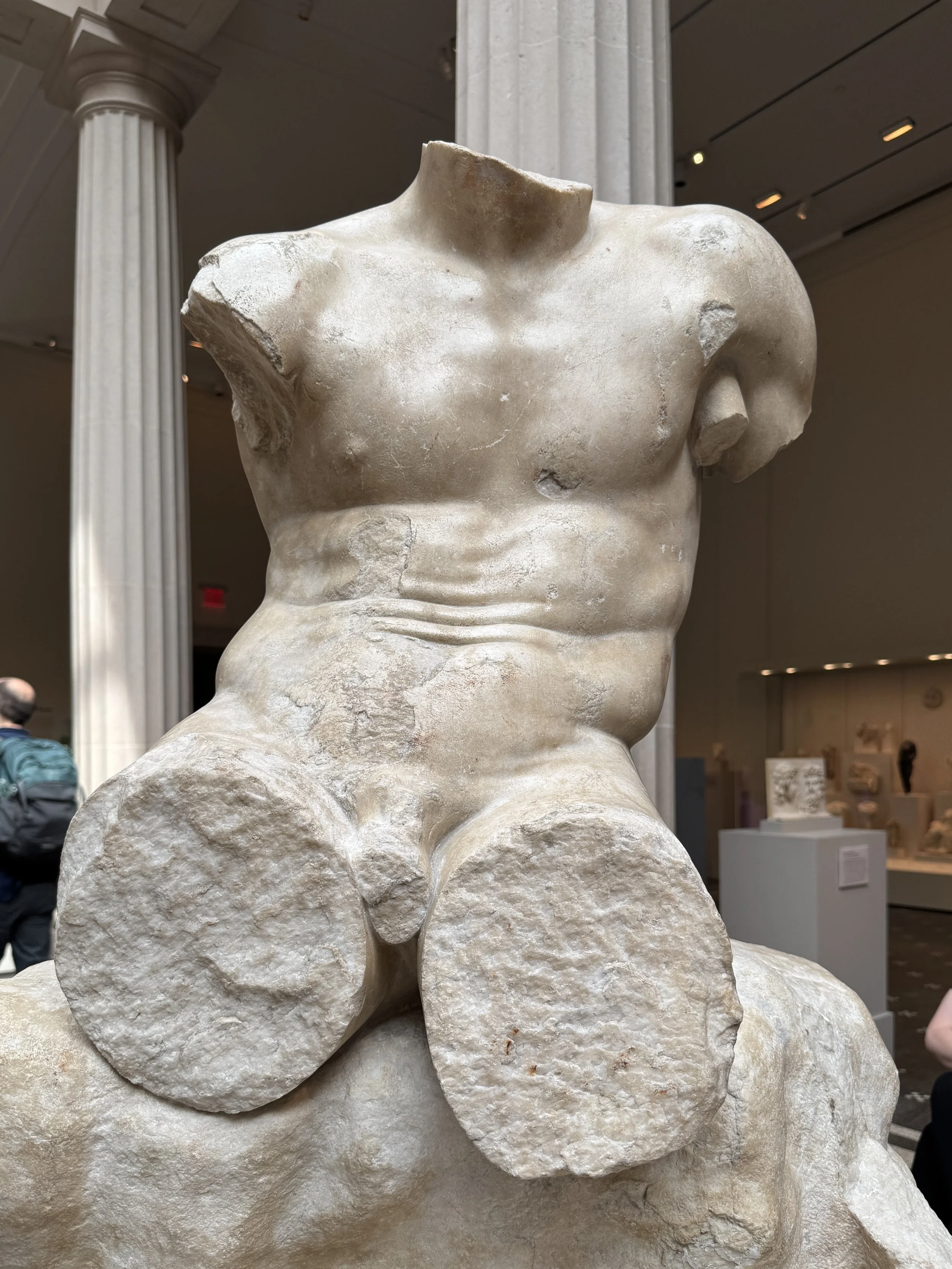
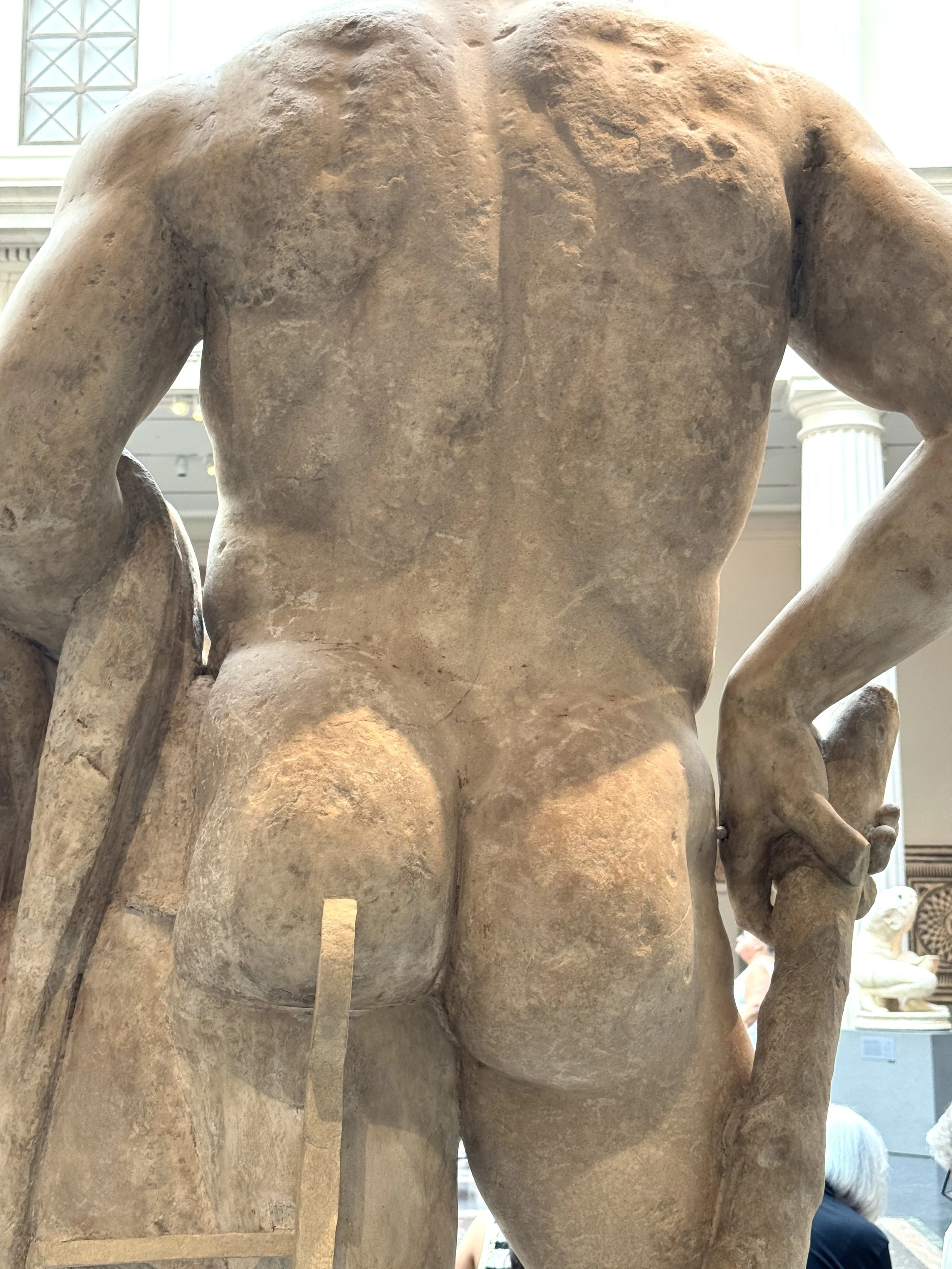
Greco Roman Sculpture Garden
I did not leave the museum with ideas for finished works.
I left with a different way of seeing.
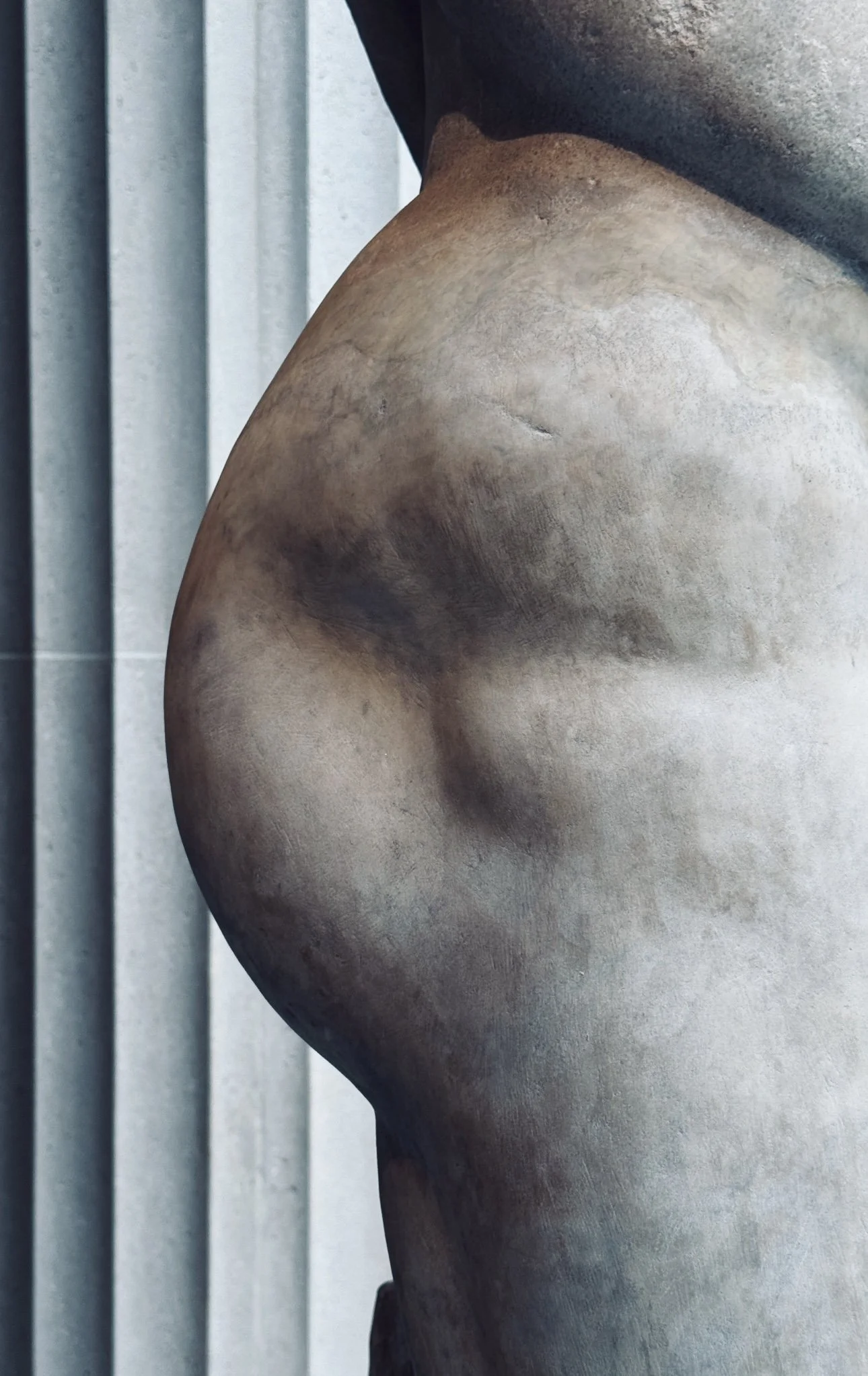
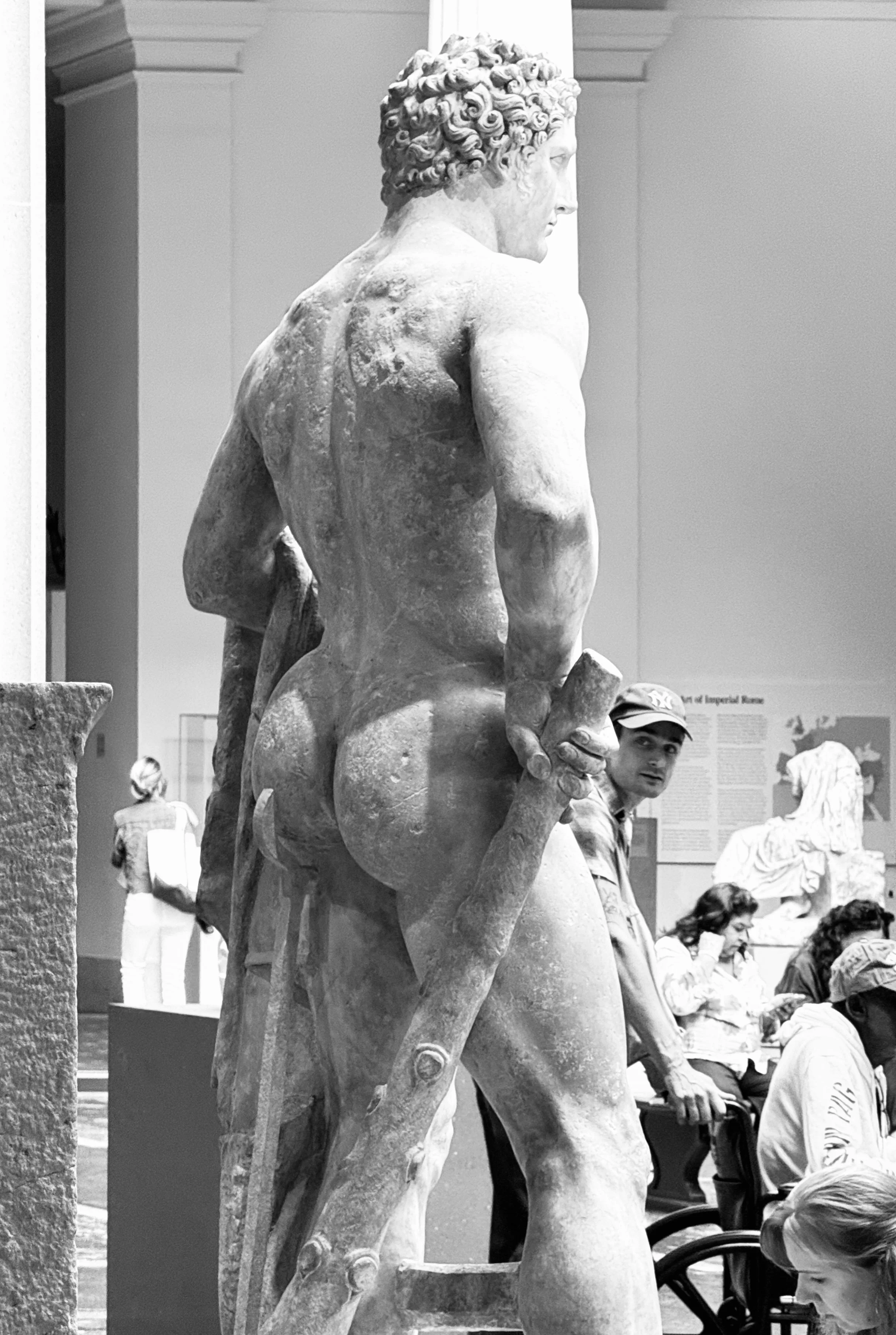
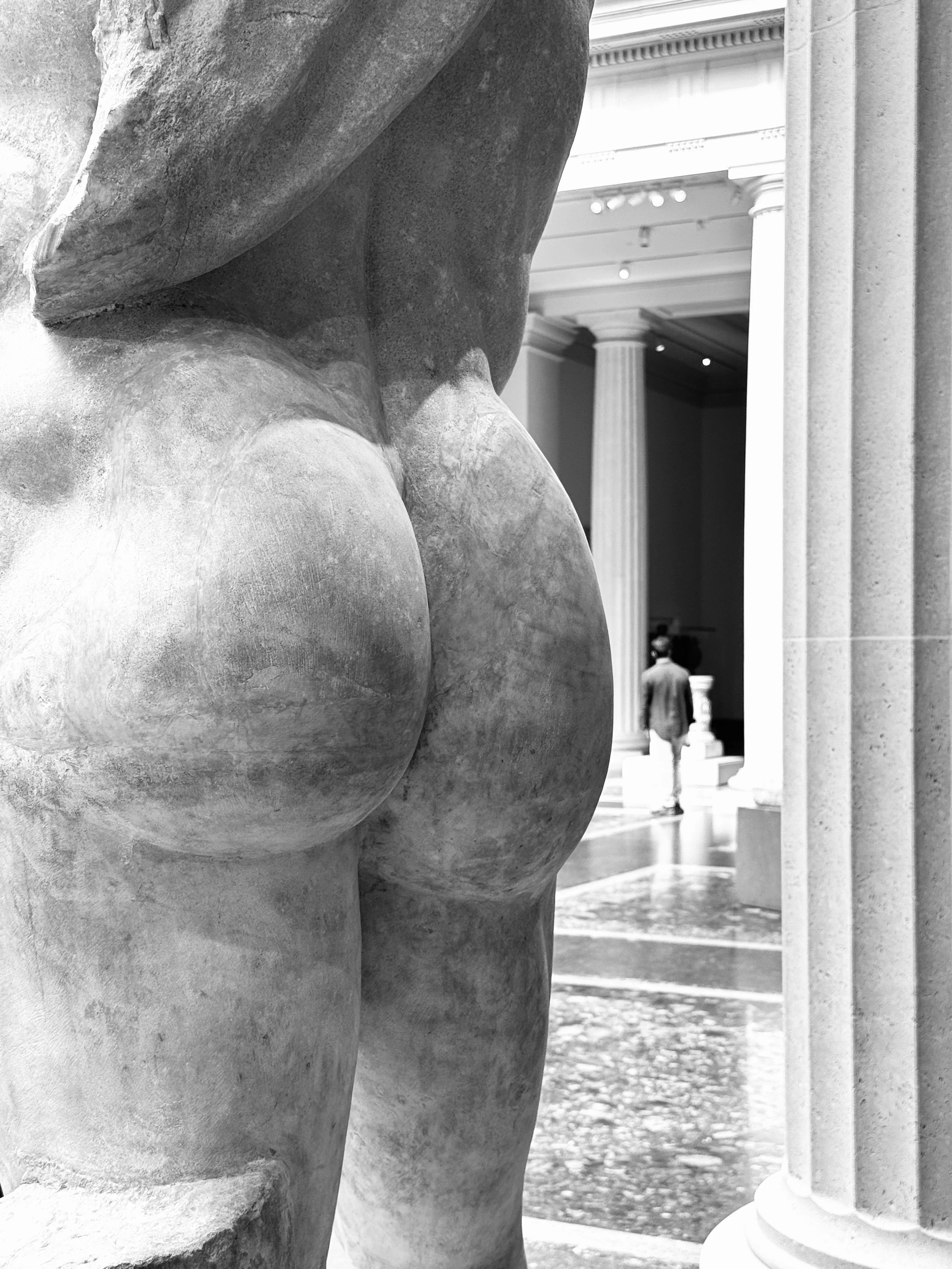
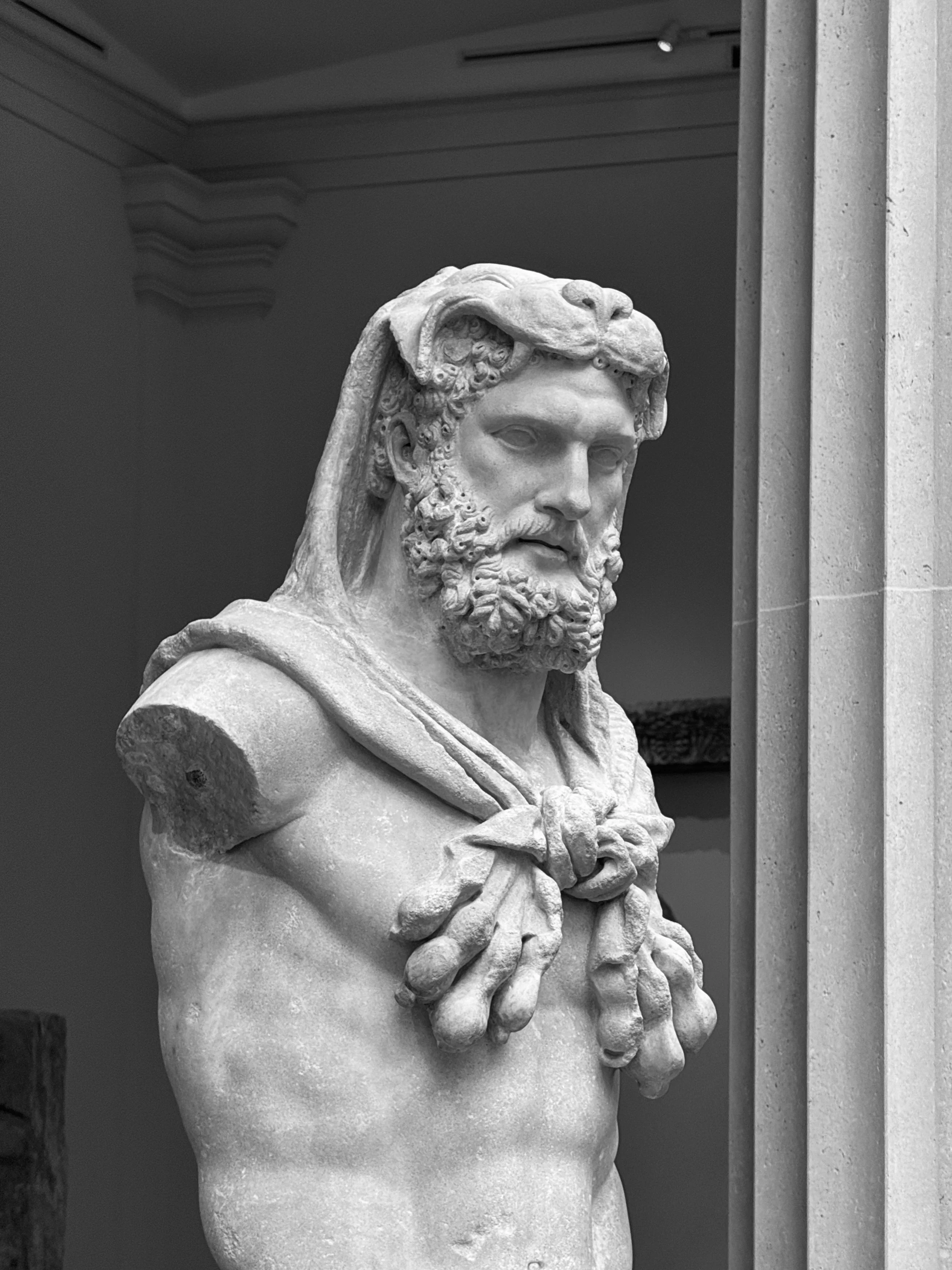
The Greco roman galleries slowed my attention. I found myself studying how drapery revealed the body beneath it, how fractured figures remained complete through proportion, and how light described form across stone. I realized I was less interested in individual sculptures than in the visual language they shared–structure, rhythm, anatomy, weight, and restraint.
Those observations followed me out of the museum.
Soon I began recognizing the same relationships in living bodies, on city streets, and eventually in my own work. The drawings, photographs, and later experiments with AI that appear throughout this journal all trace back to this shift in perception.
This was not the beginning of a project.
It was the beginning of a practice.
Looking
Notes on Observation.
Journal Entry III
The Met— September 27, 2025
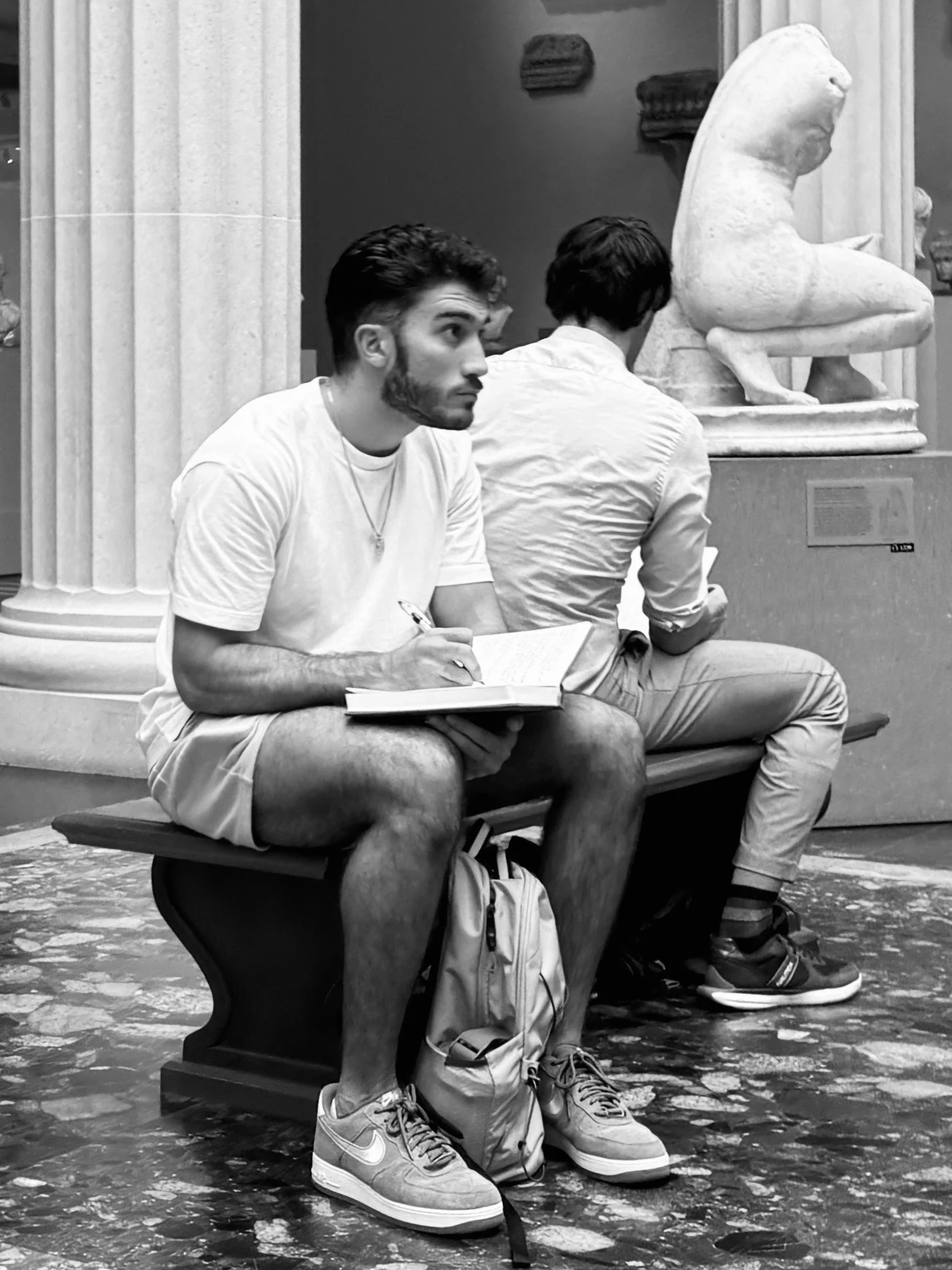
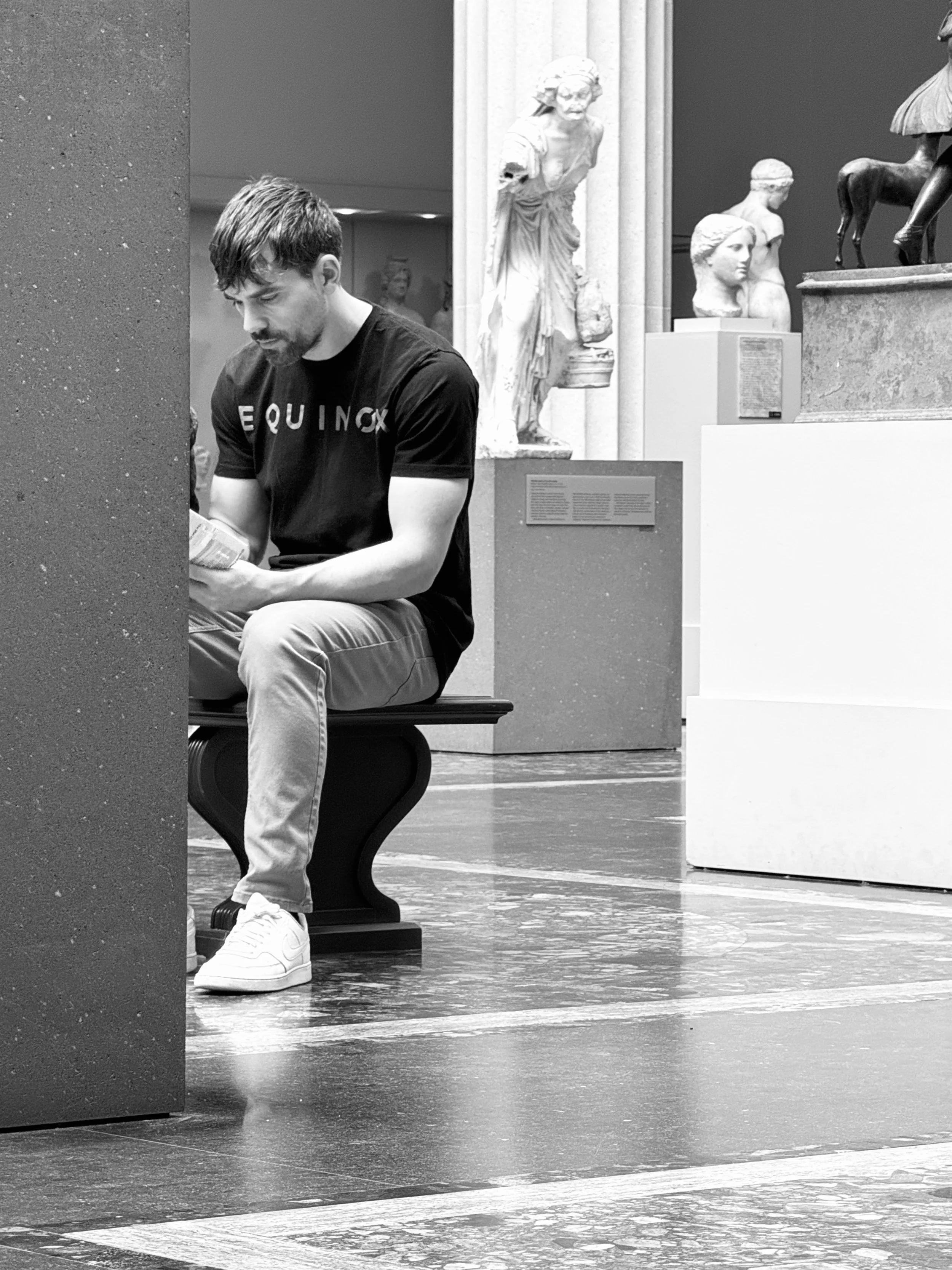
What held my attention wasn’t only the sculpture.
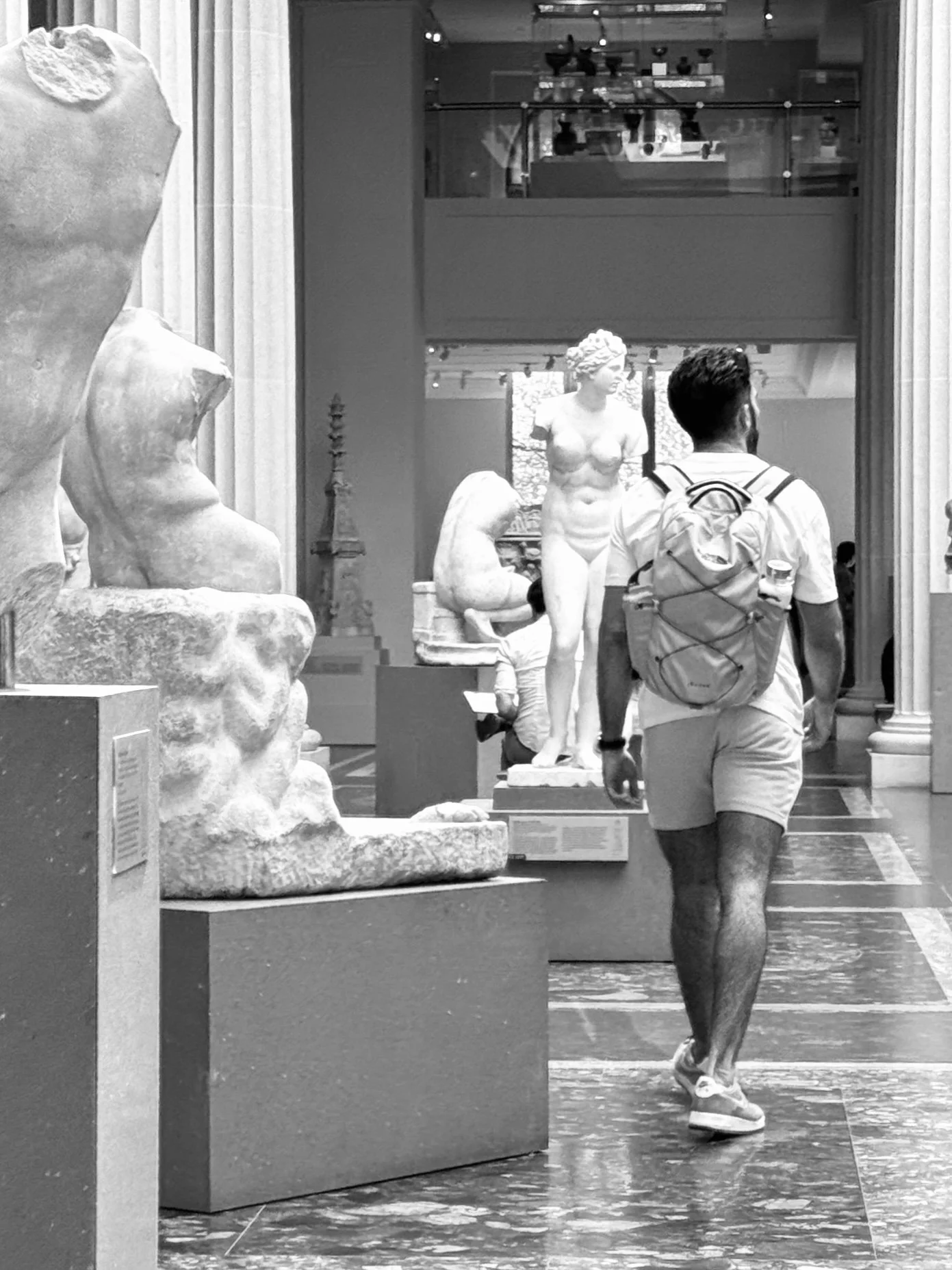
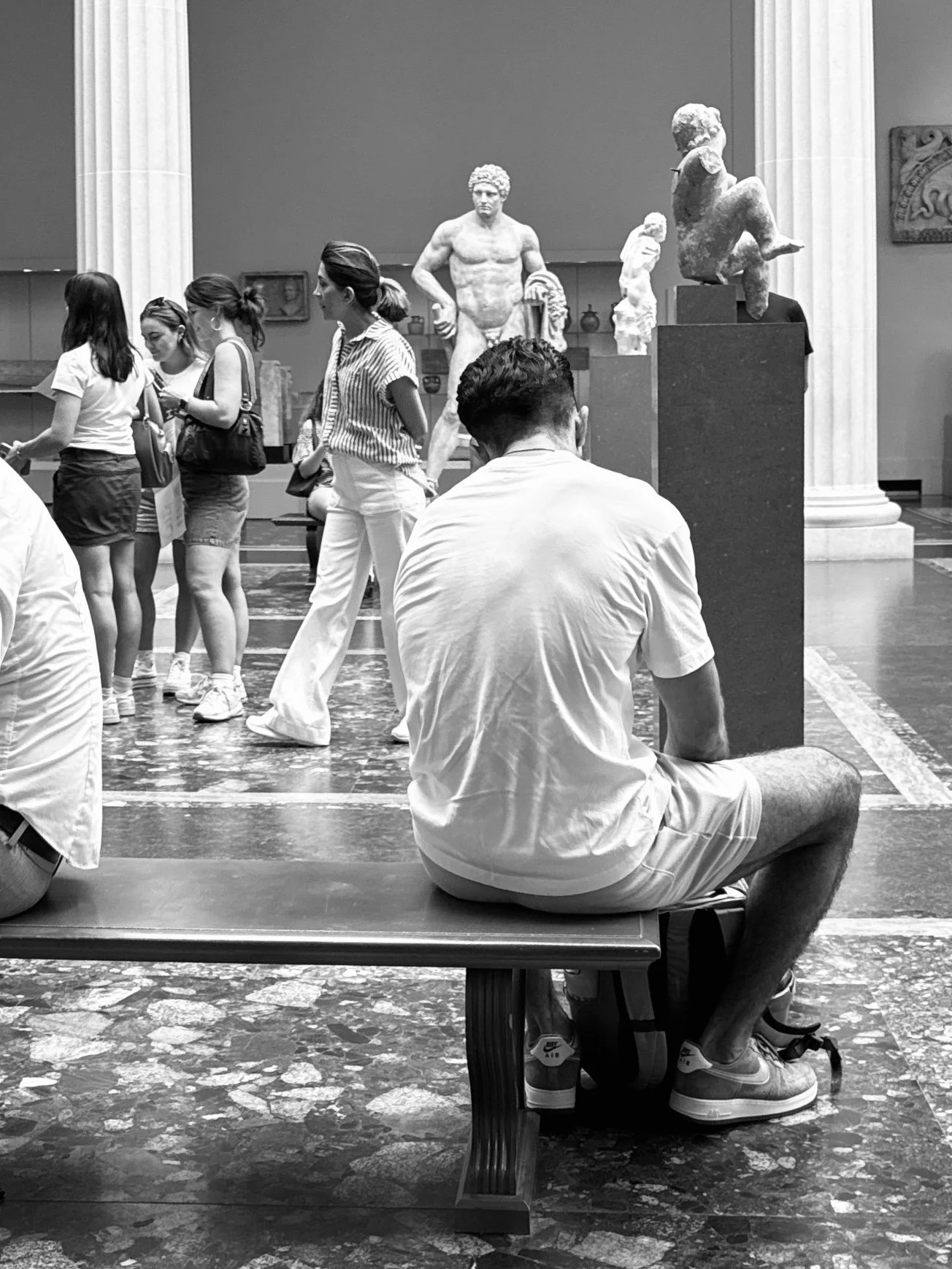
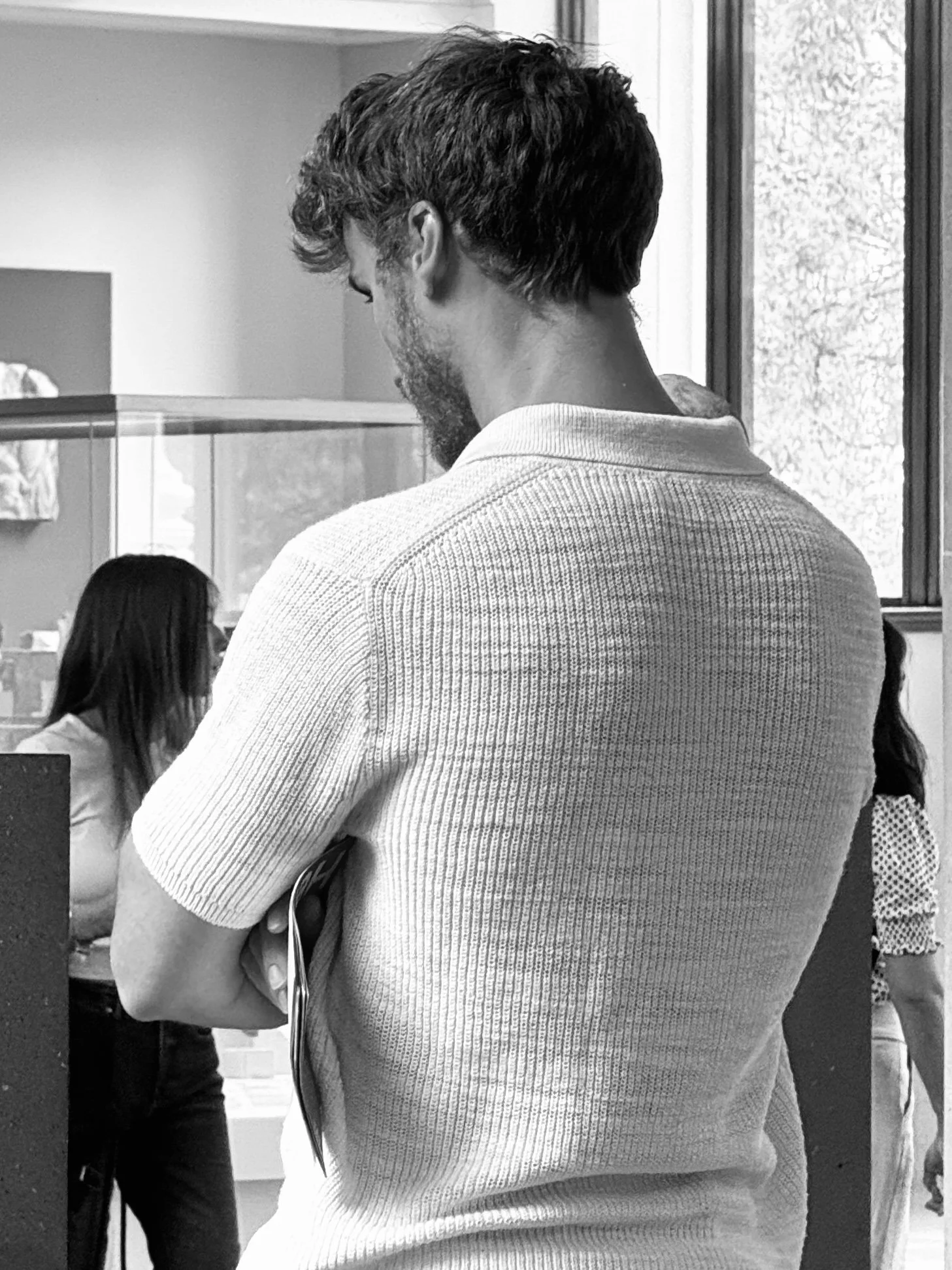
It was the people who had chosen to stop.
Some drew. Some wrote. Some simply stood in front of a figure longer than everyone else. Their attention became part of the exhibition itself. Watching them, I began to understand that looking is not passive. It is a practice.
The museum wasn’t teaching me what to draw.
It was teaching me how to see.
Translation
Notes on Memory and reconstructed Form.
Journal Entry IV
The Met— September 27, 2025
The lessons of the Greco-Roman galleries did not remain in the museum. They became a way of thinking about the body.
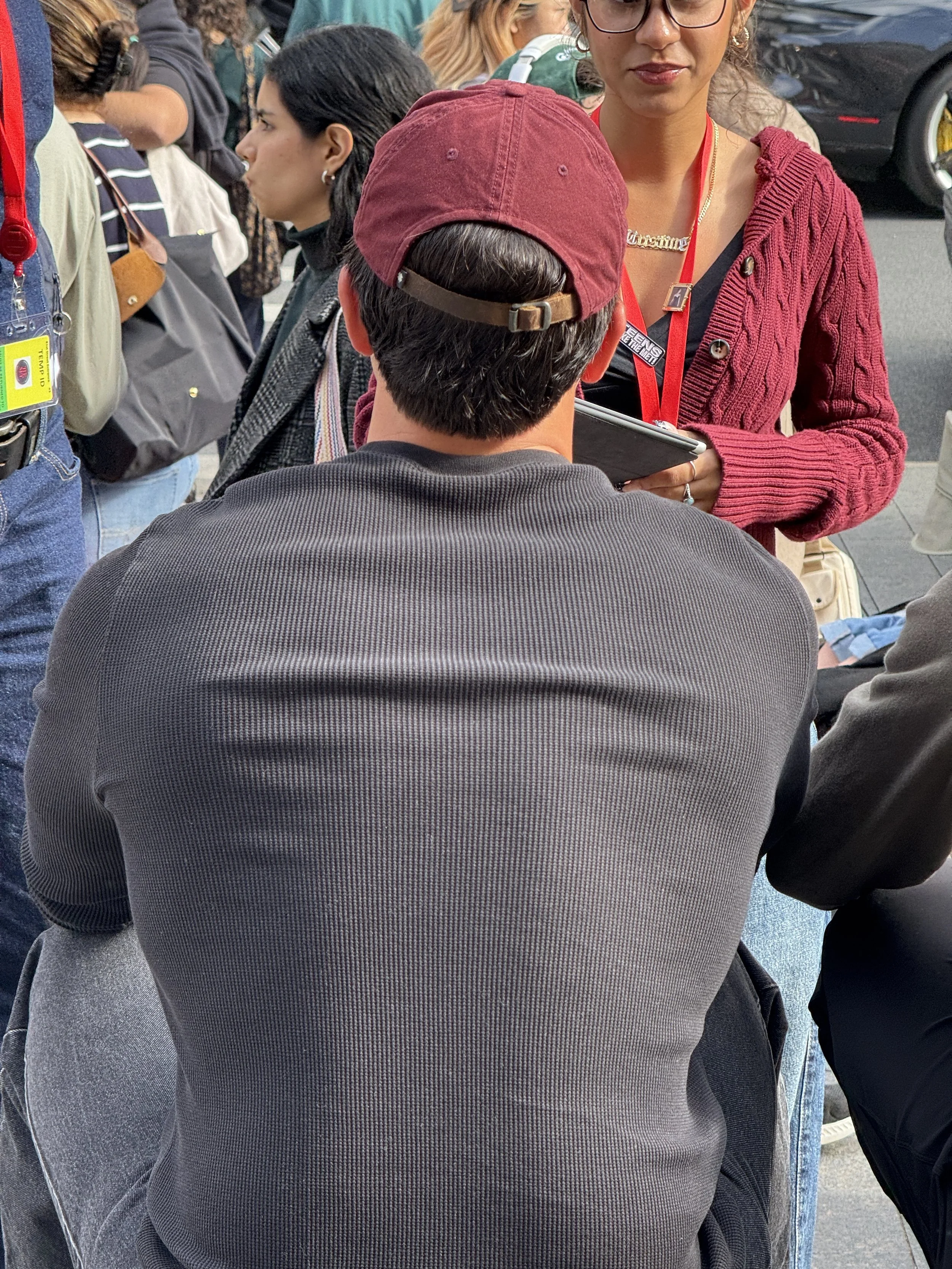
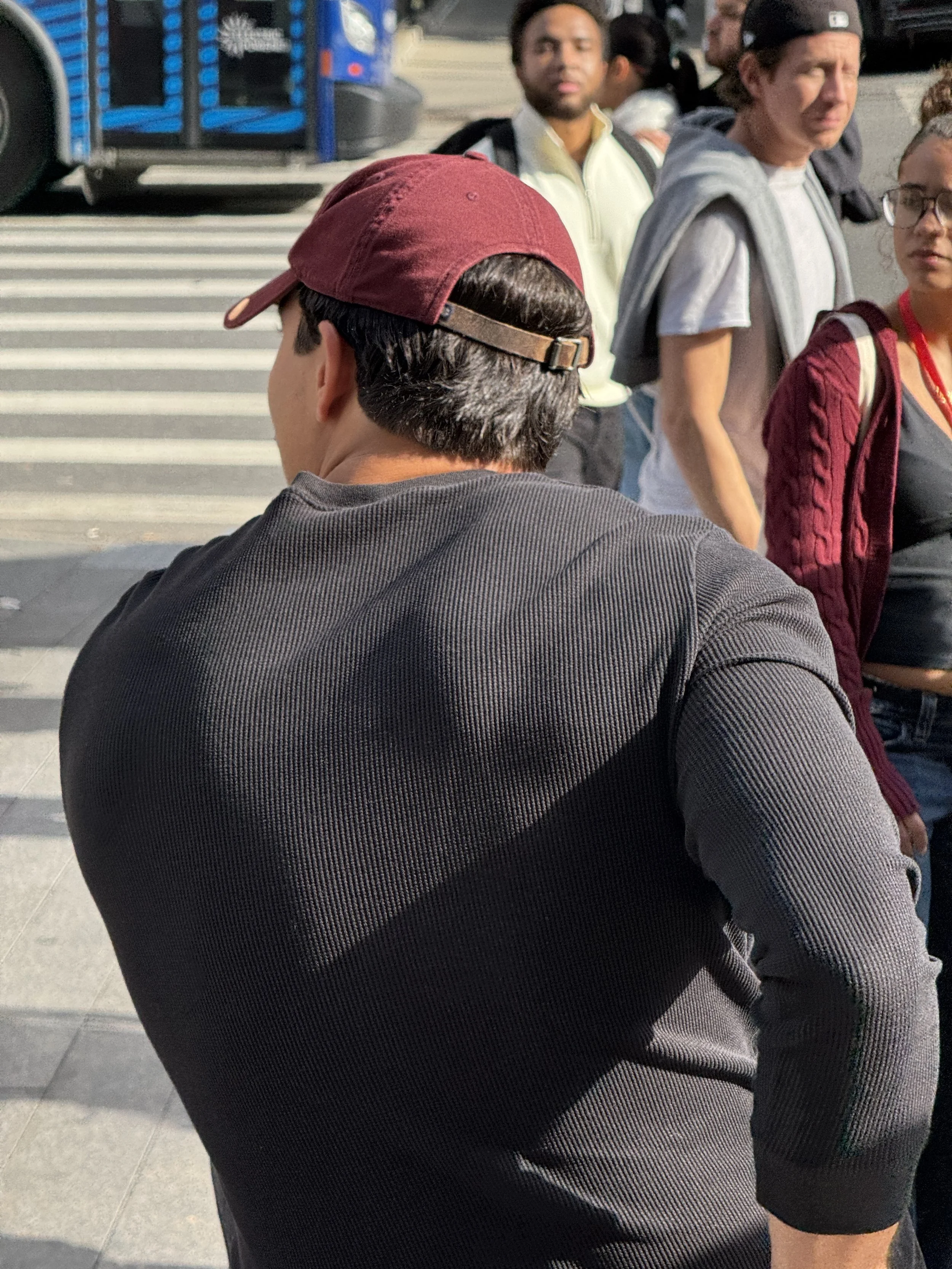
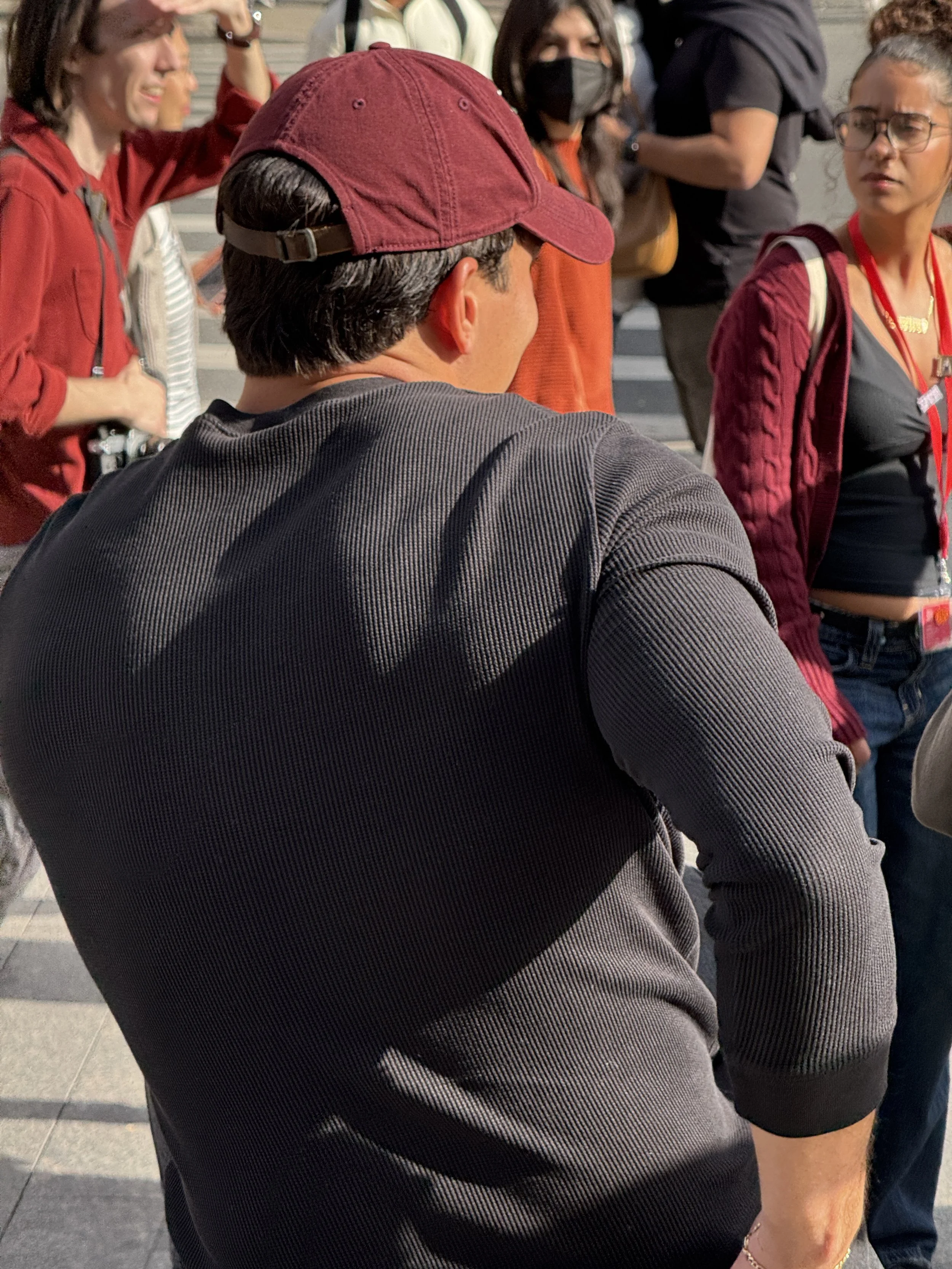
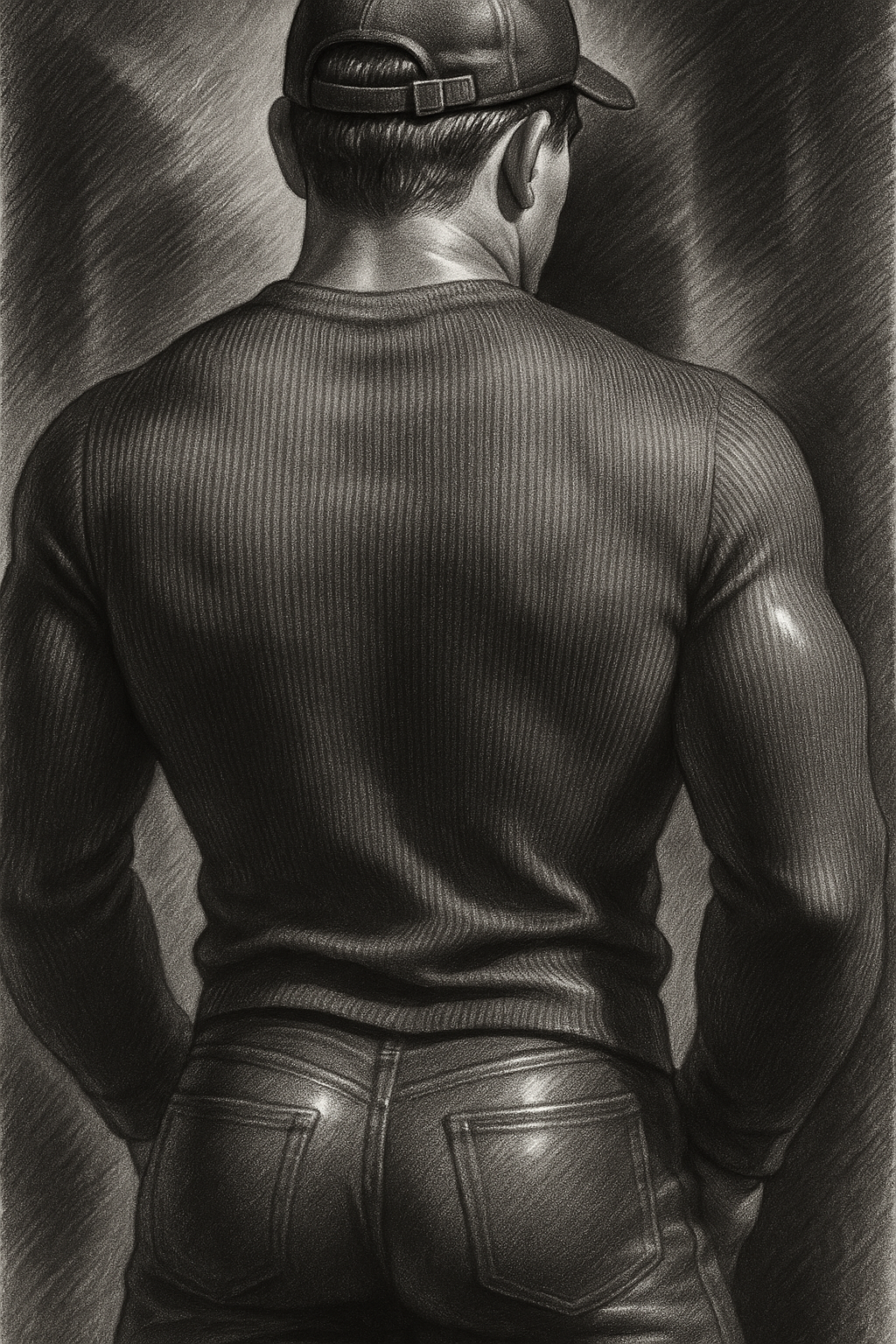
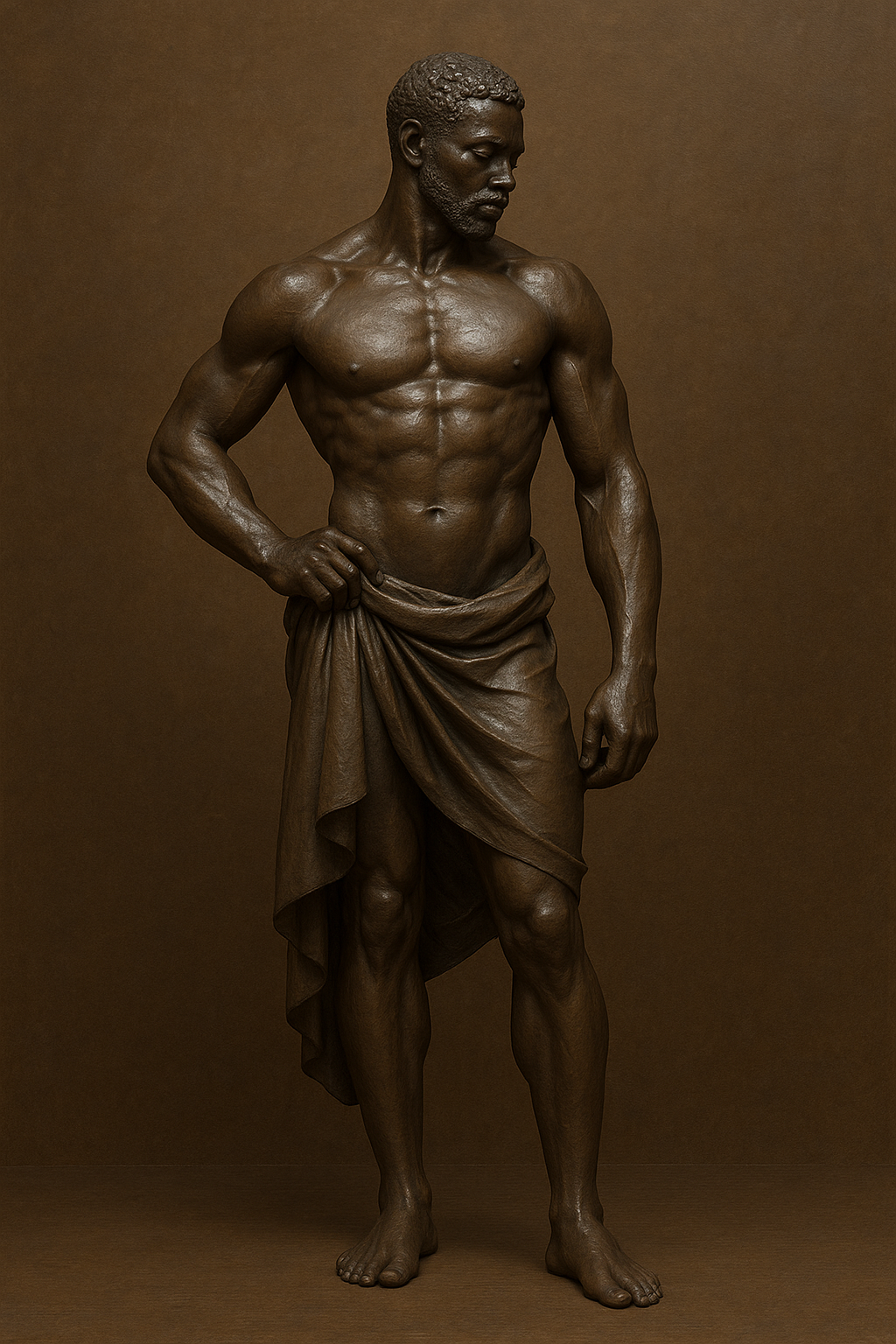
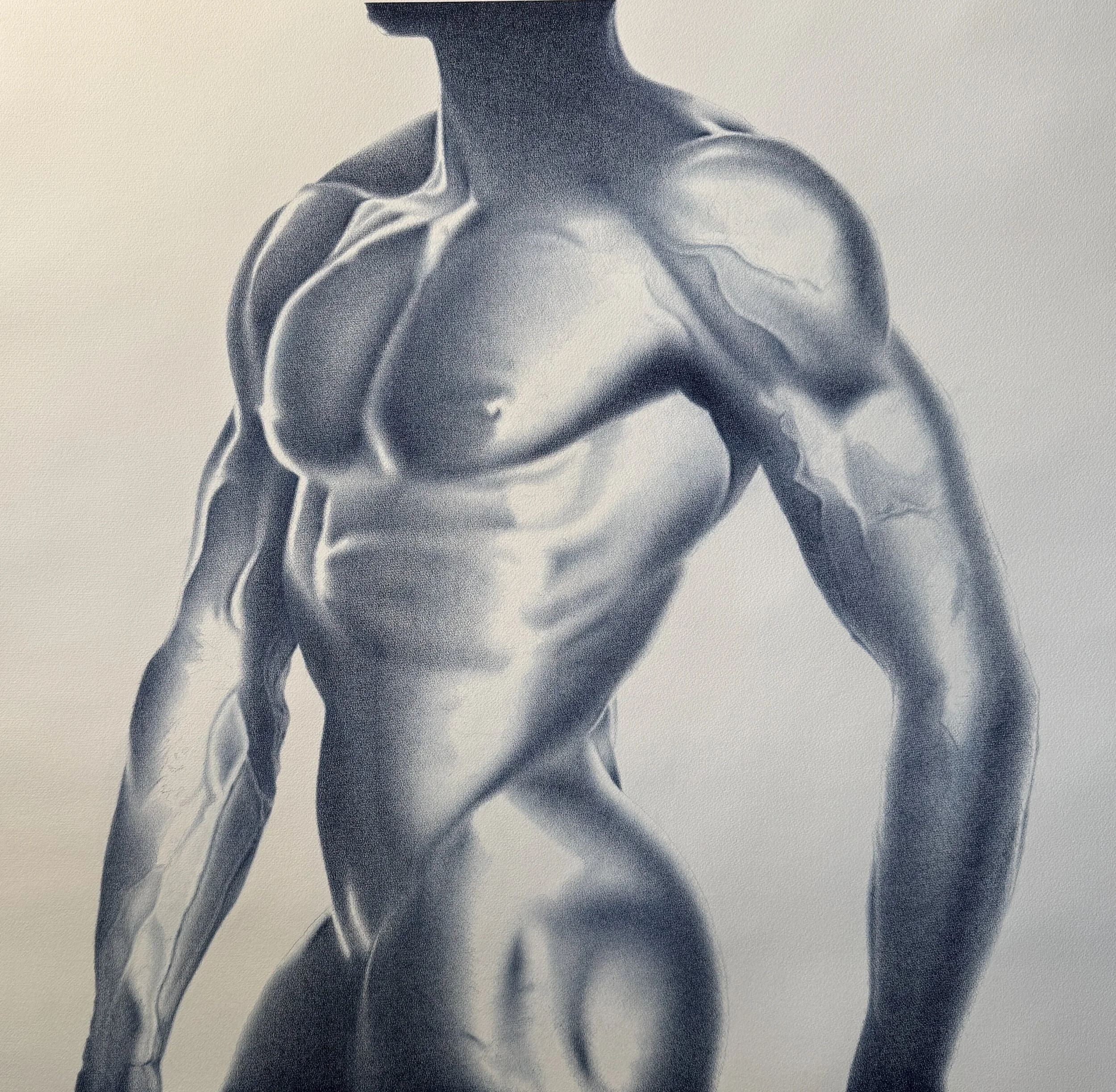
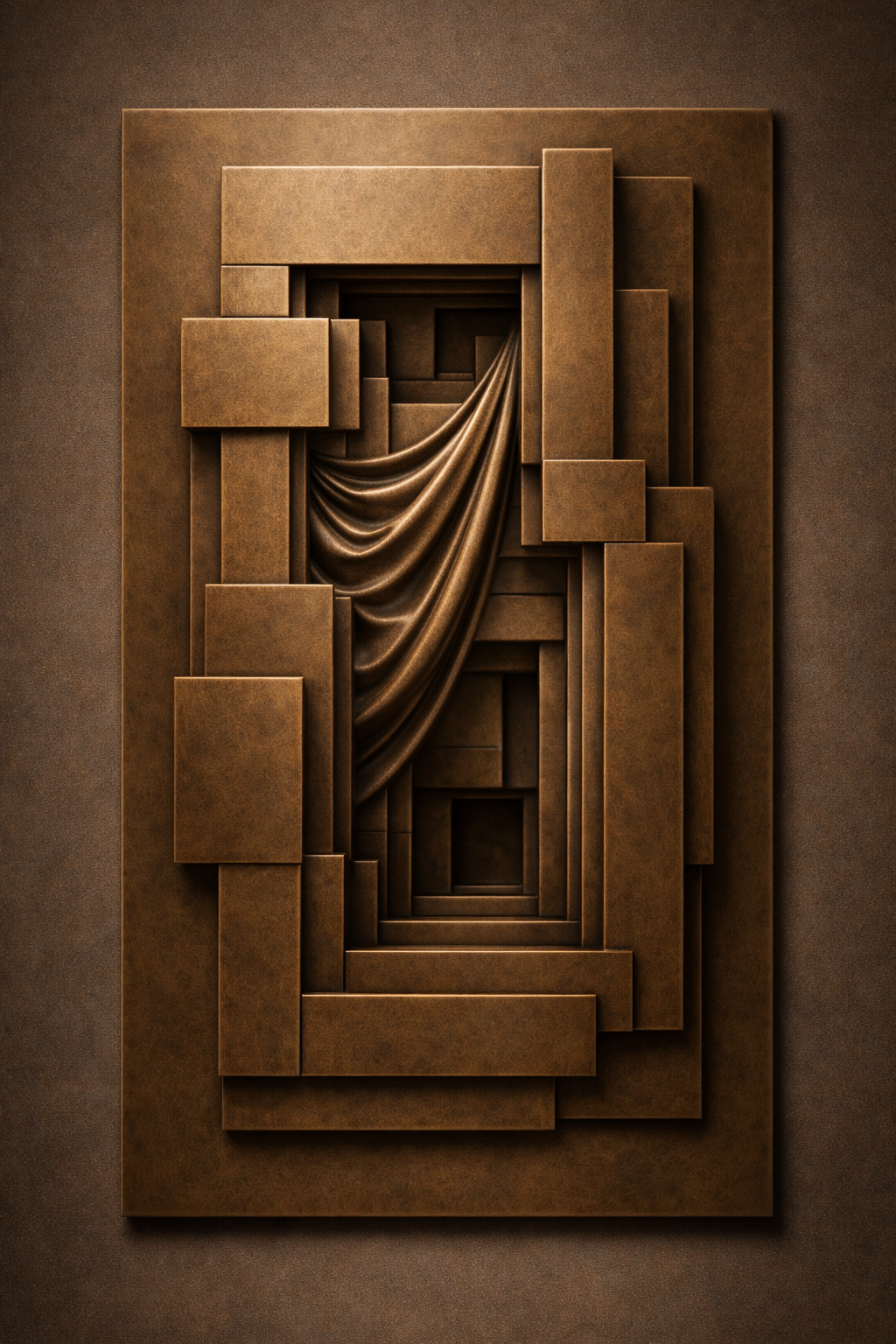
Observation gradually gave way to interpretation. Photographs became studies, studies became drawings, and classical proportion evolved into a contemporary visual language shaped by my own interests in anatomy, light, fragmentation, and restraint.
These works are not reconstructions of antiquity. They are translations of what I learned while looking carefully. The resulting drawings and bronze reliefs mark the point where influence became authorship and observation became a body of work.
Presence
Witnessing Humanity, The Art of John Wilson
Journal Entry V.
The Met— September 27, 2025
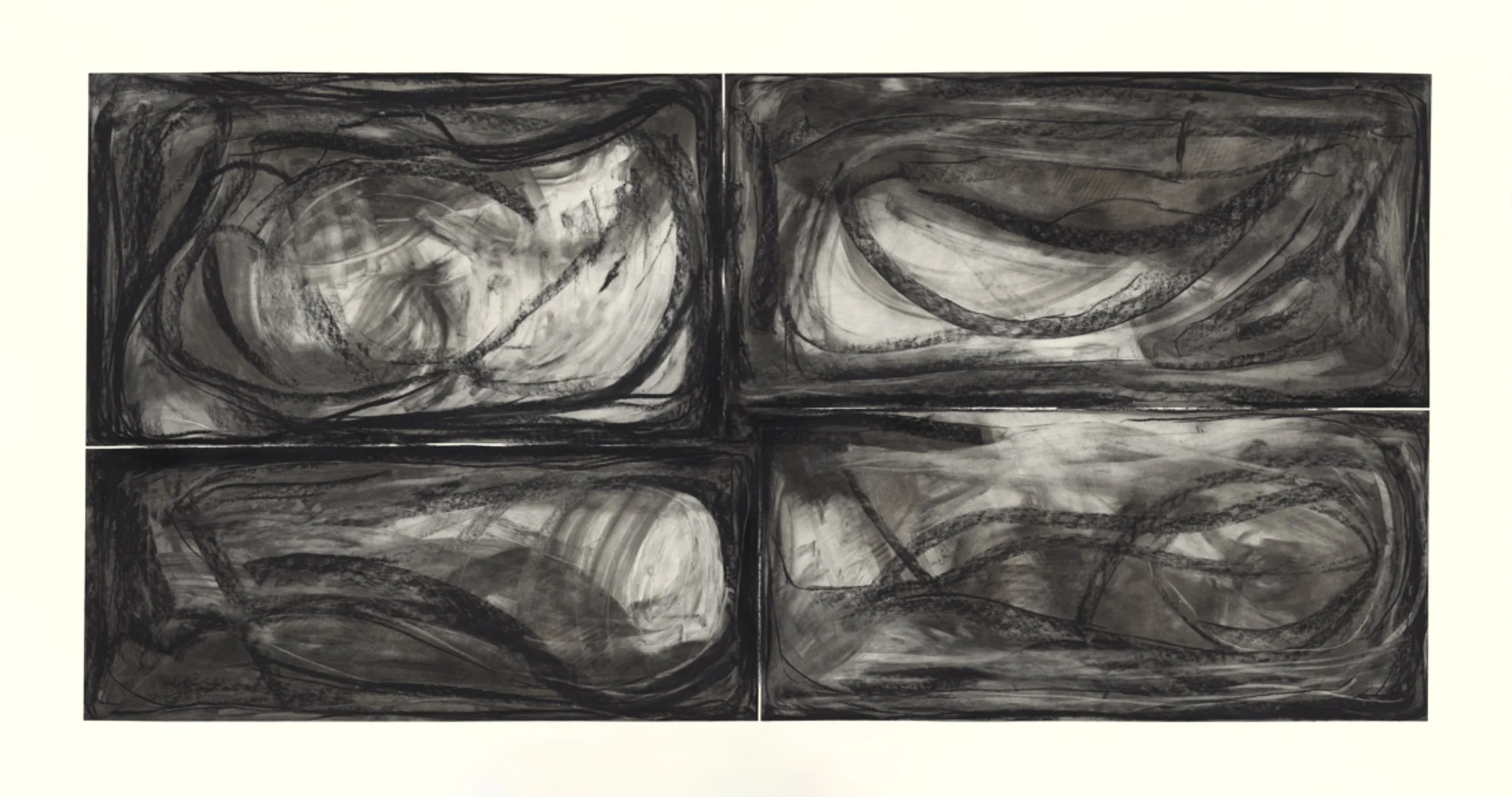
The Greco-Roman galleries taught me to study form. John Wilson’s drawings expanded that lesson by demonstrating how monumentality, humanity, and Black subjecthood could coexist within the same visual language.
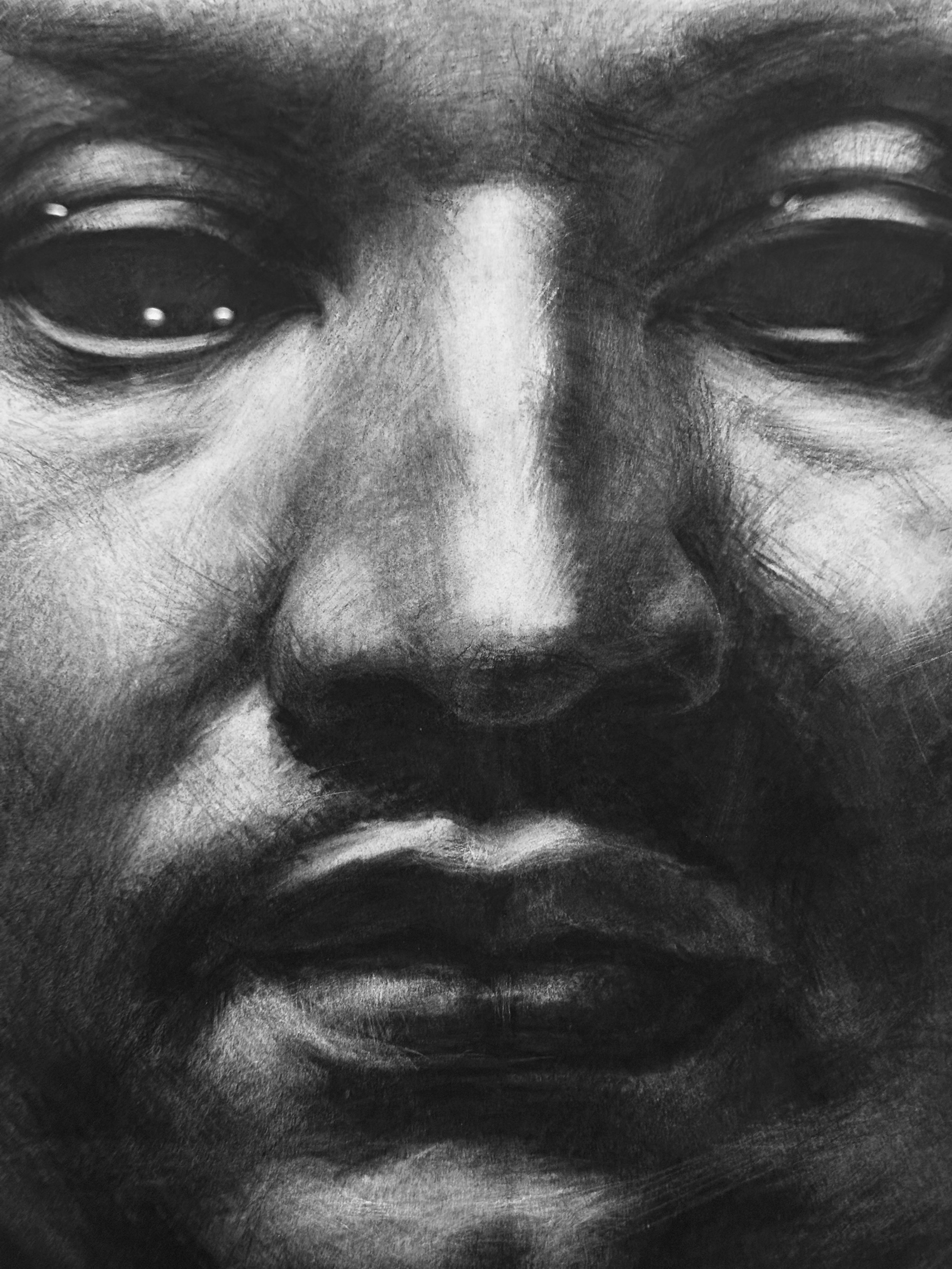
His work did not change what I wanted to make as much as it confirmed what I was already beginning to recognize. The figure could carry physical weight without sacrificing emotional presence, and charcoal could record not only an image, but the energy required to create it.
That realization fundamentally shaped my own approach to drawing. Works such as Held Force are not simply depictions of the body. They are made through the body. Working at this scale requires hours of sustained movement, allowing gesture, endurance, and material to become inseparable. The finished drawing preserves the physical history of its own making.
What I encountered in this exhibition was not a style to imitate, but permission to pursue a language that felt increasingly my own.
Presentation
Superfine: Tailoring Black Style
Journal Entry VI
The Met— September 27, 2025
Some exhibitions leave you inspired by individual works. Others quietly change the way you look.
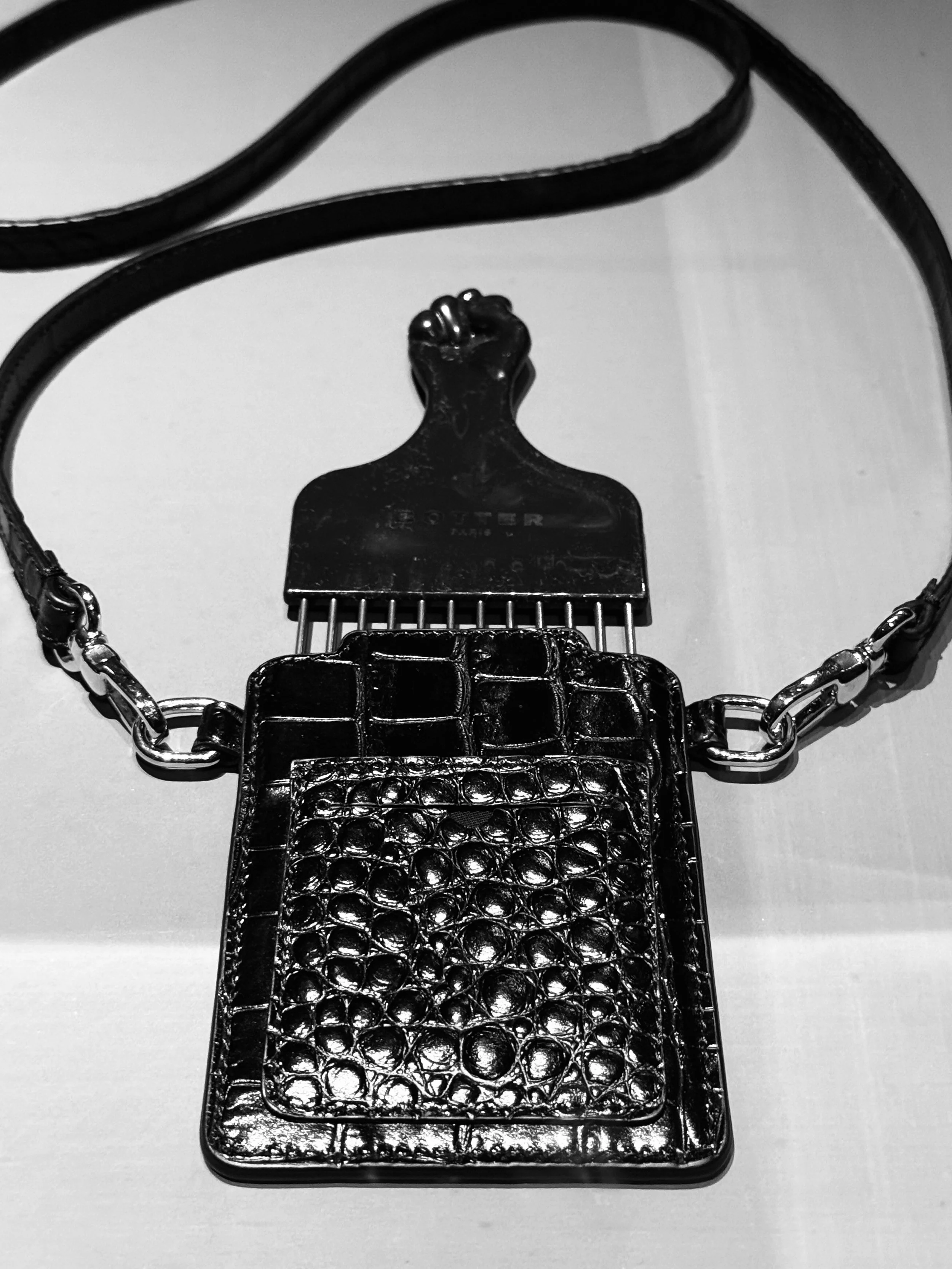
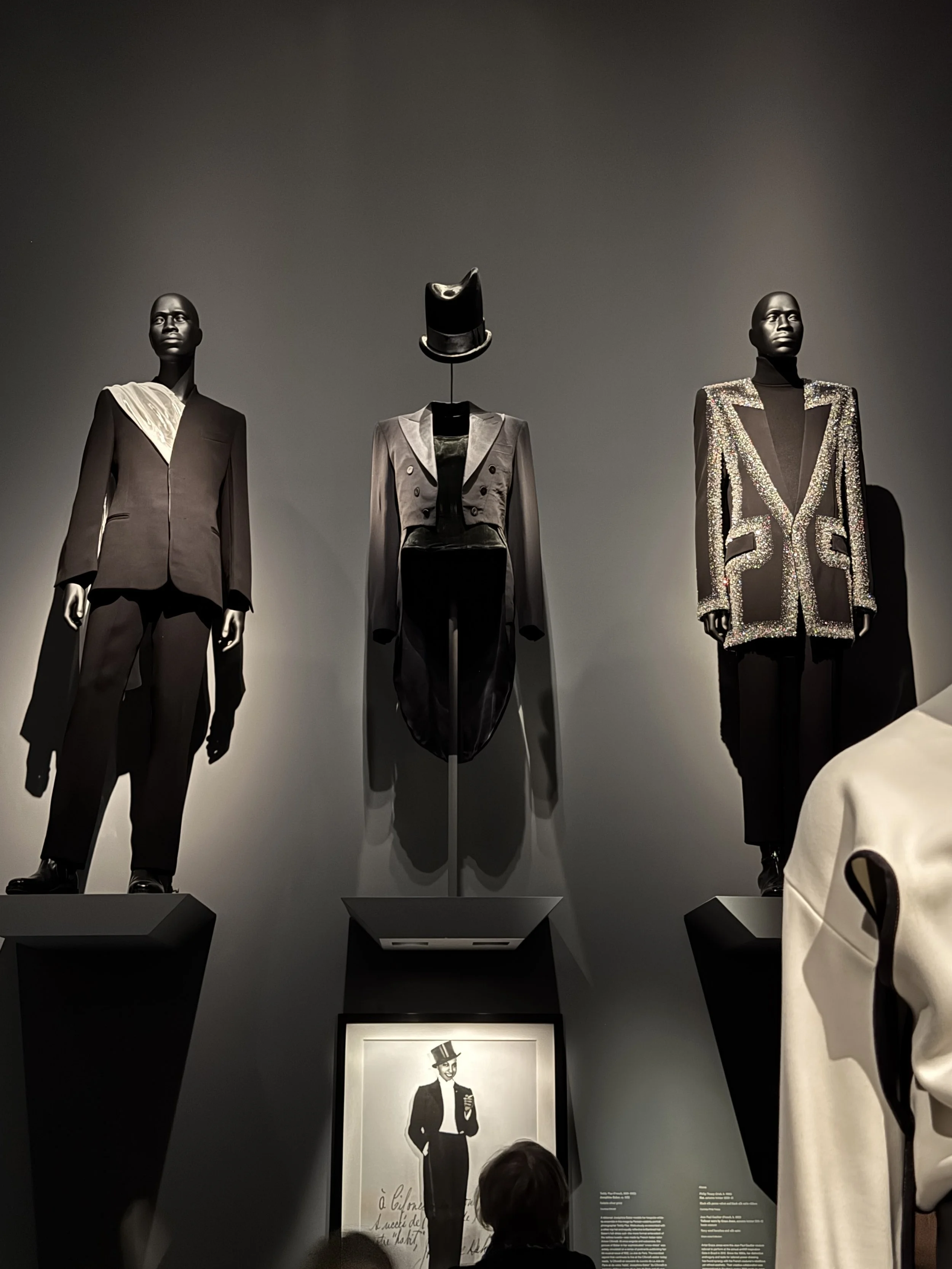
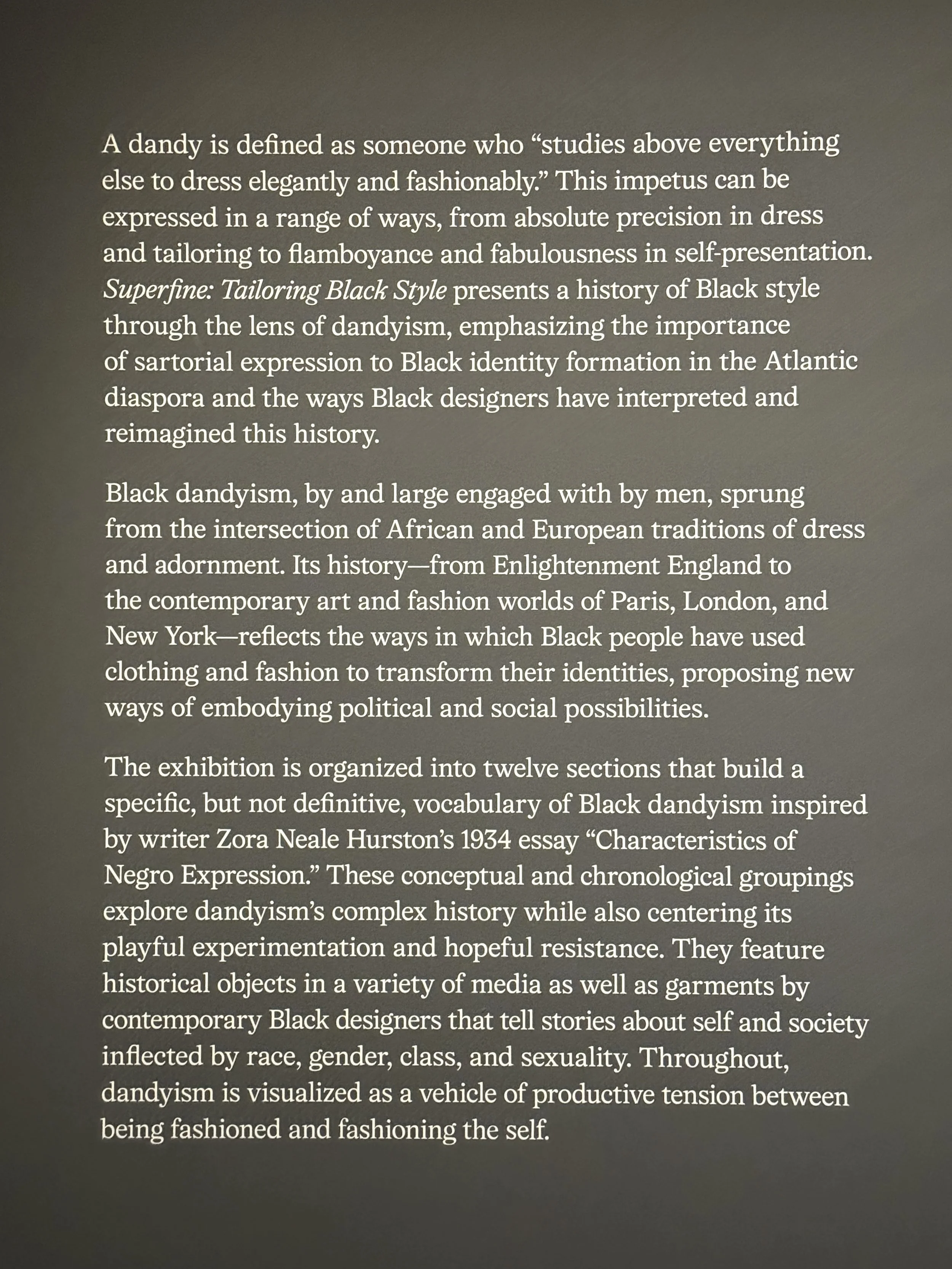
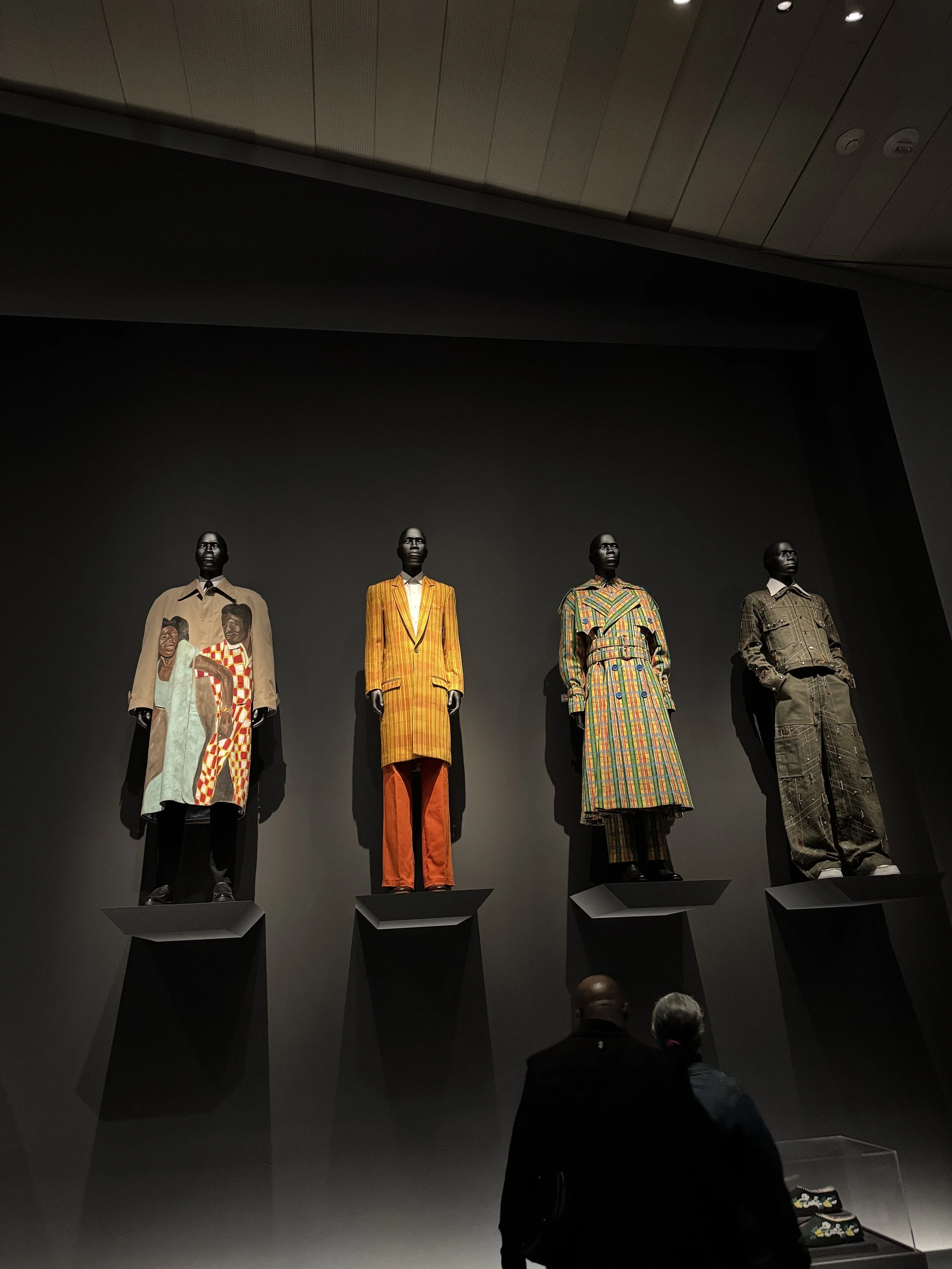
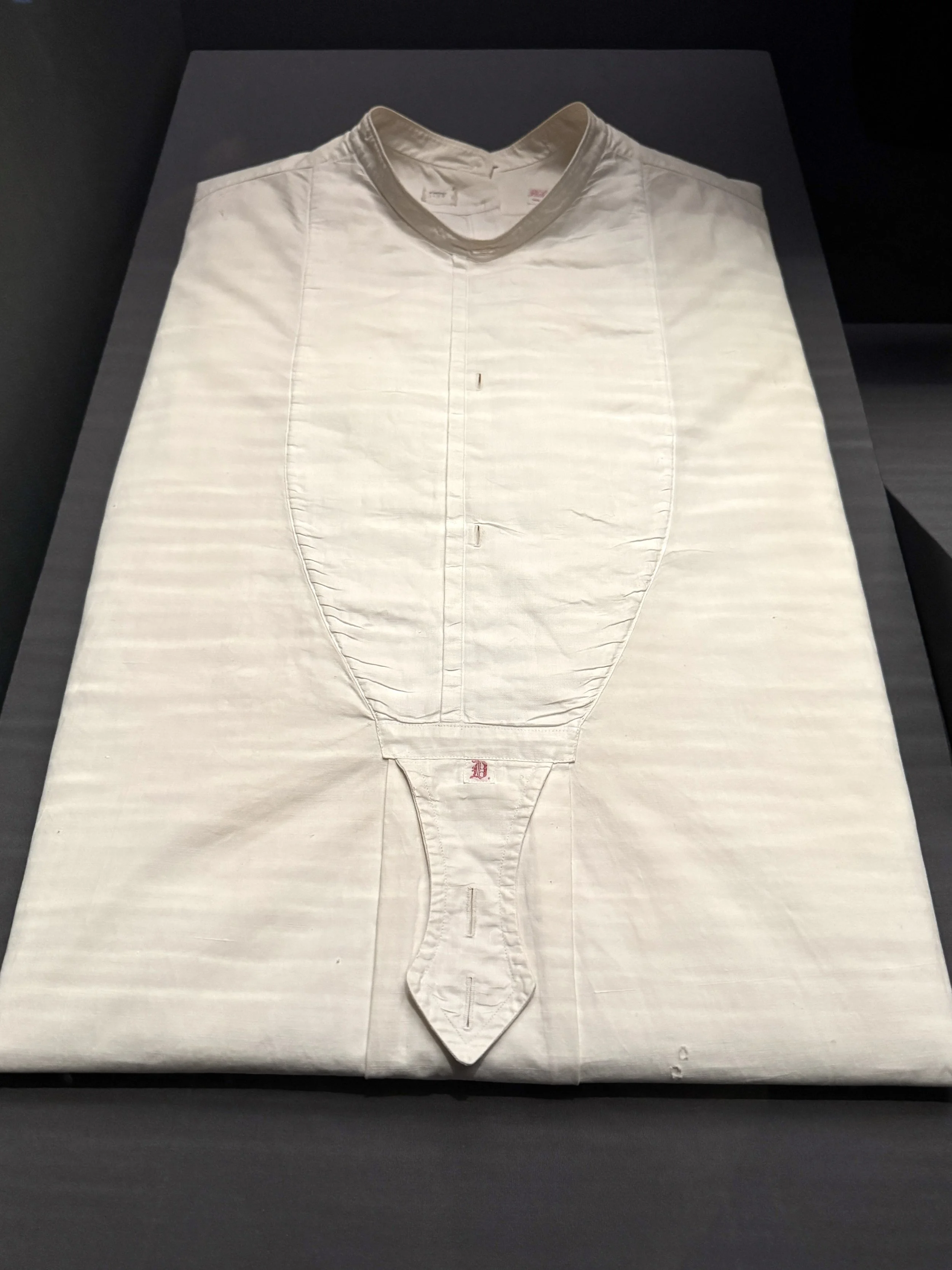
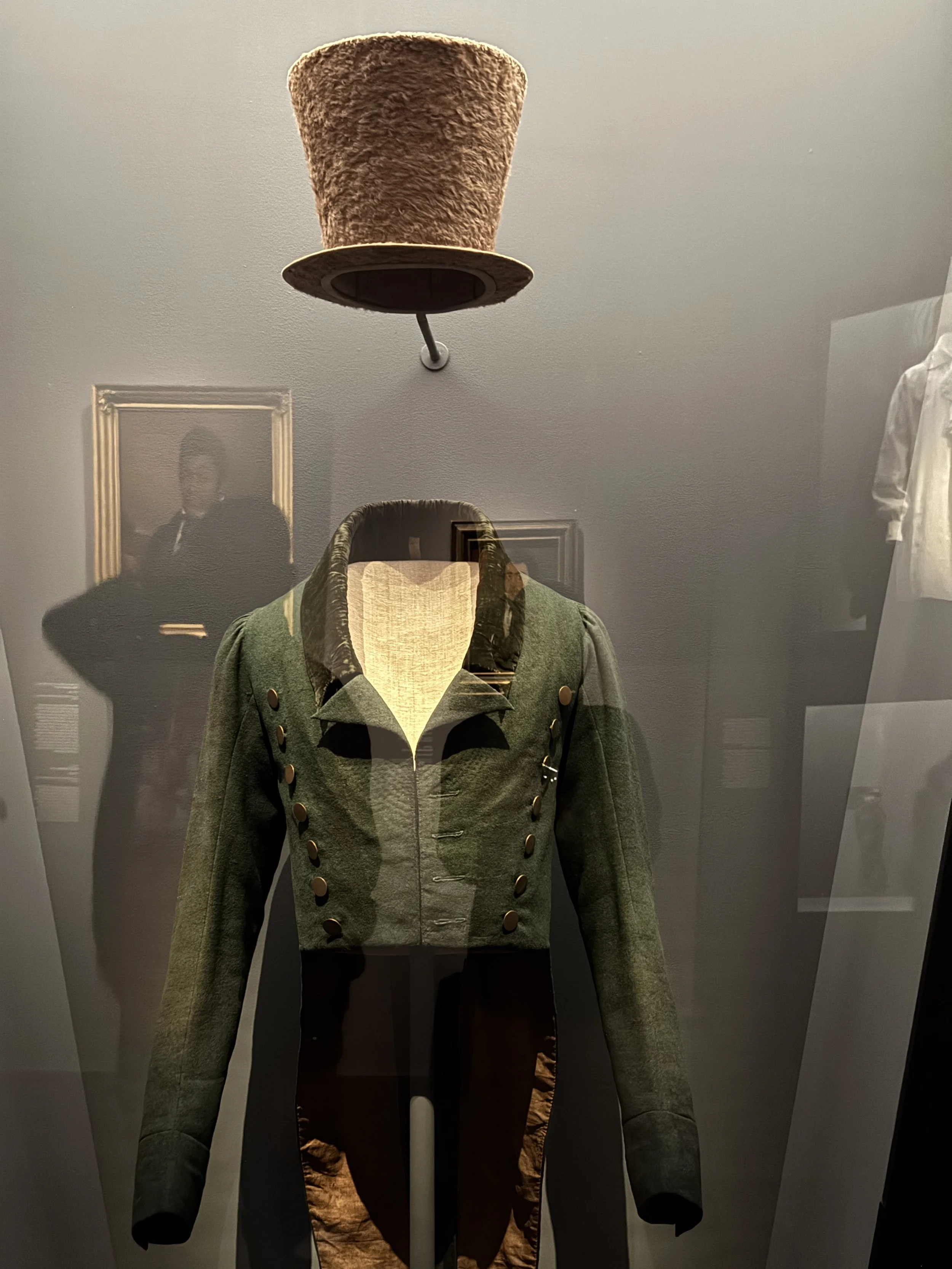
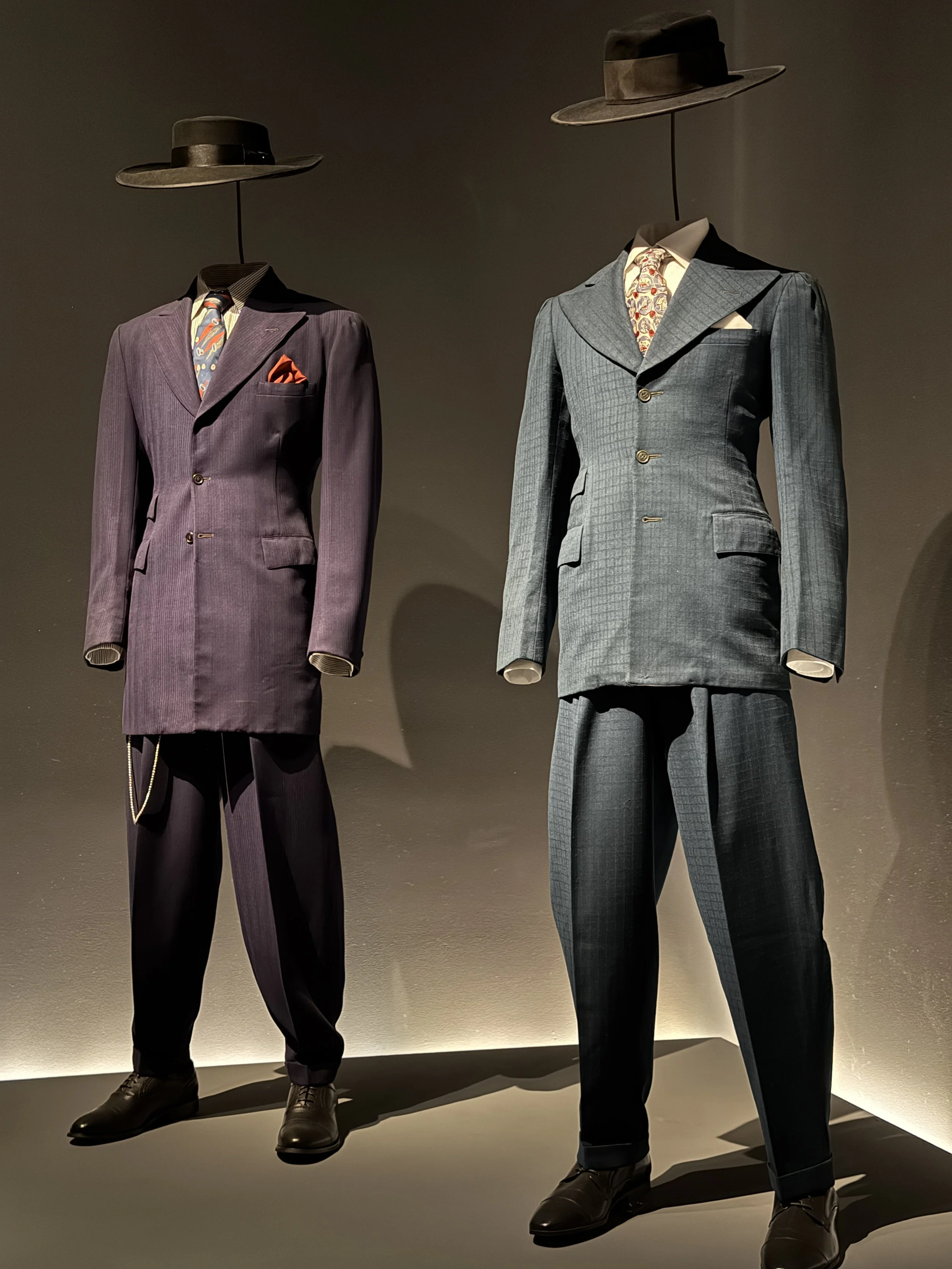
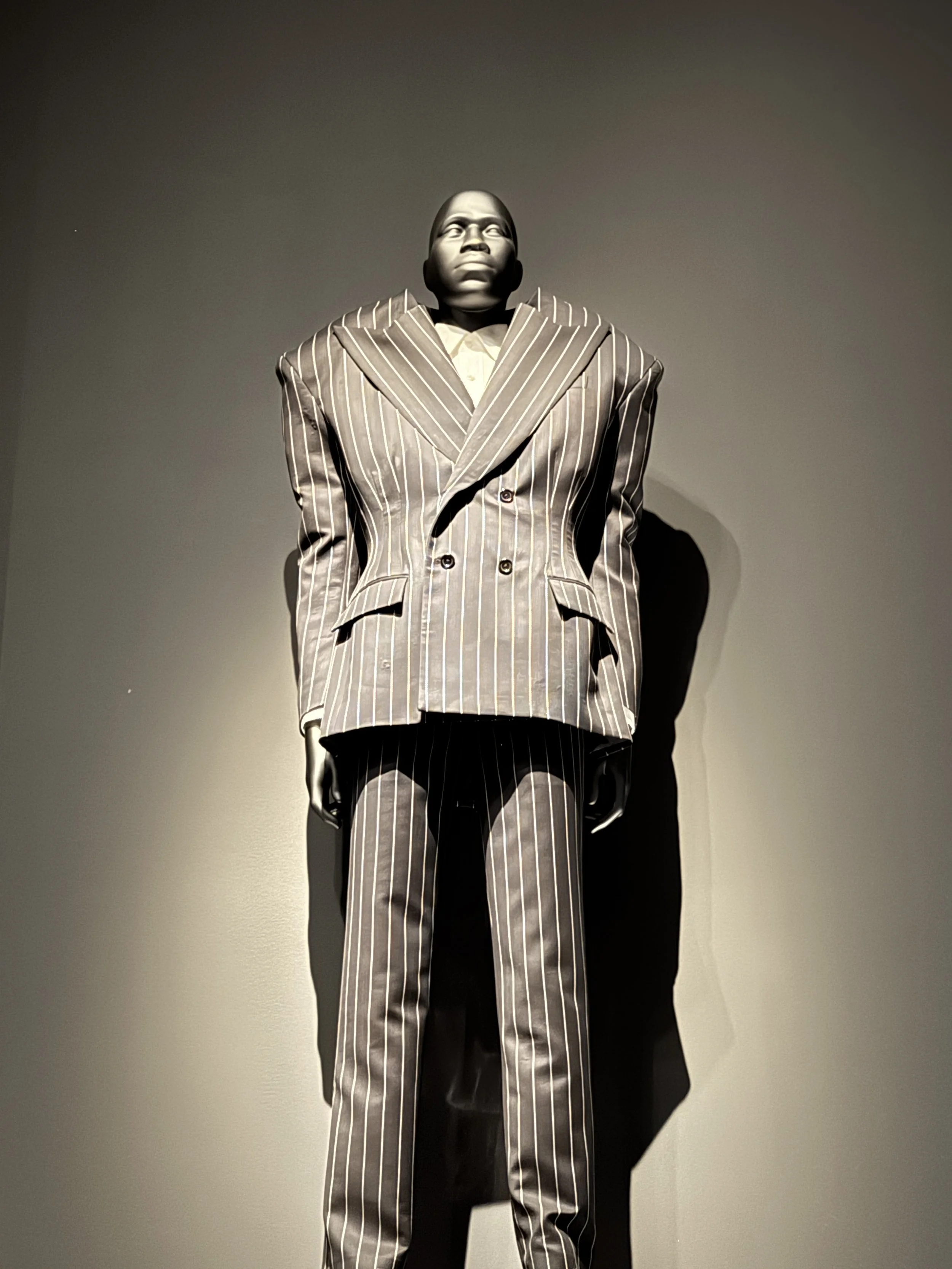
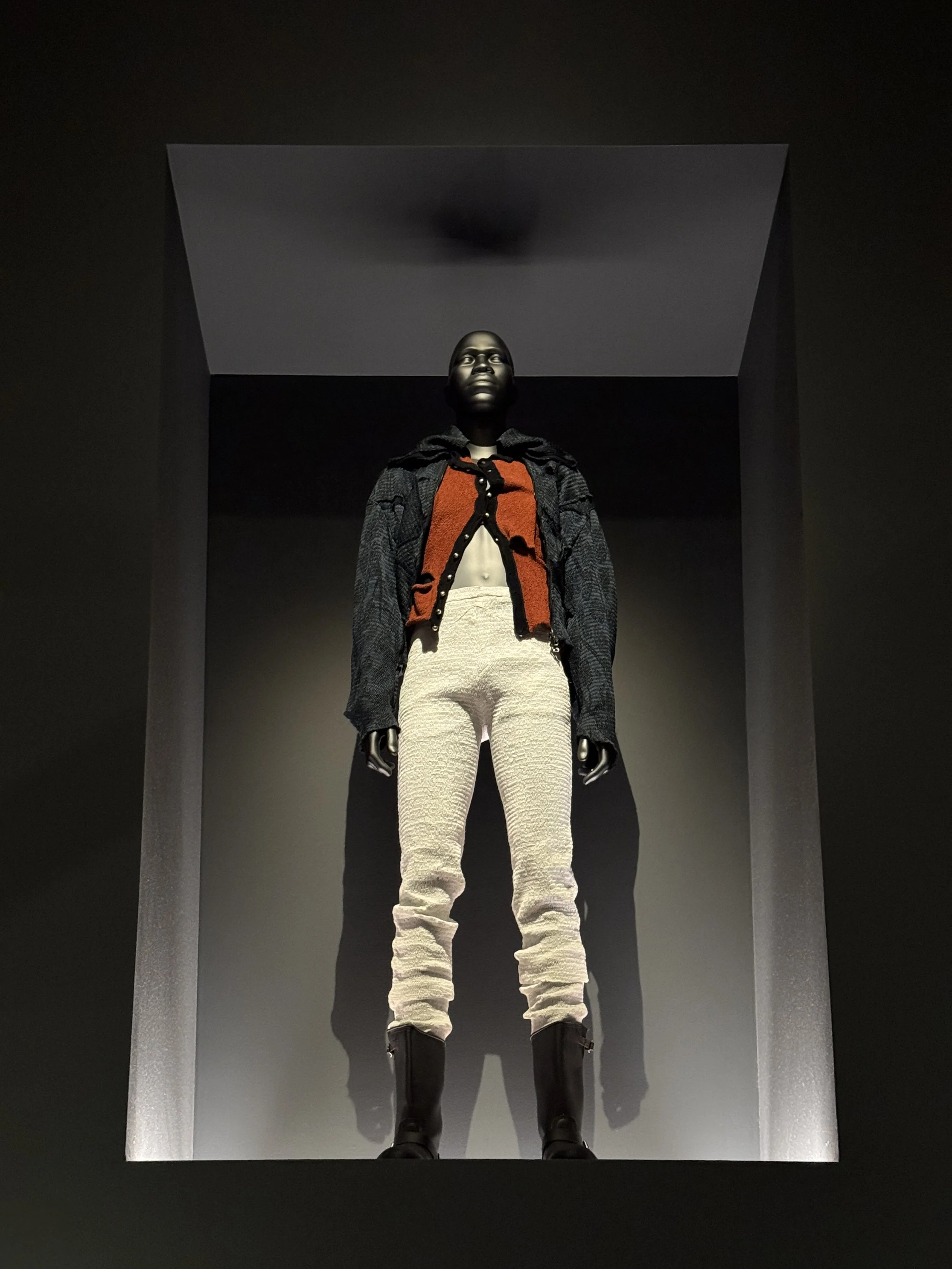
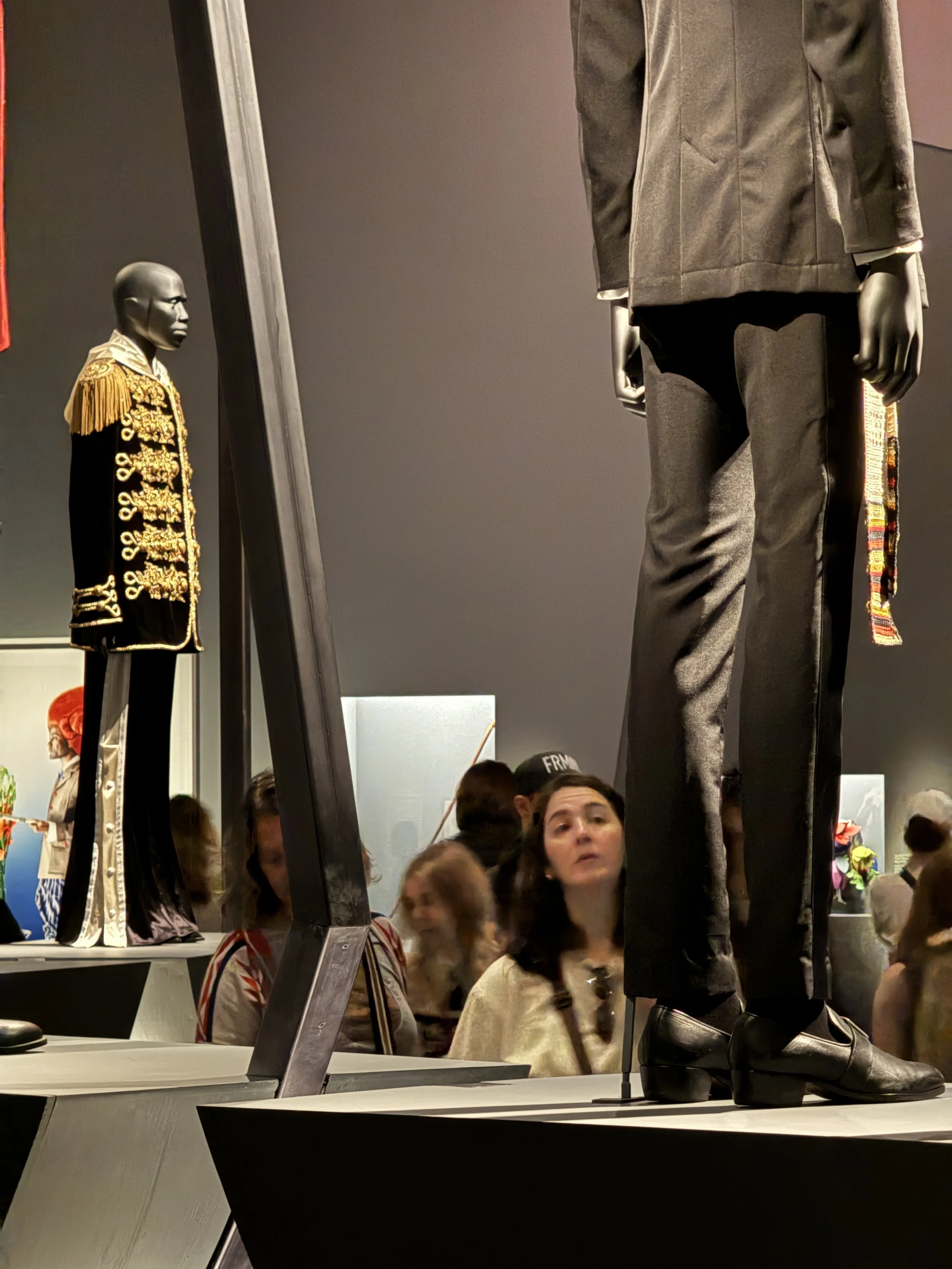
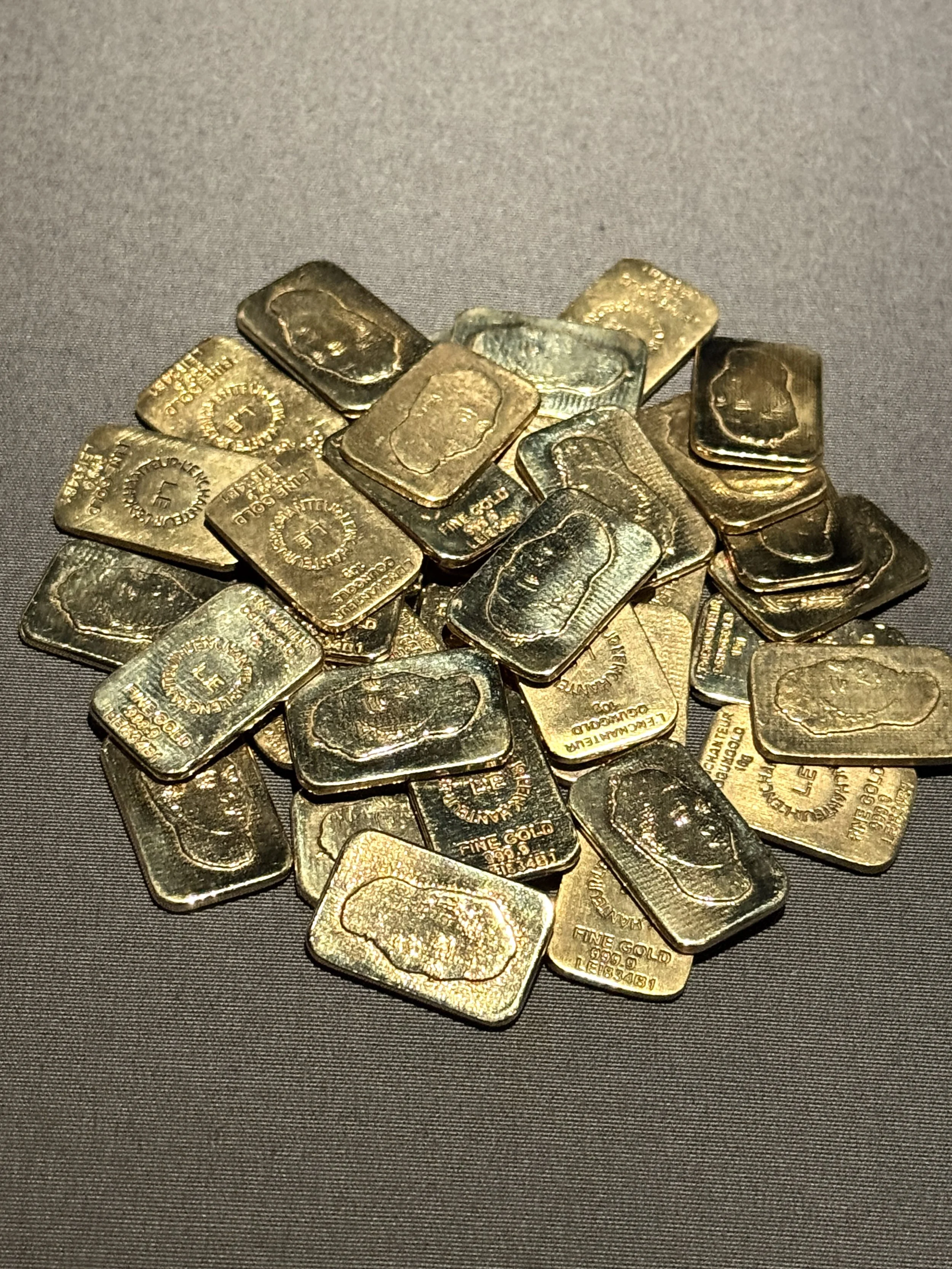
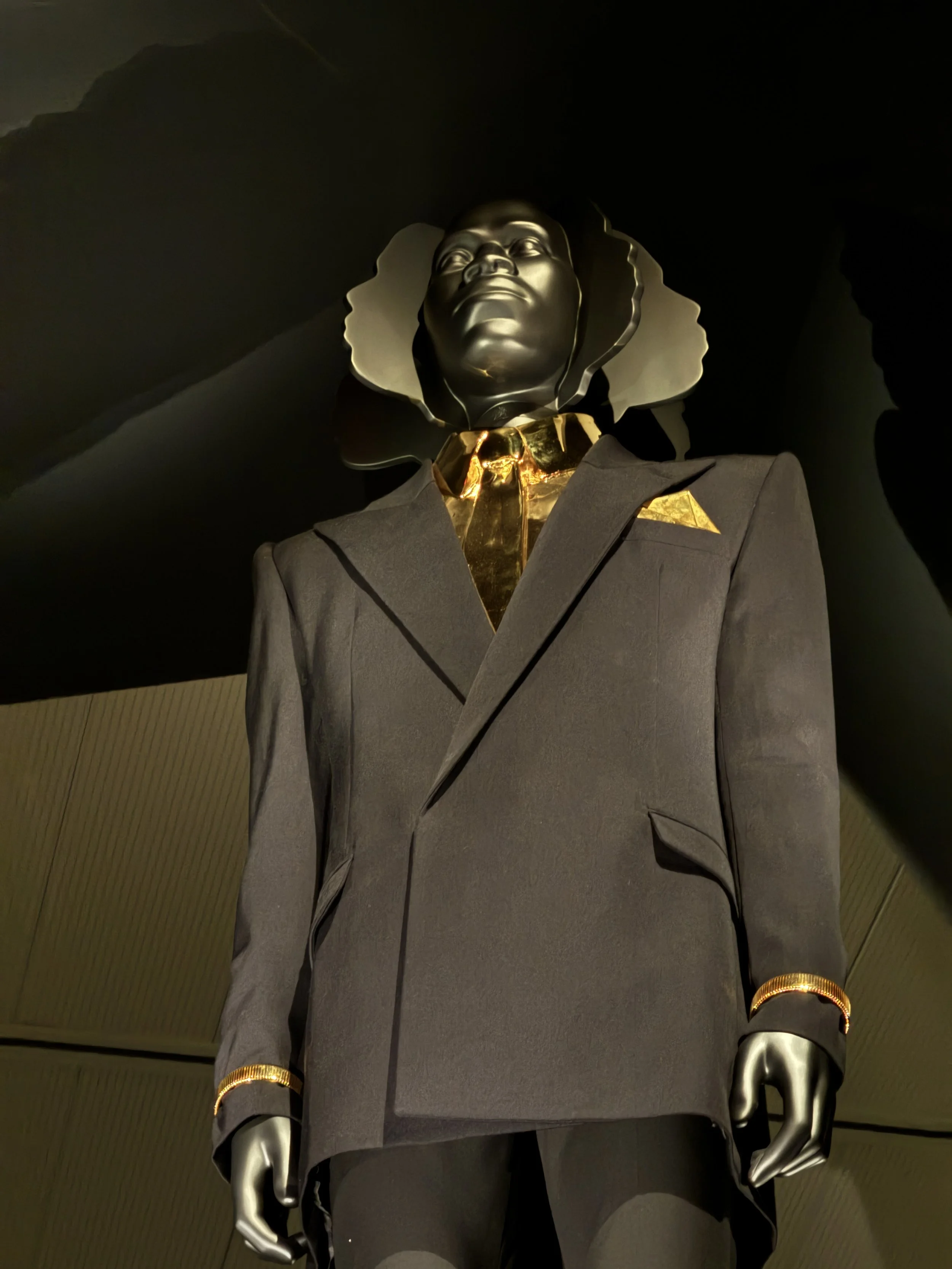
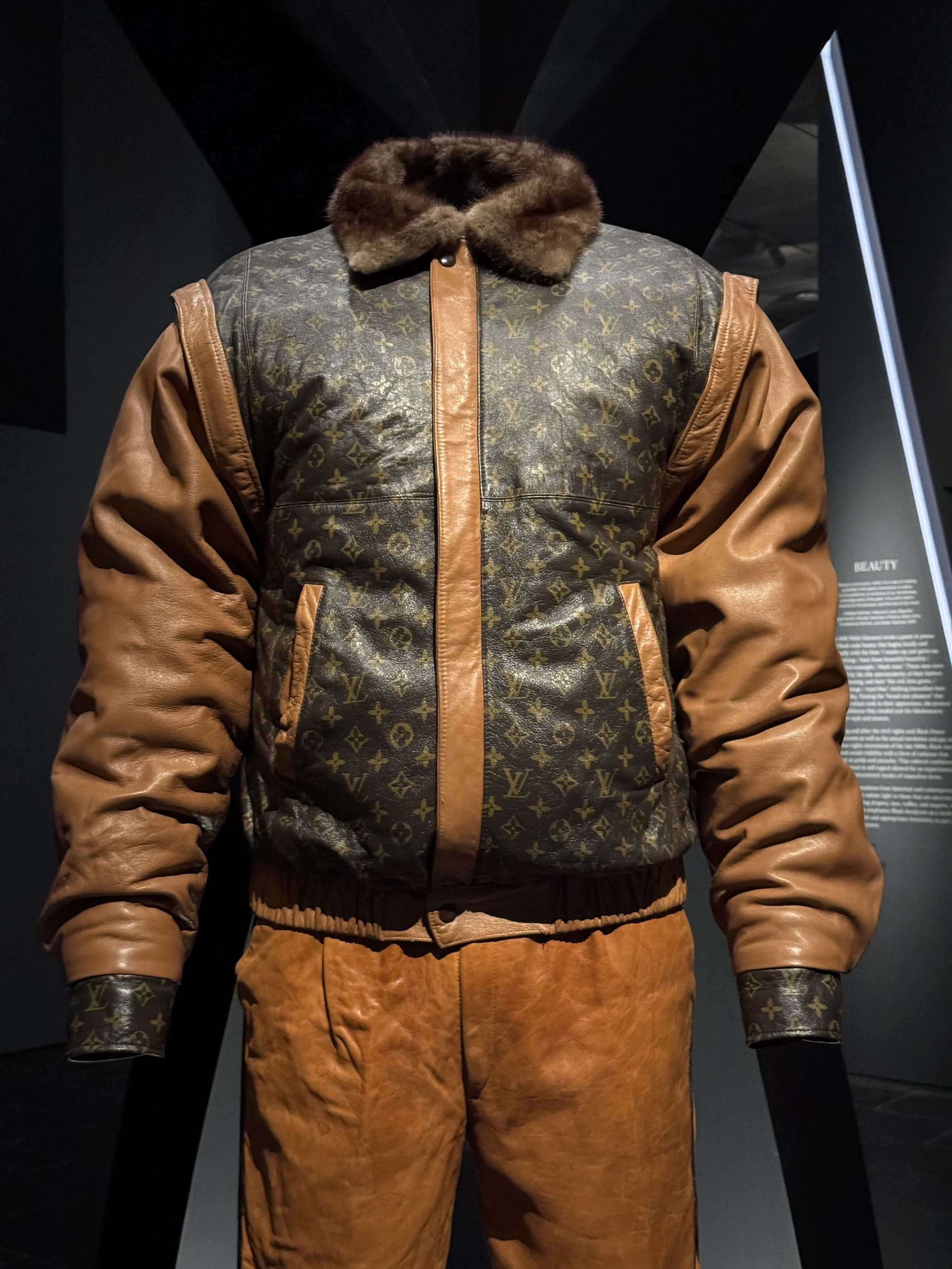
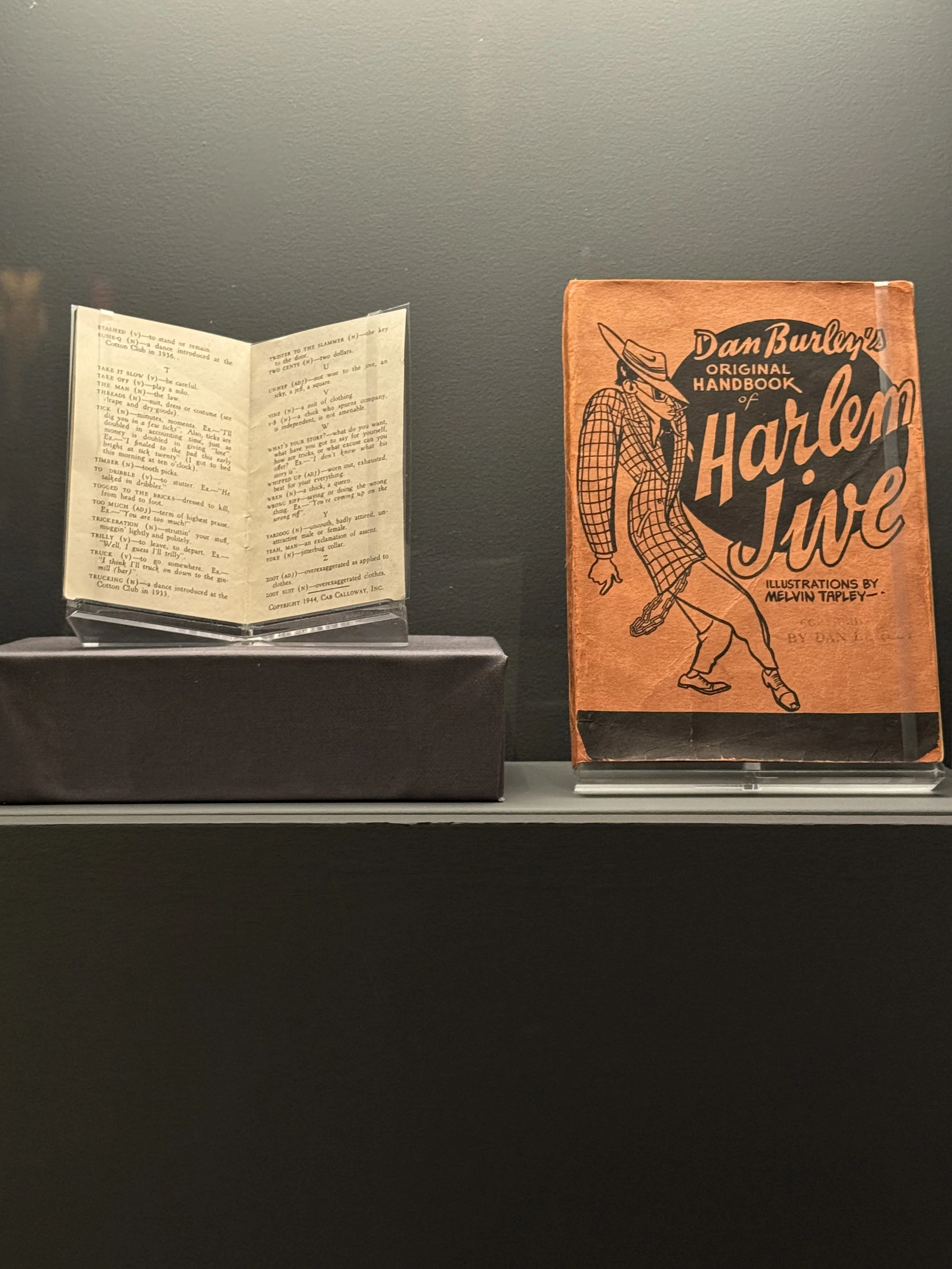
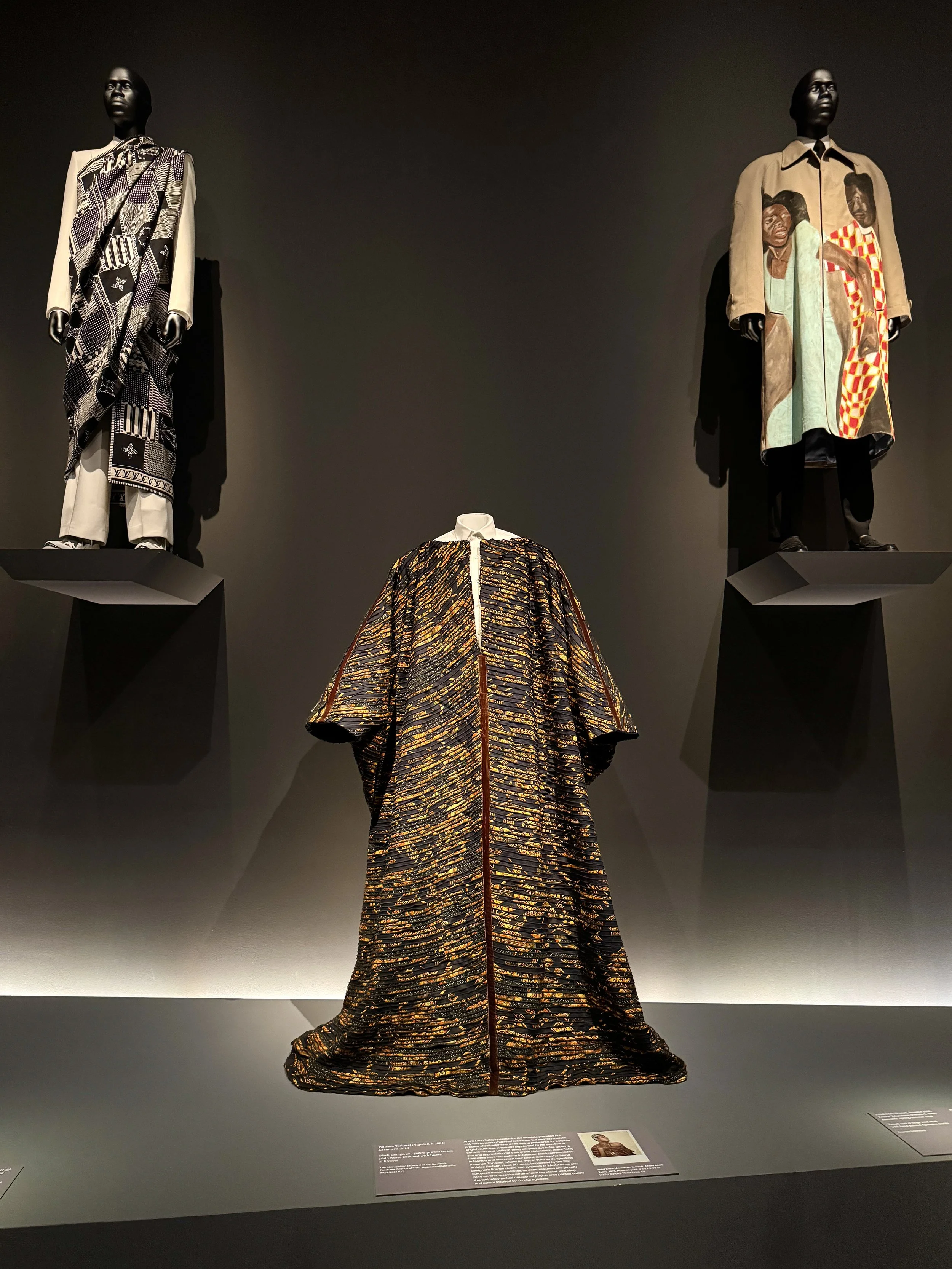
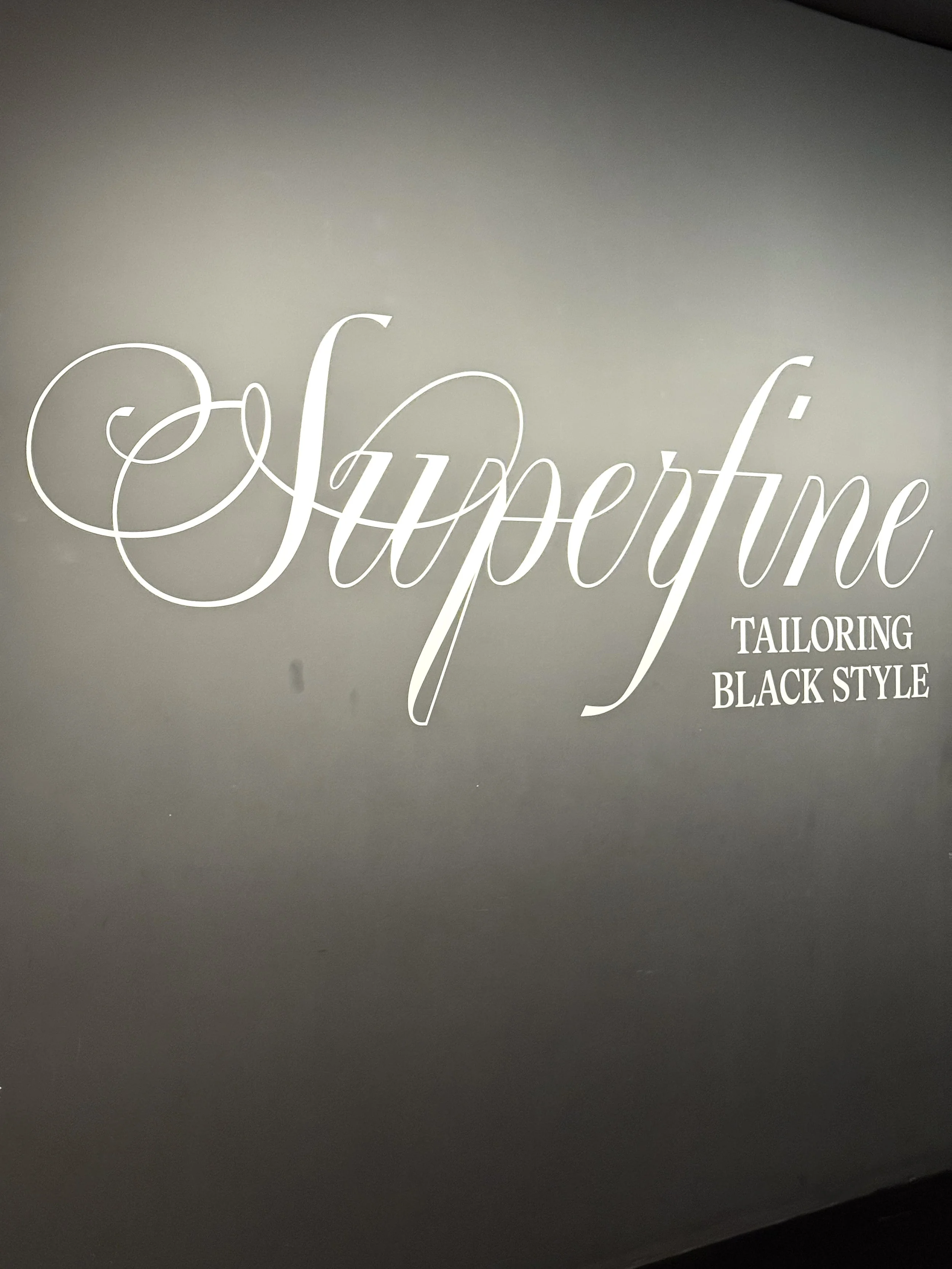
Superfine: Tailoring Black Style became a lesson in presentation as much as fashion. Garments, photographs, books, portraits, and historical objects were arranged with extraordinary architectural clarity. Mannequins stood like towers. Platforms became city blocks. Typography never competed with the objects it described. Every decision contributed to rhythm, hierarchy, and pace.
I found myself photographing not only the clothing, but the exhibition’s structure—its spacing, framing, and visual logic. Looking back through these images, I realize I was documenting an editorial language as much as an exhibition.
The history of Black dandyism—of style as authorship, dignity, self-definition, and cultural expression—provided the subject. But what stayed with me most was the way the exhibition taught the eye to move.
In many ways, this journal page is less a record of a museum visit than a record of learning how exhibitions construct meaning.
Experiment
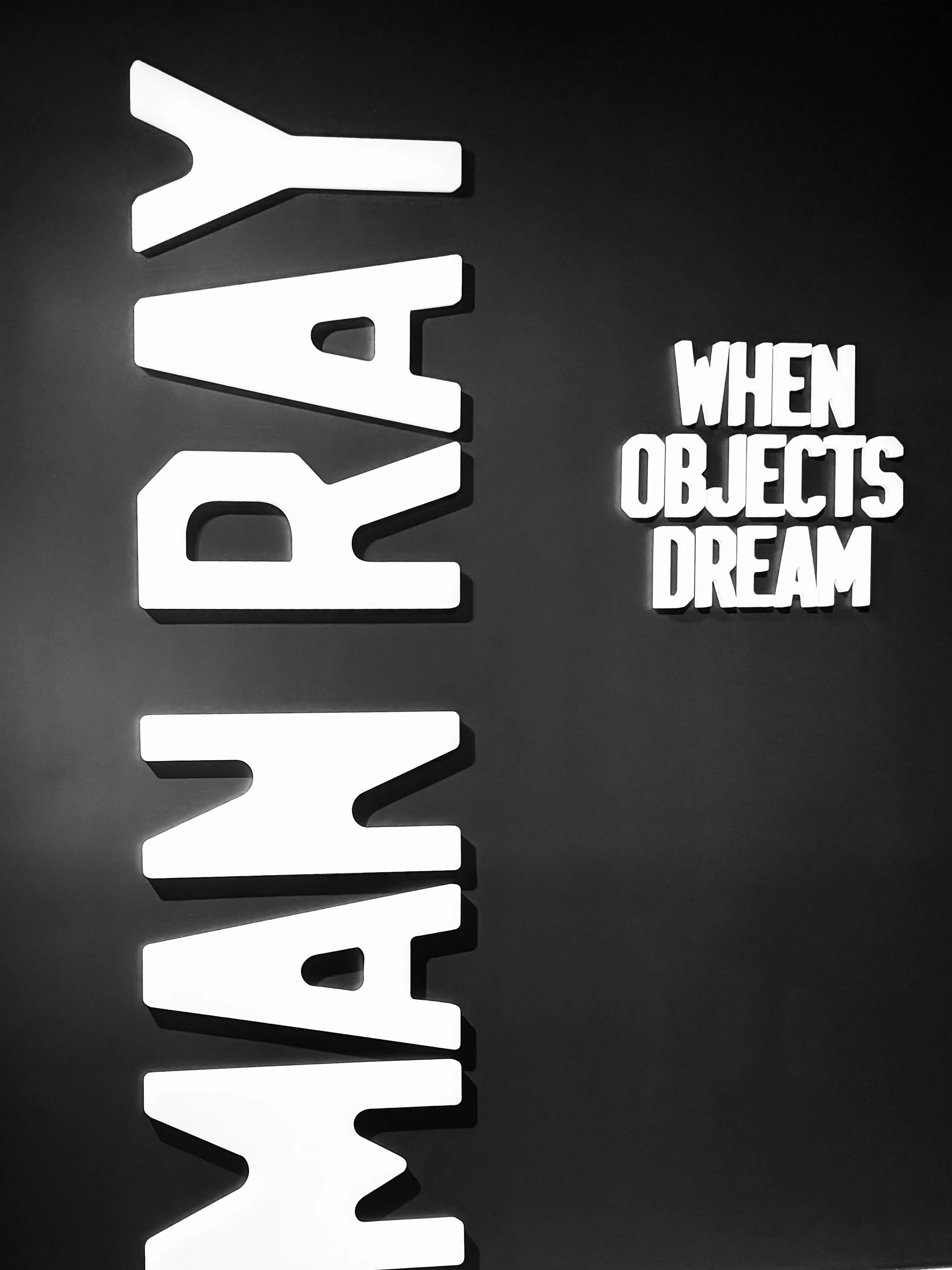
Man Ray: When Objects Dream
Journal Entry VII
The Met— September 27, 2025
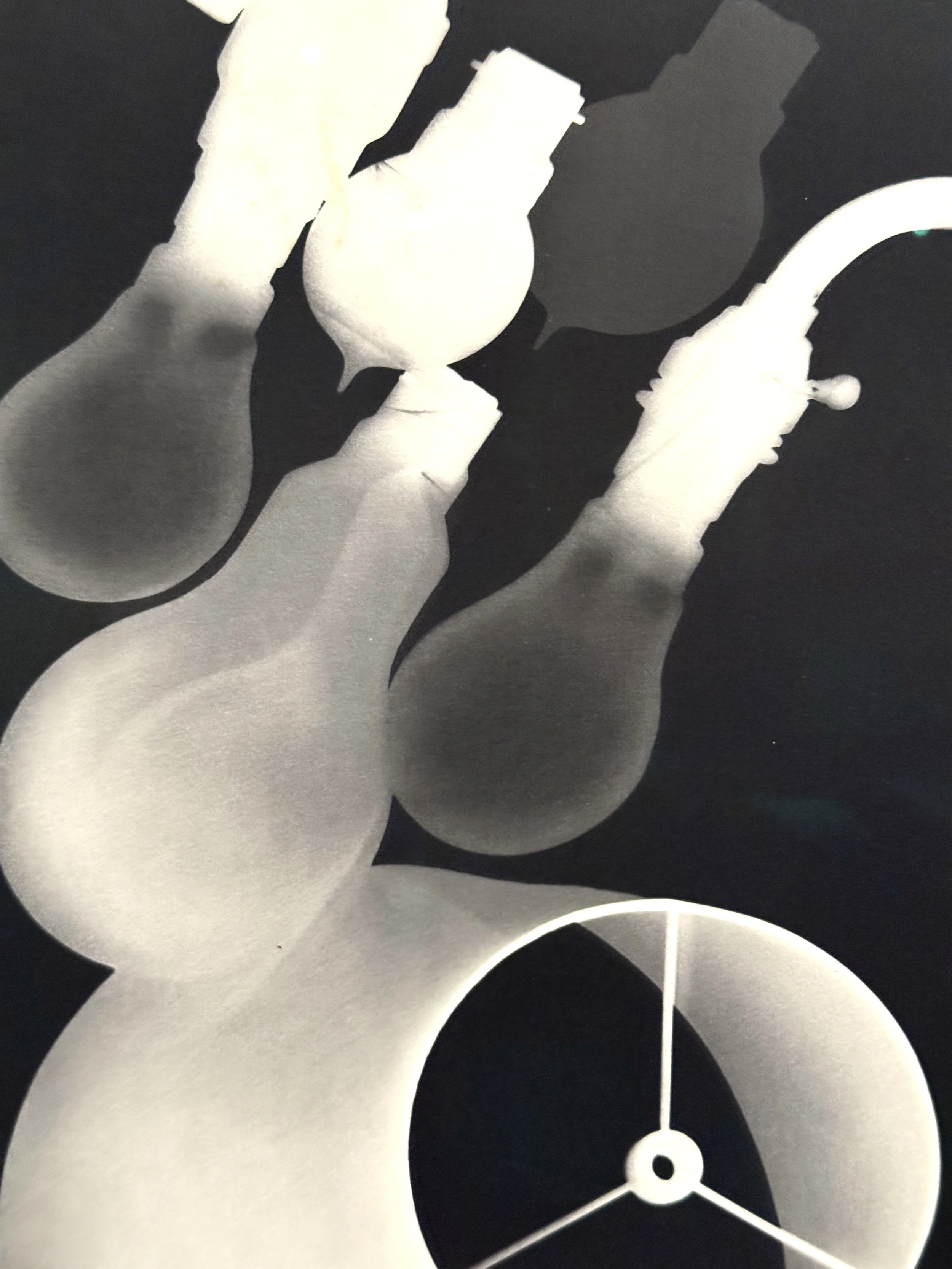
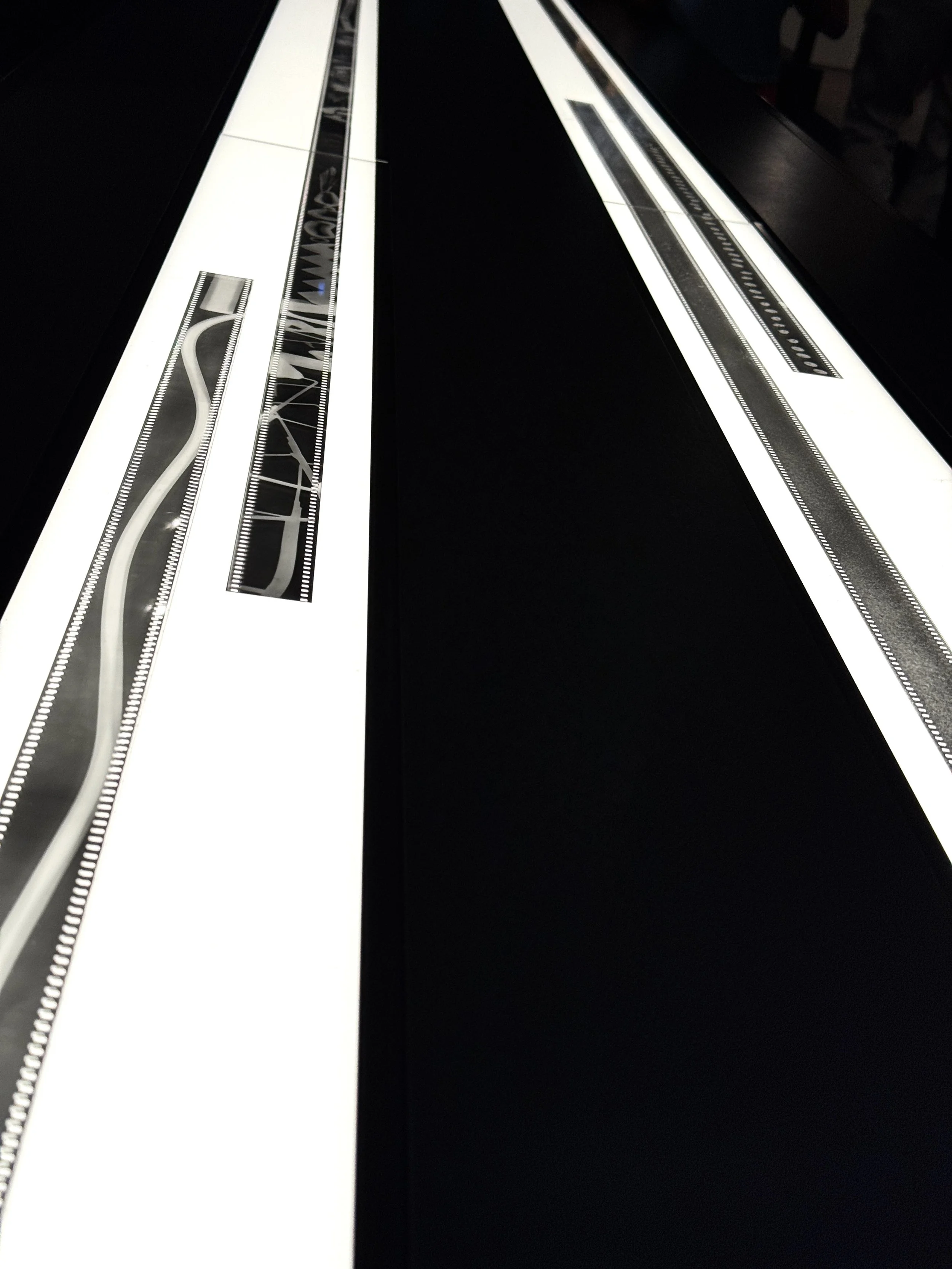
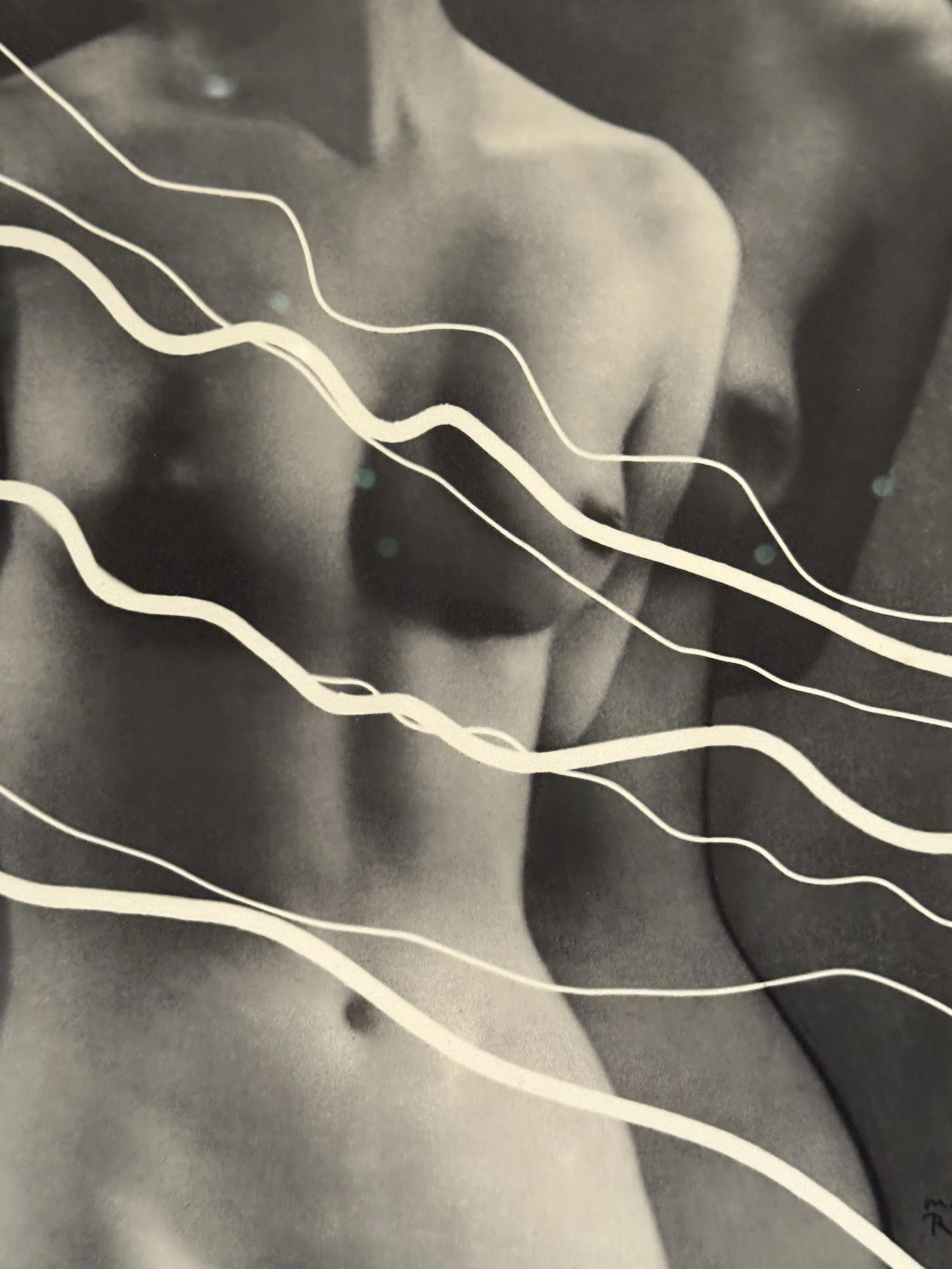
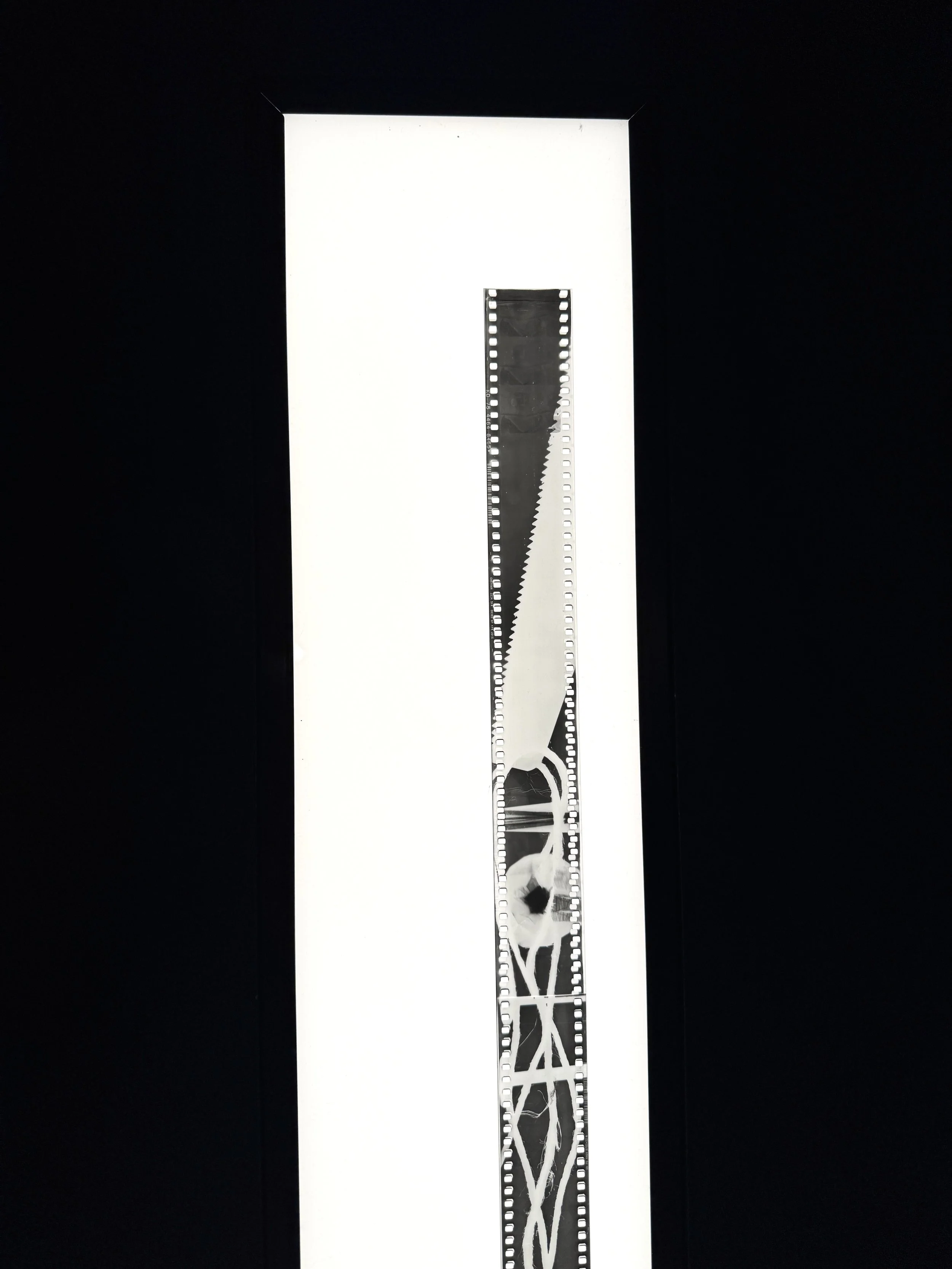
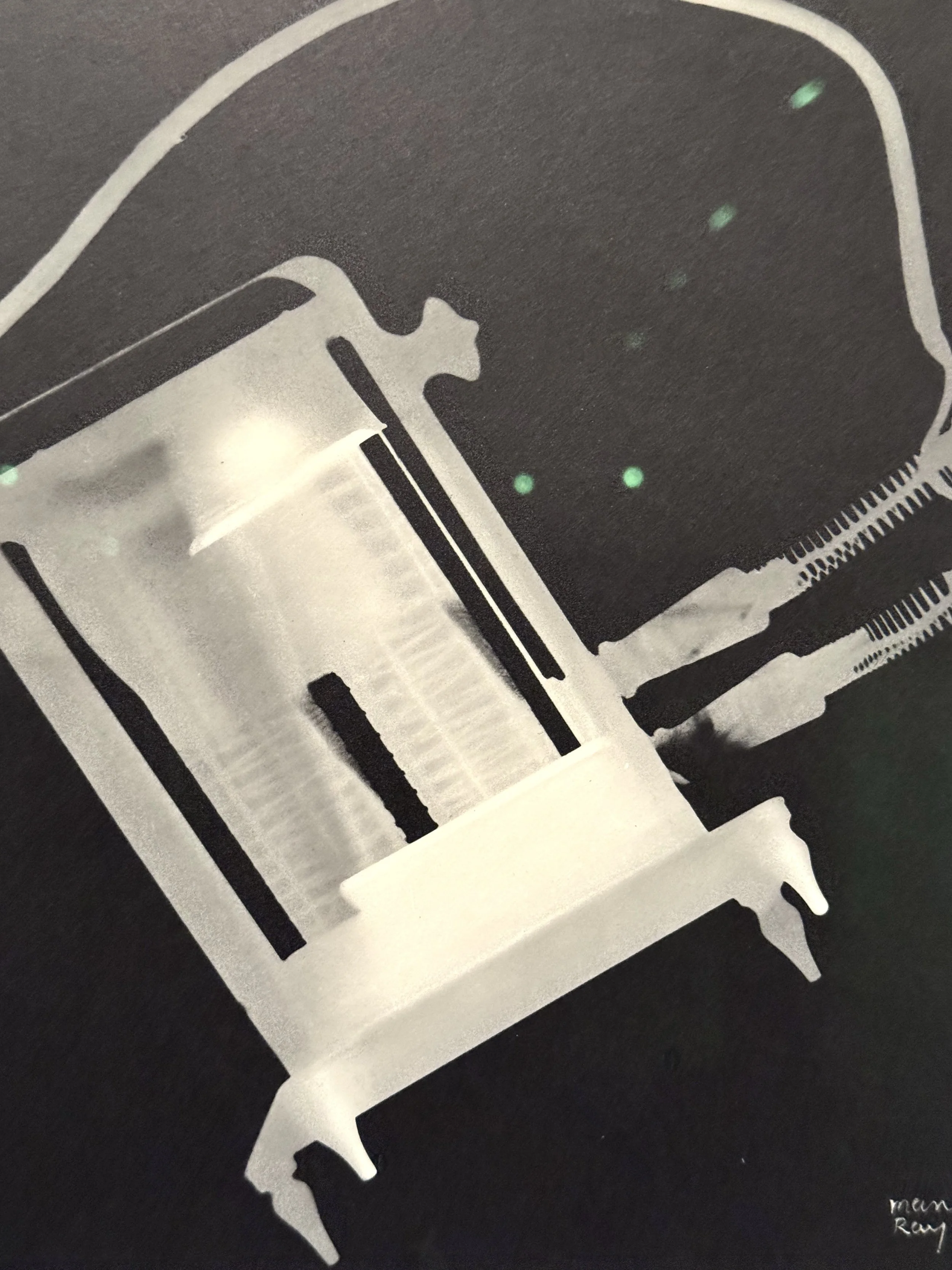
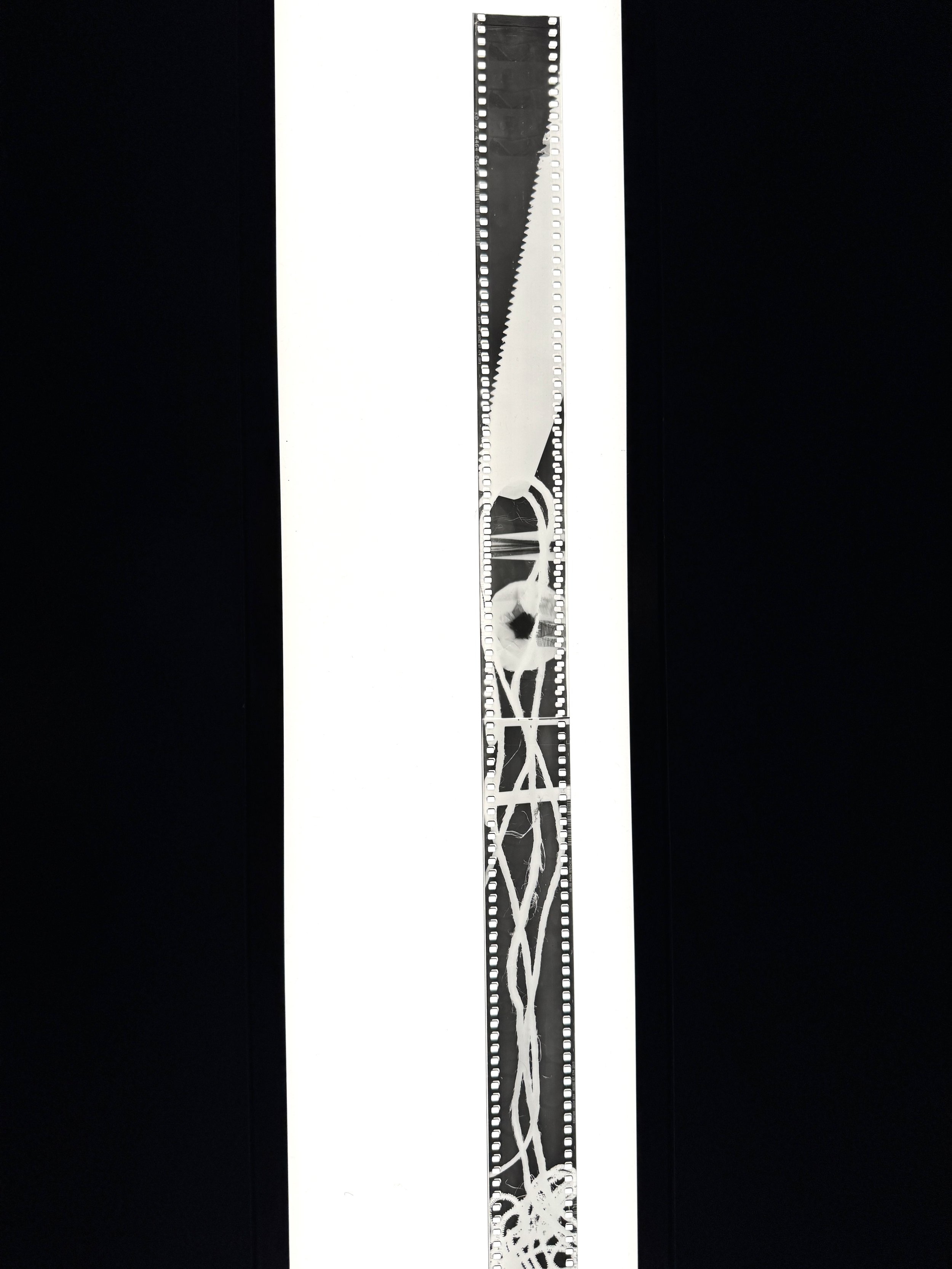
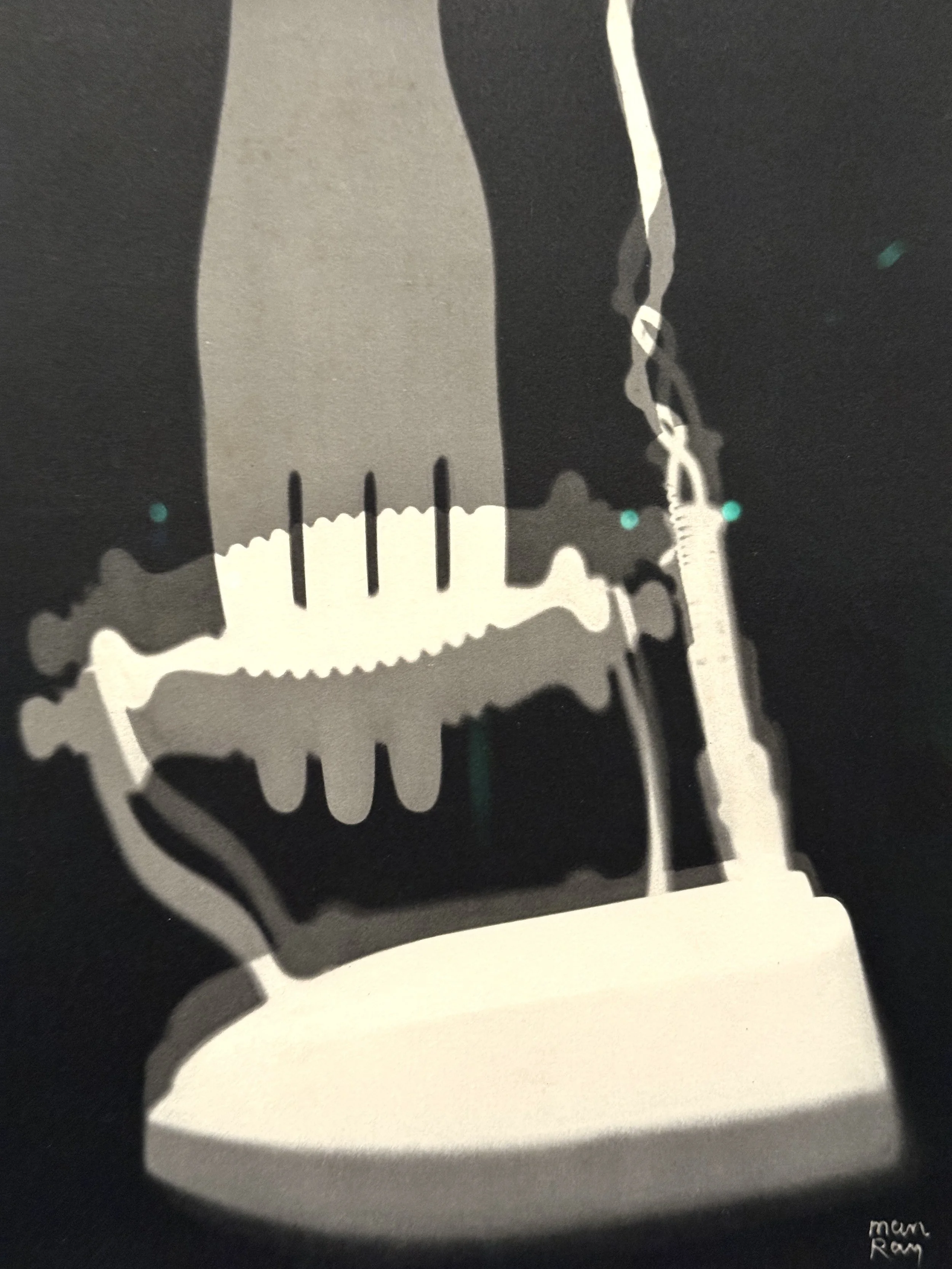
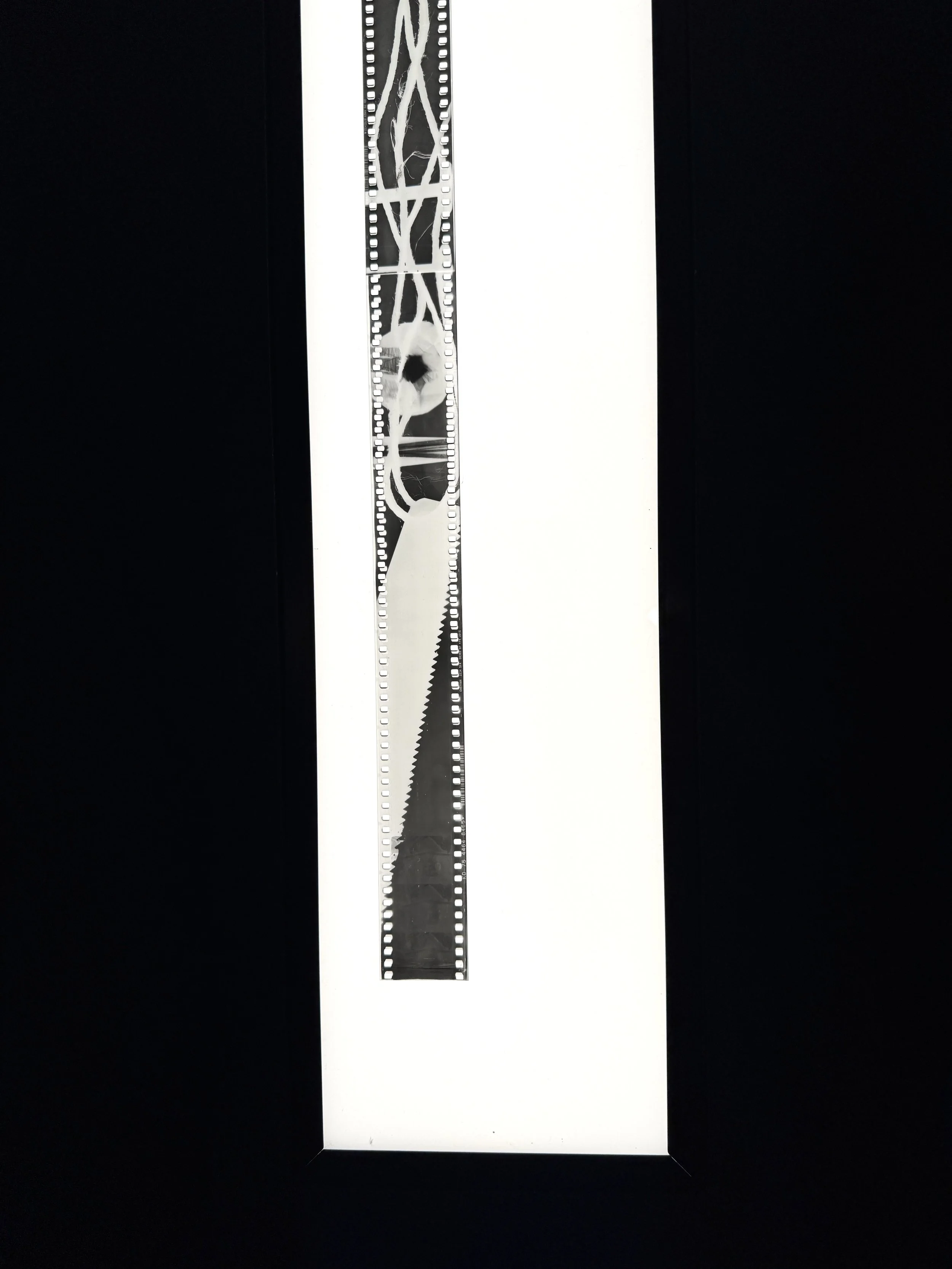
Standing among rayographs, altered negatives, photographs, and objects, I recognized an instinct that had quietly followed me throughout my own practice. Years earlier, while creating a performance, I had drawn directly onto strips of Super 8 film, treating the film itself as a surface rather than simply a vehicle for recording images. I didn’t know then that artists like Man Ray had transformed photography in much the same way—by treating light, chance, and the photographic material itself as collaborators.
Rather than teaching me to experiment, this exhibition gave that instinct a history. It expanded my understanding of photography as a material language—one capable of drawing, construction, abstraction, and invention.
Looking back, it wasn’t a lesson in becoming someone else.
It was the realization that I had already begun.
Yves Saint Laurent and Photography
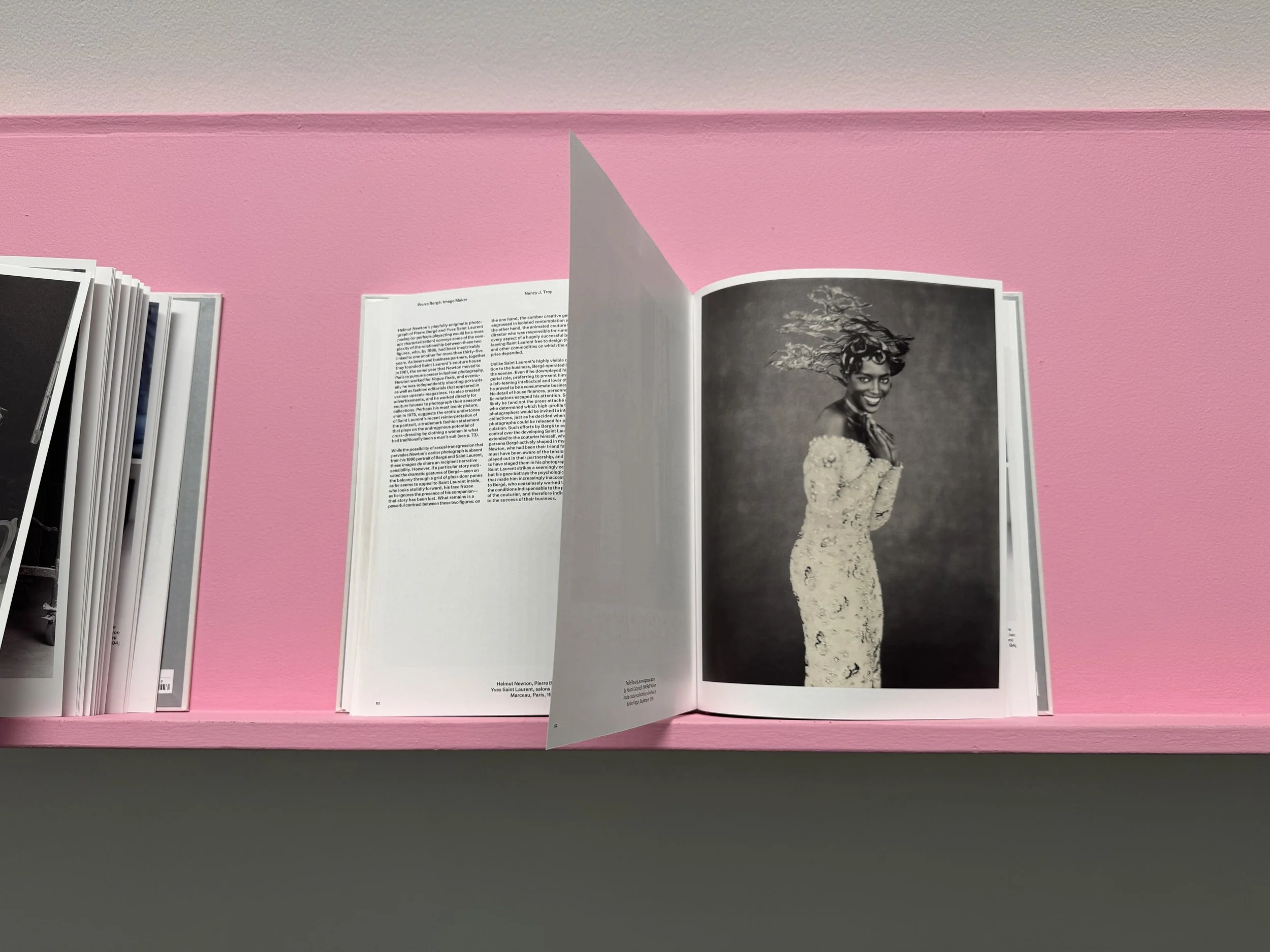
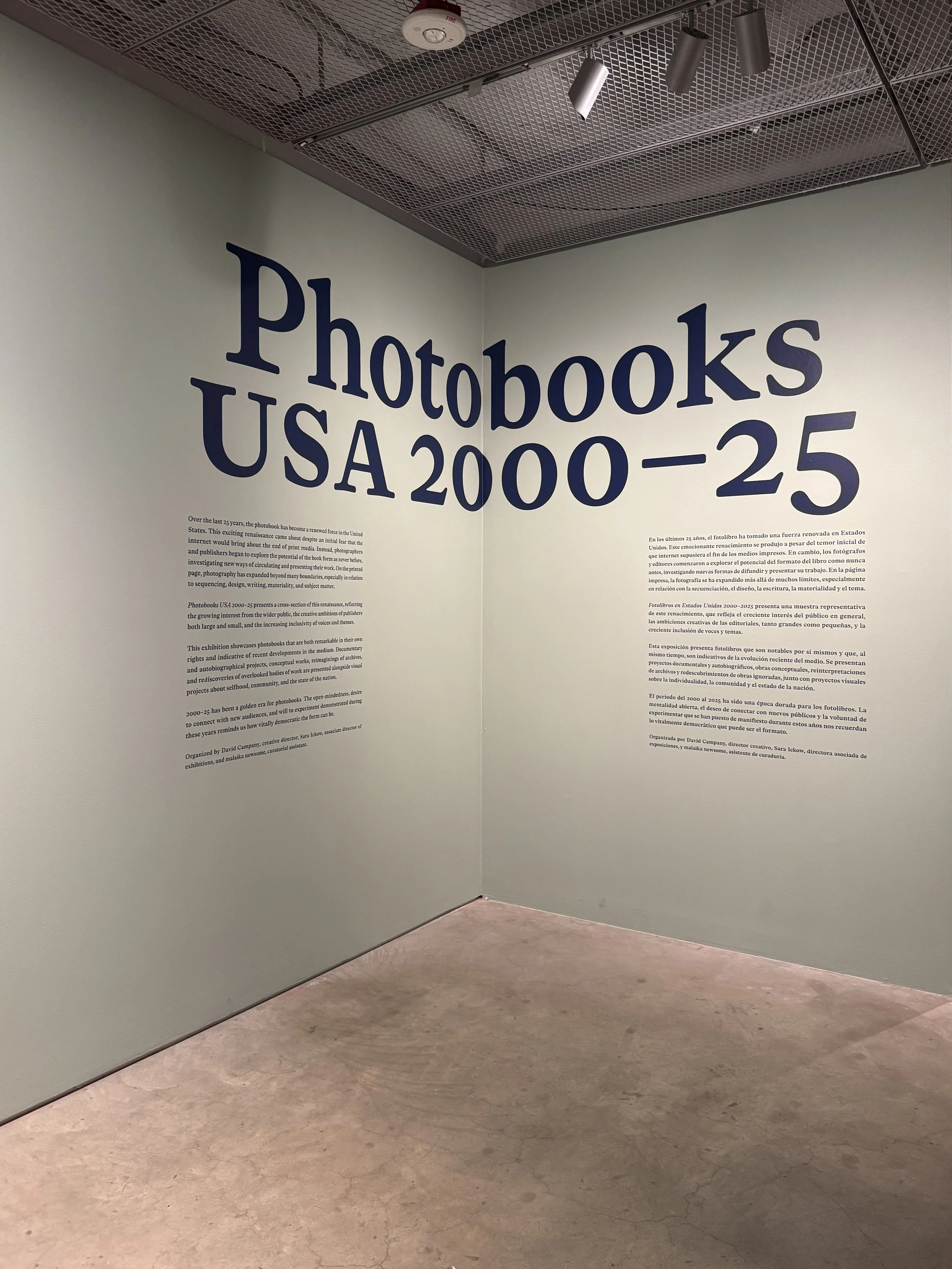
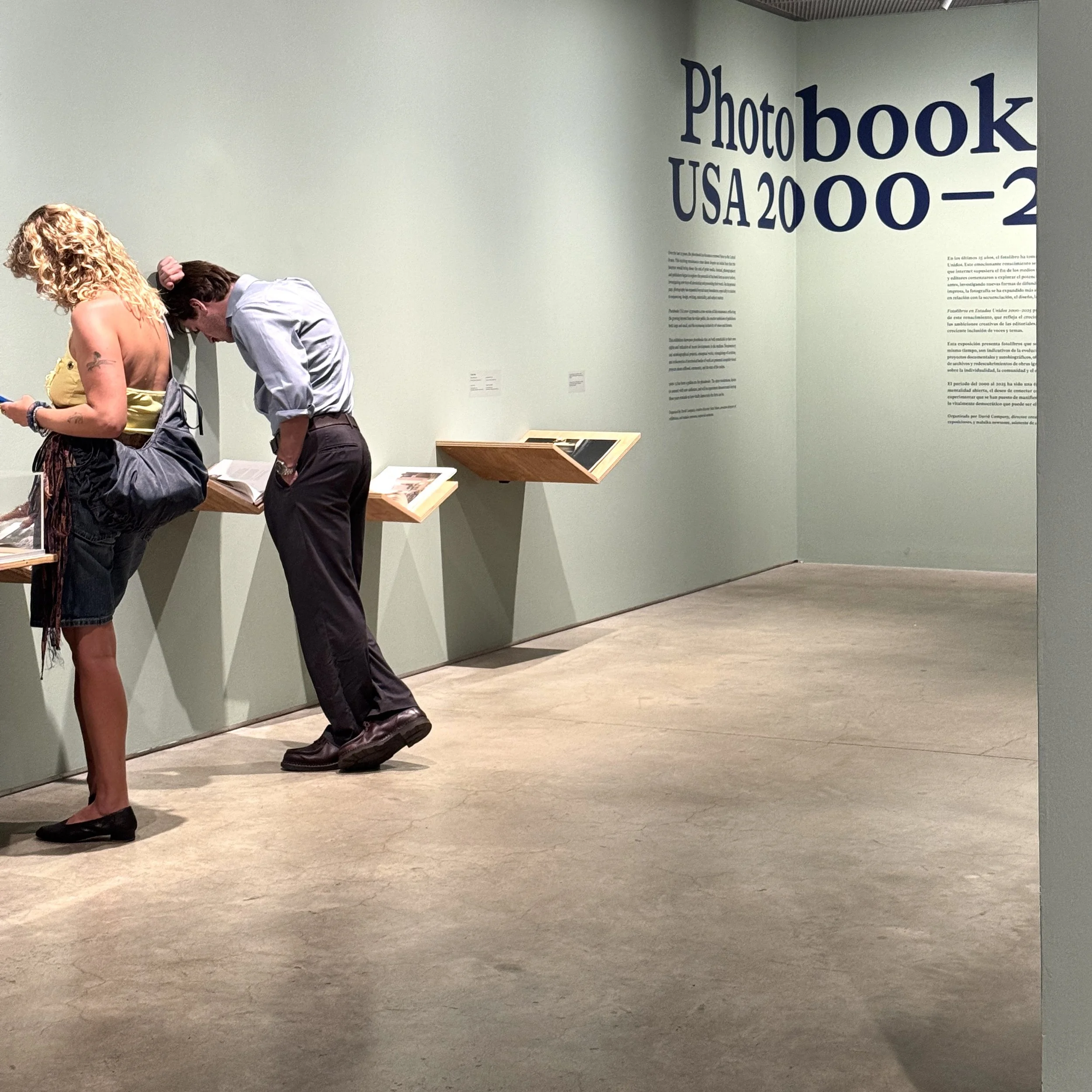
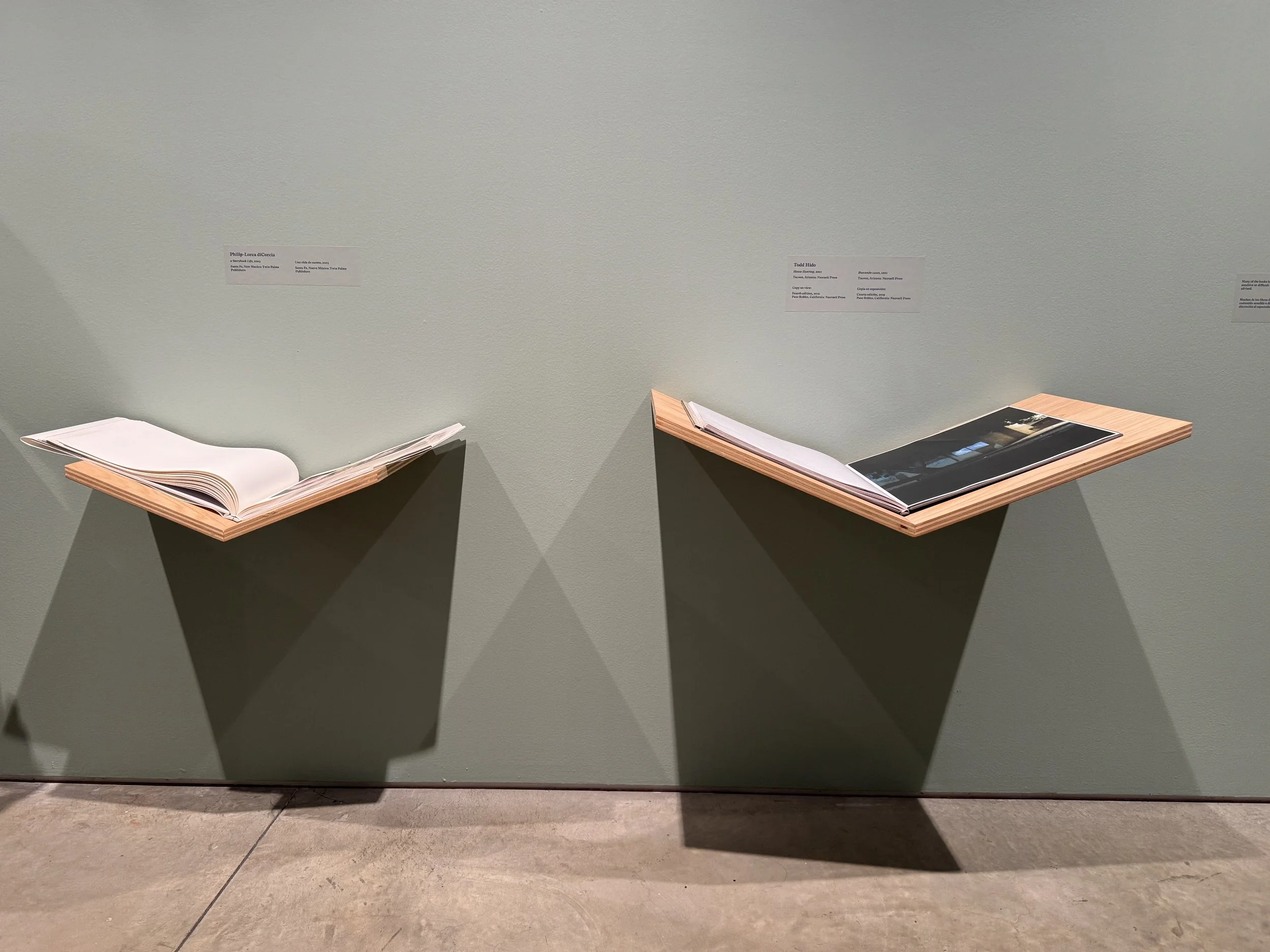
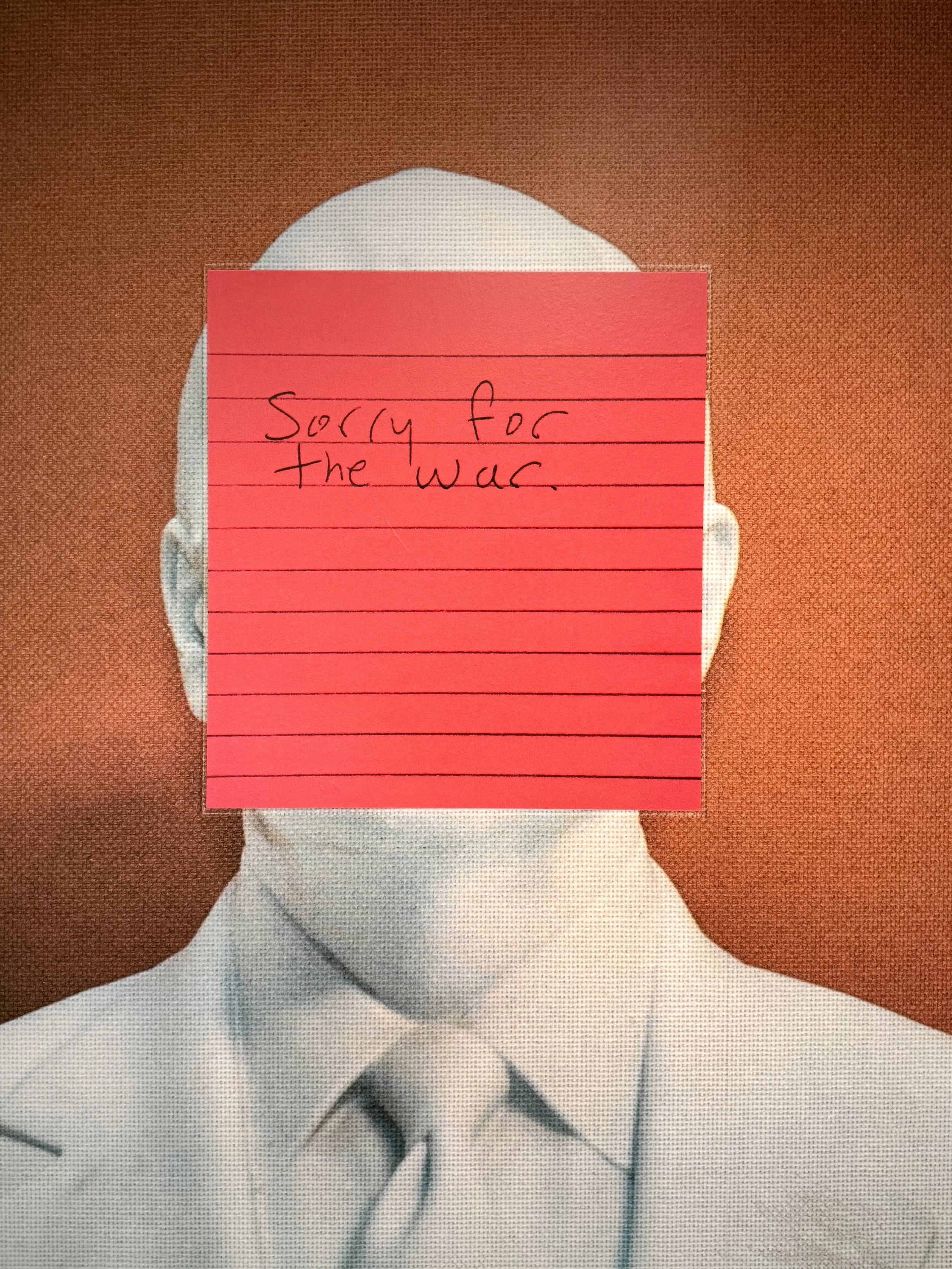
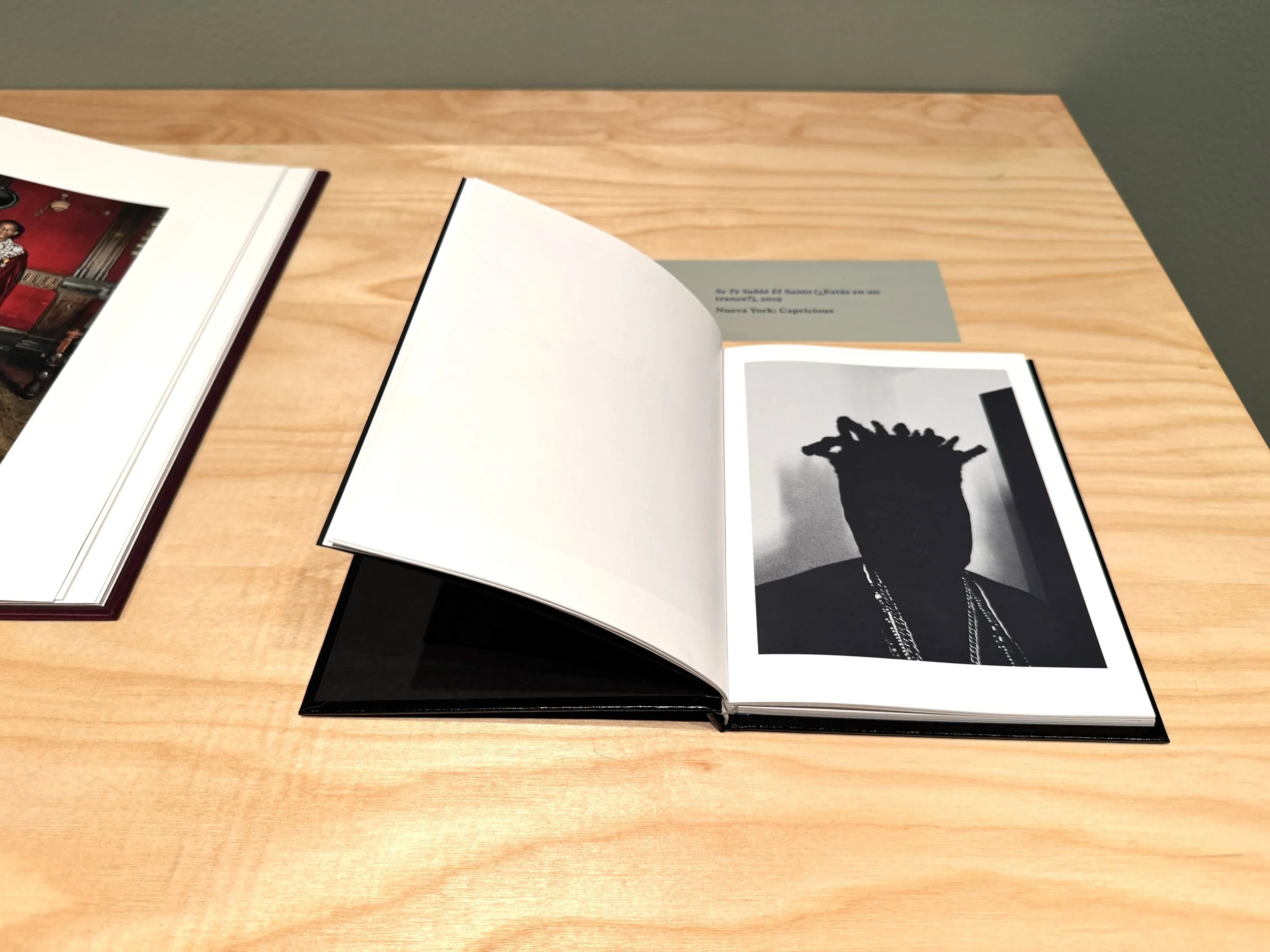
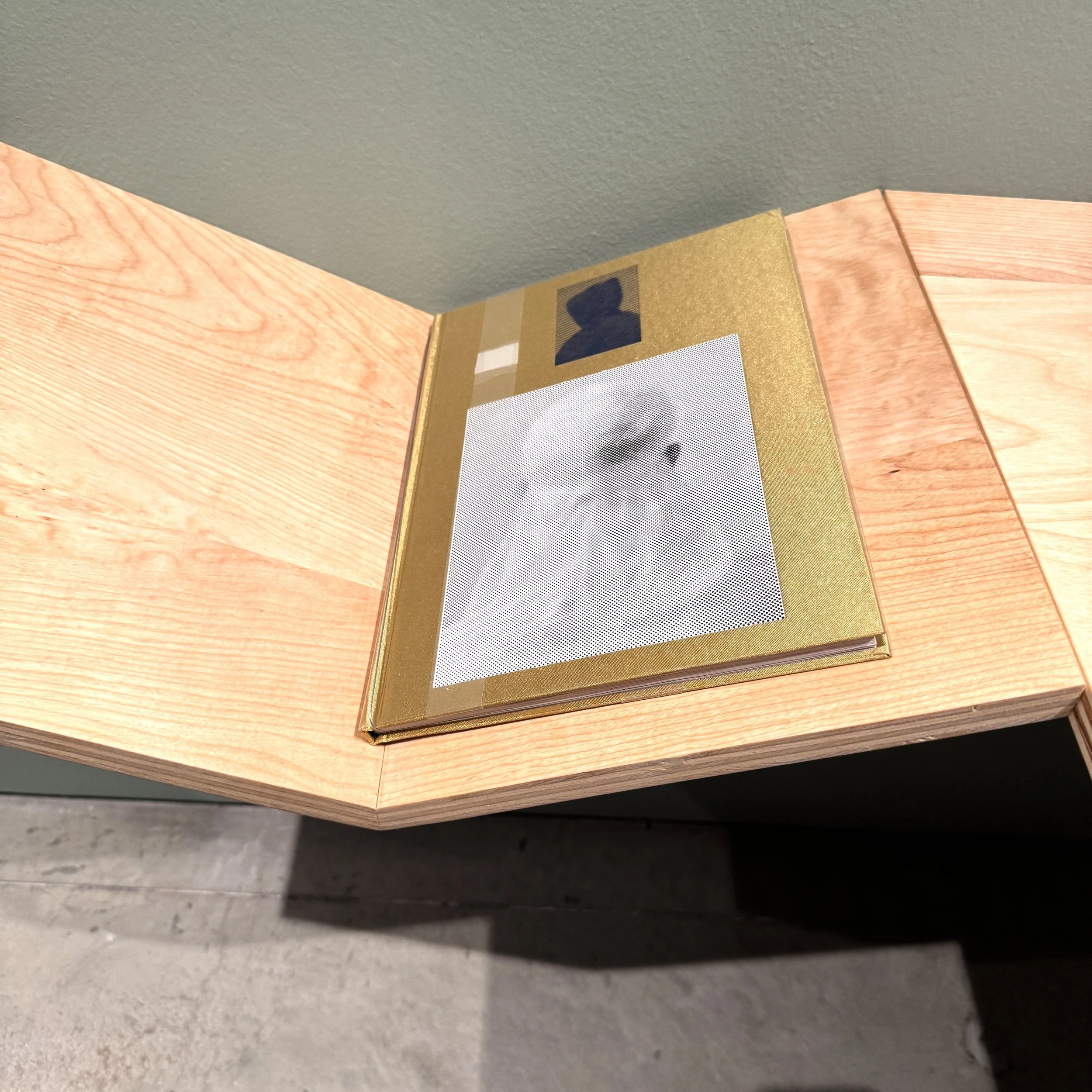
Photobooks USA 2000-25
Photography as Experience
Journal Entry VII
International Center of Photography— July 16, 2026
Walking through these exhibitions, I wasn’t simply looking at photographs. I was moving through different ways that photographs can exist in the world.
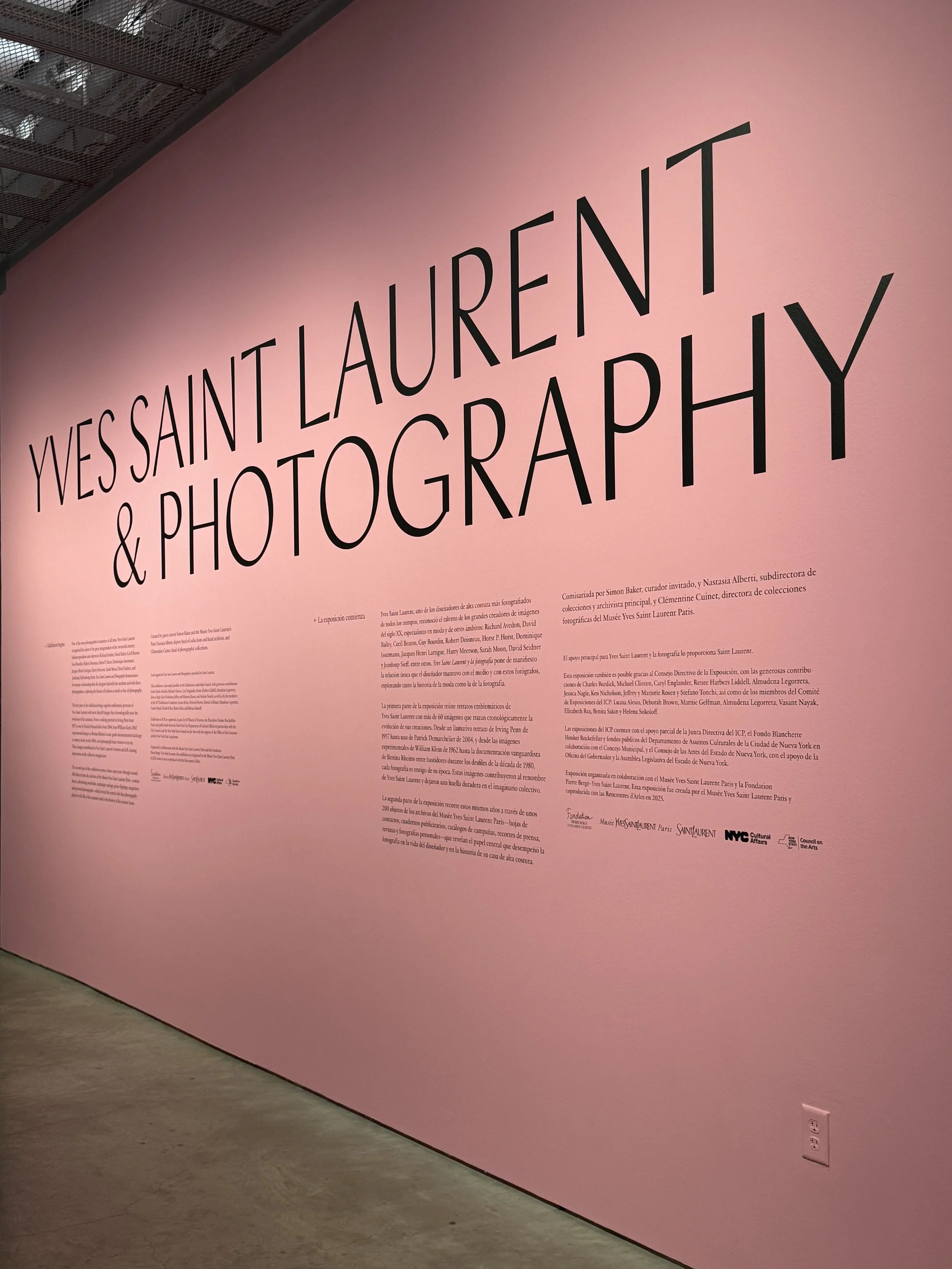
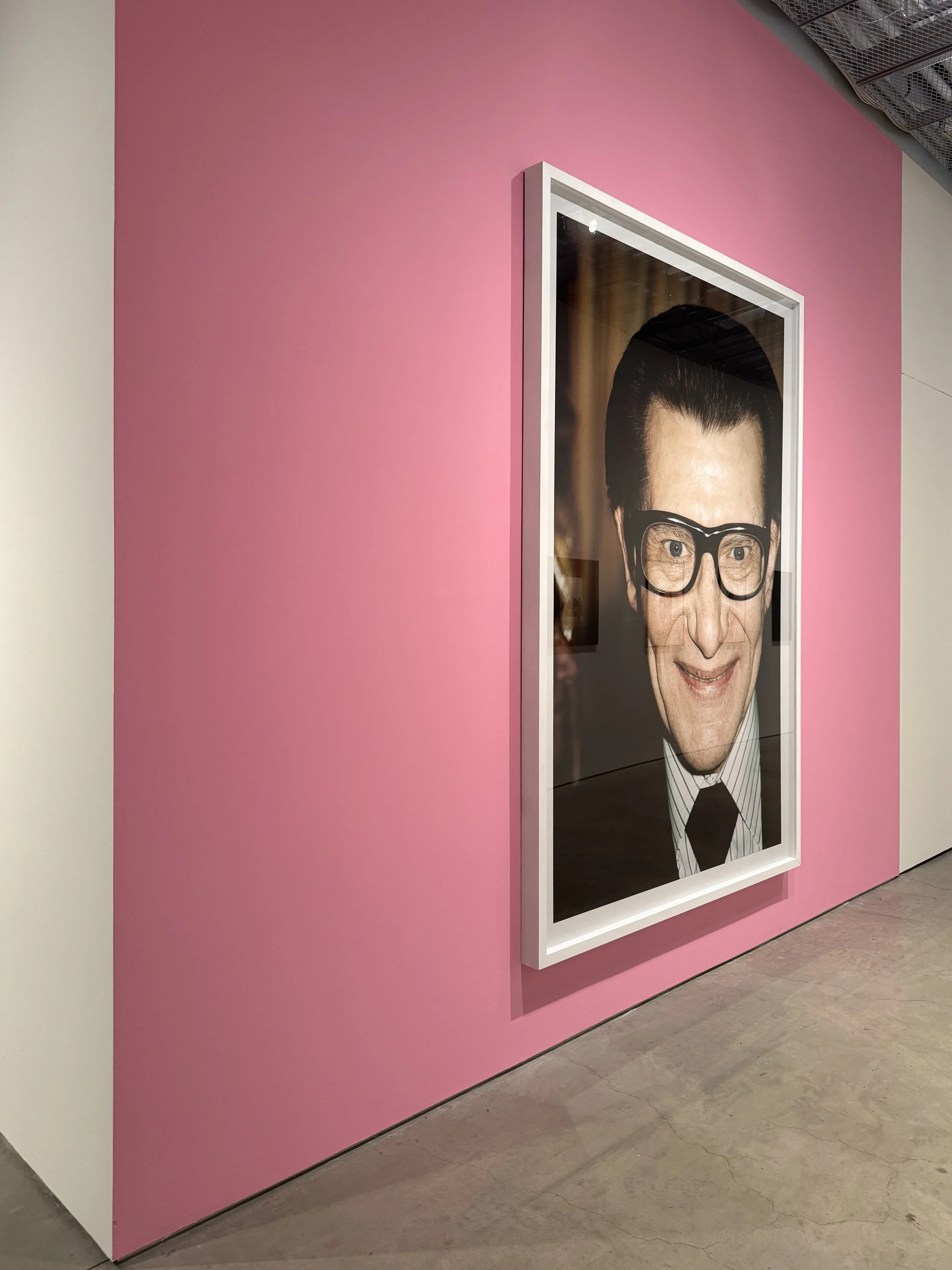
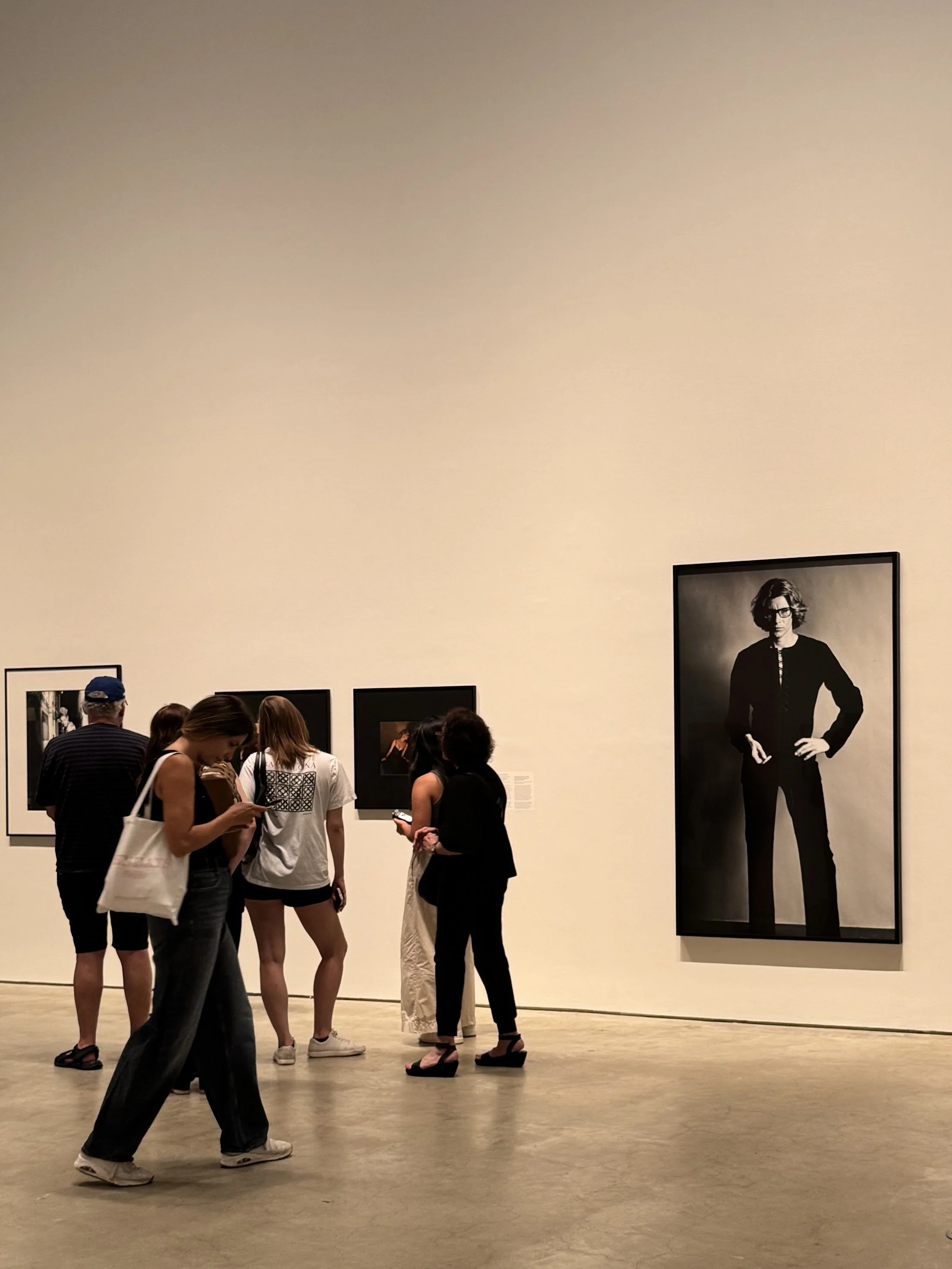
Yves Saint Laurent and Photography explored the photograph as performance, collaboration, image, and cultural artifact. Photobooks
Photobooks USA 2000–25 shifted the conversation toward sequencing, design, publication, and the book as an artistic medium. Together, they expanded photography beyond the single frame.
What surprised me most was how familiar that expansion already felt.
Over the past year, my own practice has gradually moved away from treating photographs as isolated objects. The work has become increasingly editorial—built through sequences, pacing, typography, archive, and relationships between images rather than individual pictures alone.
Leaving the museum, I realized I wasn’t simply inspired by what I had seen. I recognized a language I had already begun speaking.
The exhibitions didn’t redirect the practice.
They gave me a clearer understanding of where it had already arrived.
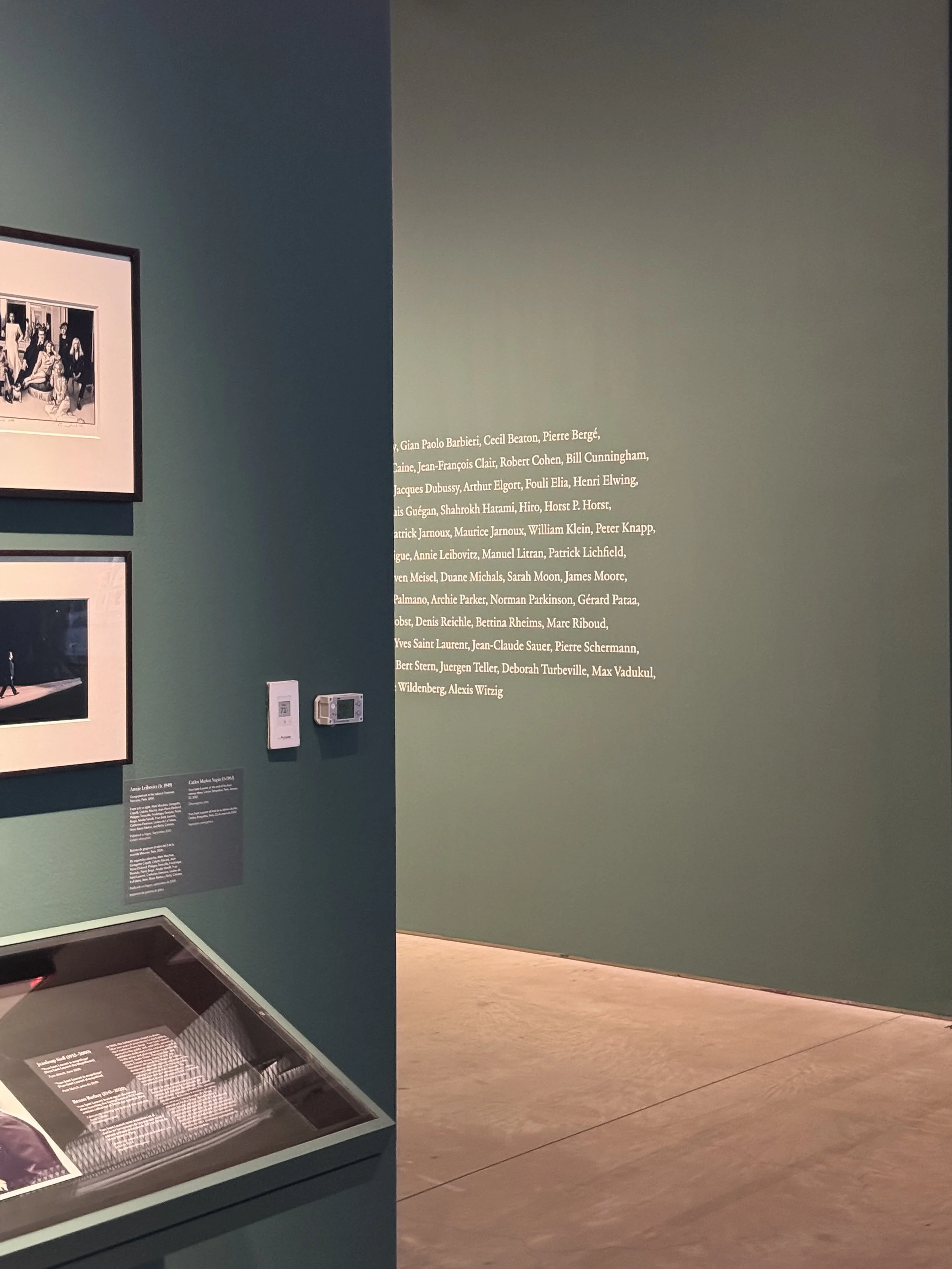
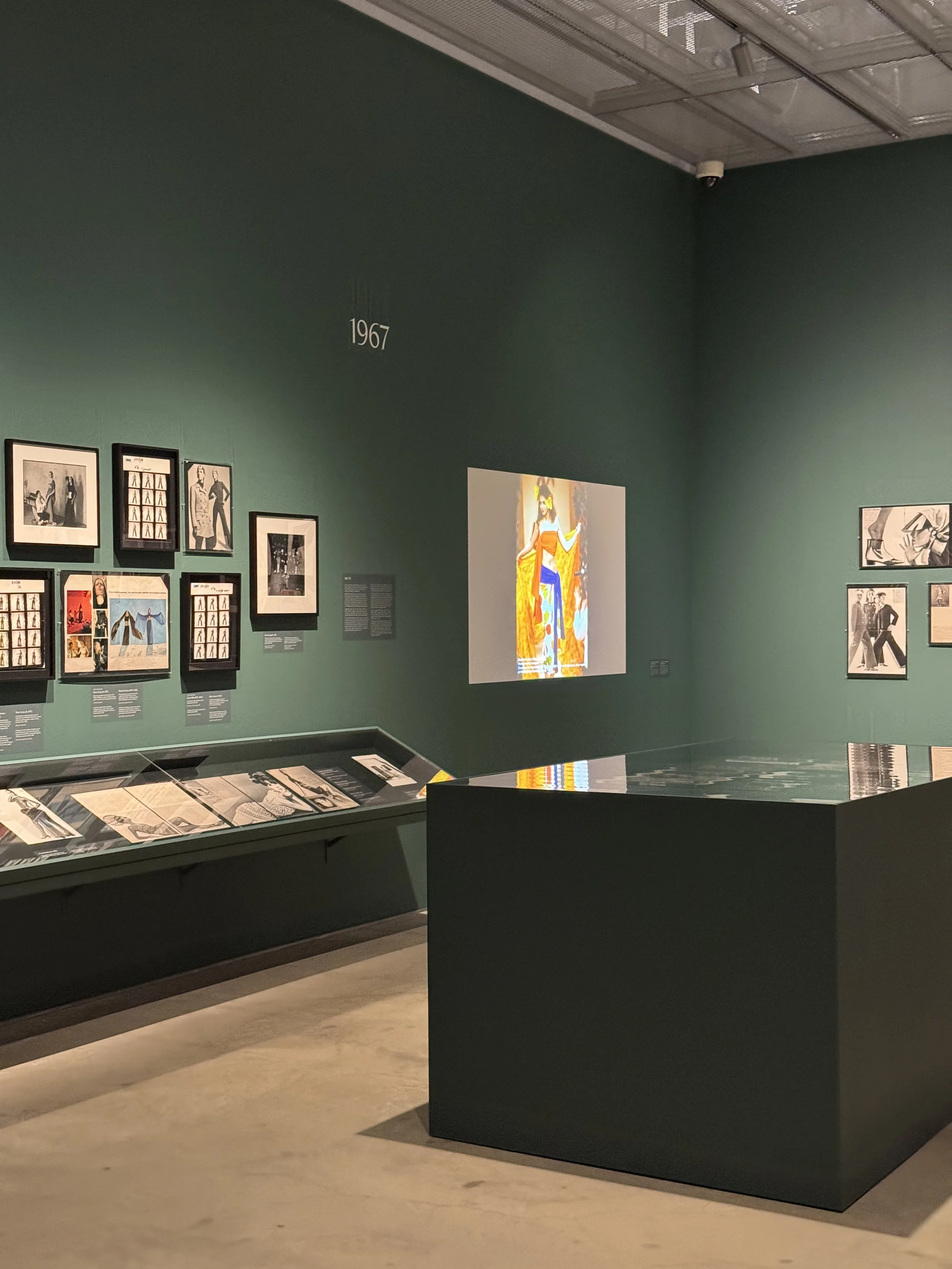
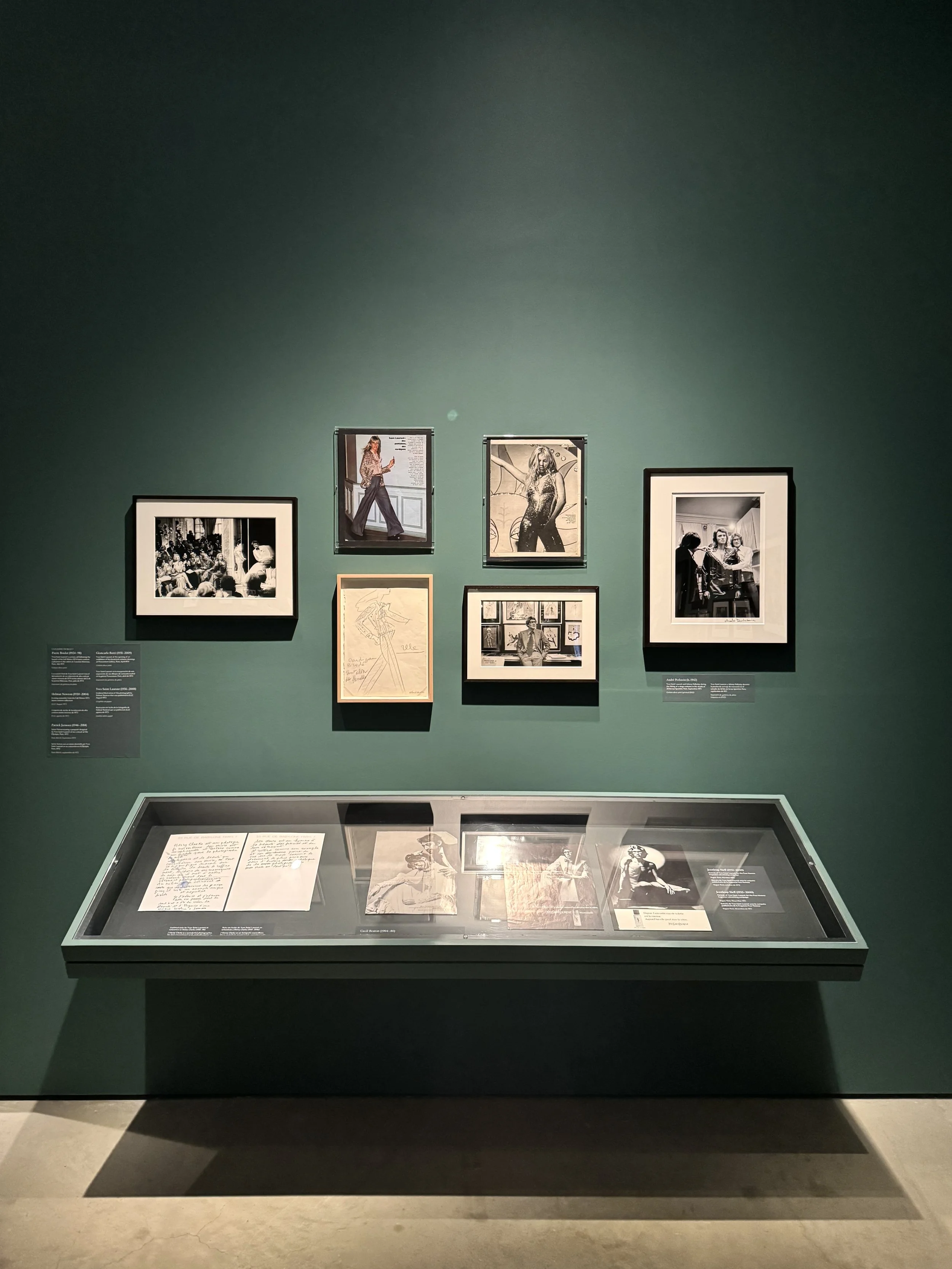
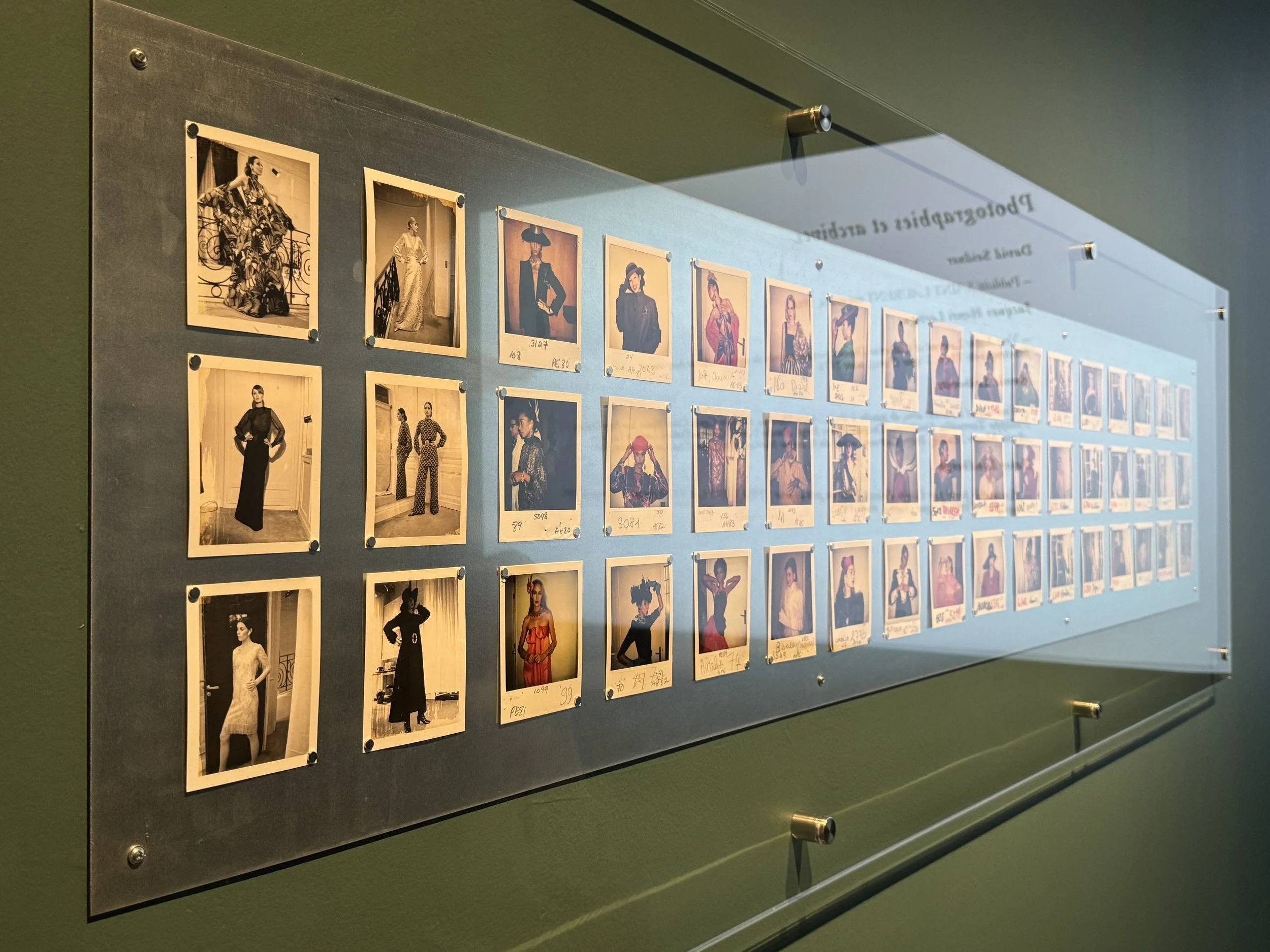
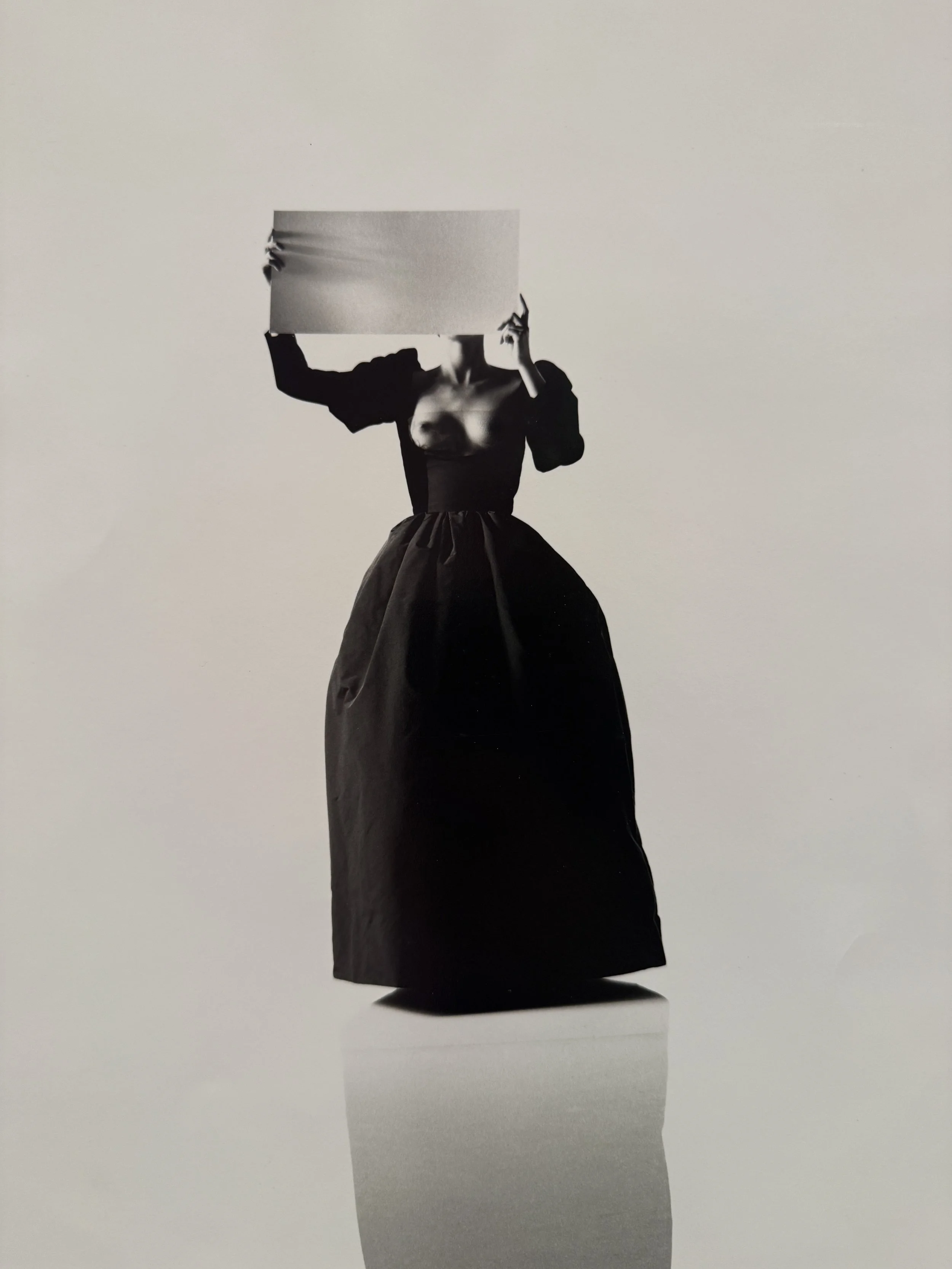
Yves Saint Laurent and Photography
Photobooks USA 2000-25
Learning to Make Differently
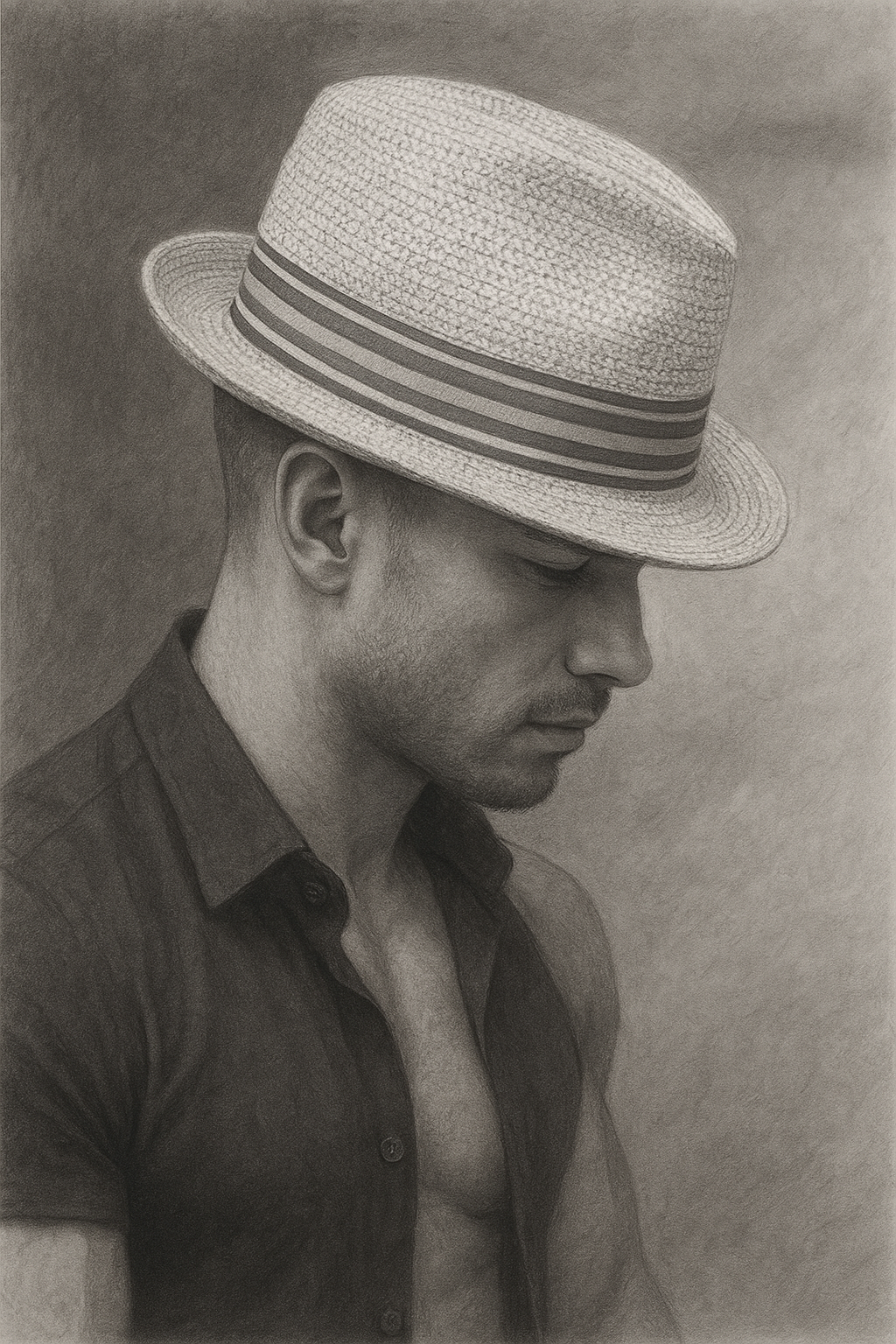
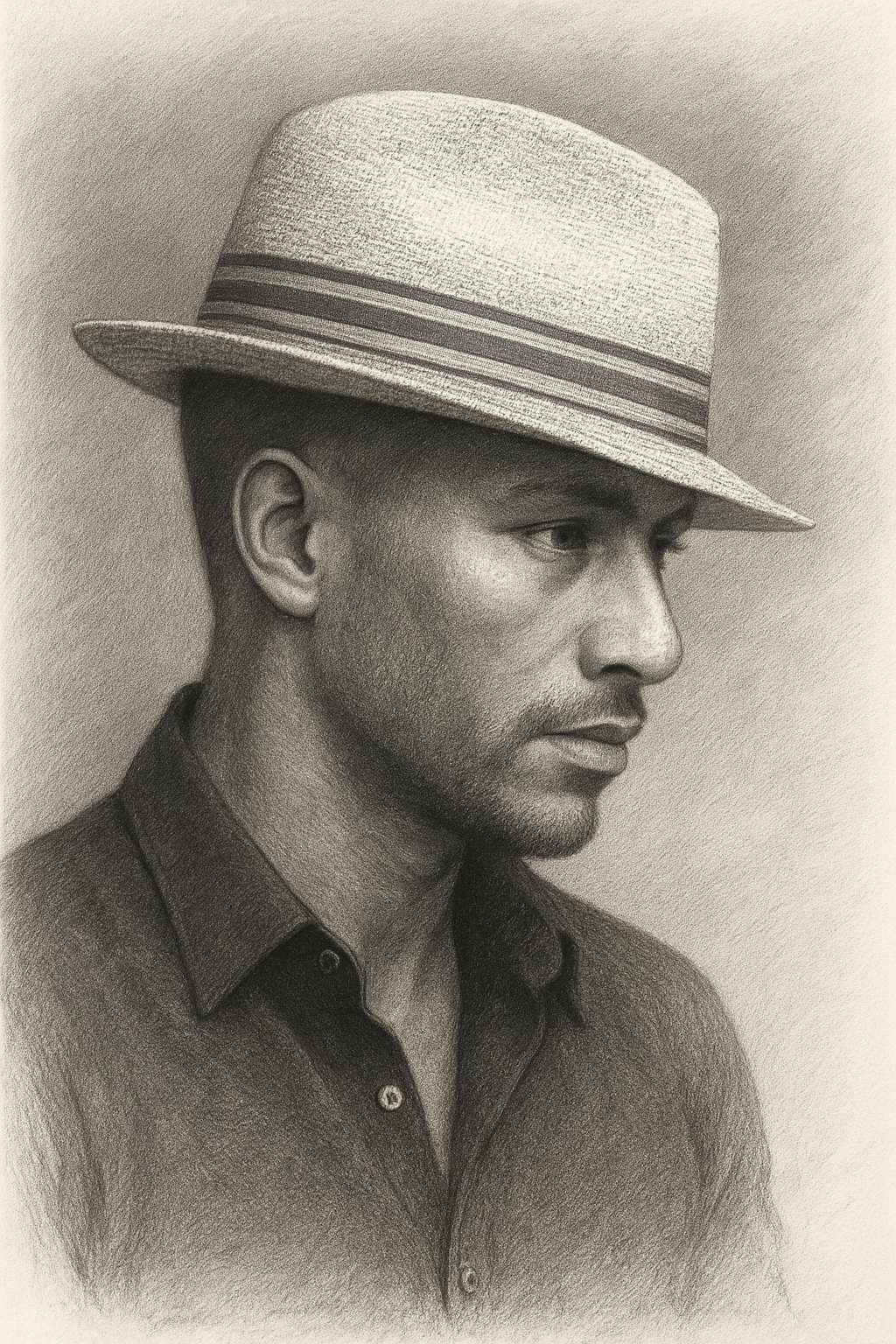
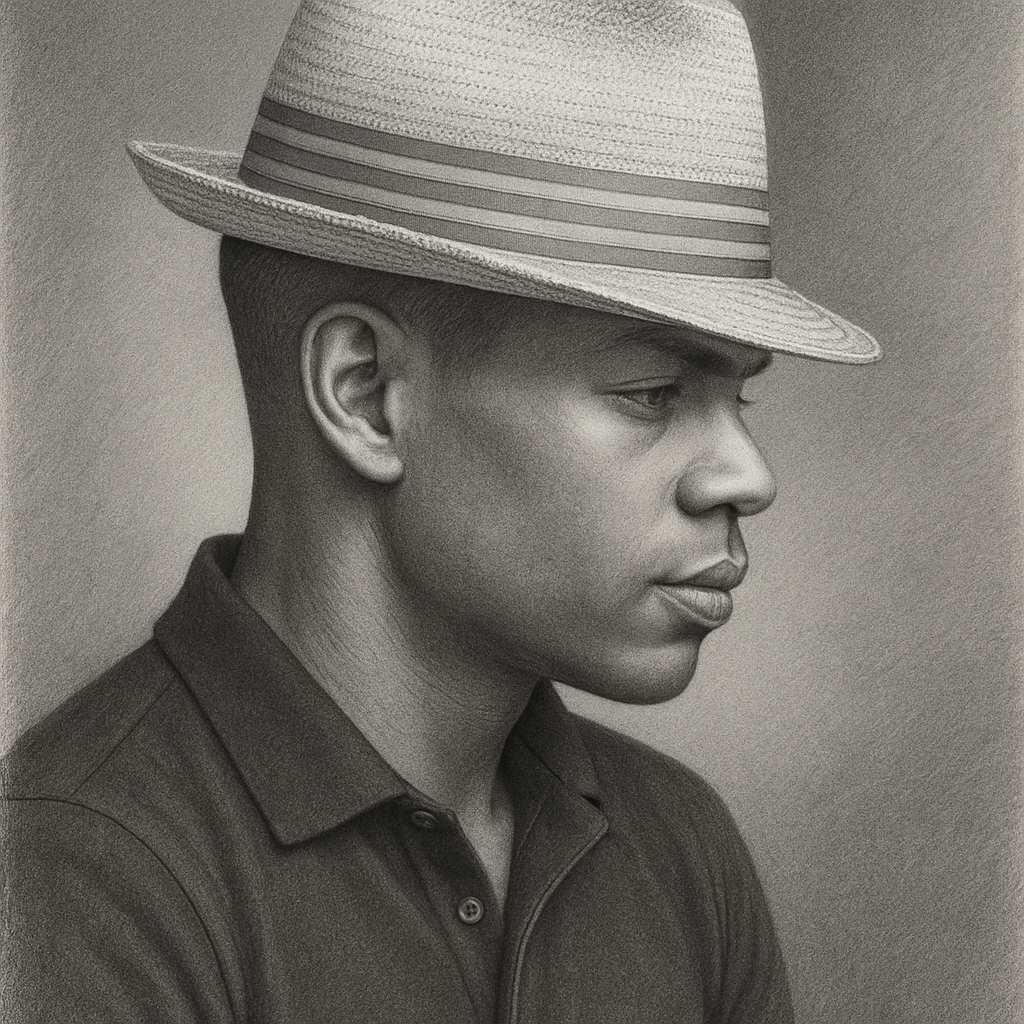
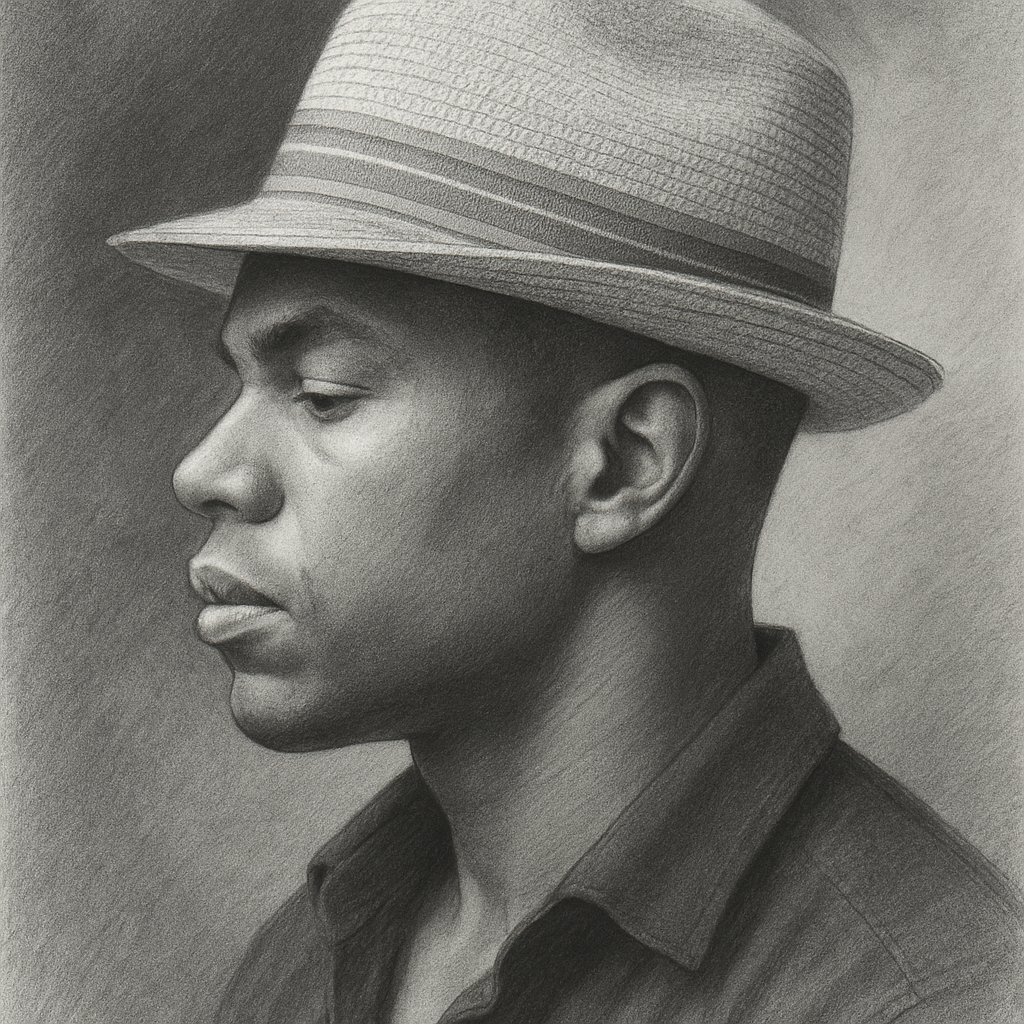
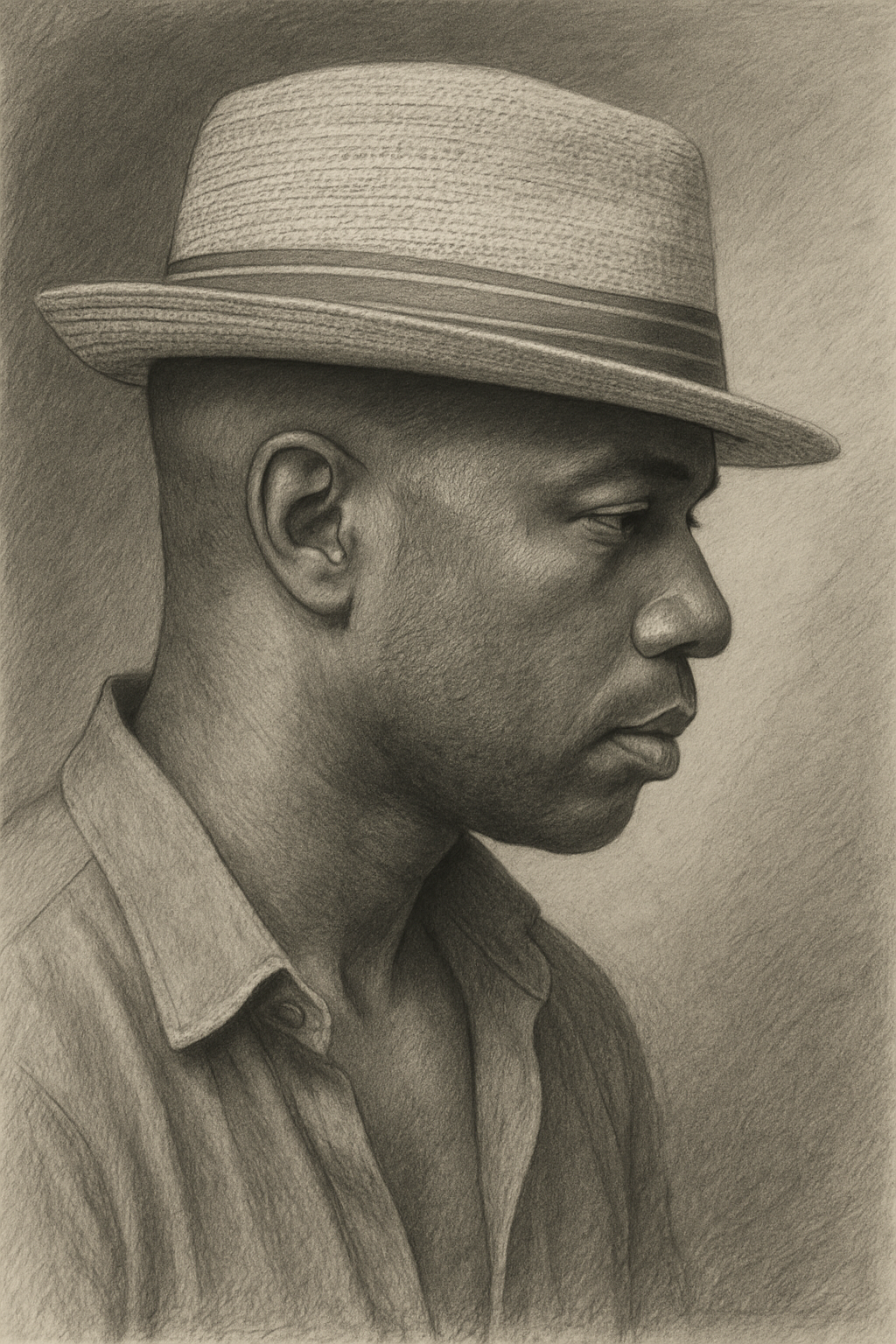
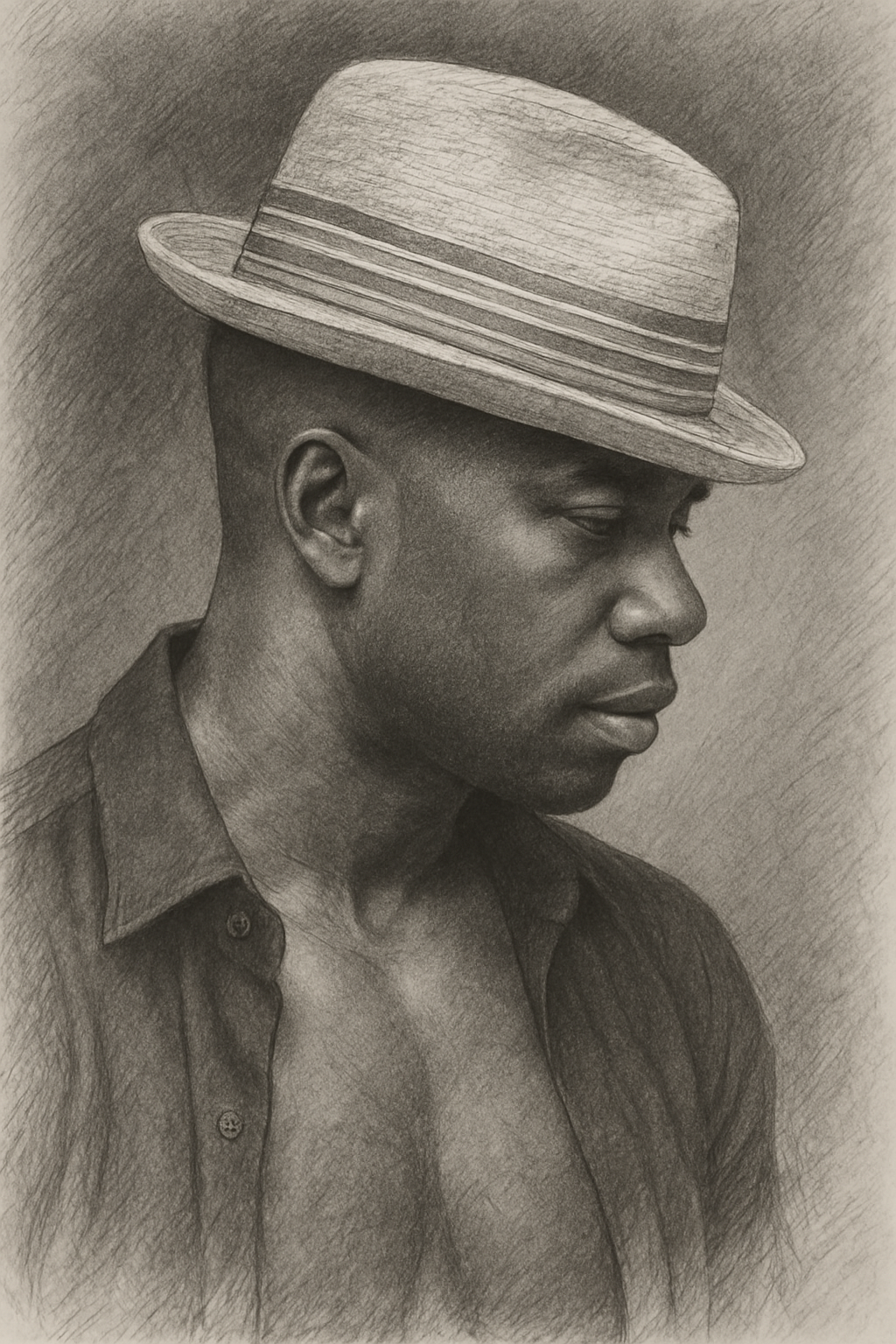
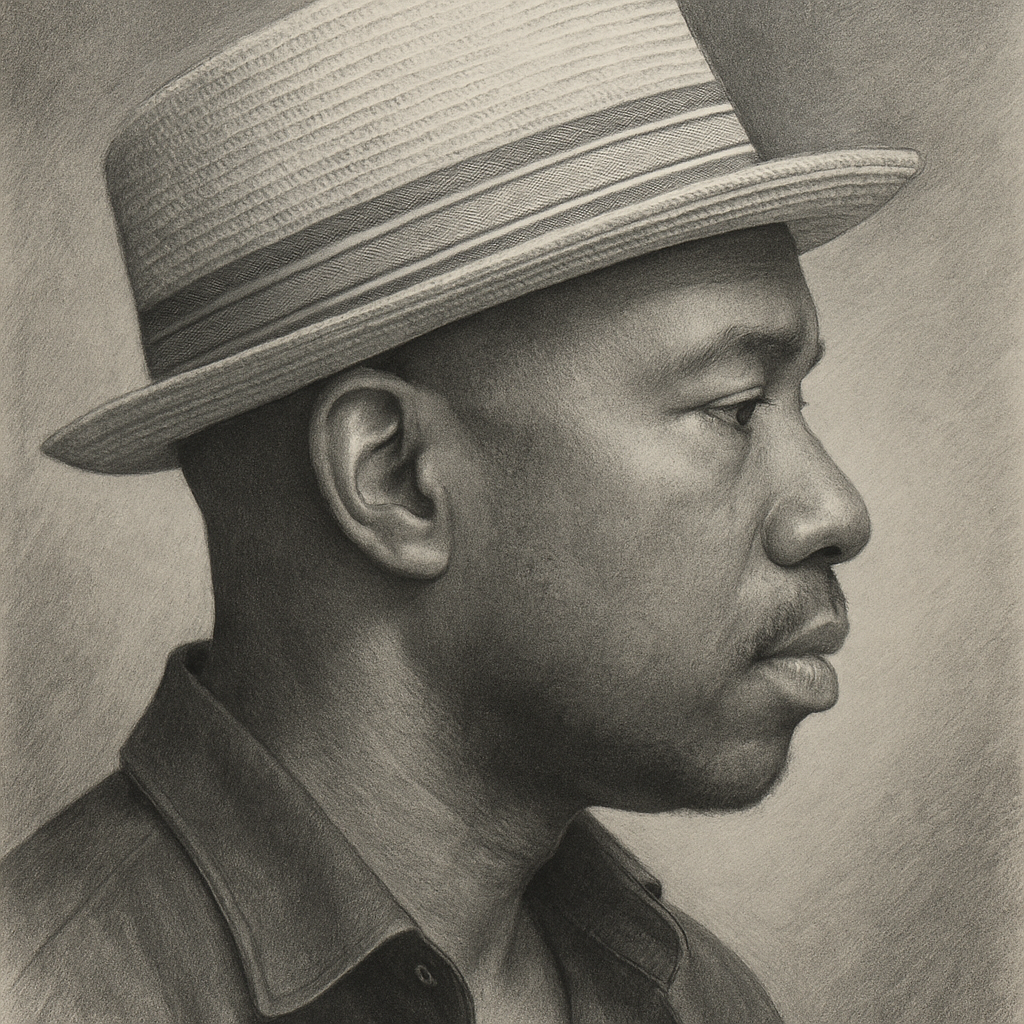
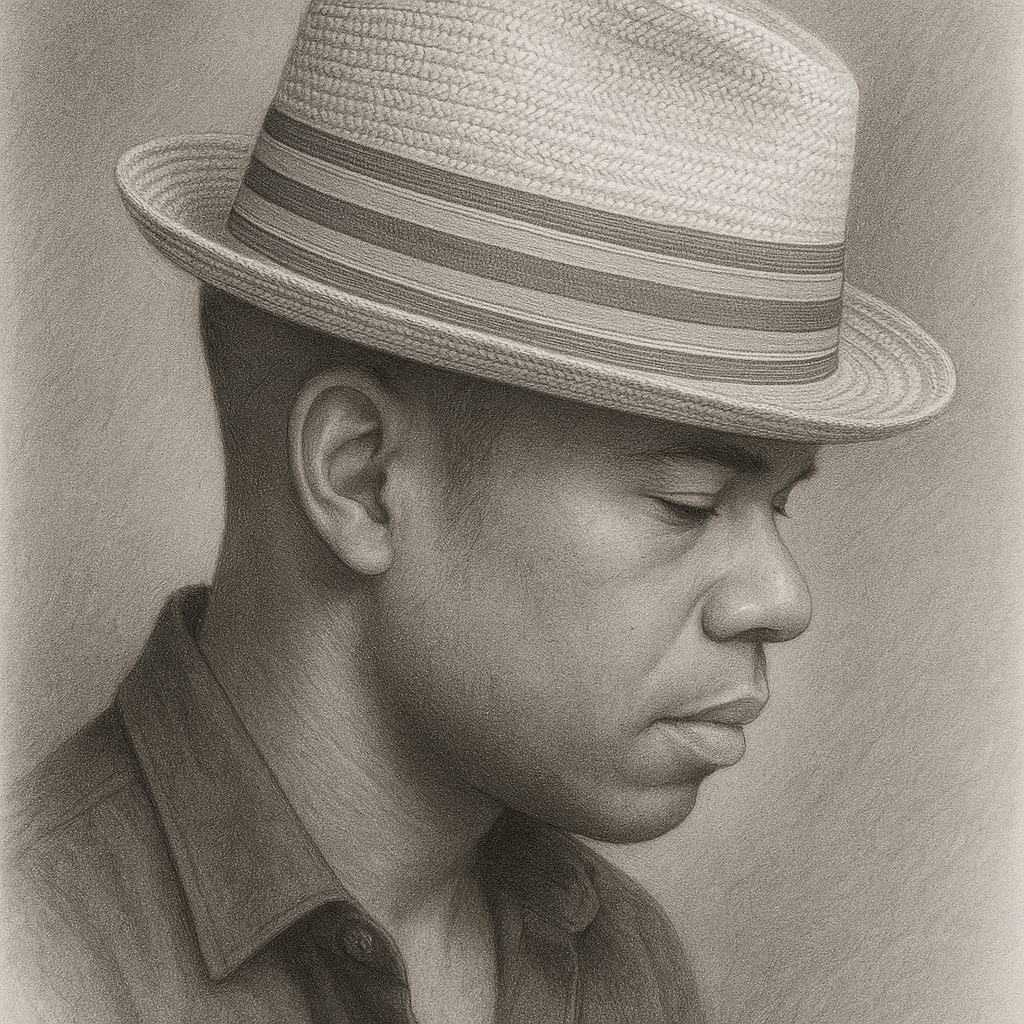
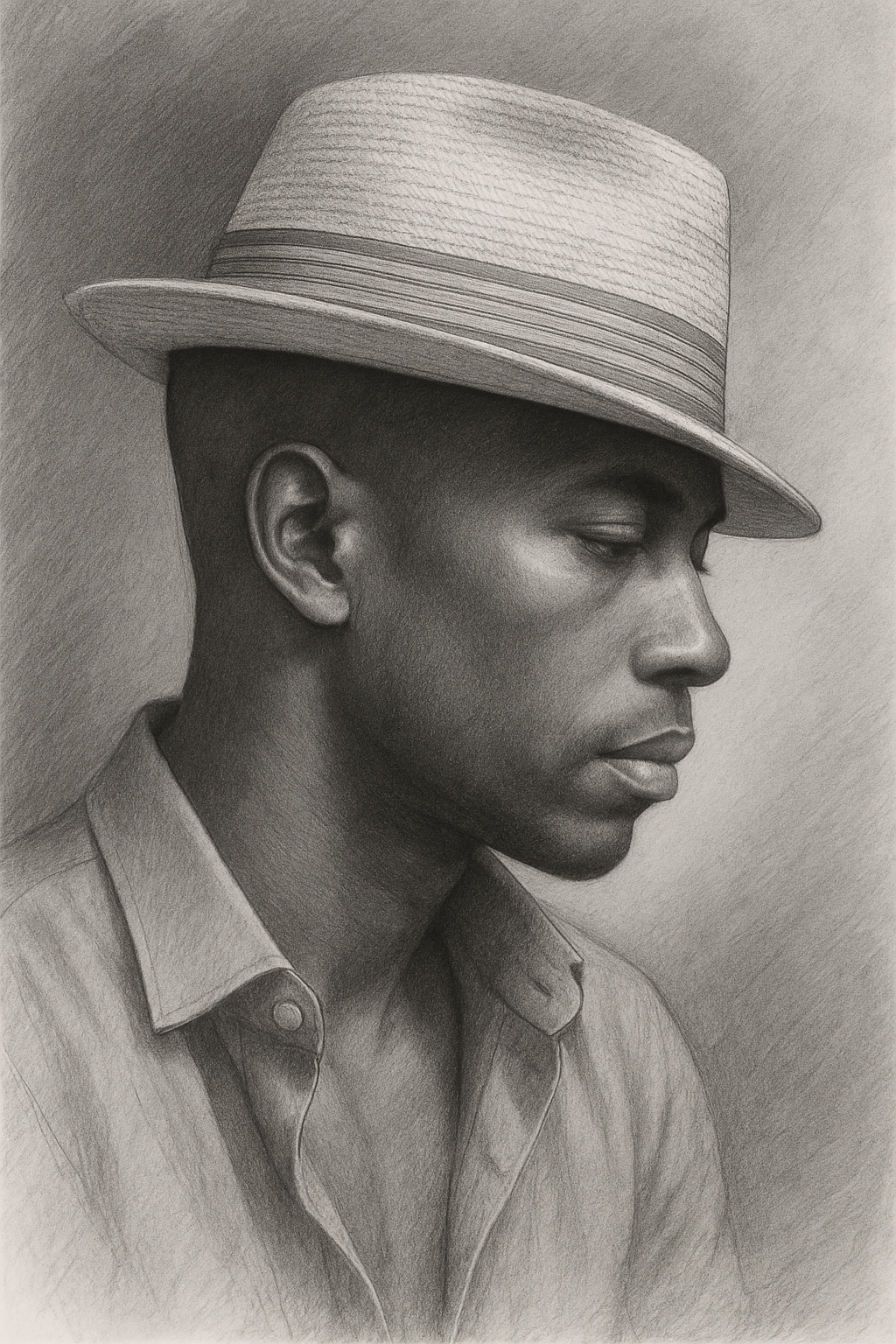
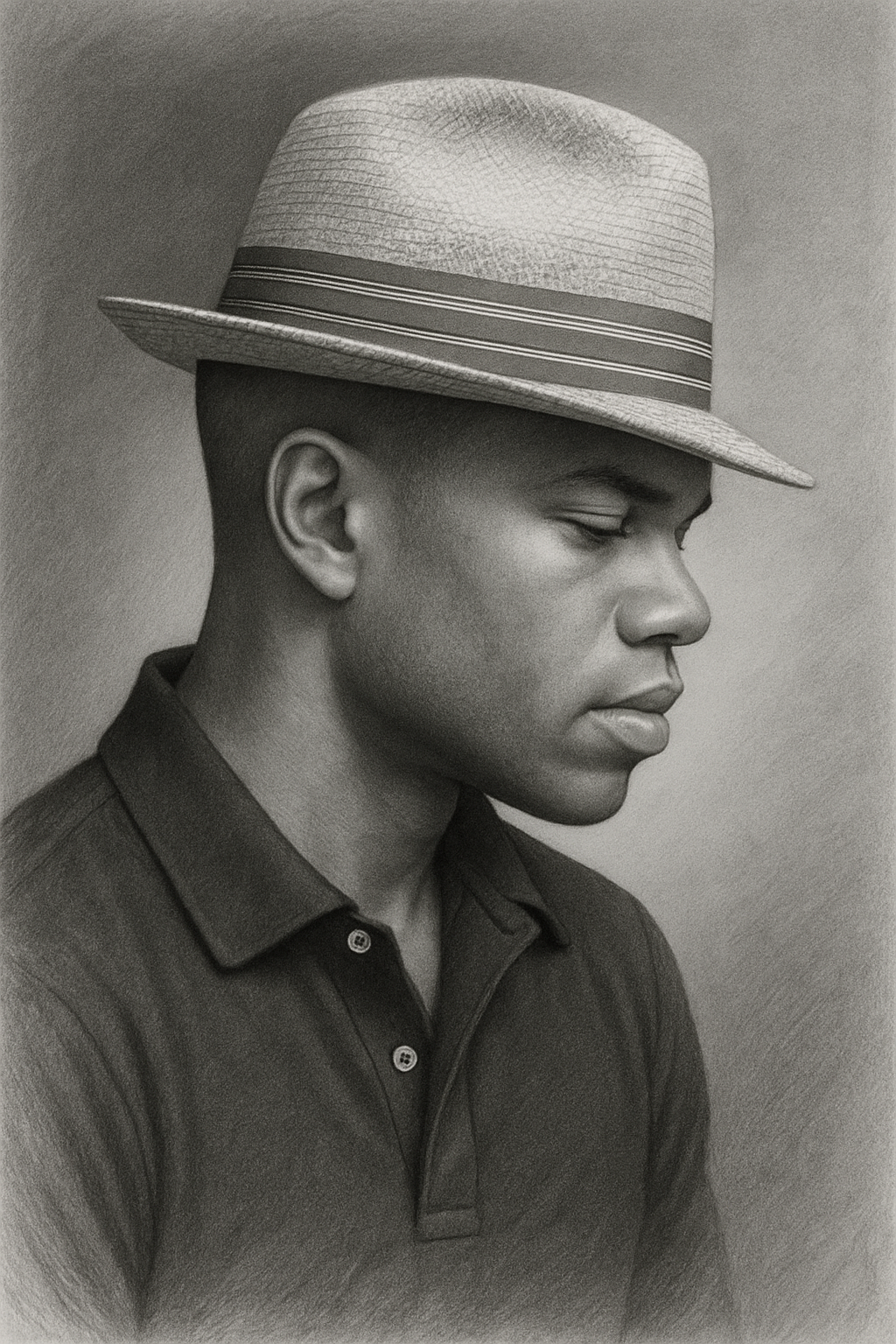
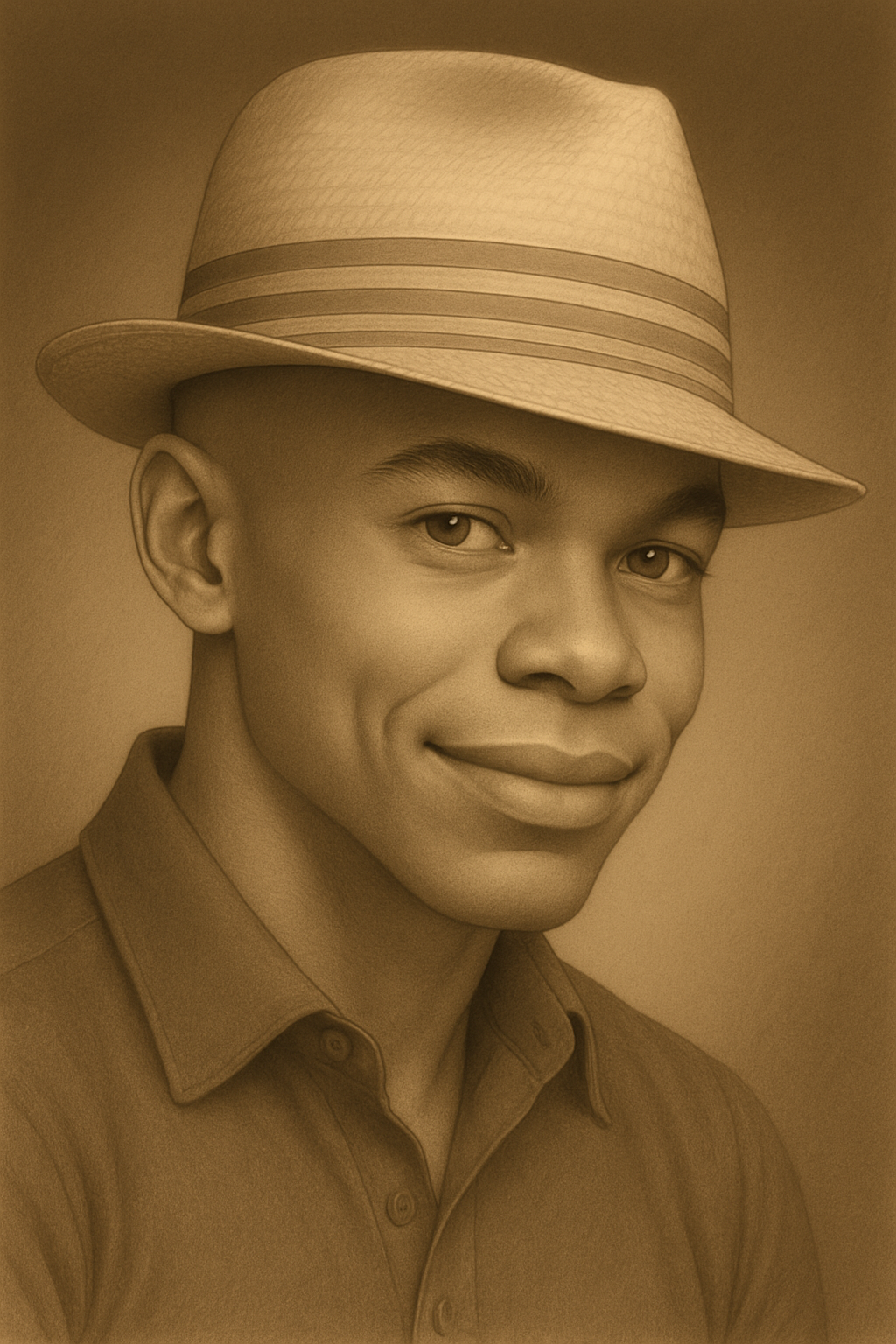
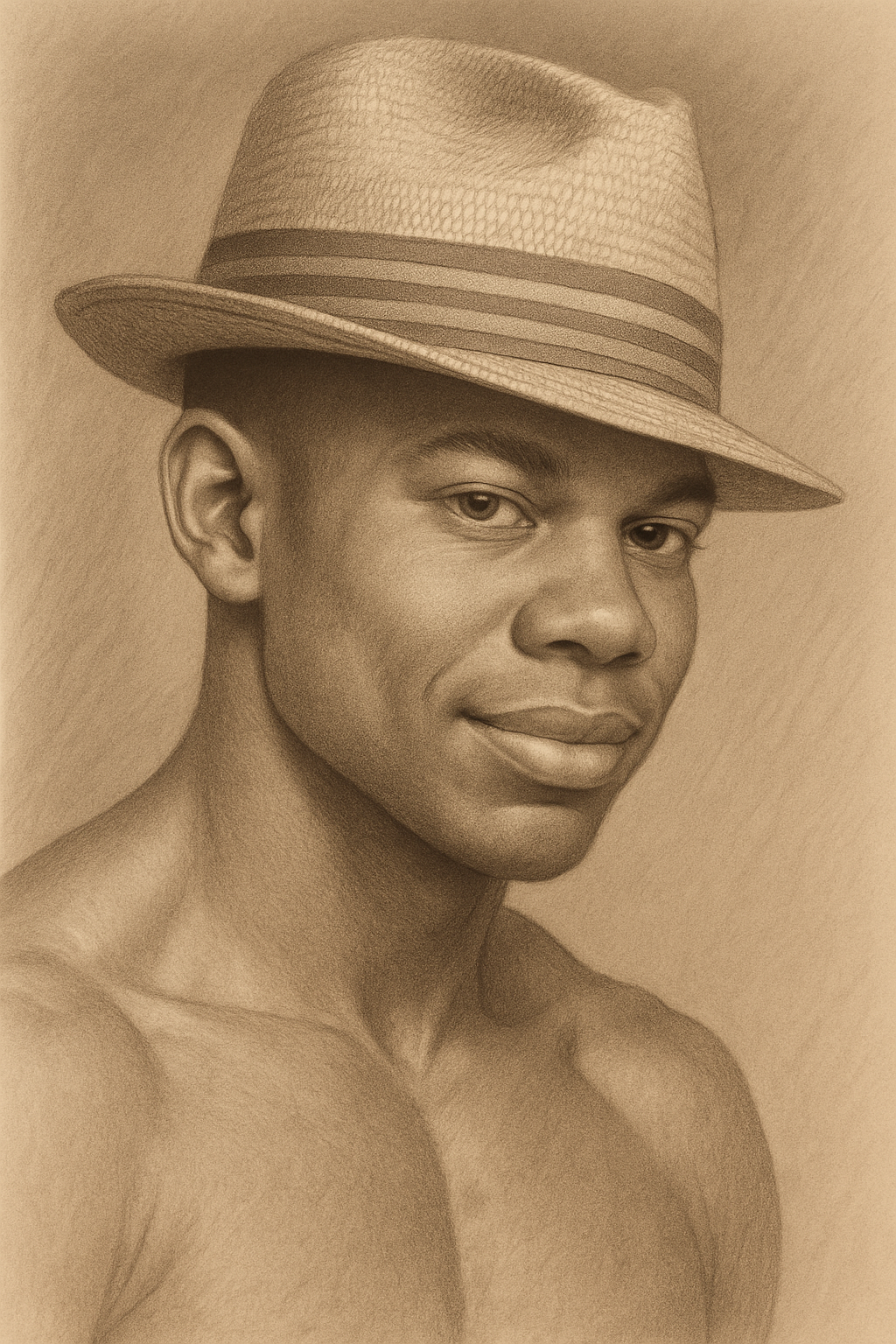
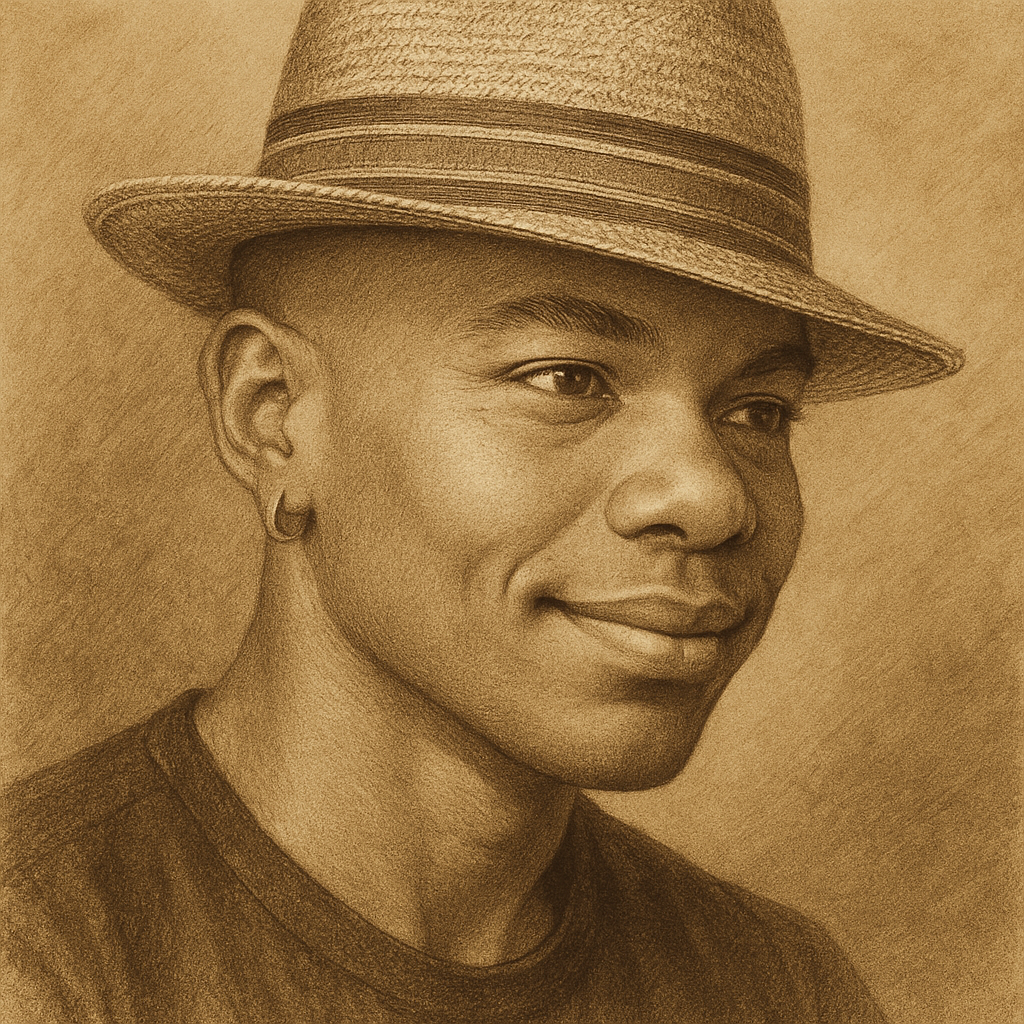
On October 14, of 2025, I began experimenting with artificial intelligence—not as a replacement for drawing, but as another way of thinking through images.
I approached the process the same way I would approach a graphite portrait: gathering reference photographs, studying anatomy, testing viewpoints, and refining the work through repeated iterations. Rather than accepting the first convincing result, I continued directing the process until the likeness, structure, and visual language began to resemble my own.
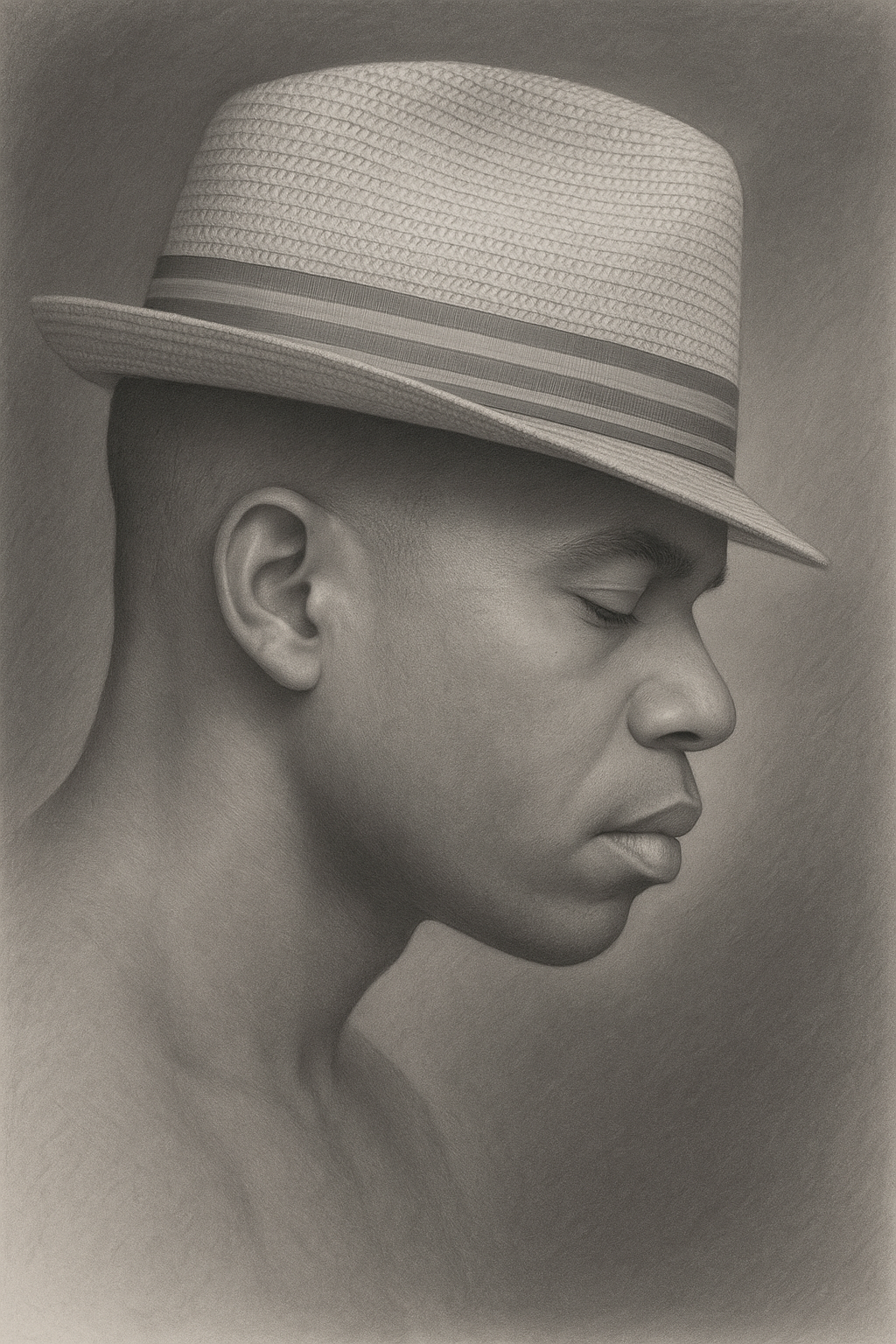
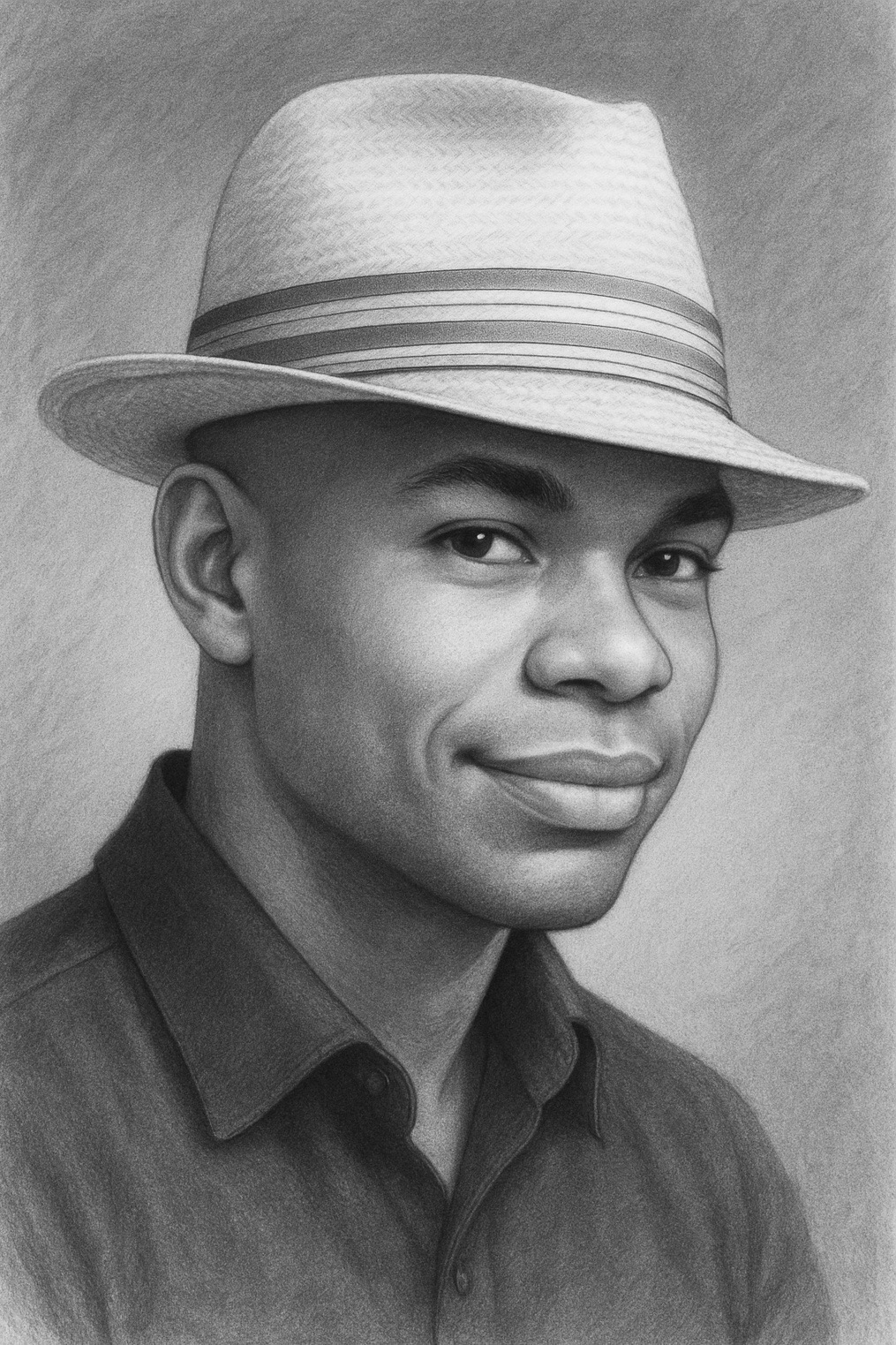
The earliest iterations frequently failed to recognize me, producing inaccurate ages, body types, and even racial identity. The process became one of sustained direction rather than passive generation. More than thirty iterations gradually moved the portrait toward something that reflected both my appearance and, more importantly, the graphite language I was trying to build.
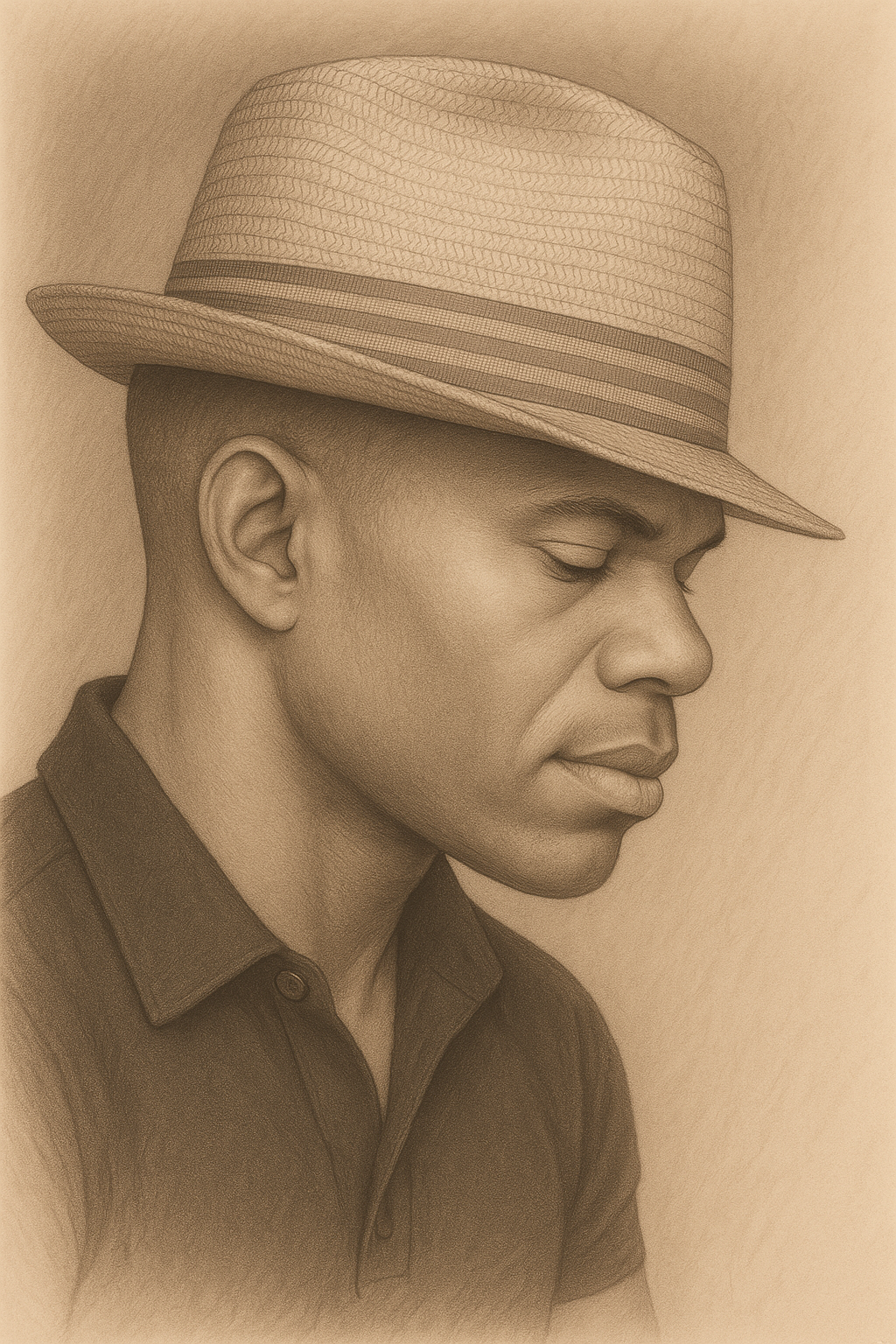
The portrait that emerged was never intended to be the finished work. It became another reference—a constructed image that could be studied, questioned, and ultimately translated back into graphite.
What interested me most was not the technology itself, but what it revealed about authorship. The process demanded observation, editorial judgment, persistence, and a clear sense of intent. I wasn’t asking a machine to make the work for me. I was learning how to direct a new tool without abandoning the instincts I had already developed as an artist.
The pages that follow document that process: the source photographs, the evolving iterations, and the conversations that shaped the final image. Together, they mark the moment I realized that making had changed—not because drawing had become less important, but because the path leading back to it had expanded.
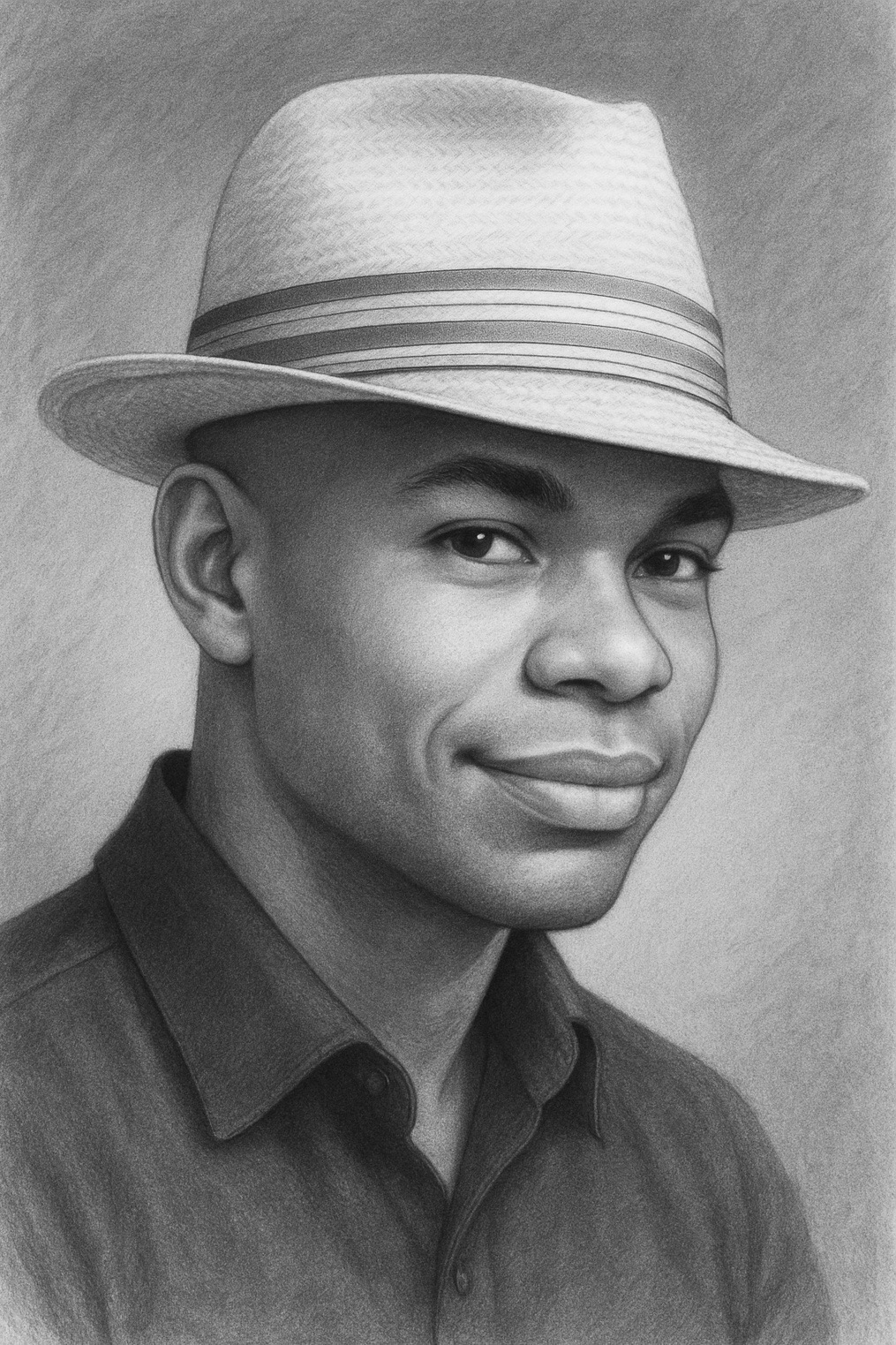

The portrait shown above was the beginning, not the conclusion. The contact sheet below documents the photographic references that informed it. What follows are the questions, observations, and iterative decisions that transformed those references into a portrait I wanted to continue working from.
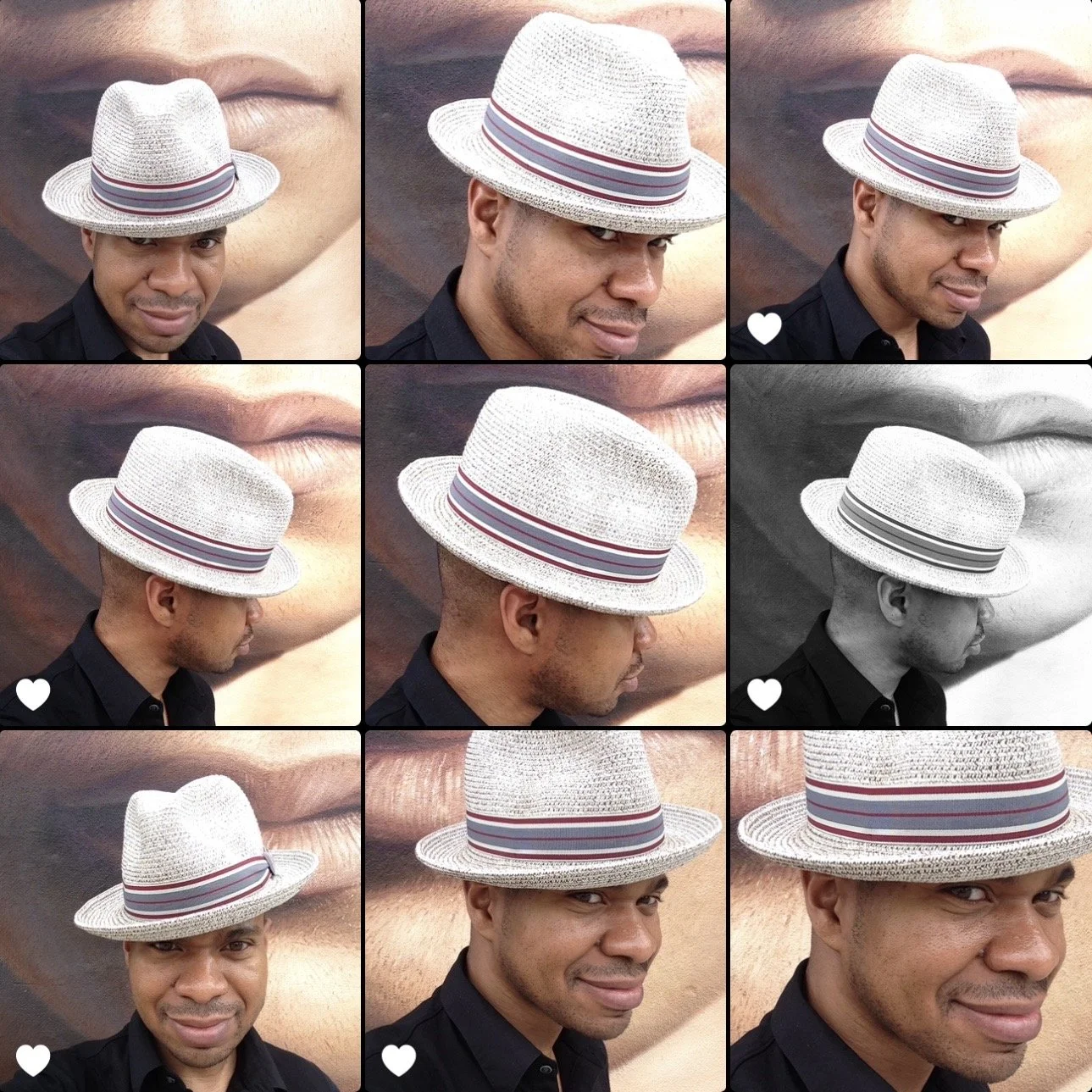
Studio Notes
Objective
Construct a convincing portrait from multiple photographic references while preserving anatomical structure and likeness.
Reference Material
Three-quarter, frontal, and profile photographs captured under consistent lighting and perspective.
Questions
Which viewpoint best serves the portrait?
Should the image function as a finished artwork or as a reference for drawing?
How closely should the portrait reflect my existing graphite language?
How much iteration is necessary before the likeness feels authentic?
Realization
The most convincing image was not the first successful generation. It emerged through repeated editing, comparison, rejection, and refinement. The breakthrough came when I realized that artificial intelligence could be directed with the same intentionality I brought to drawing. The resulting portrait became both a finished work and a study—one that reflected my own visual language and ultimately intensified my passion for hand drawing and graphite.