Archive
An evolving archive of ideas, places, materials, and making. Through photographs, drawings, objects, ephemera, writing, and finished works, each chapter gathers the rooms, streets, exhibitions, studios, and everyday encounters that shaped a body of work, revealing the relationships and atmosphere from which the practice continues to evolve.
Gerald Posley
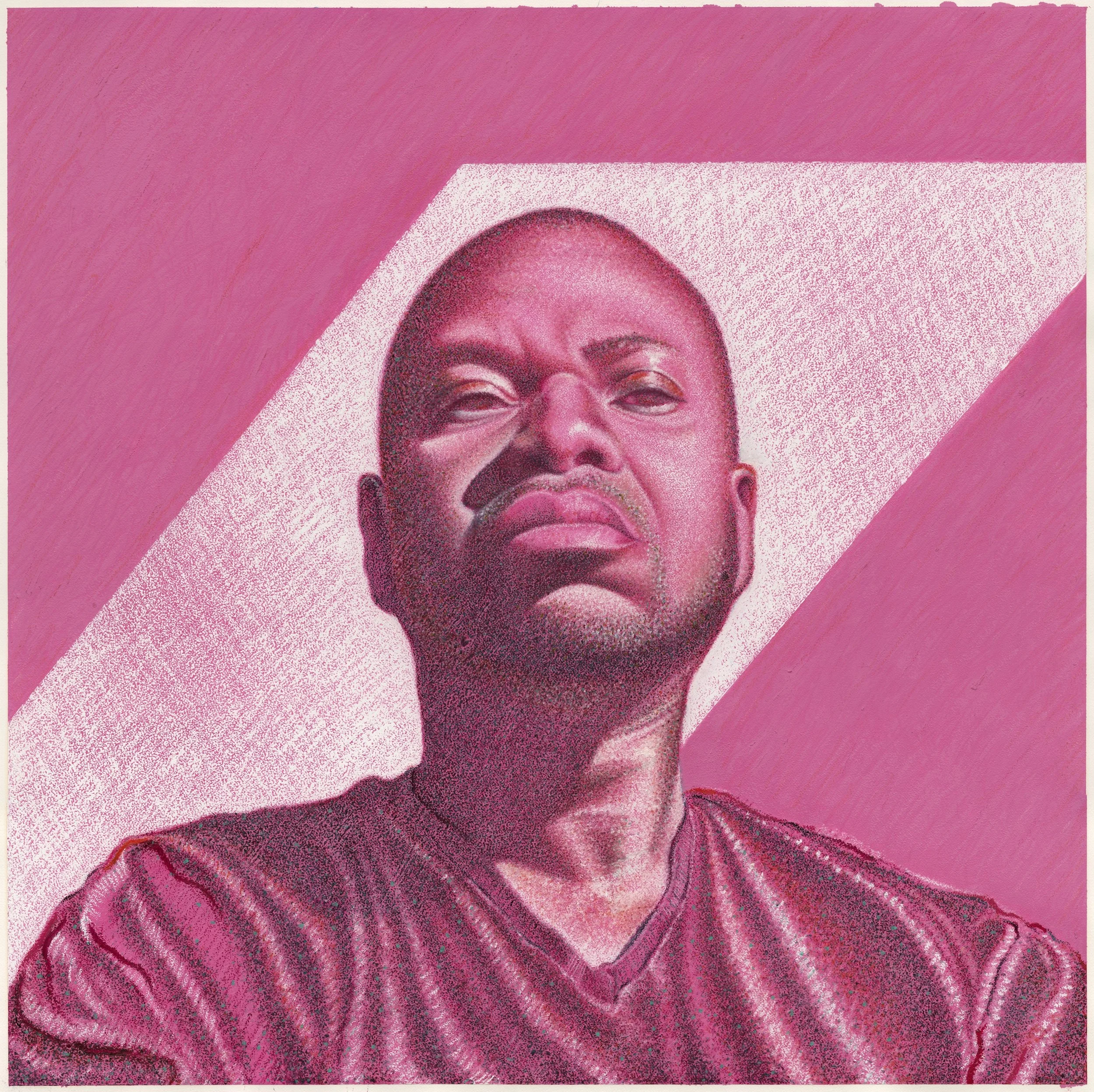
Pink Self Portrait
Oil stick and oil pastel on paper
Angels etched in crayon is where it all began.
I don’t remember a time when I wasn’t captivated by the ways people could be represented. Long before I understood that images could be authored, they were already shaping the way I understood memory, identity, and possibility. Family photographs, school portraits, photo booths, magazines, advertising, museum visits, and eventually my own drawings and camera all became part of a lifelong conversation. Looking back now, I can see that every self-portrait, every experiment, every new medium, and every new technology wasn’t a departure from that conversation. Each became another way of asking the same question:
How does an image carry a person?
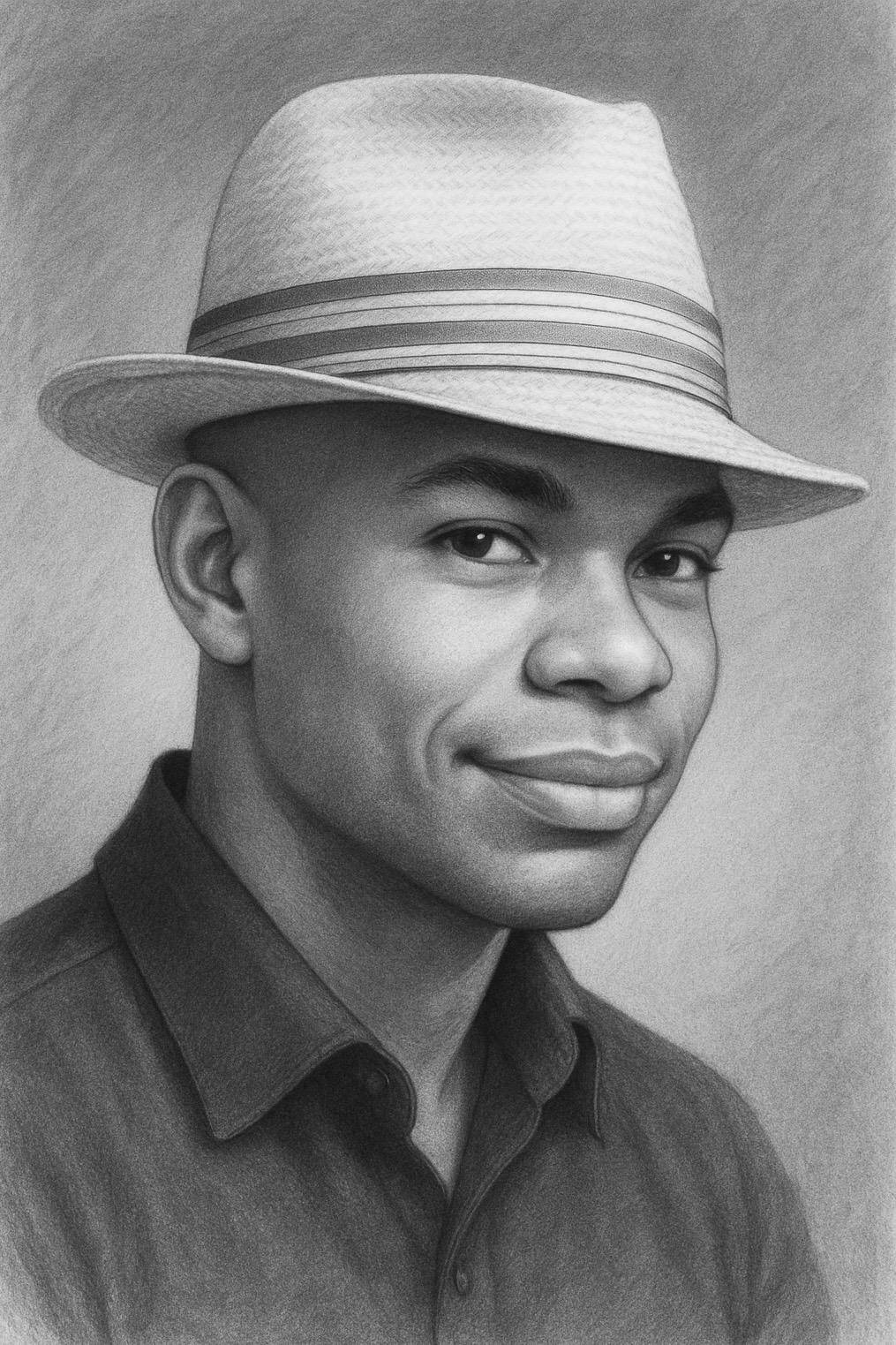
Created through an extended process of prompting, revision, and editorial selection, this portrait continues a long-standing interest in translation rather than replacing it. The medium changed; the underlying questions did not. It remains another attempt to understand how an image can carry a person.
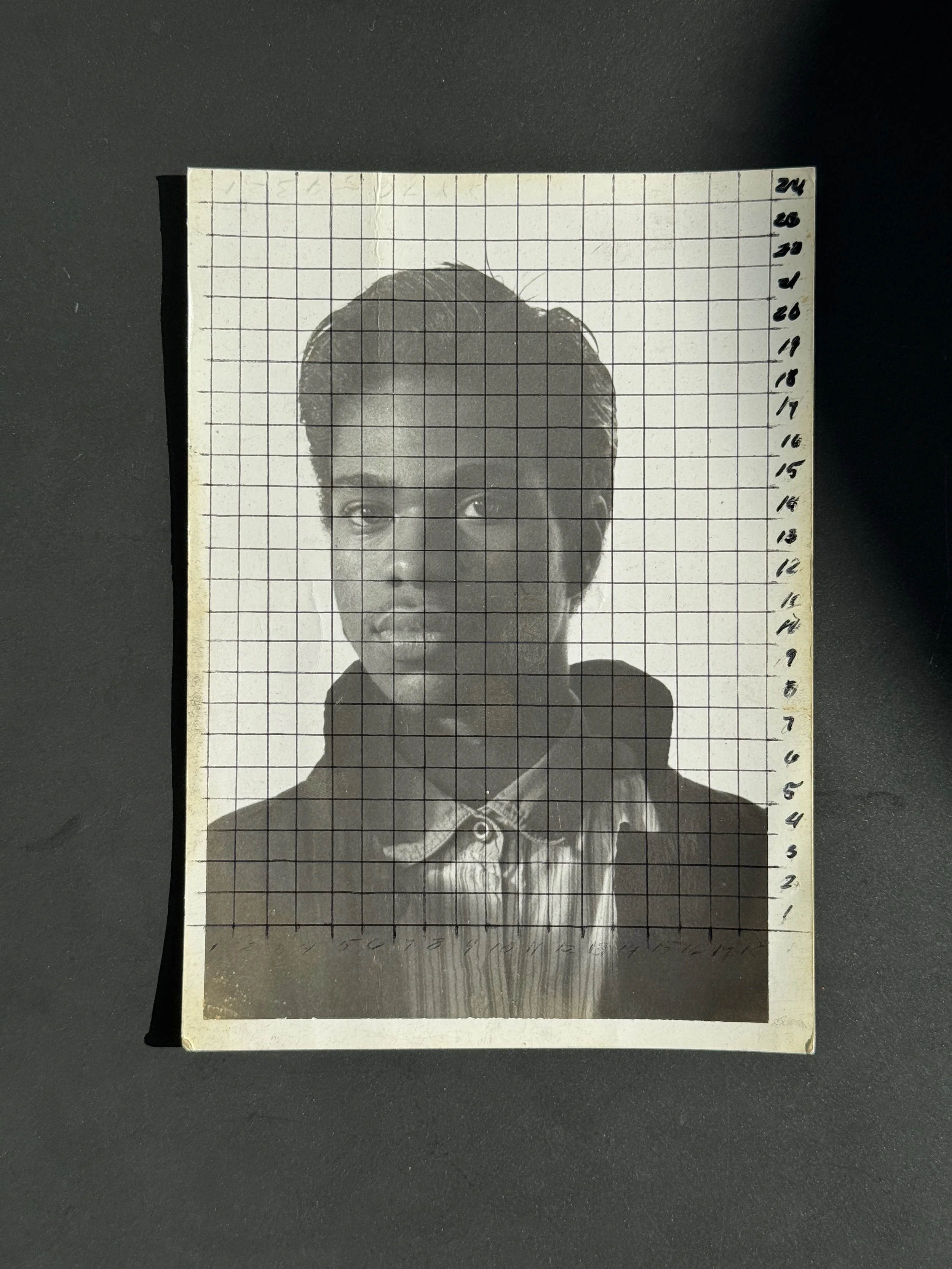
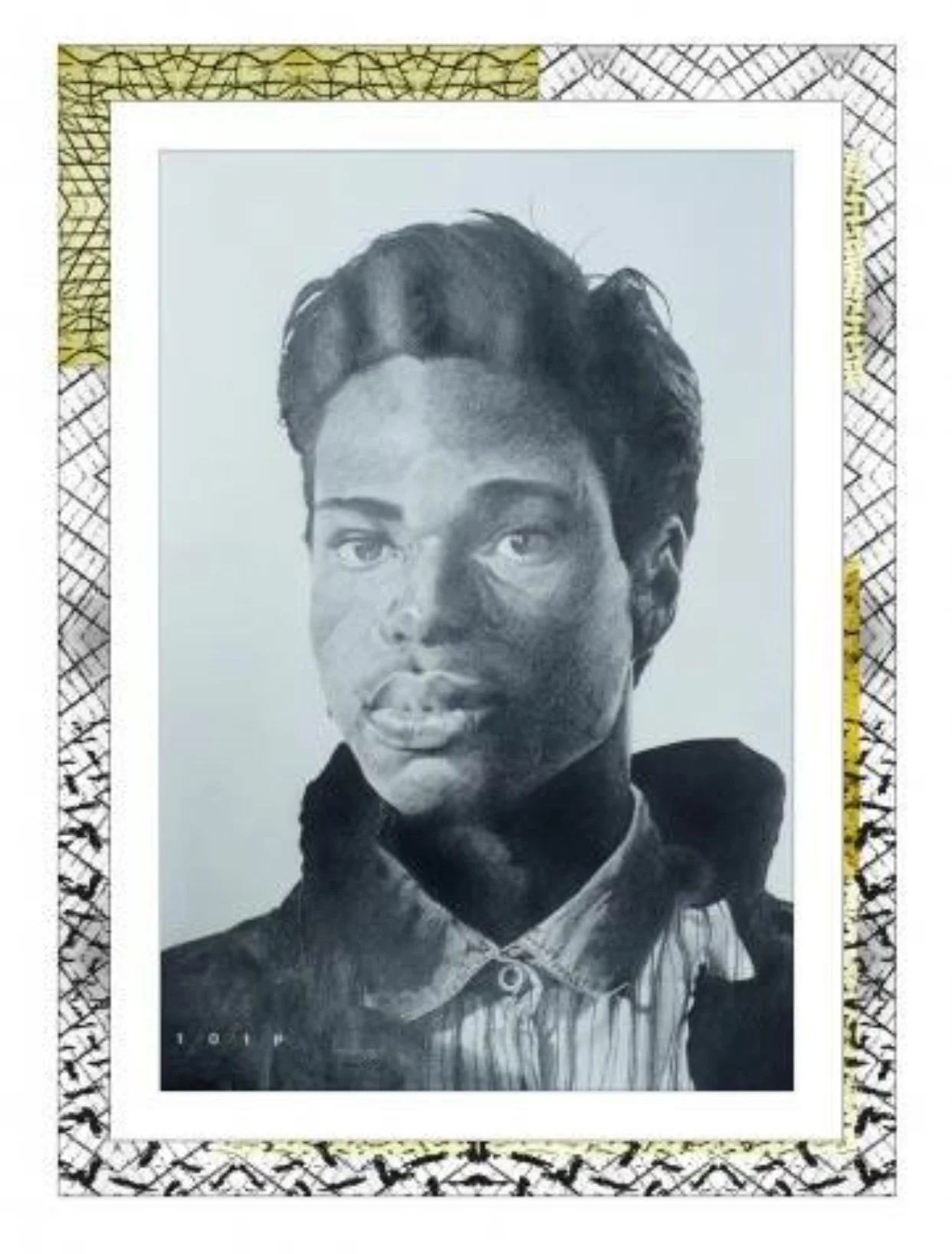
This early self-portrait reveals an interest that has remained constant throughout my practice: translating photographs through drawing. Looking back, I recognize the same questions that continue to shape the work today: what changes when an image is reconstructed by hand, and what remains essential enough to survive the translation? The gridded photograph served as the measuring system from which the drawing was constructed.
Self Portrait
Graphite on Paper, 1991
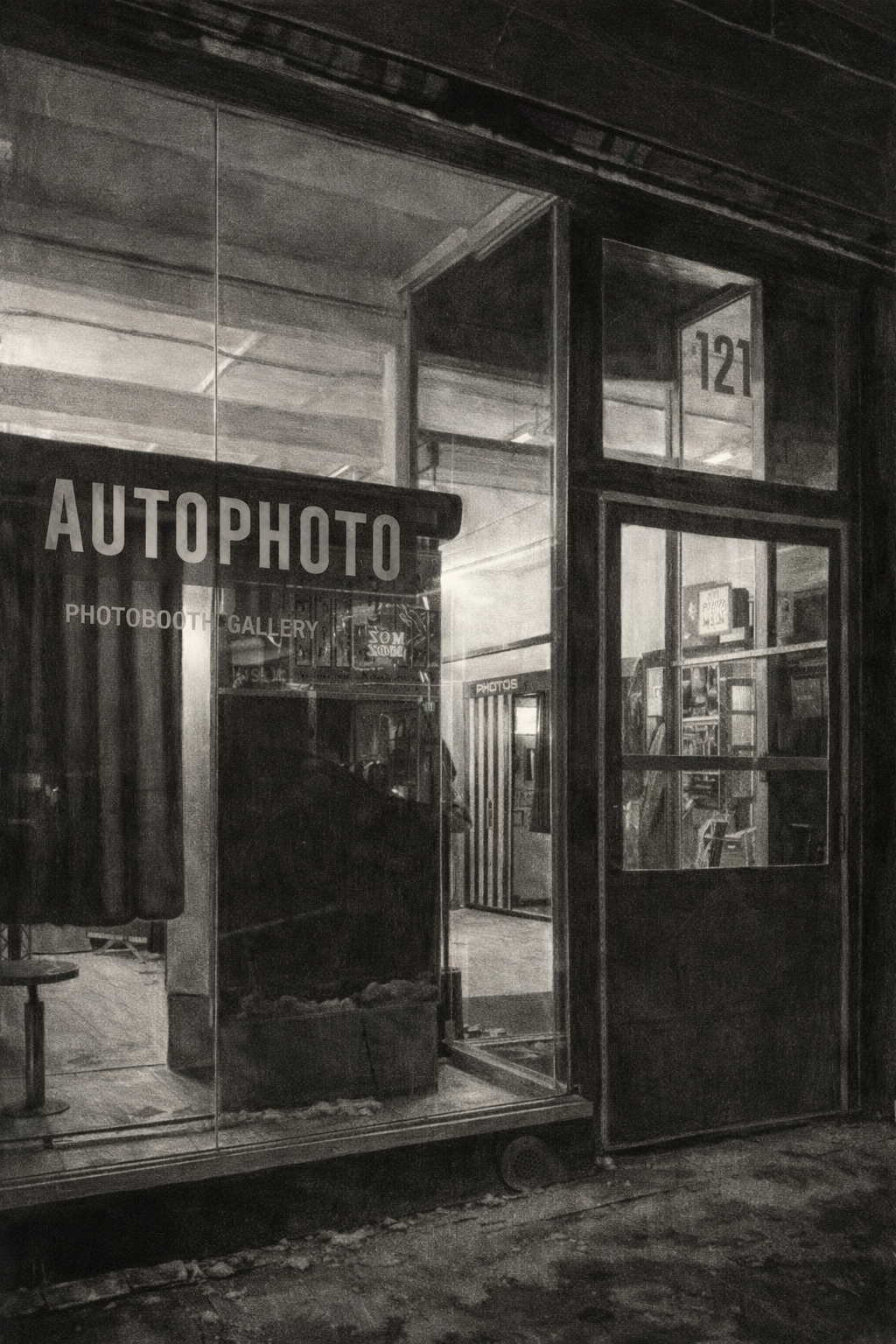
Autophoto
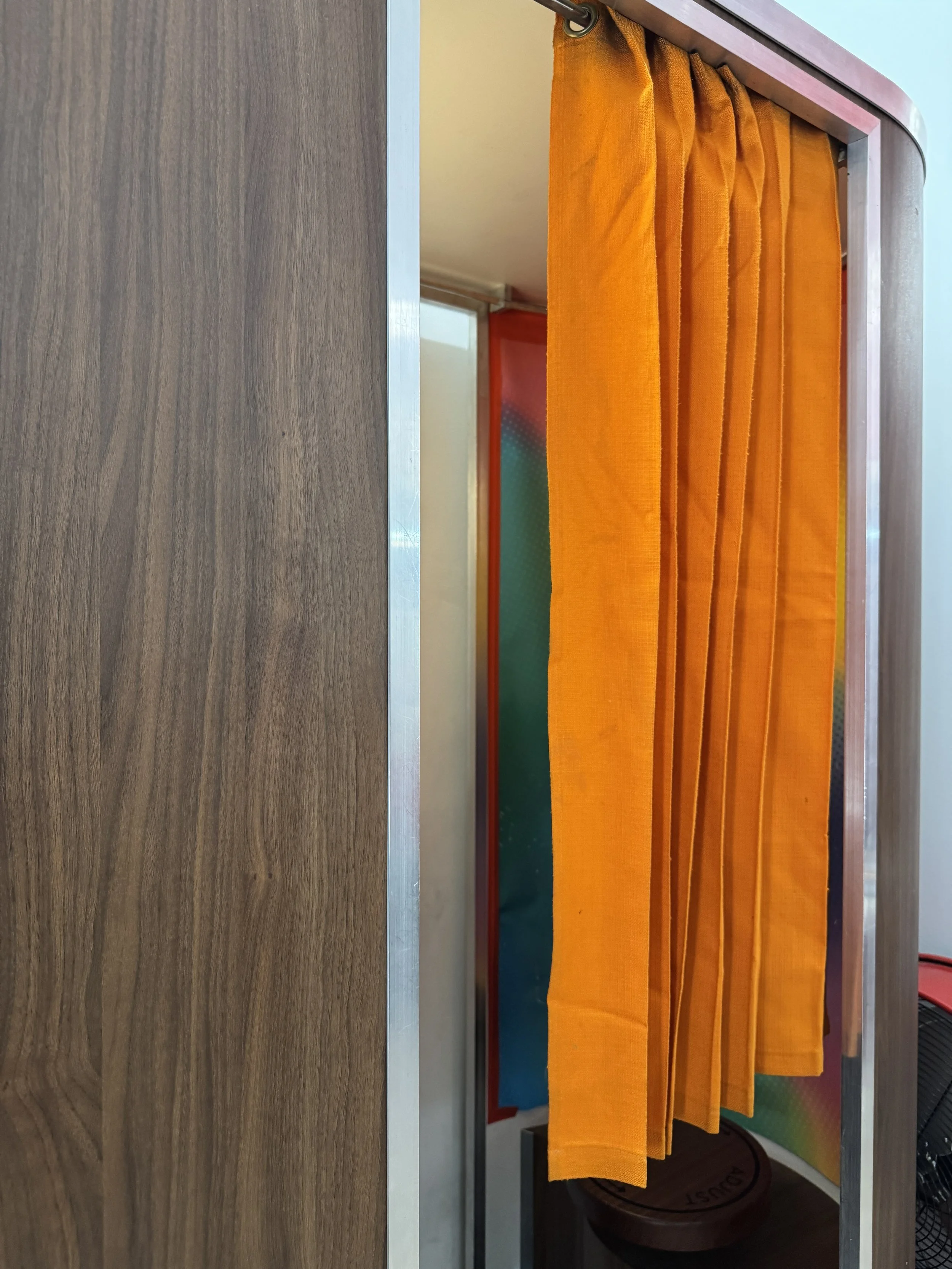
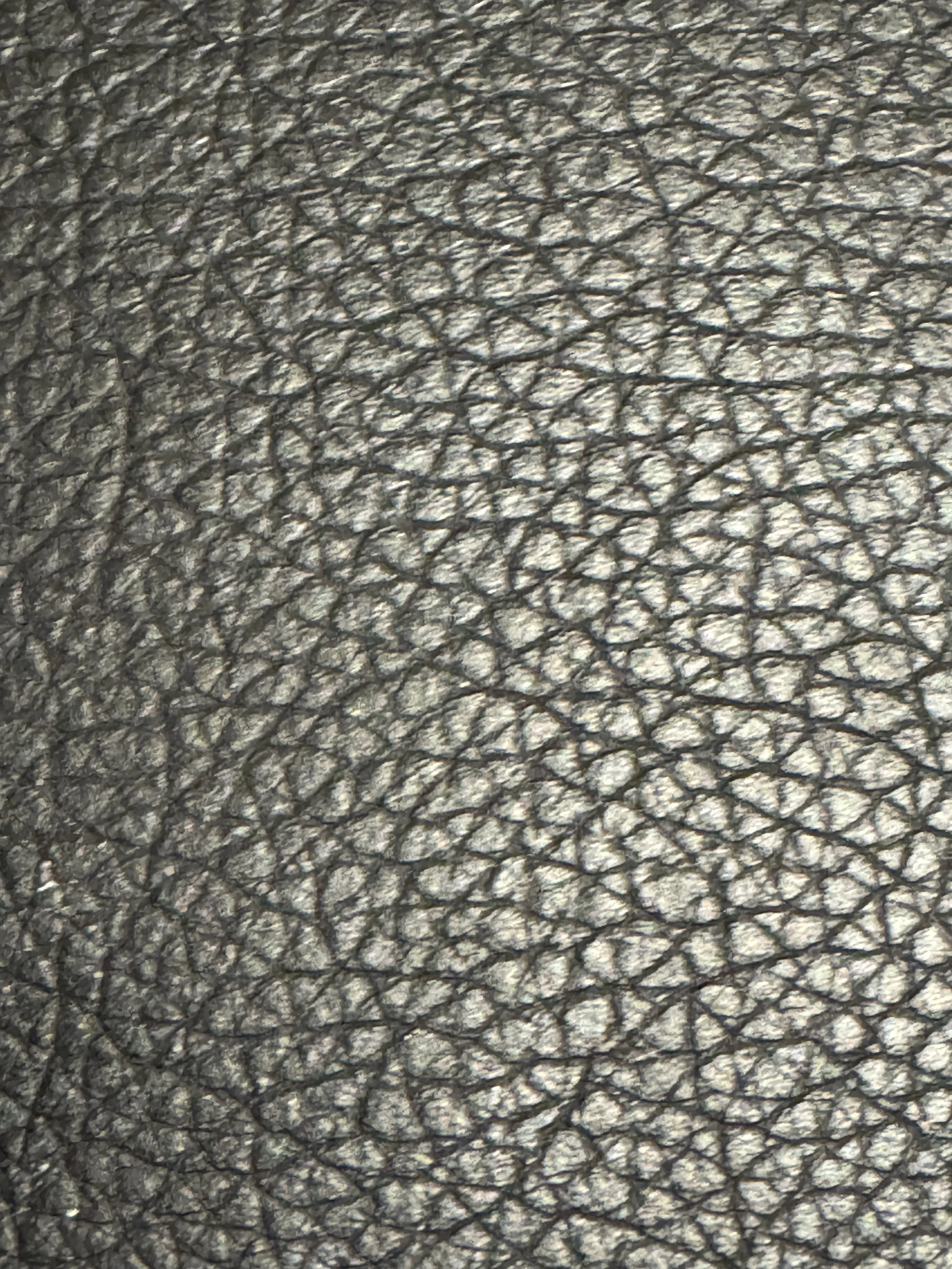
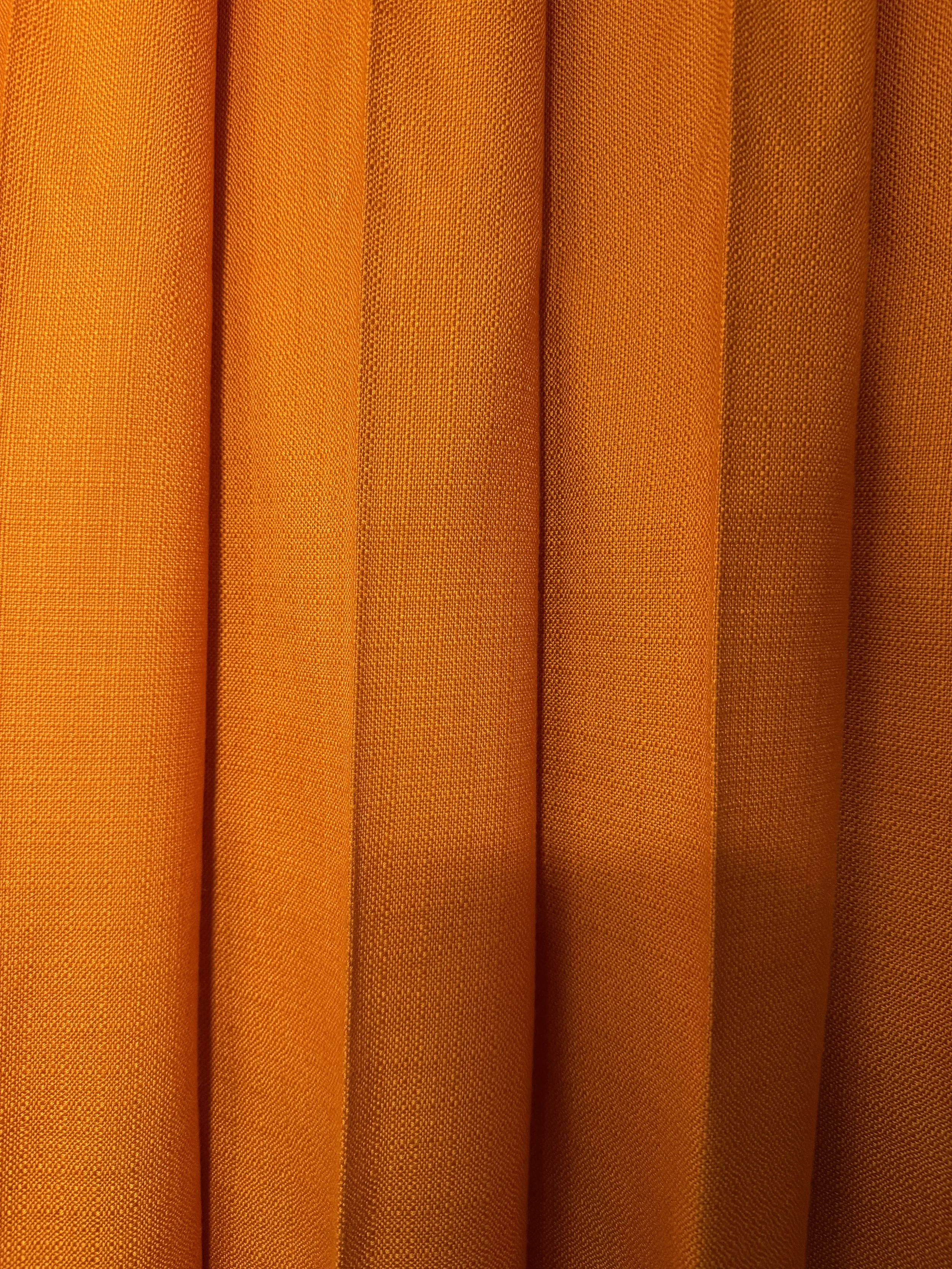
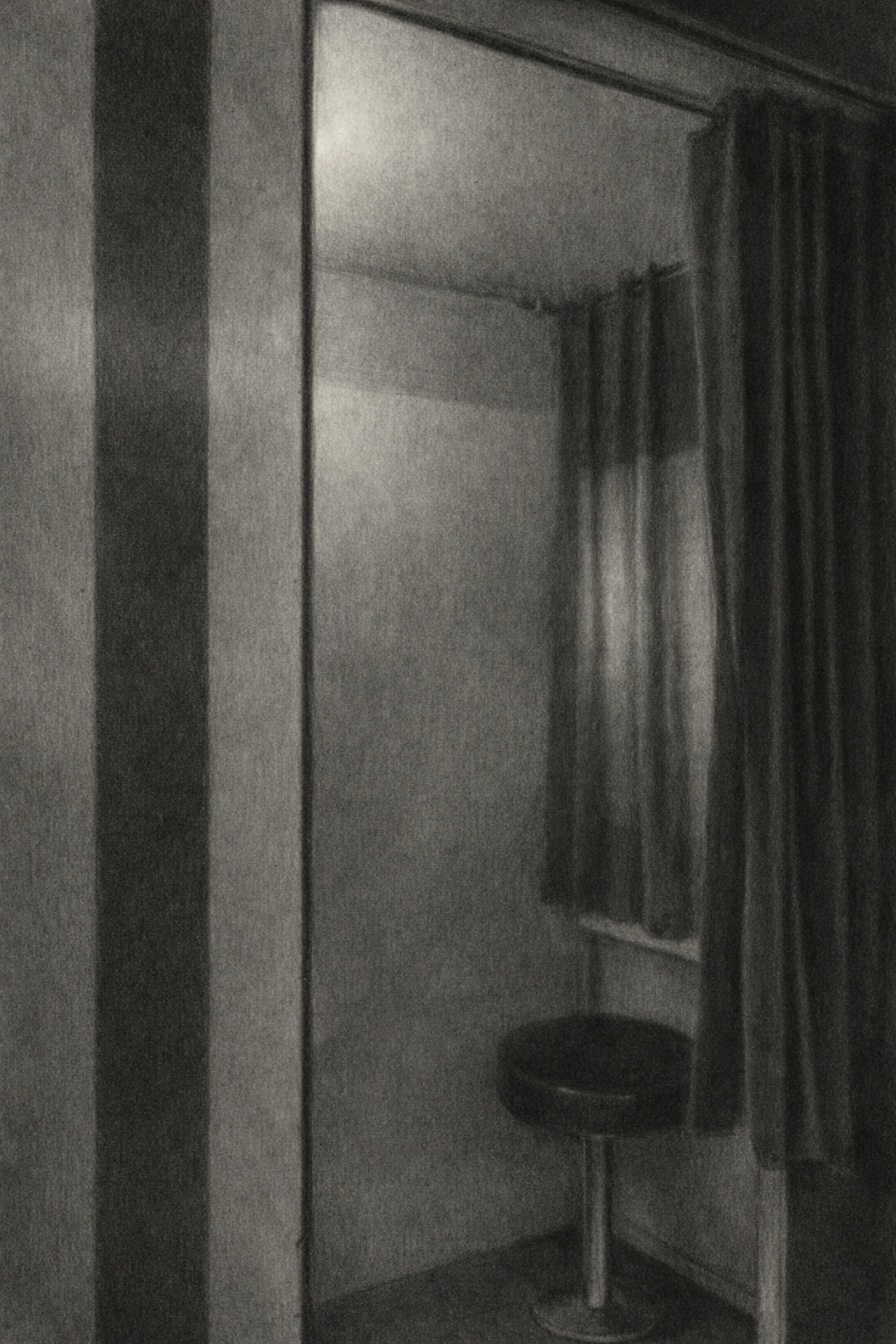
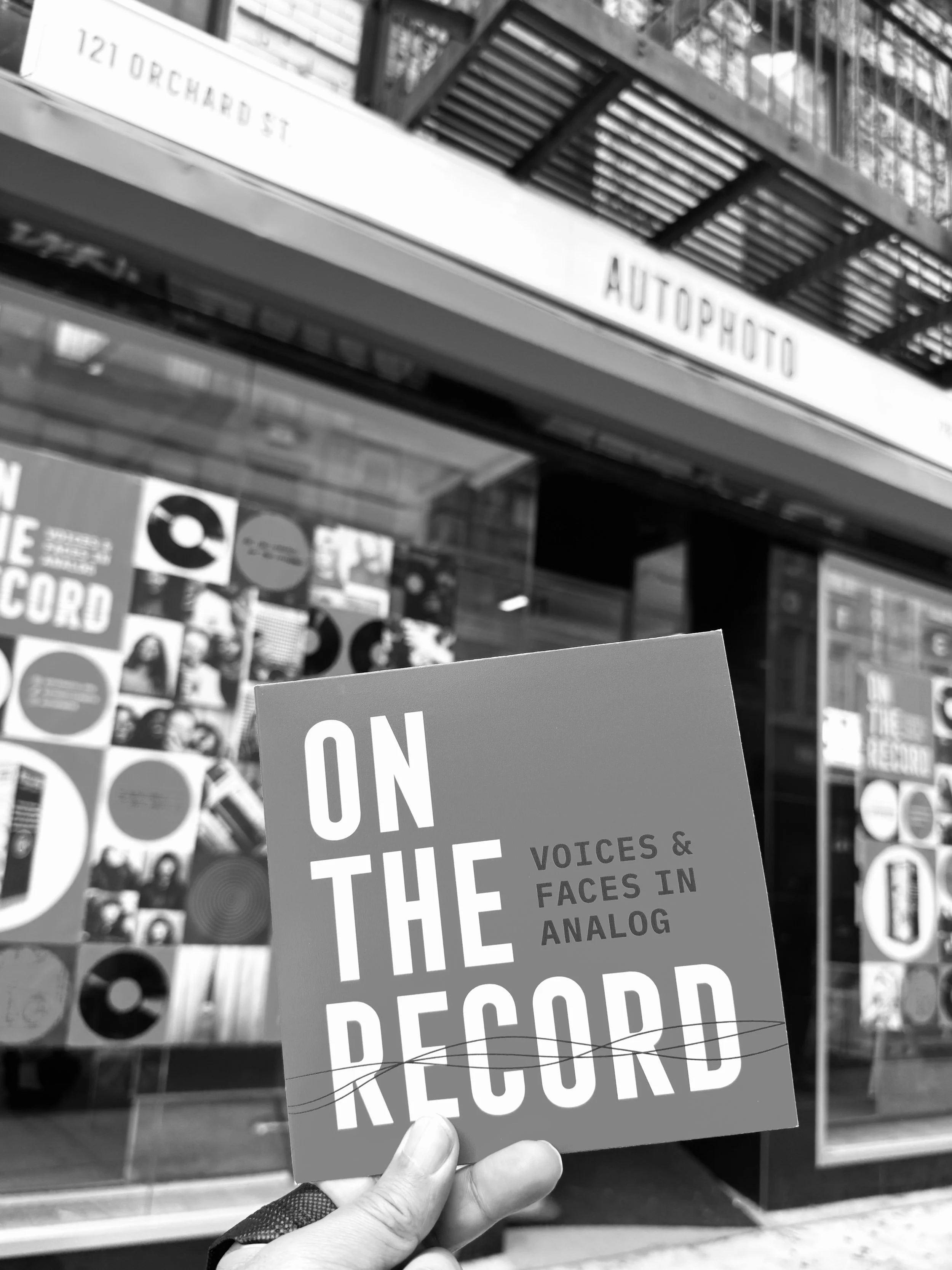
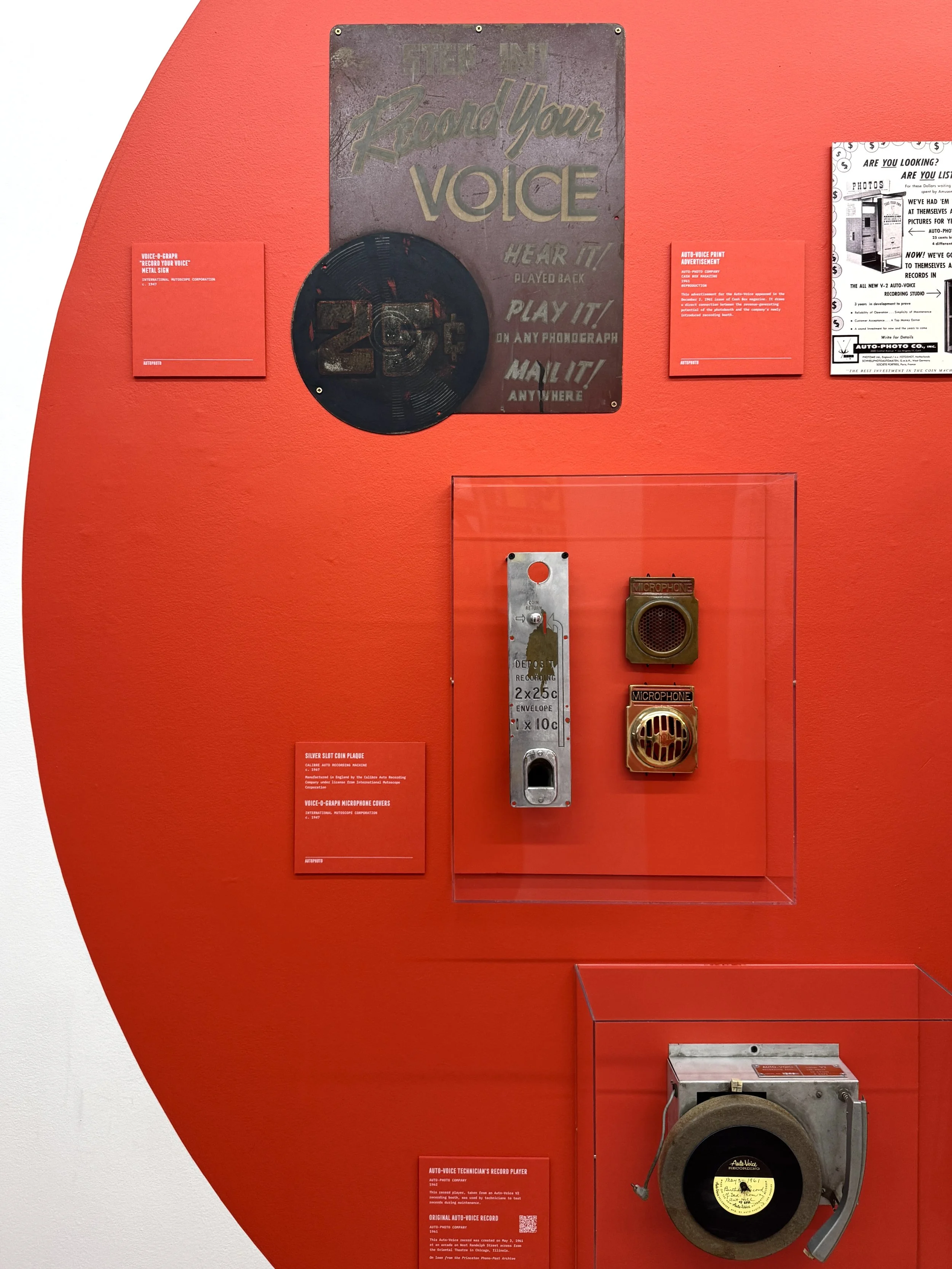
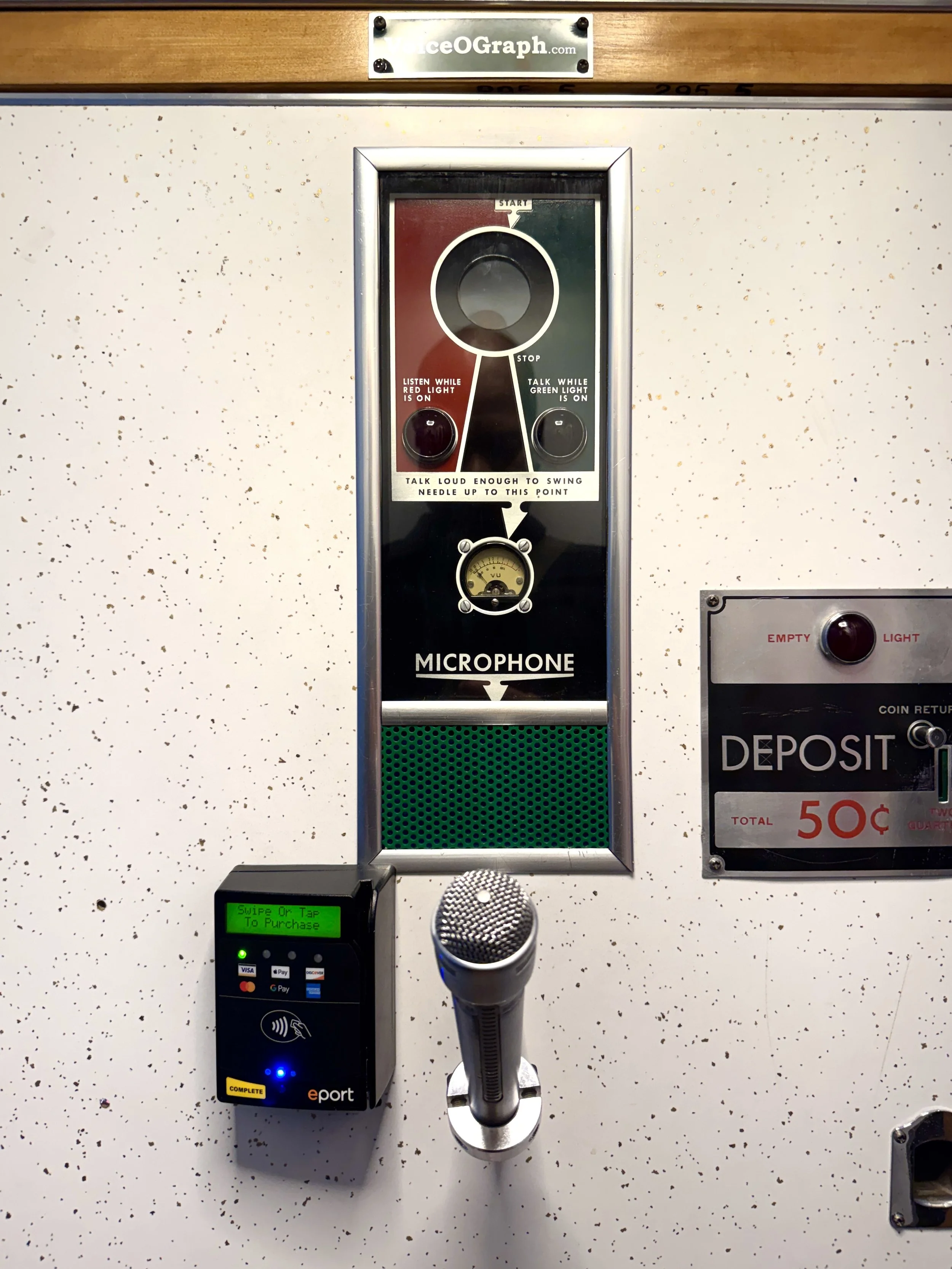
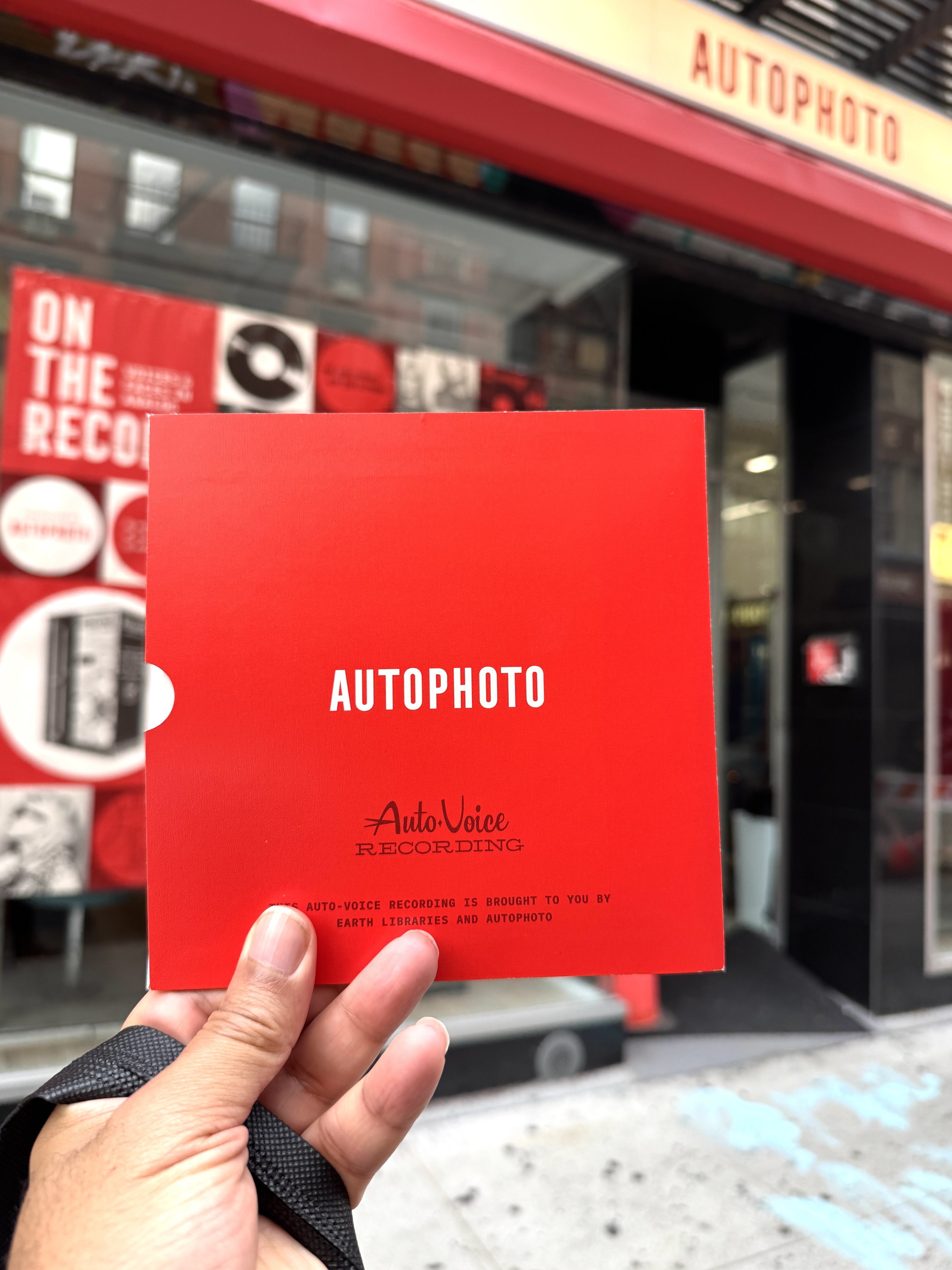
For months, I photographed Auto Photo from the street before ever stepping inside. The orange curtain became less a backdrop than a threshold—hinting at a space where portraiture was both performance and ritual. When I finally entered, the visit confirmed something I had already begun to understand: the places that produce images can shape the way we think about images themselves.

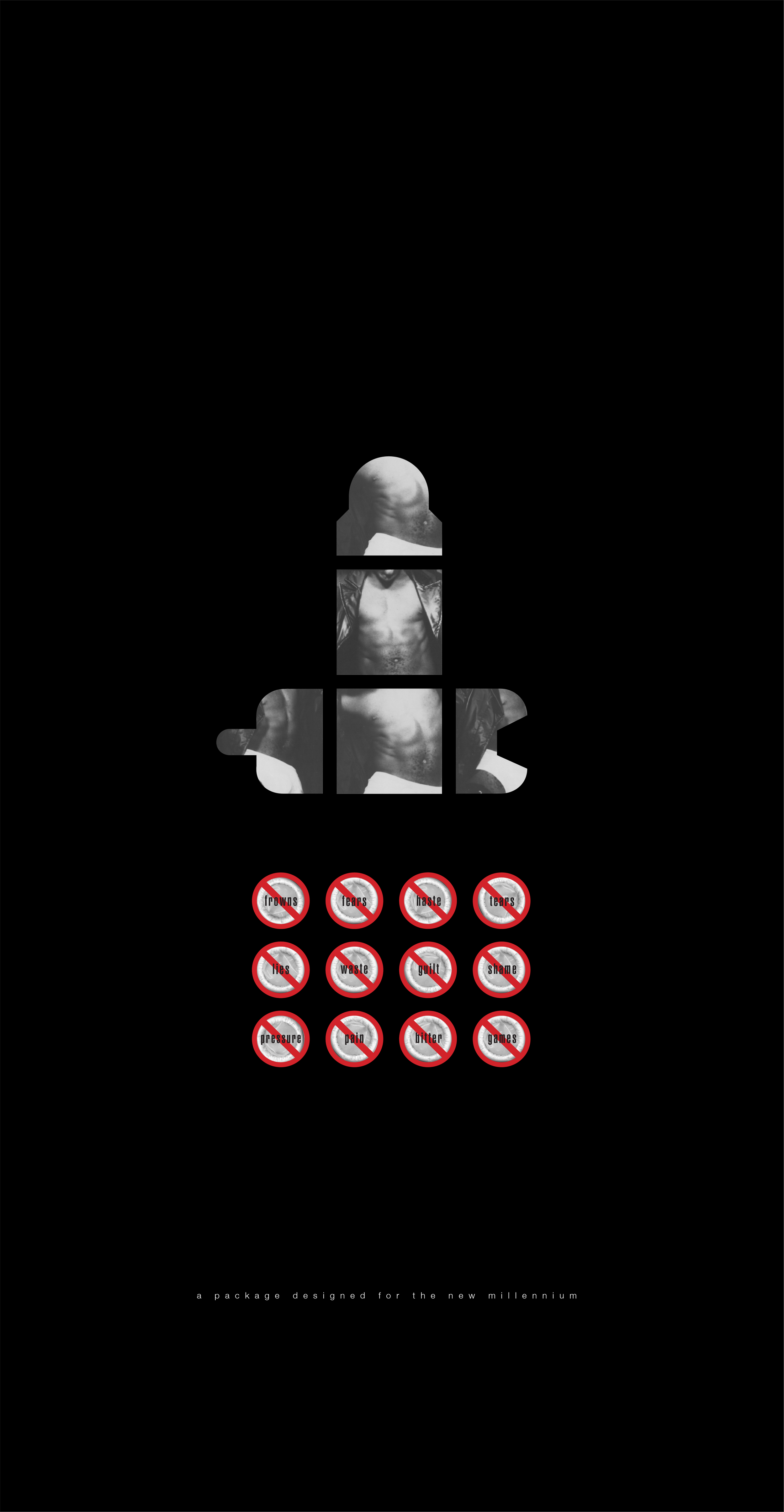
A Package Designed for the New Millennium
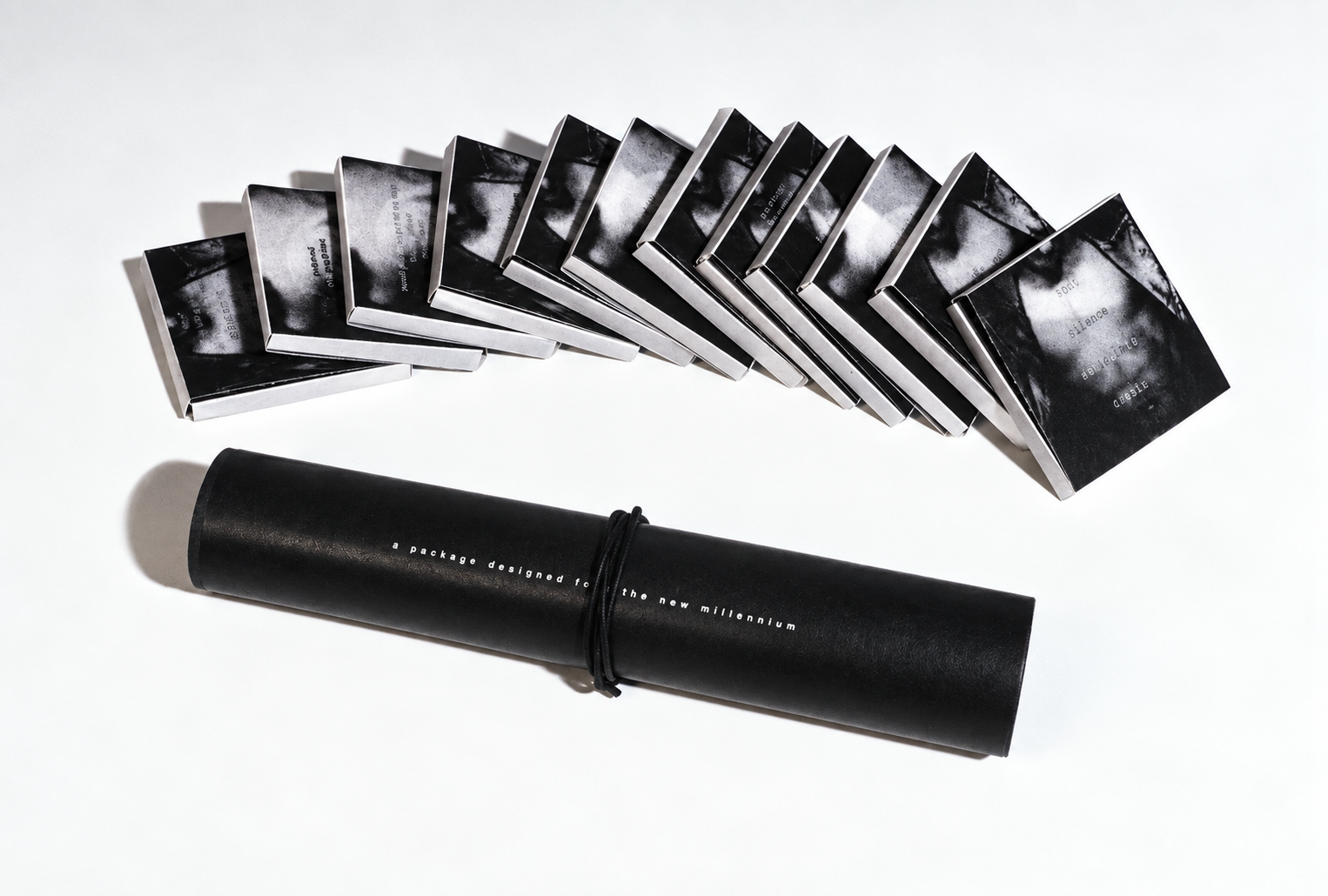
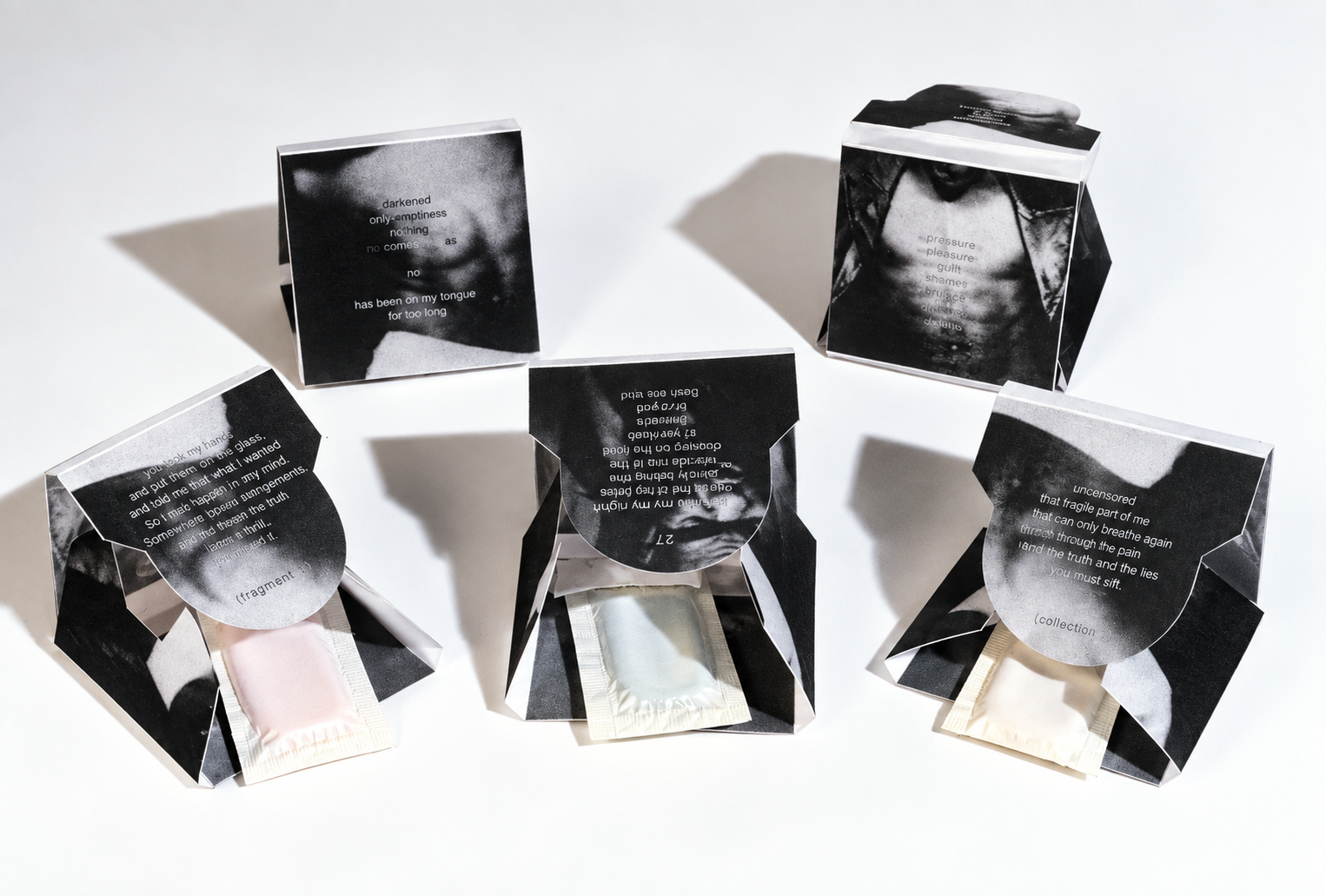
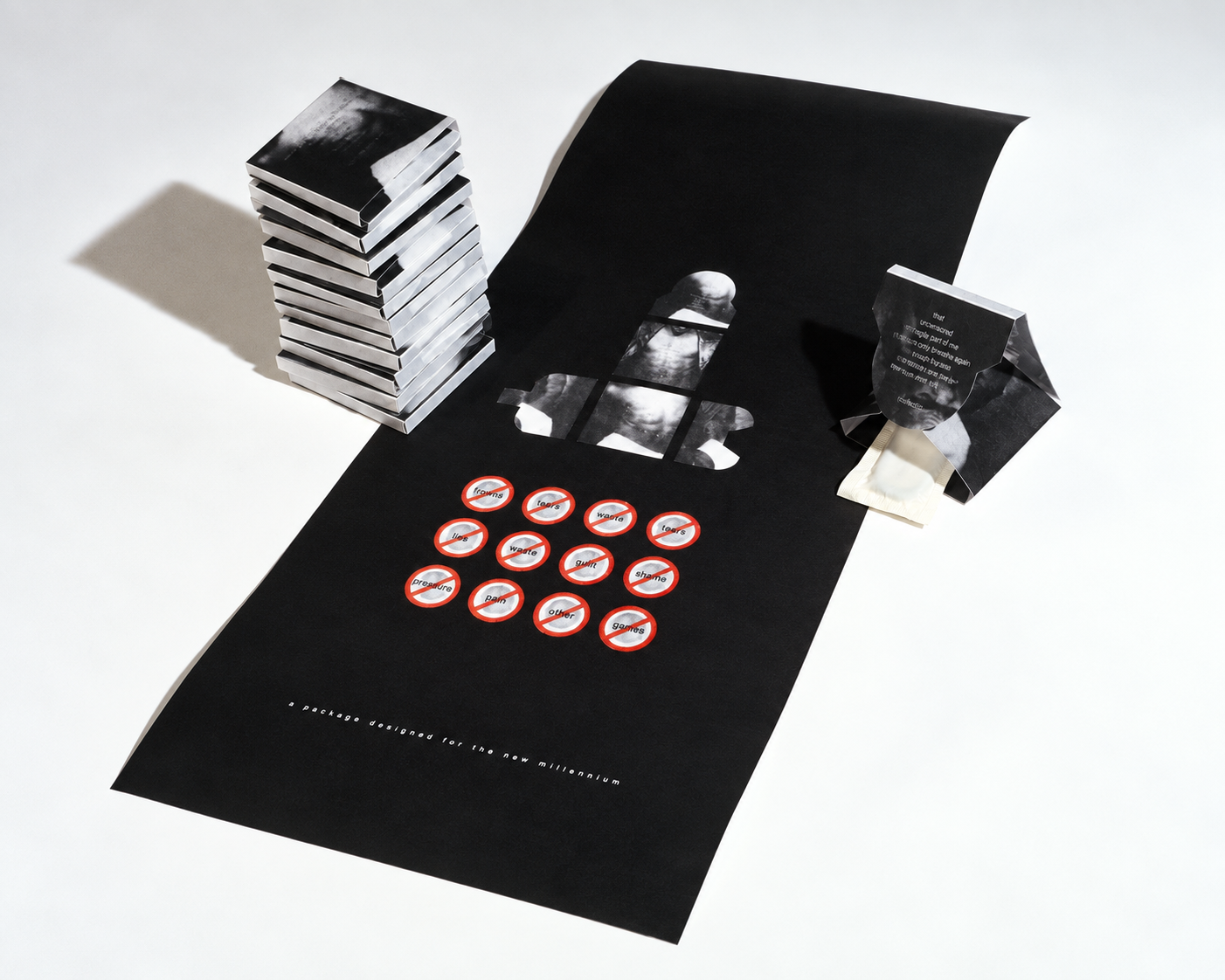
An early exploration of object, packaging, multiples, and presentation, extending the work beyond the image into the experience of holding and unfolding.
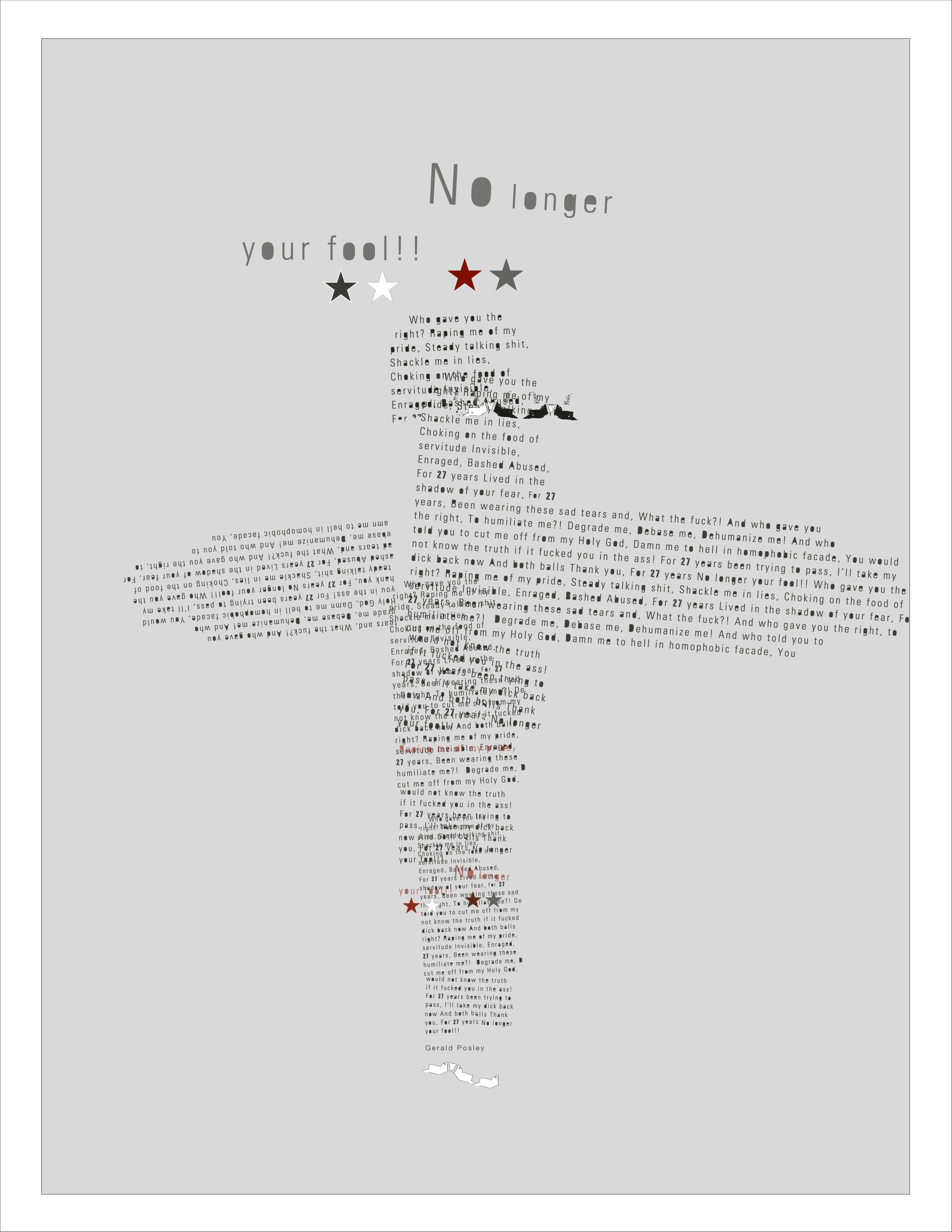
Uncensored: Queer Art and the Church — 2012
Leslie Lohman Museum, New York
In March 2012, I submitted No Longer Your Fool!! to Uncensored: Queer Art and the Church, an exhibition presented at the Leslie-Lohman Annex in New York. In my original submission, I described the work simply as “an original piece of my writing expressed in typography to fit the theme of the show.” The work was accepted, printed and exhibited at the Leslie-Lohman Annex, 127-B Prince Street, from March 27 through April 1, 2012.
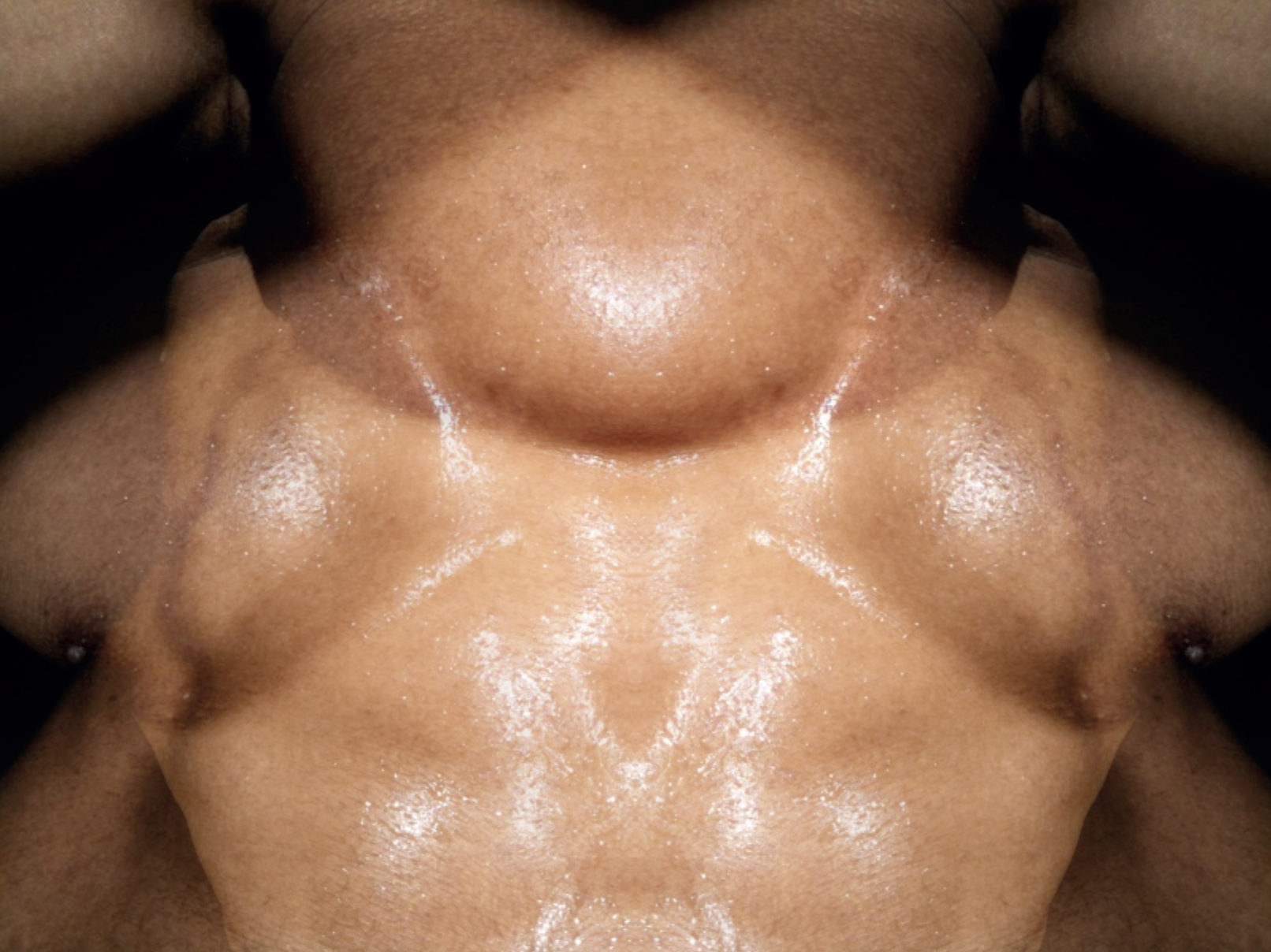
No Longer Your Fool!! transforms autobiographical writing into a human form. Language becomes both image and body—anger, accusation, humiliation and resistance compressed into an intensely controlled typographic structure. The work emerged from a larger group of experiments preserved in an Illustrator file titled Trinity. A surviving working spread pairs the figurative poem with Uncensored, a rigid, phallic, weapon-like construction punctured by red marks. The spread predates the final states of both compositions and is presented here as a working document.
A third, unfinished Trinity composition combines typography with a doubled photograph of my torso. During the recovery of these files in 2026, I also rediscovered the underlying photographic experiment, preserved outside the original artboards. Removed from its function as source material, the mirrored torso now reads as an autonomous photographic abstraction.
Across these works, sexuality, anger, vulnerability and resistance are held within a visual language that is pristine and pressurized. Bodies become language; language becomes weapon; and extreme formal control becomes a container for psychological and emotional force.
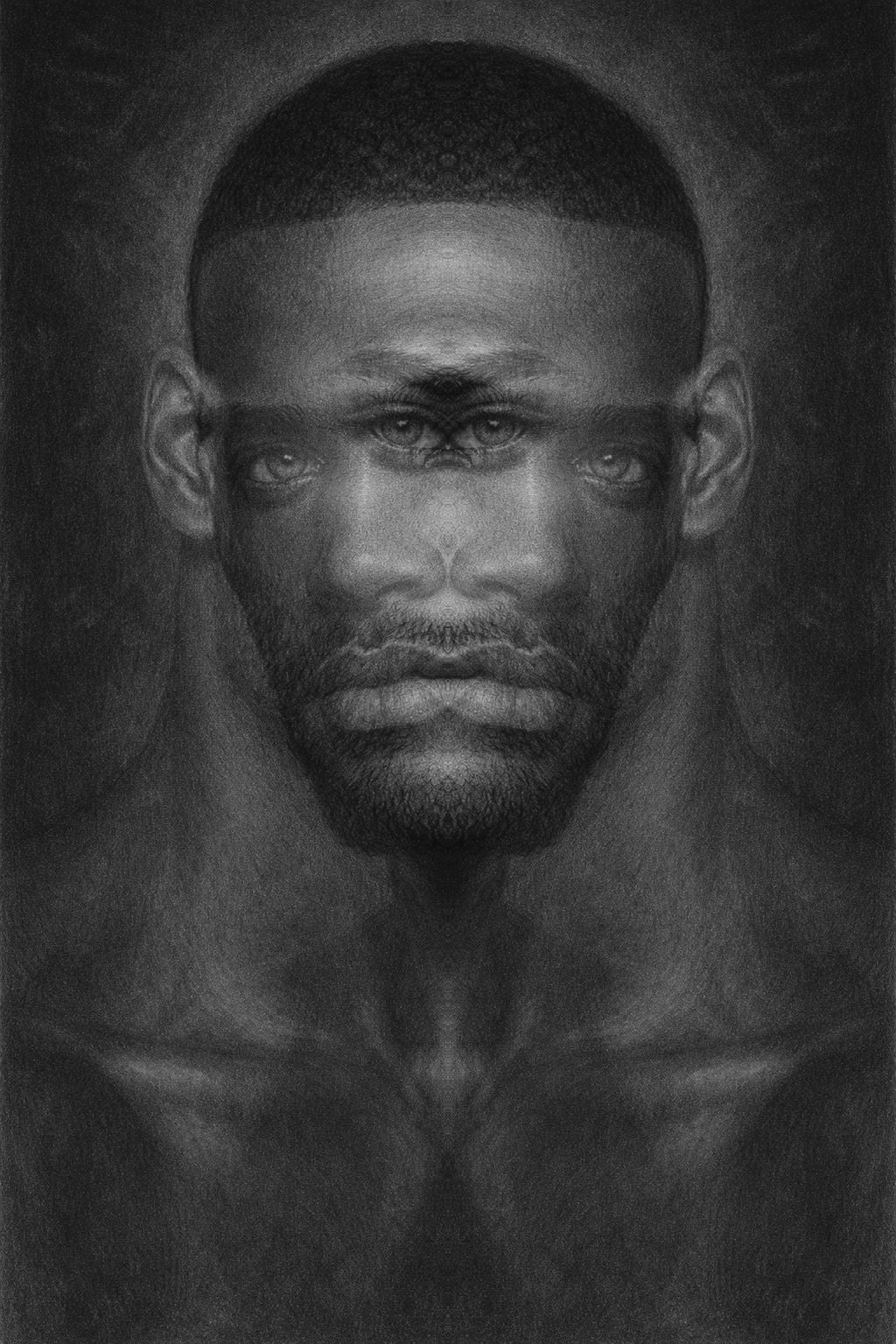
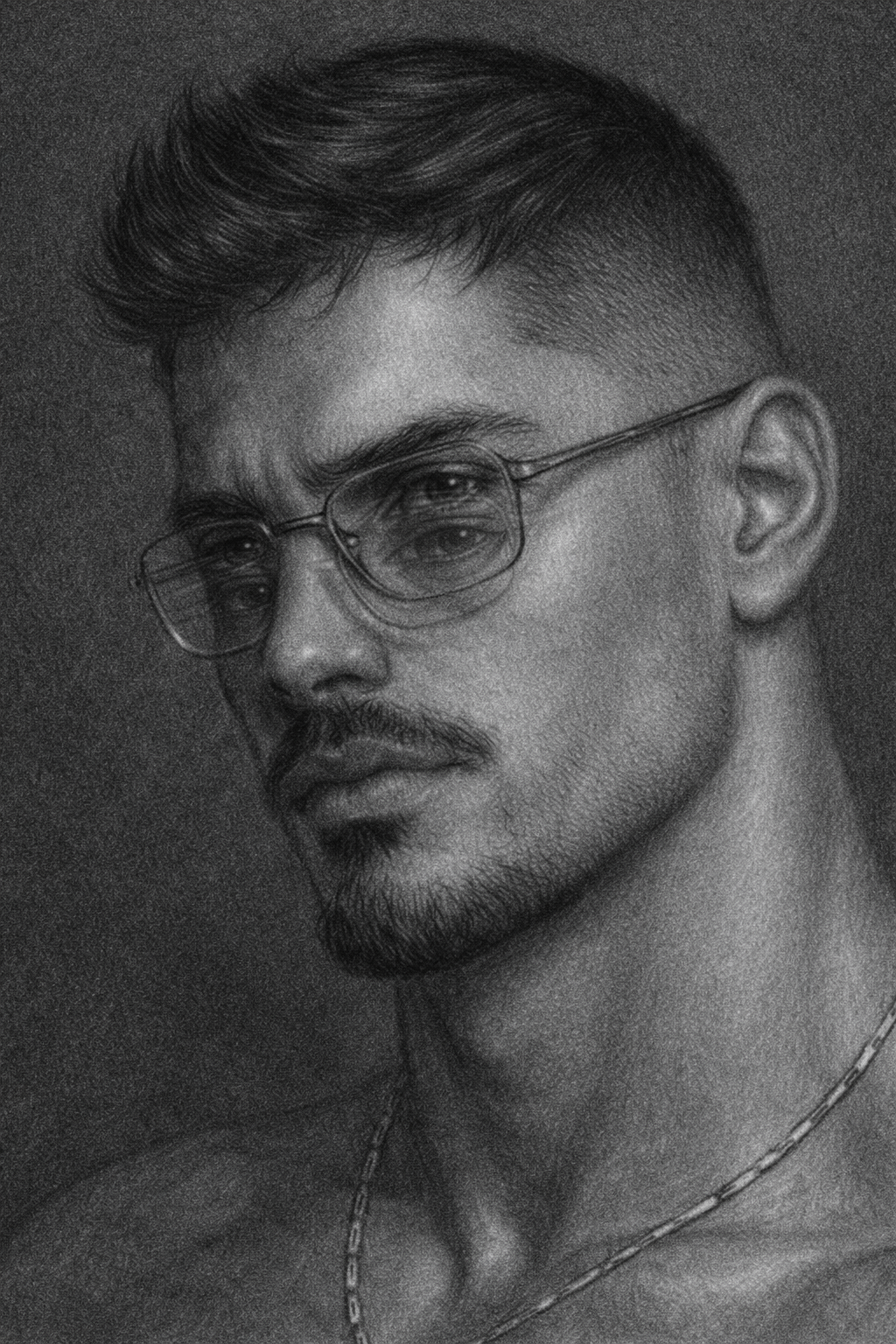
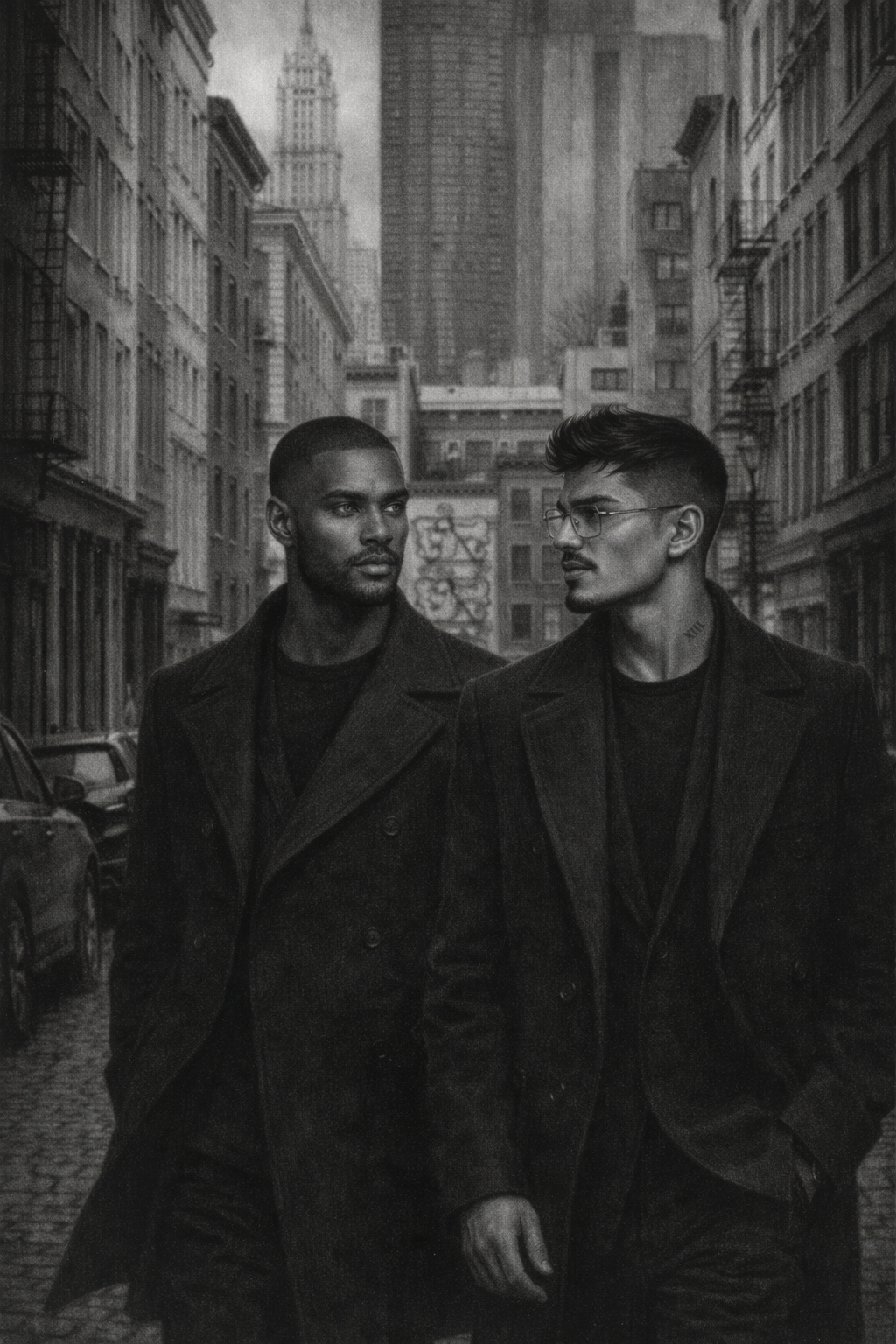
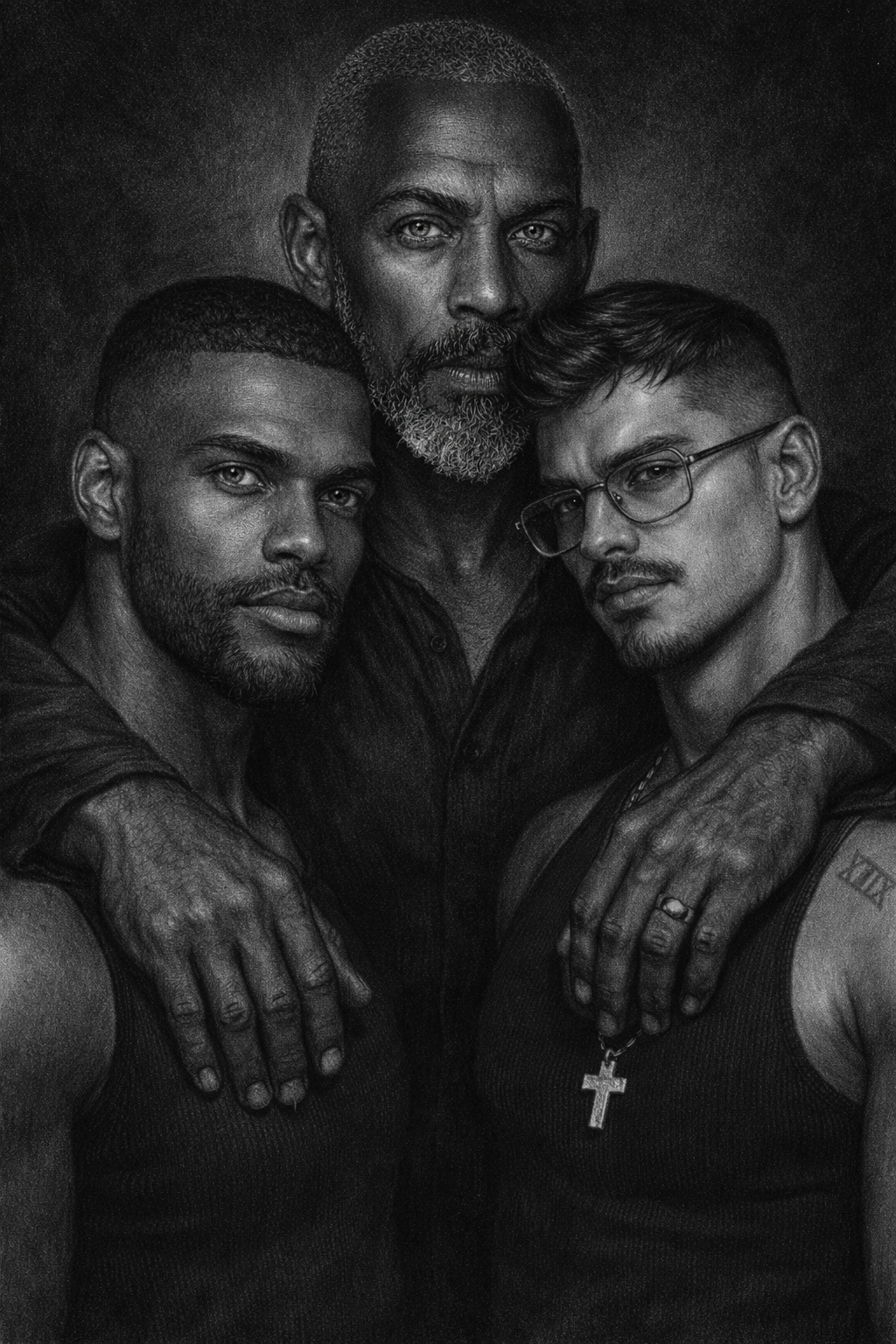
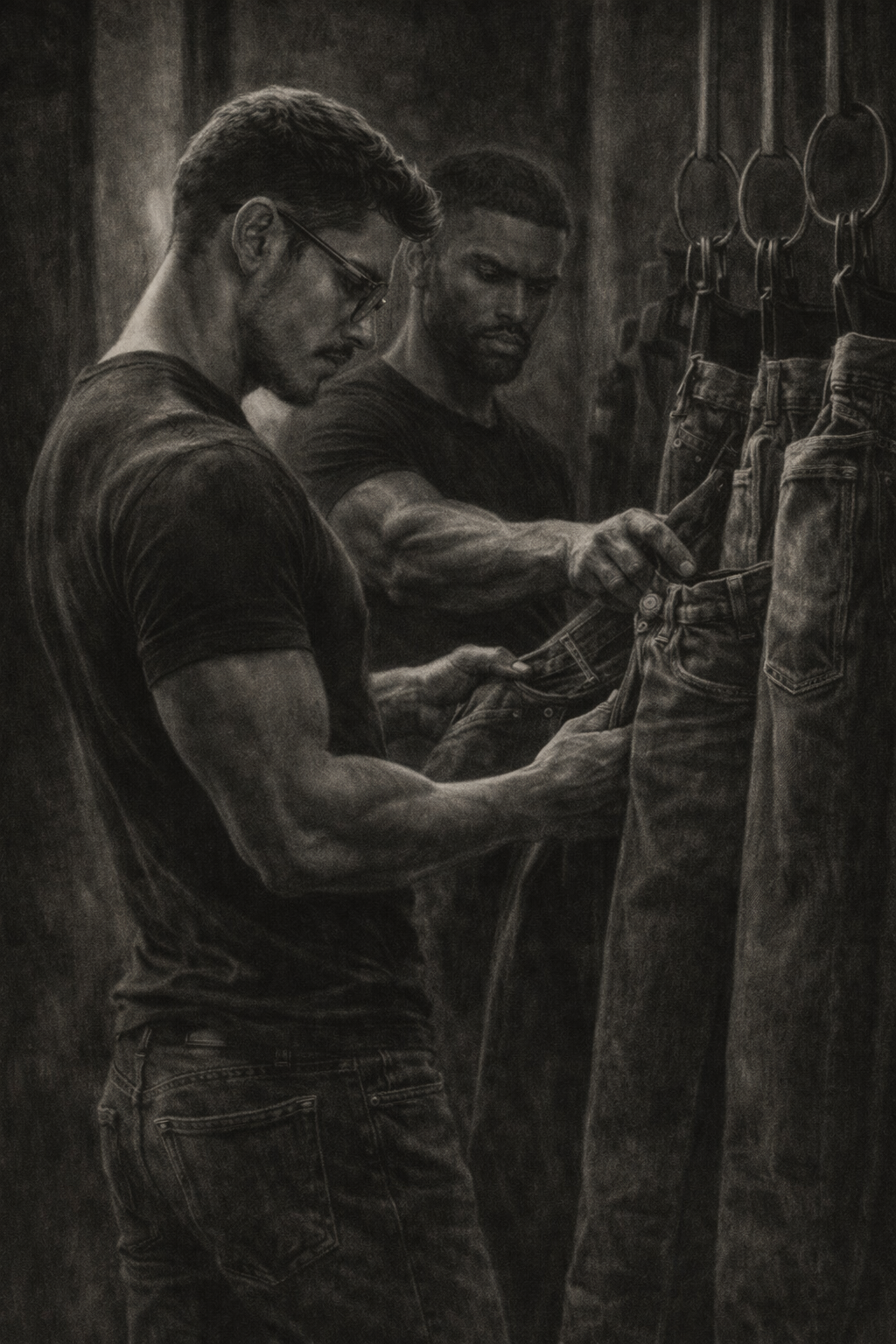
Dre and Roman emerged as a way of asking whether portraiture could extend beyond autobiography without losing emotional truth. Created through drawing, photography, and AI-directed image making, they became collaborators in an ongoing investigation of intimacy, memory, architecture, and the ways fictional lives can illuminate real experience. Rather than illustrating a story, the images became a place where one could begin.
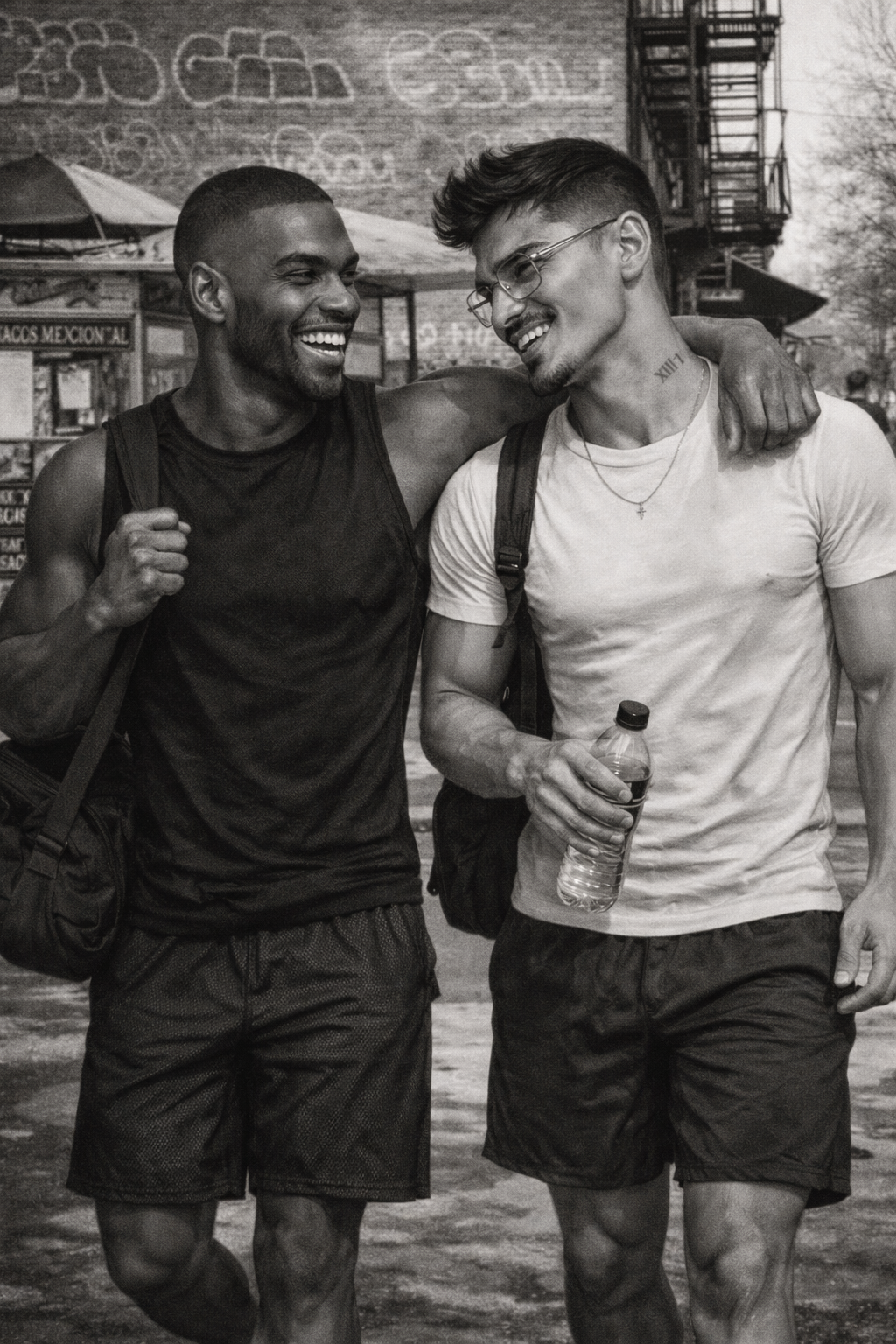
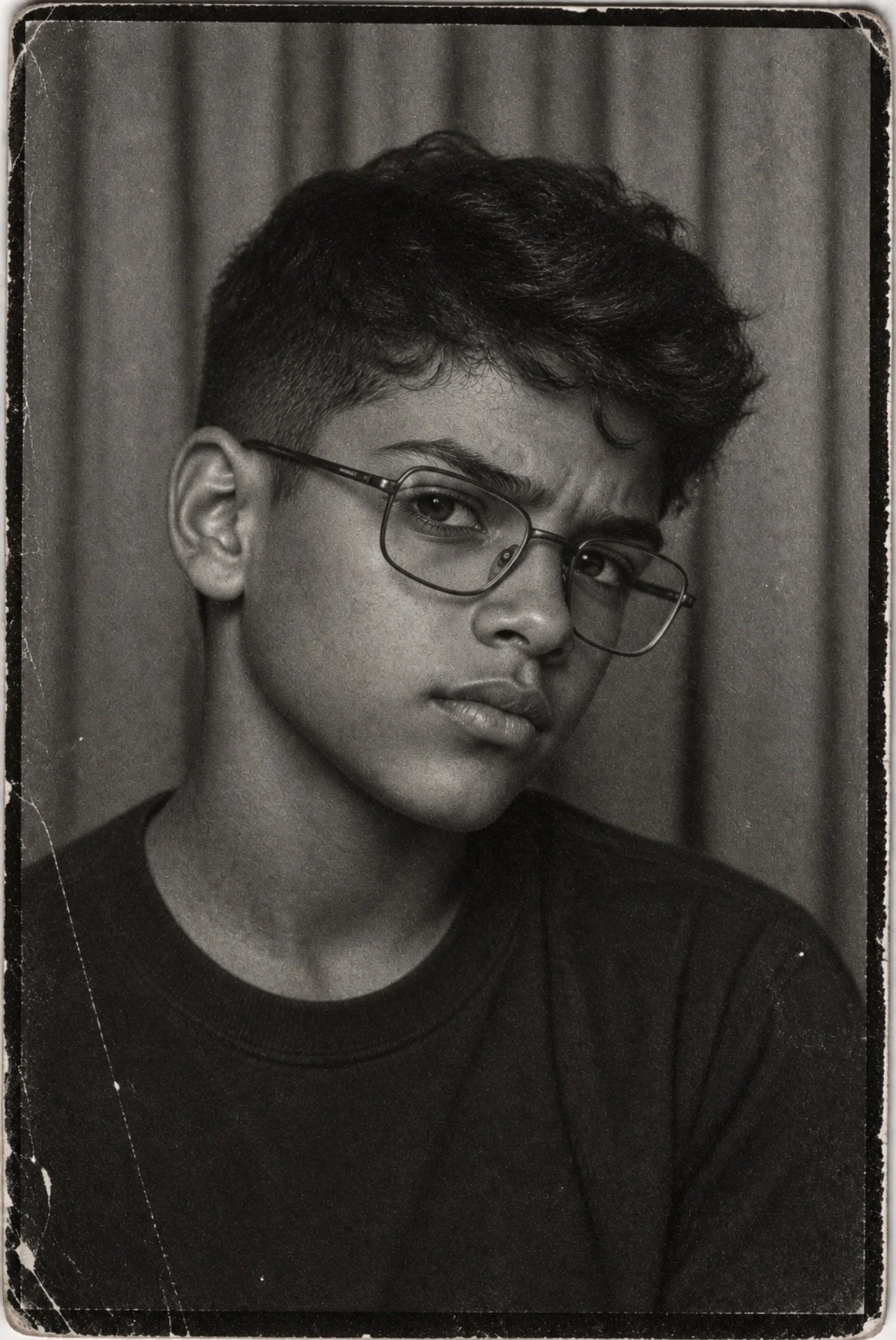
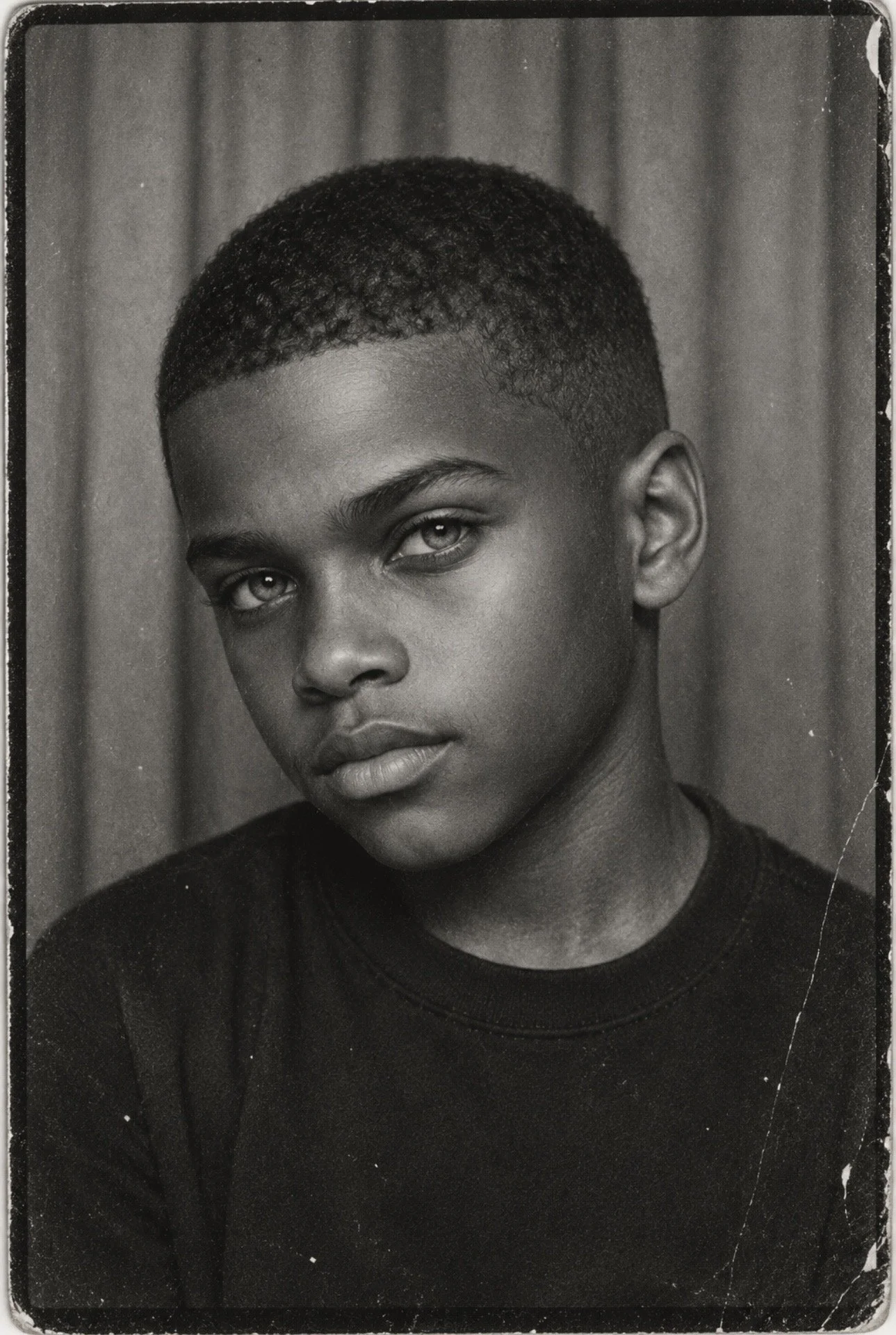
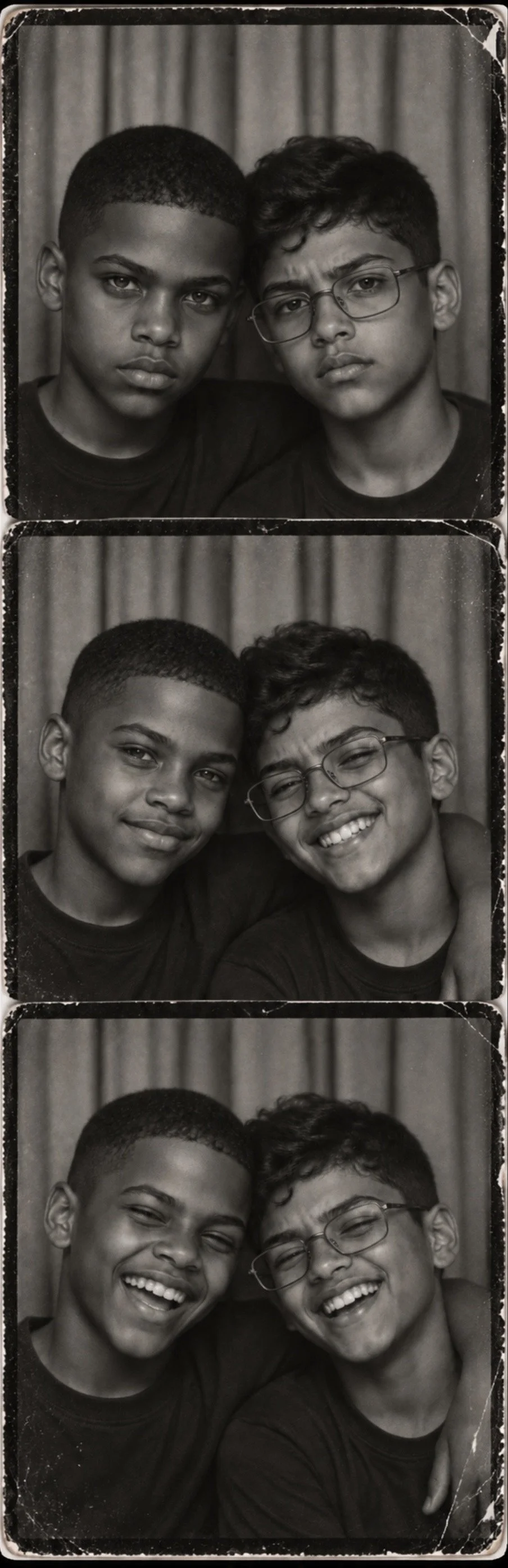
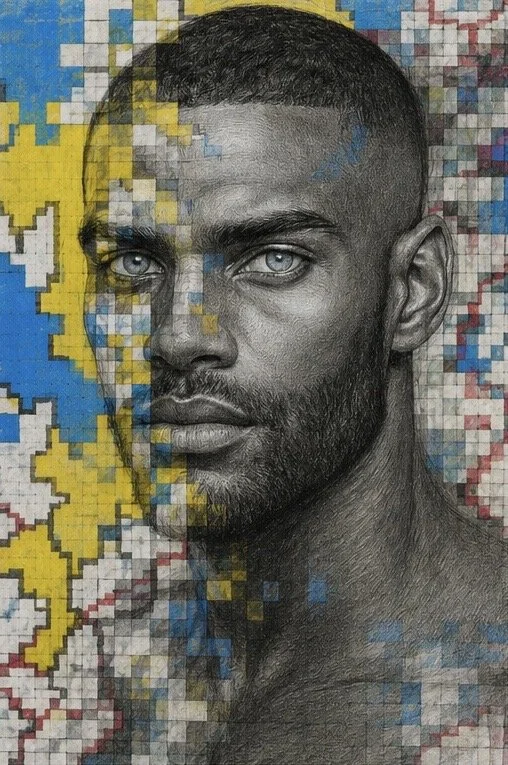
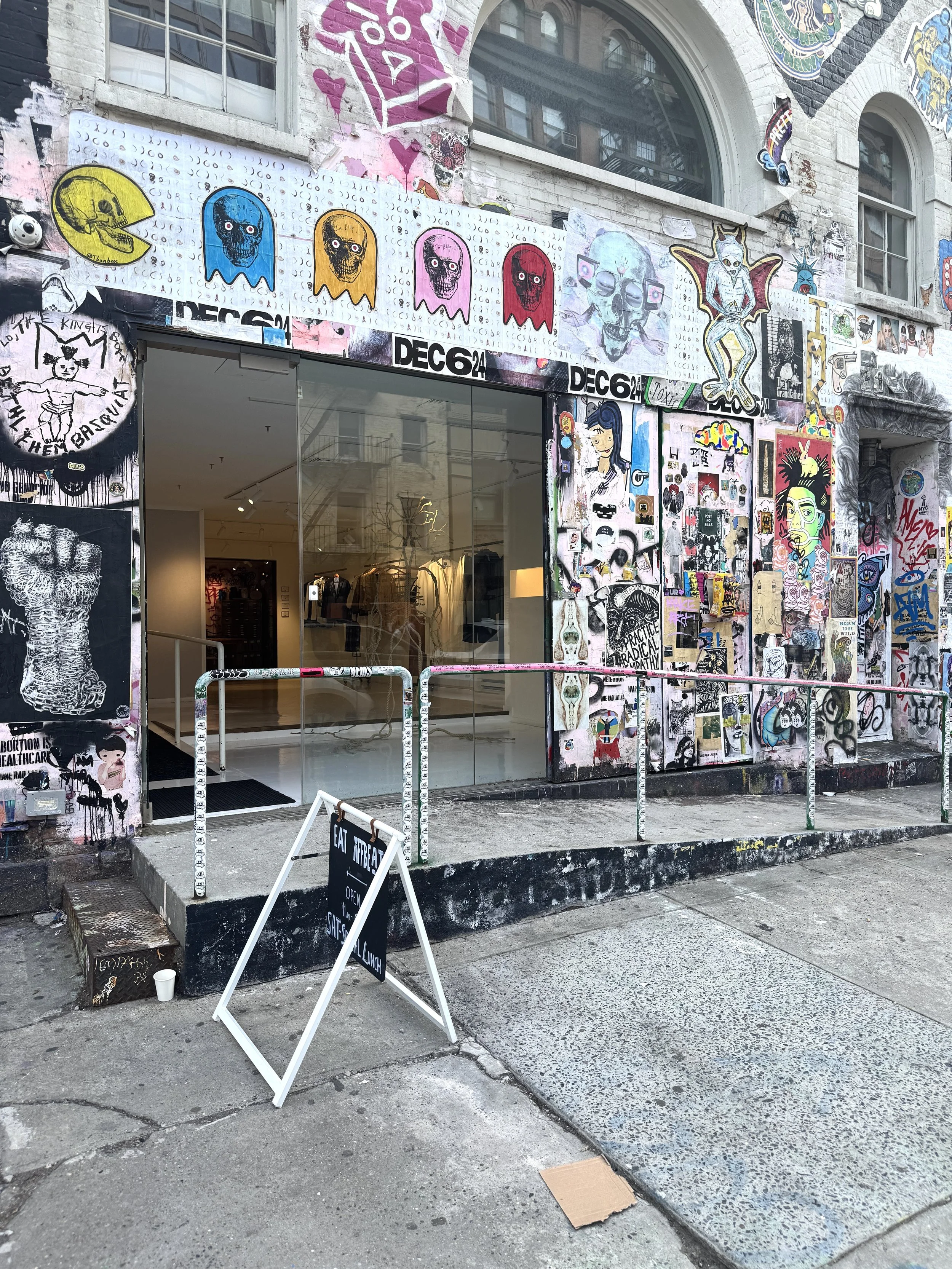
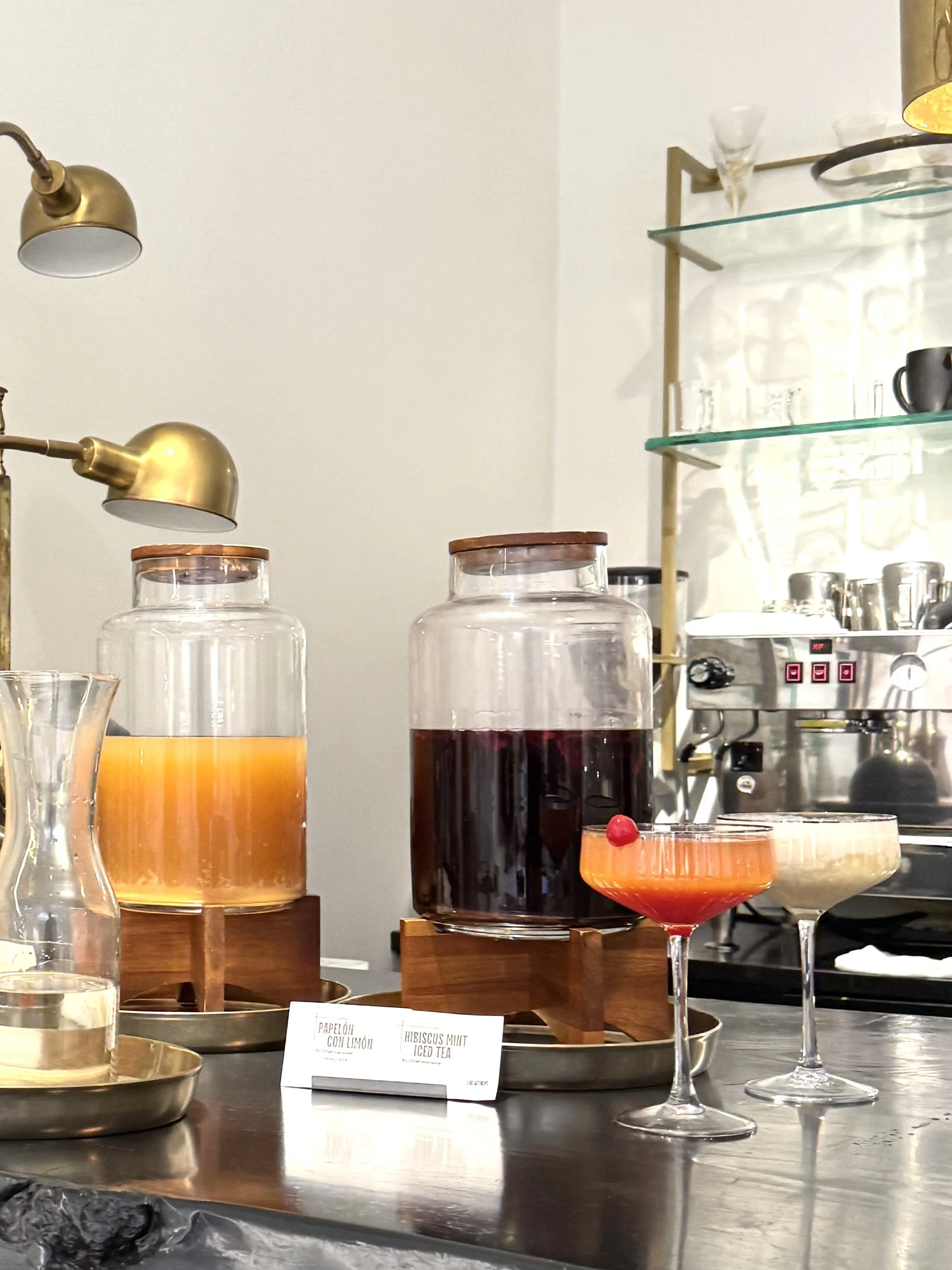
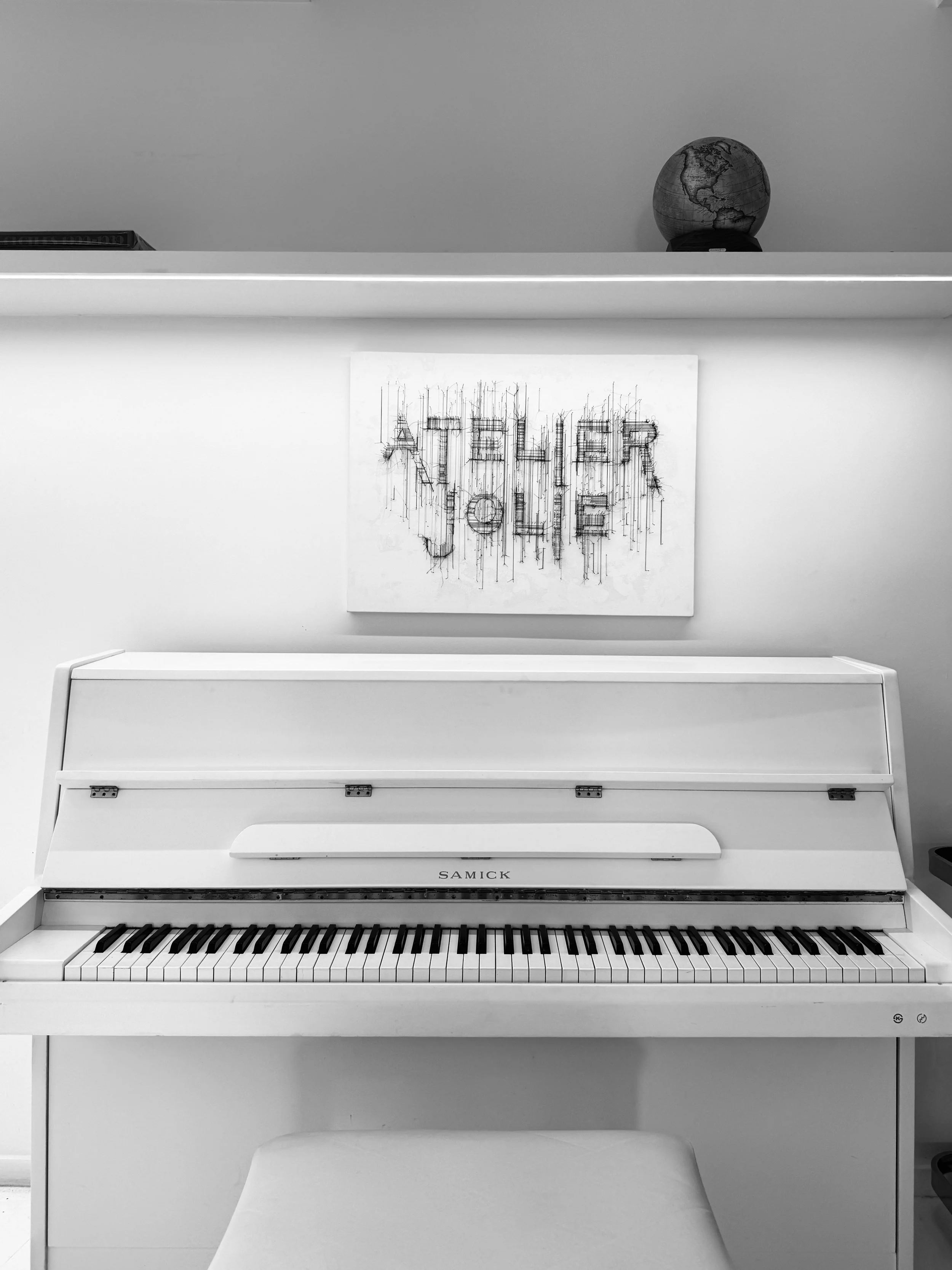
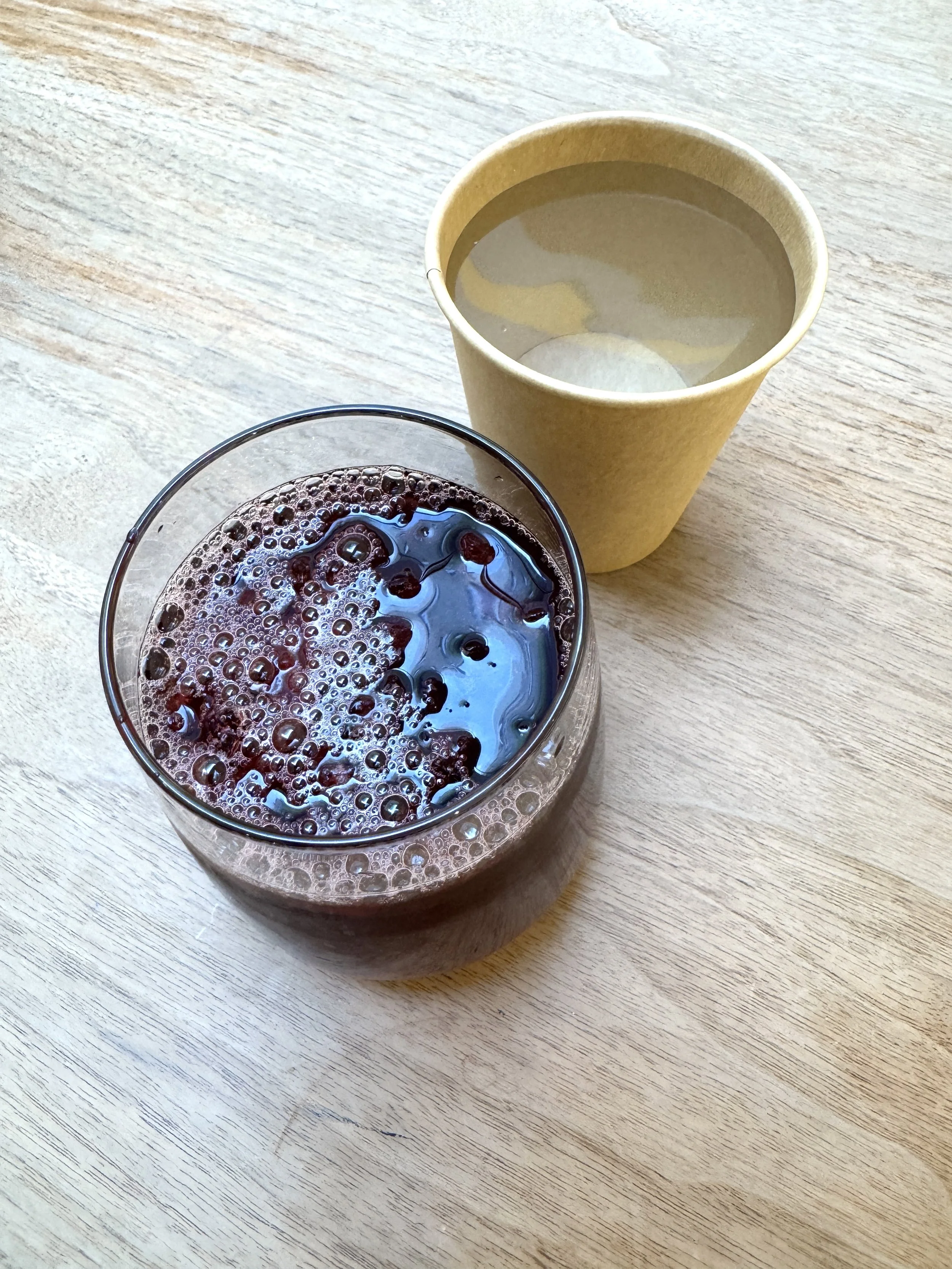
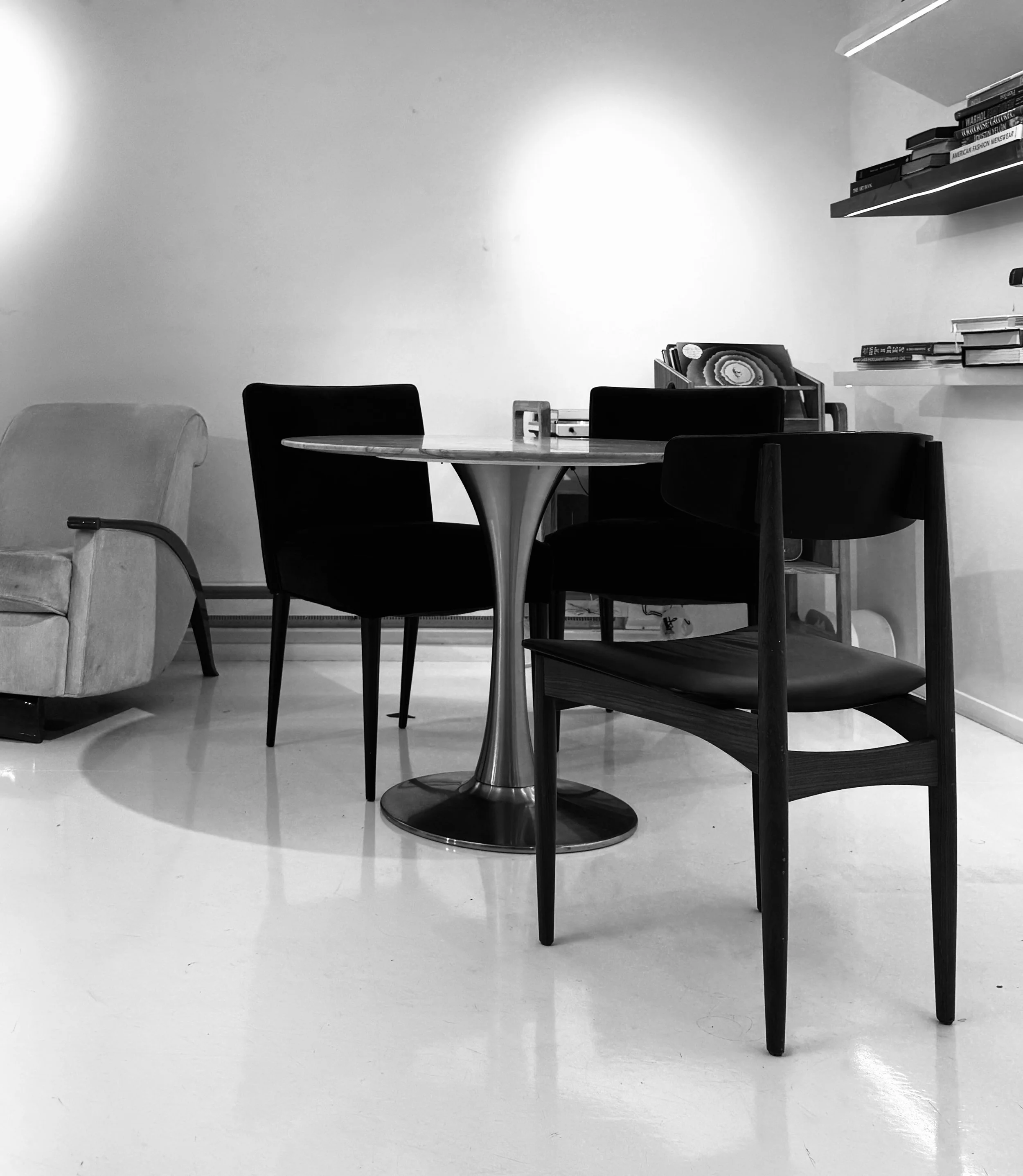
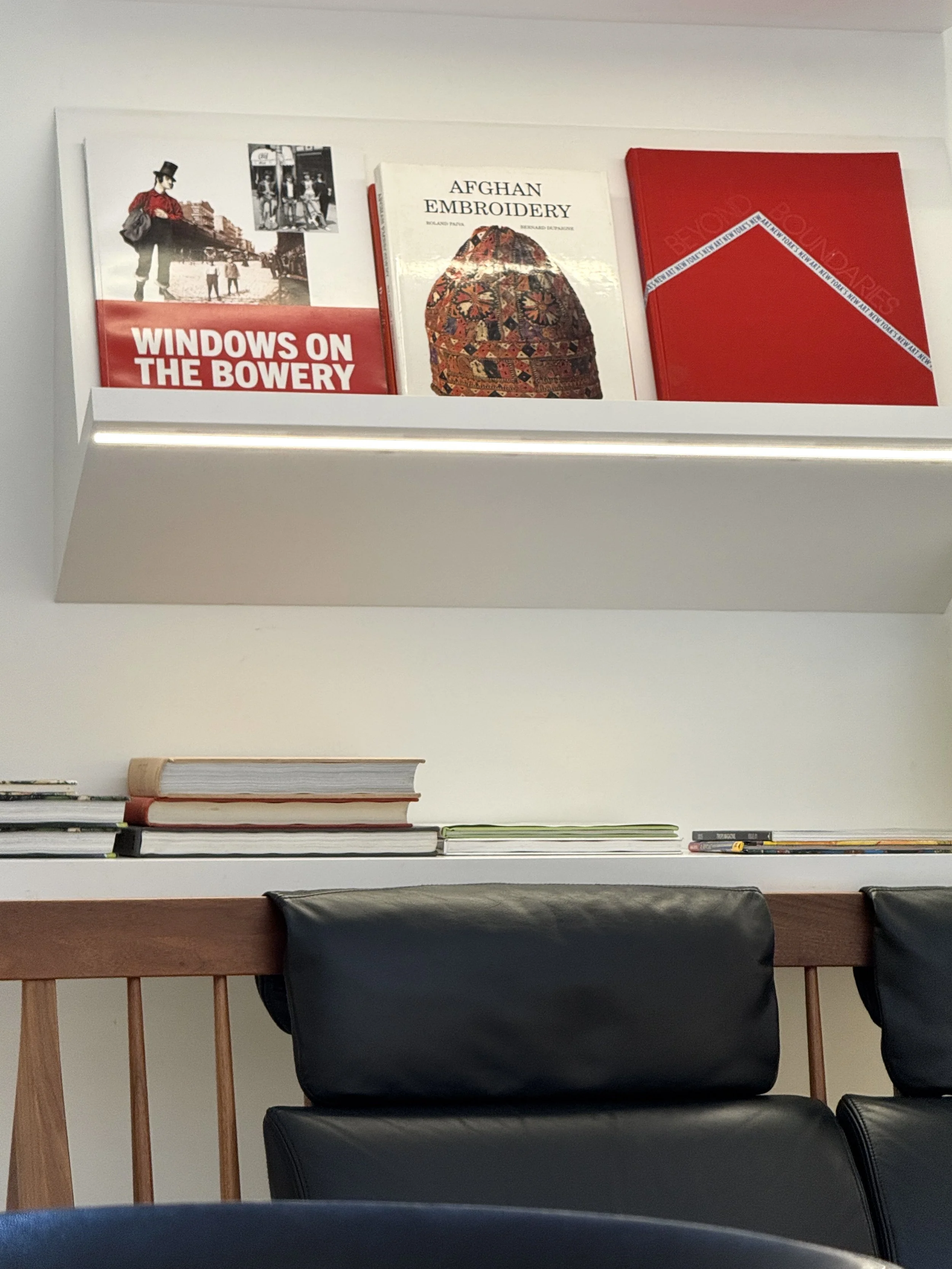
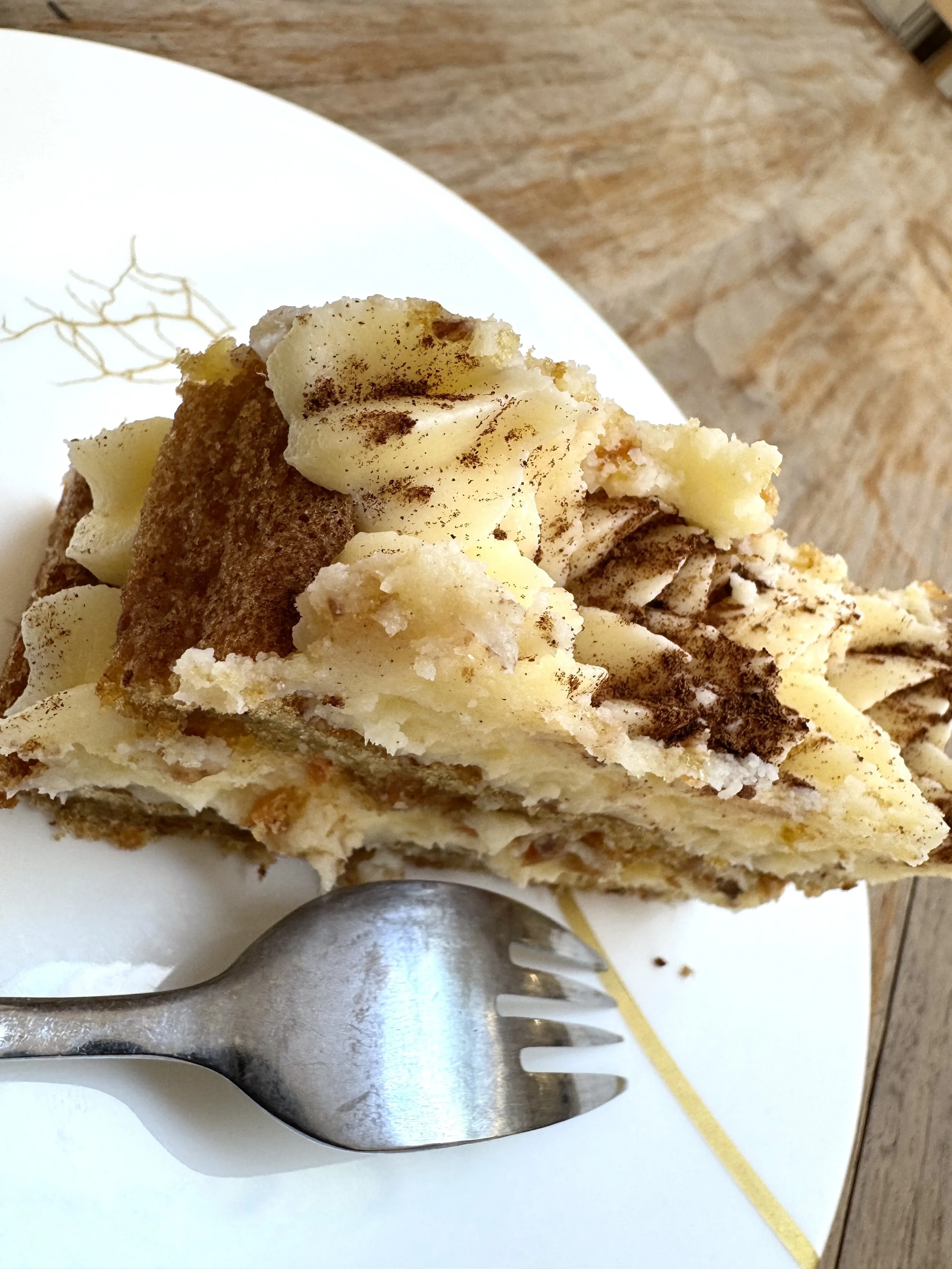
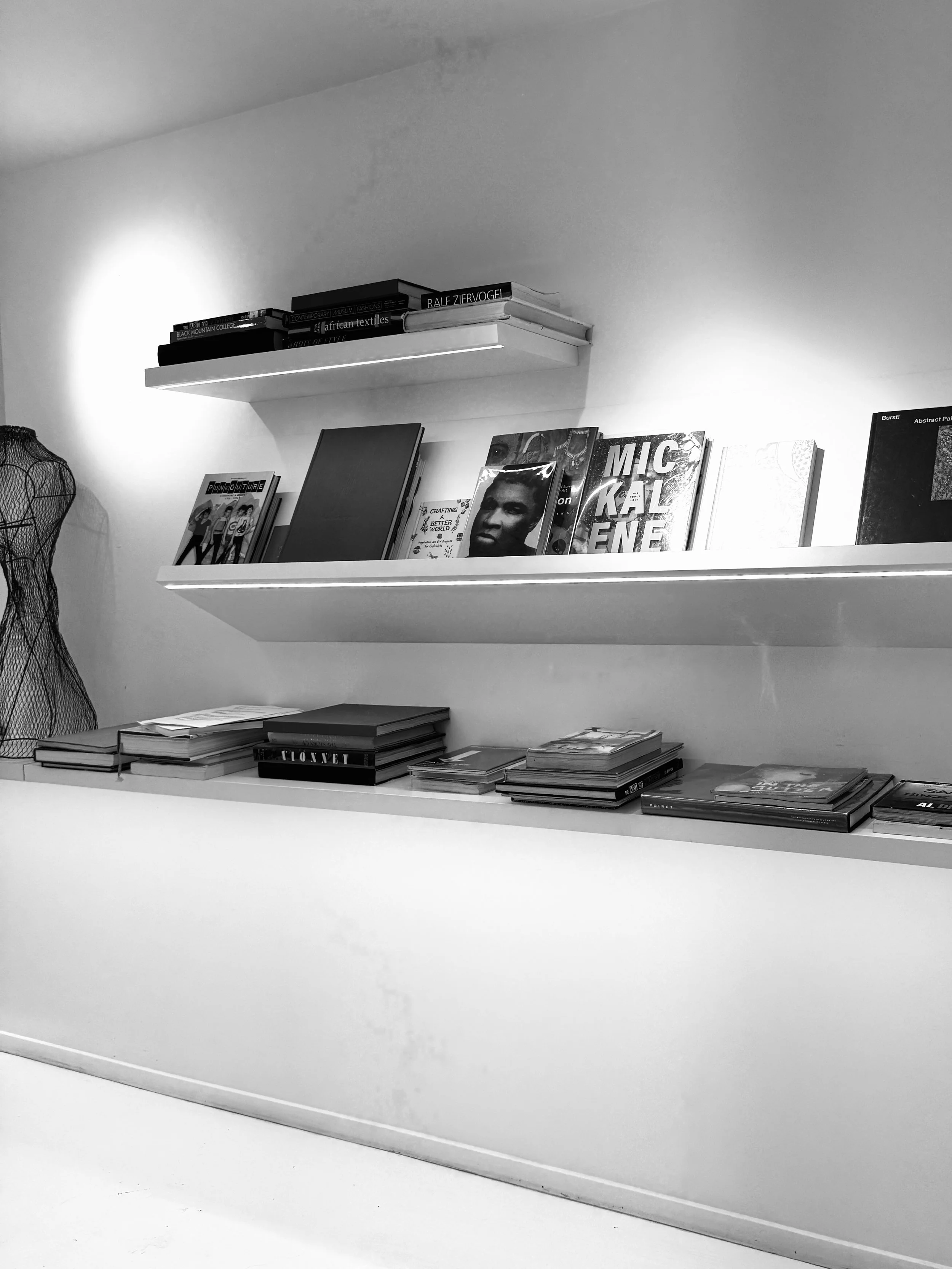
Atelier Jolie entered the archive not because it inspired a specific work, but because it reinforced the kind of spaces I was instinctively seeking during this period of my practice. Throughout 2025, I began making deliberate visits to places with a strong sense of identity—restaurants, galleries, museums, bookstores, and creative environments whose architecture, atmosphere, and editorial sensibility revealed that presentation itself could shape experience.
More importantly, these were spaces that made me feel like I belonged to the city. They reminded me what it felt like—and what it should feel like—to be an artist living in New York. They became places of affirmation as much as inspiration, quietly influencing how I think about sequence, material, rhythm, presentation, and the relationship between art and its surroundings.
The experience of Atelier Jolie was deepened by the building’s own history. Andy Warhol once owned the property, and Jean-Michel Basquiat lived upstairs while maintaining his painting studio here. Long before it became Atelier Jolie, the building had already been a place where artists lived and worked. Knowing that history made the visit feel less like entering a café and more like stepping into a continuing creative lineage.
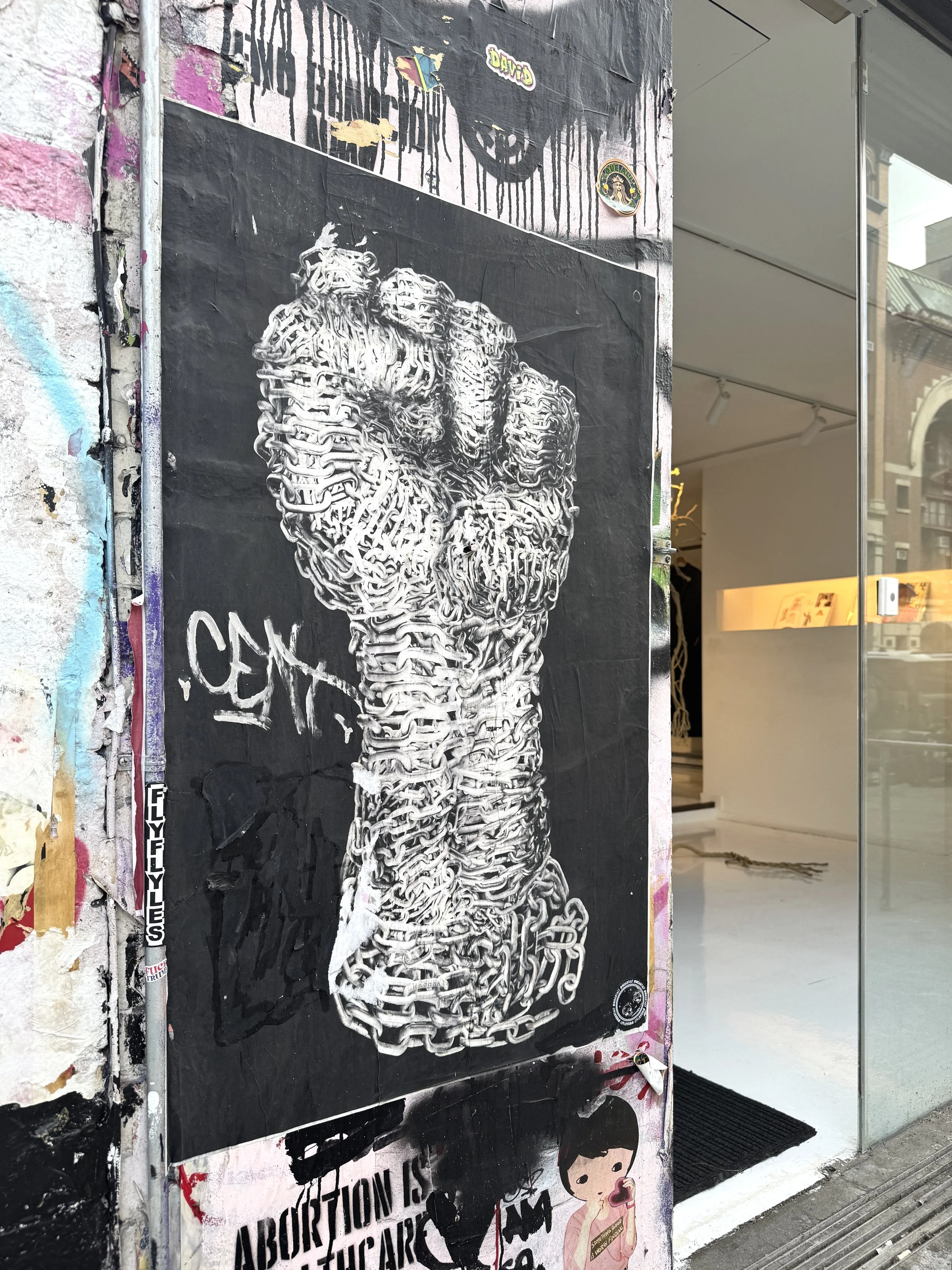
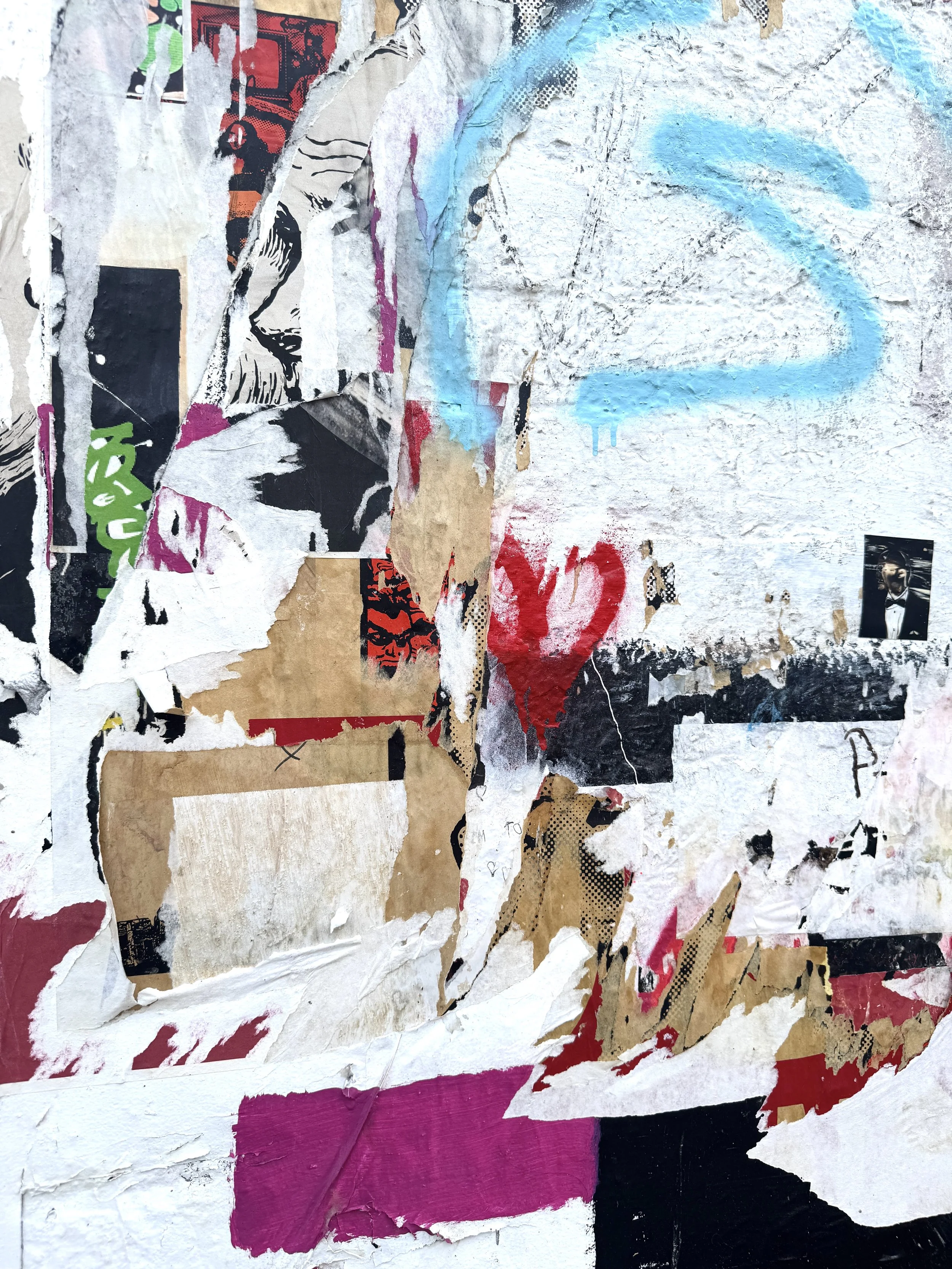
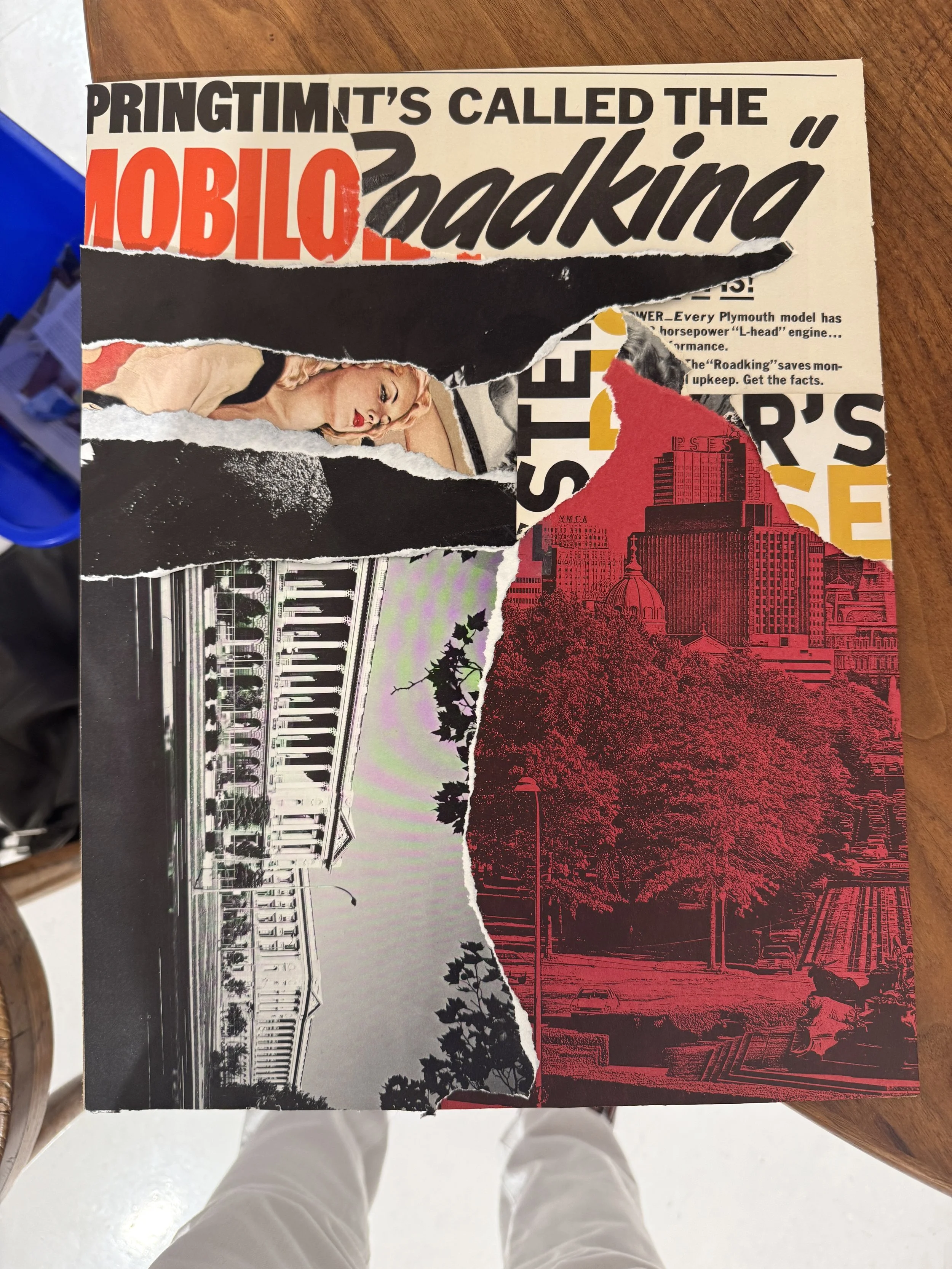
Experimental Collage Workshop
Atelier Jolie — July 2026
A study in fragmentation, typography, and found imagery.
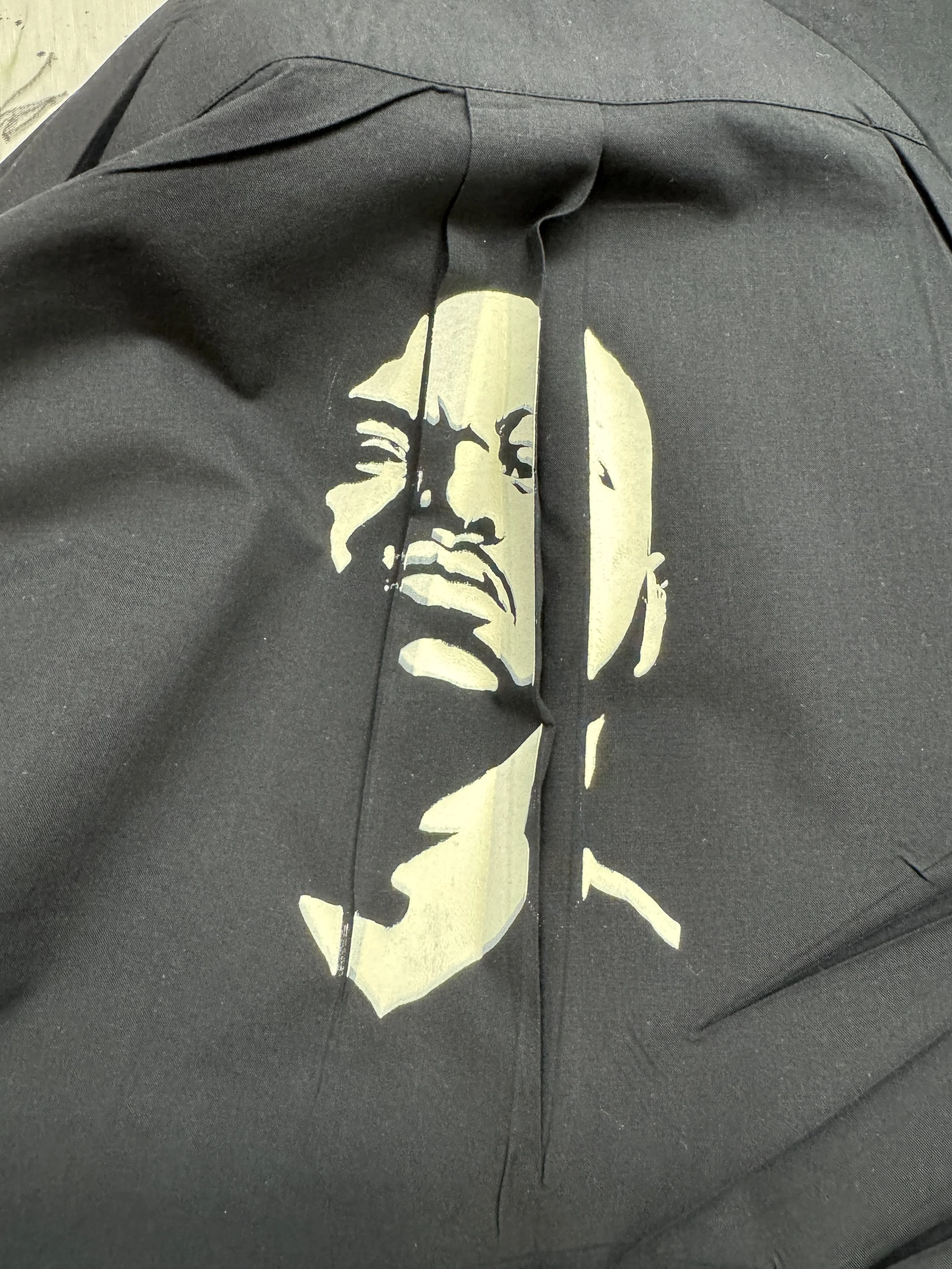

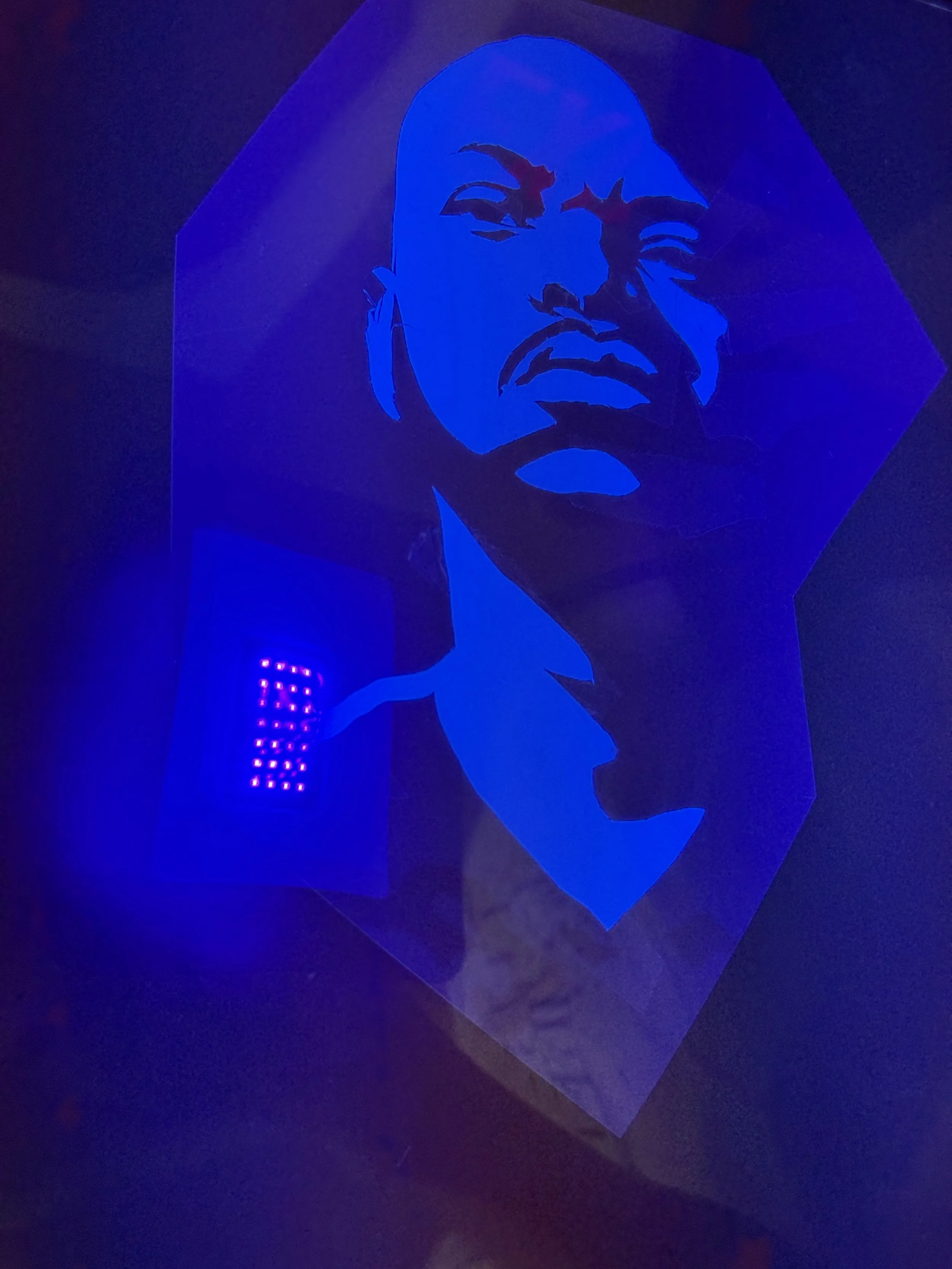
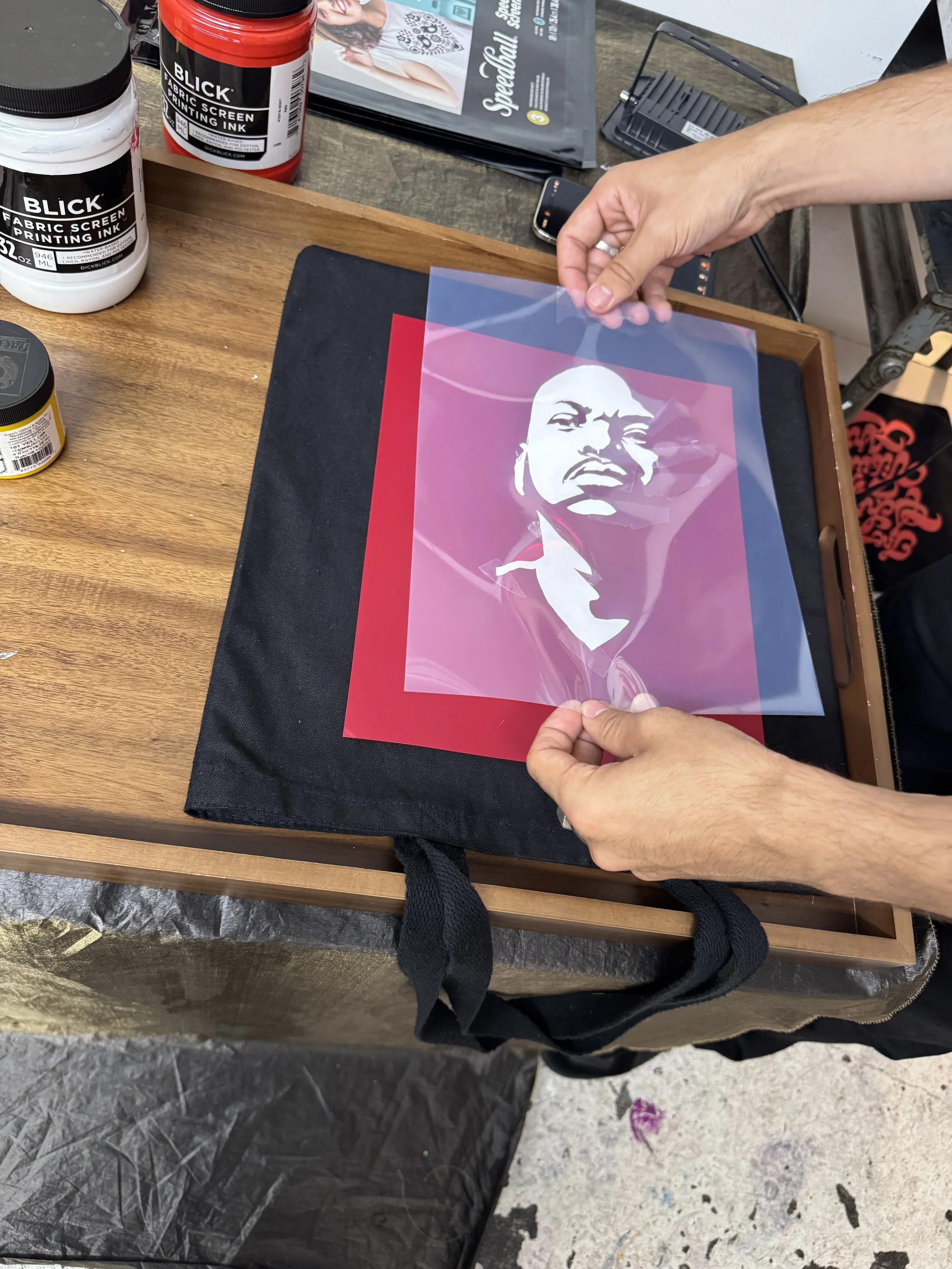
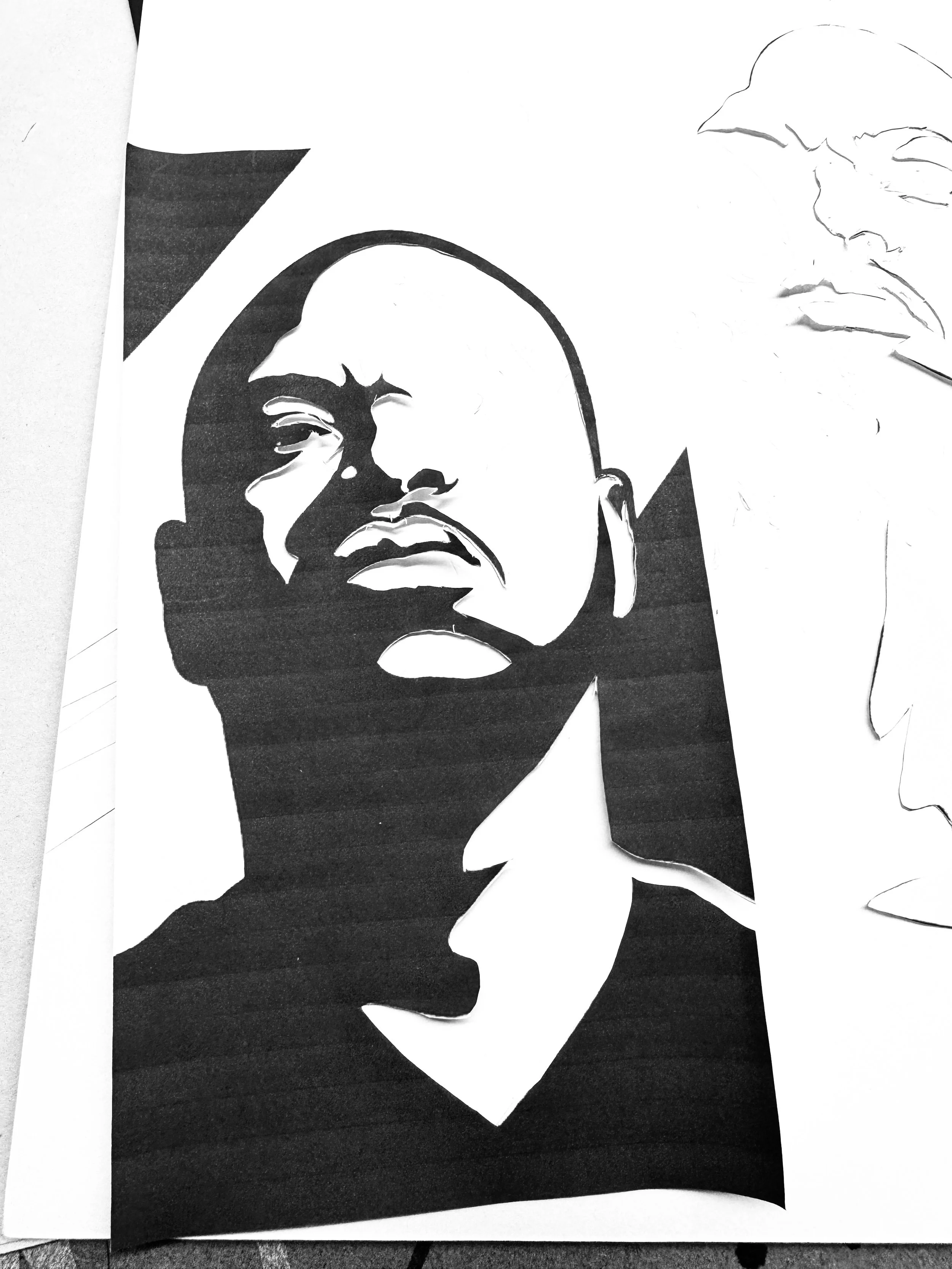
Screen Printing Workshop
Atelier Jolie — August 2026
Workshop led by Giancarlo Cipri
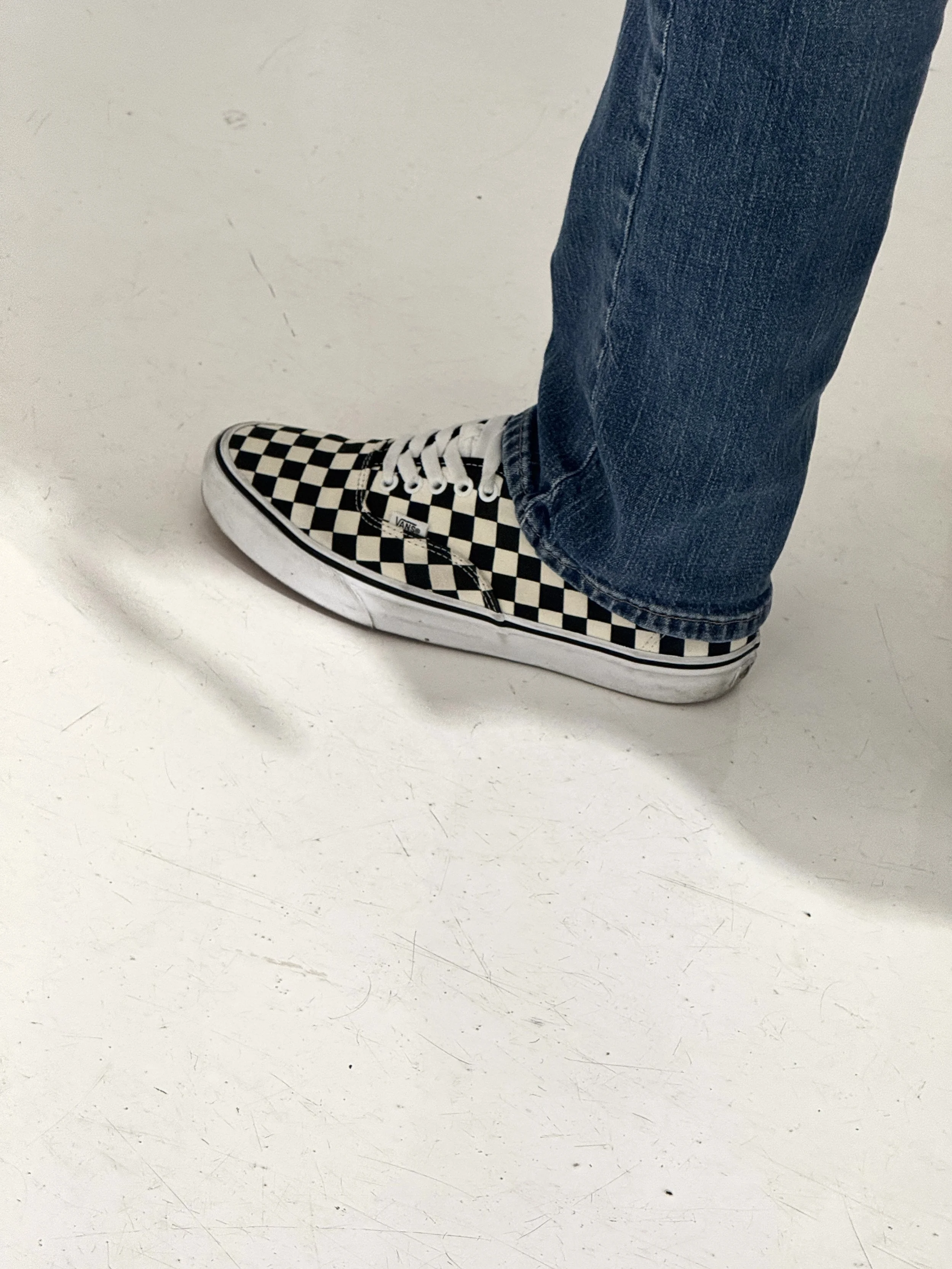
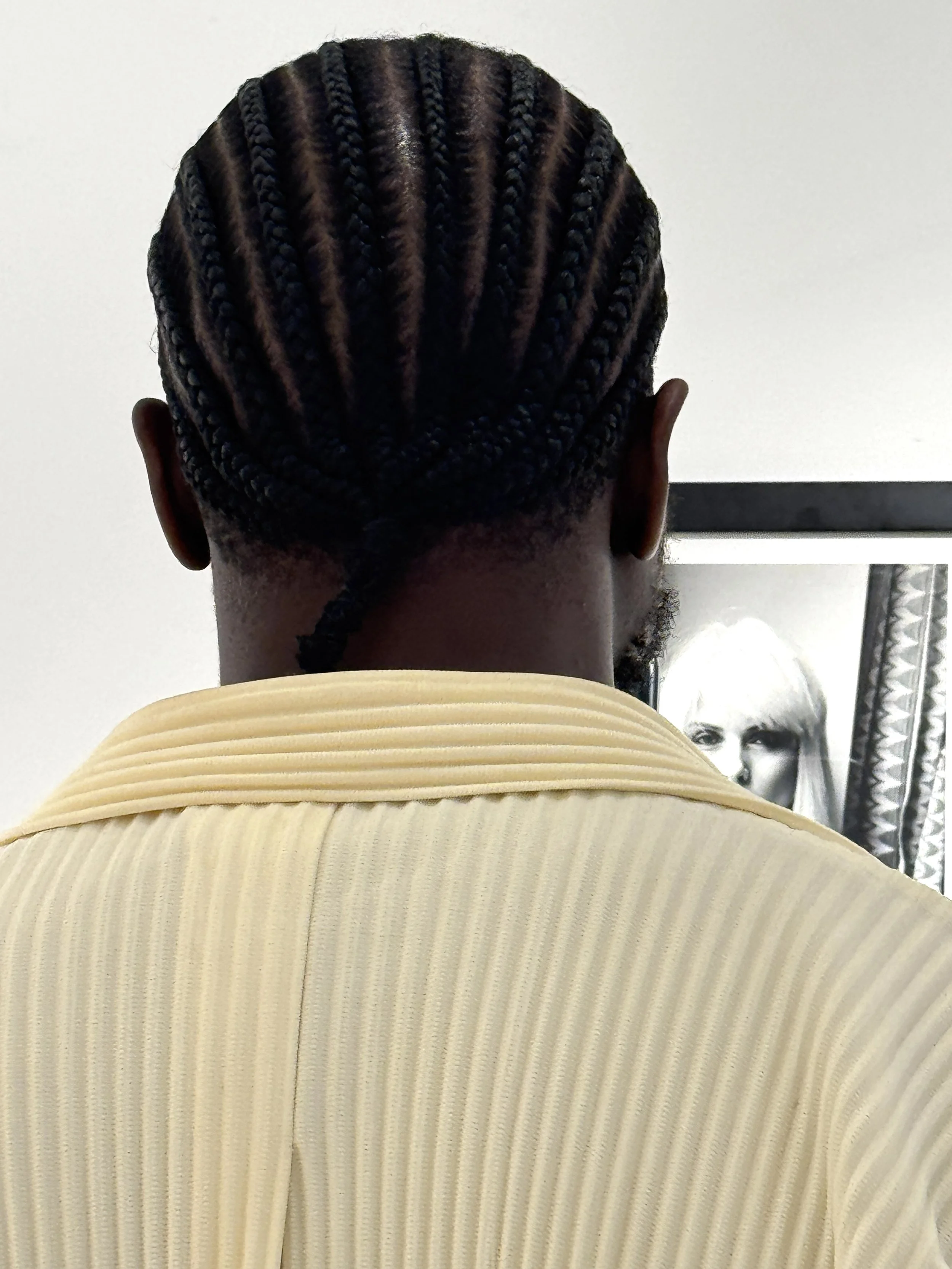
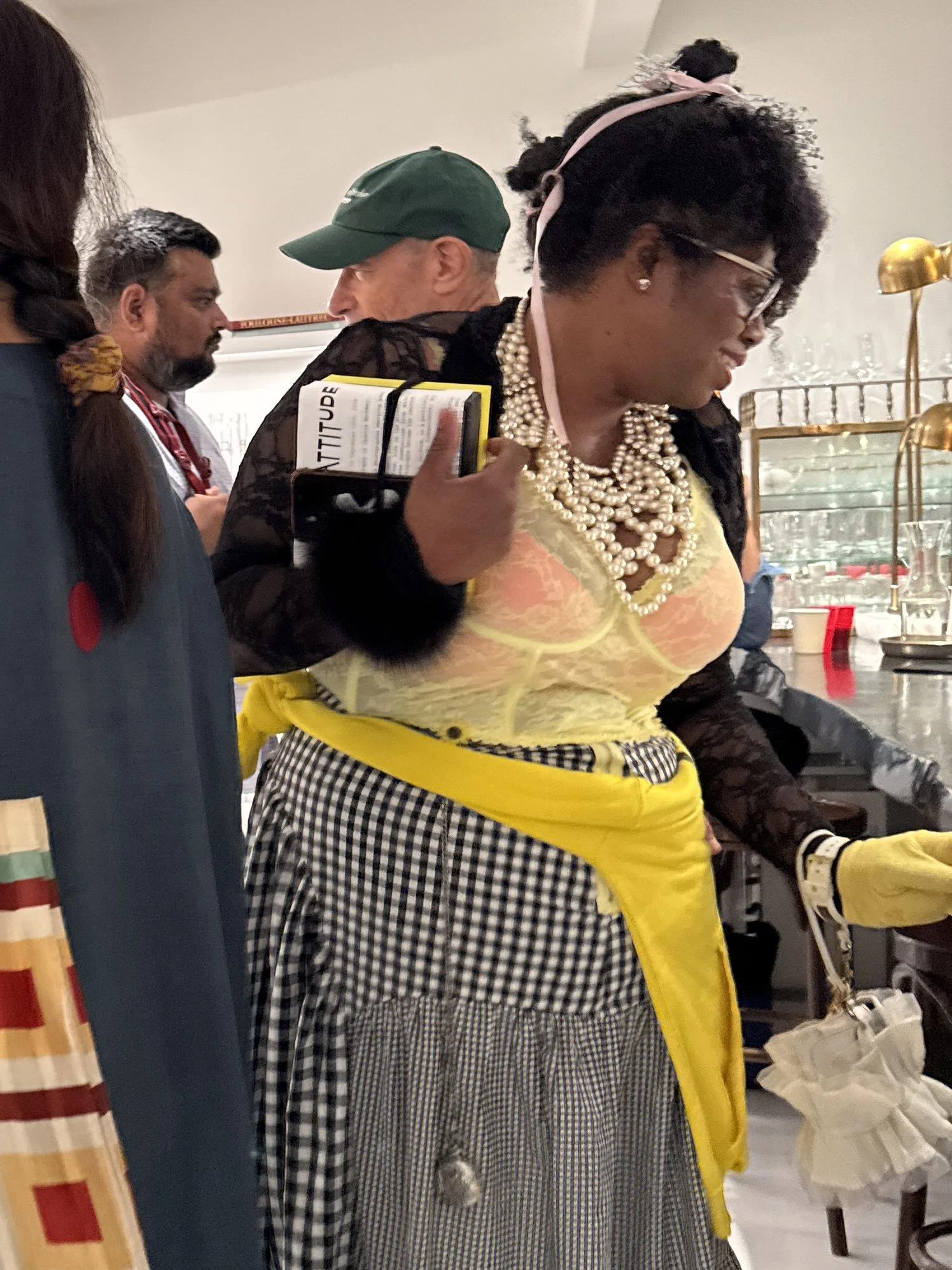
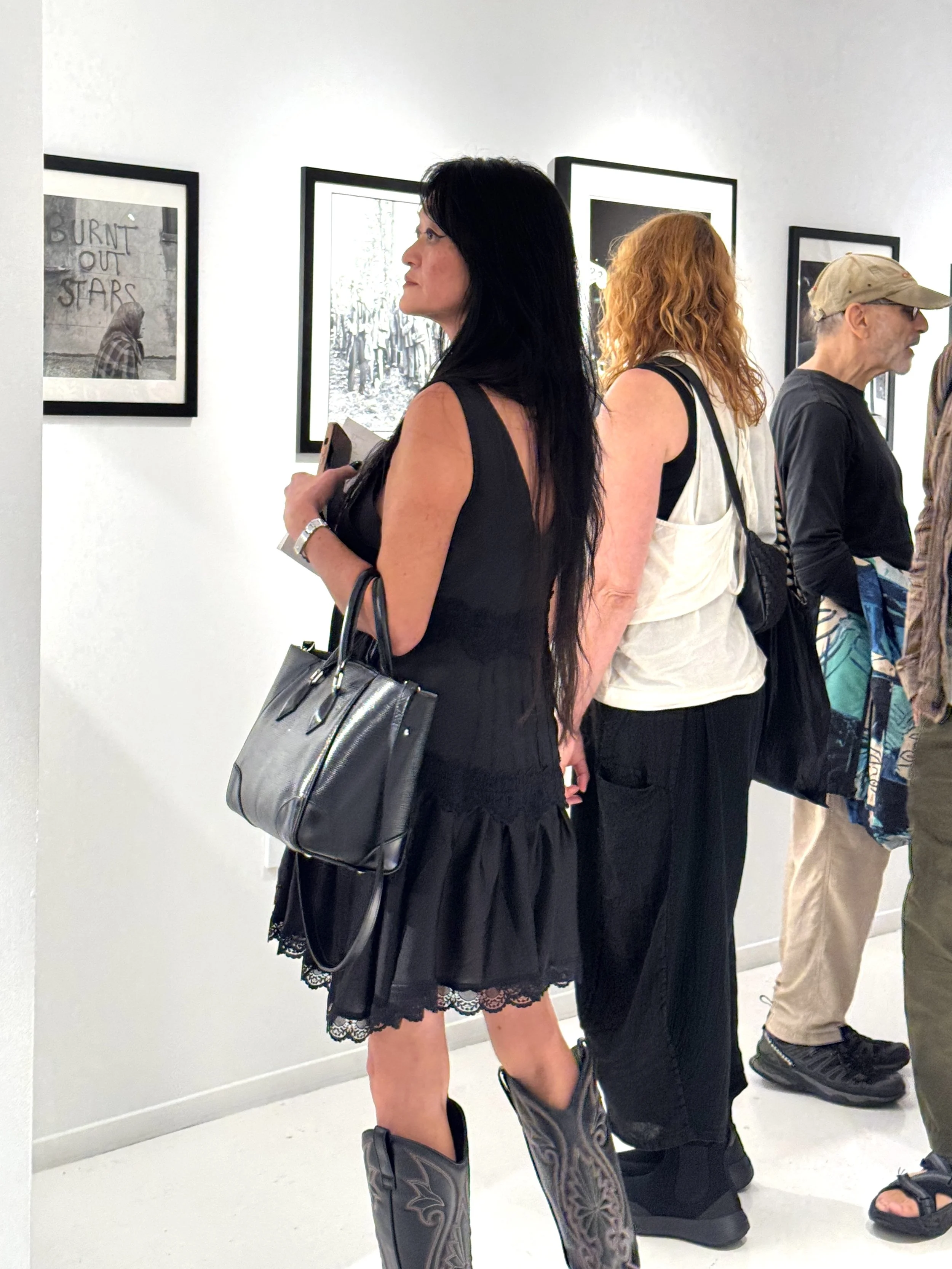
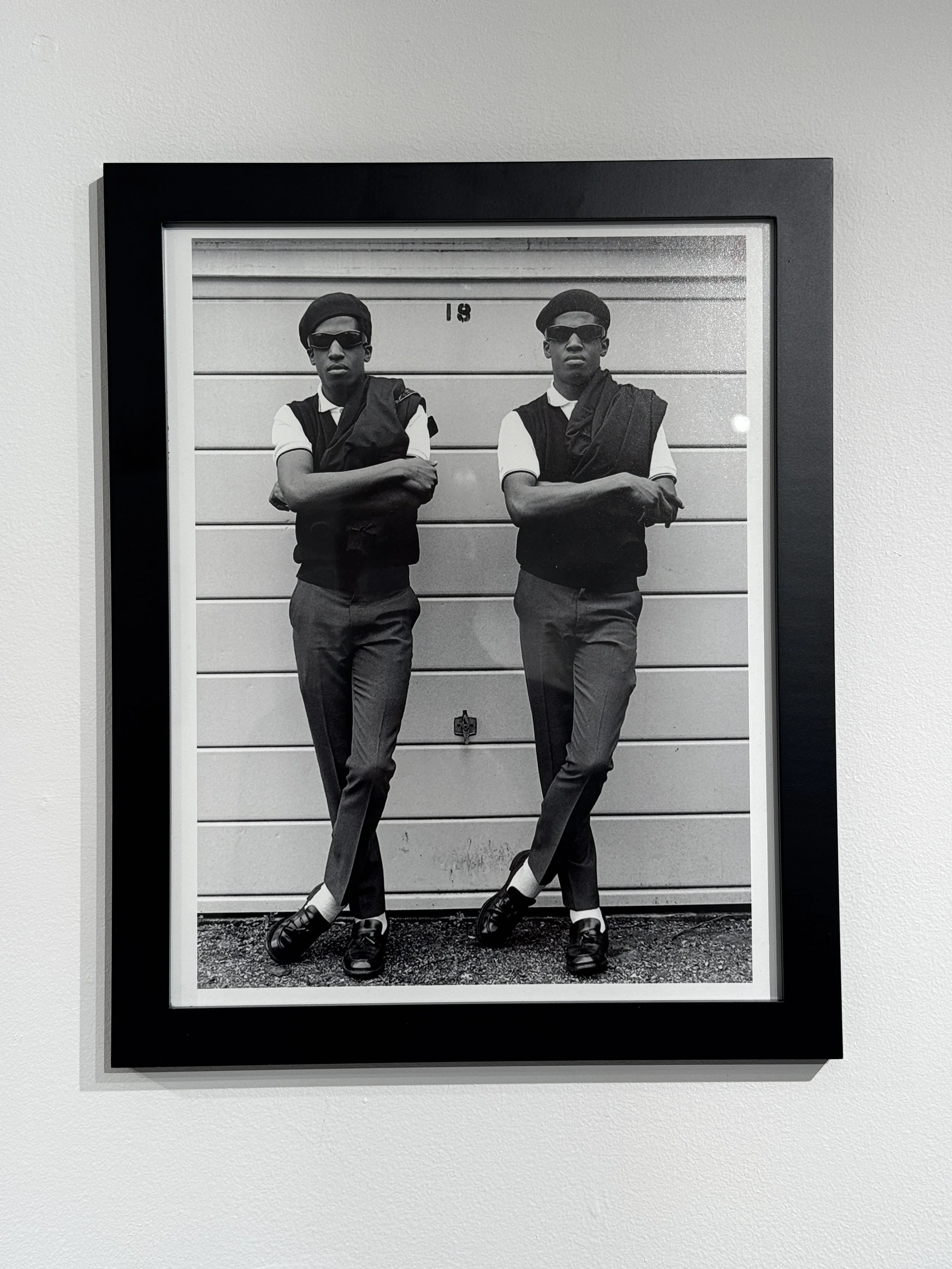
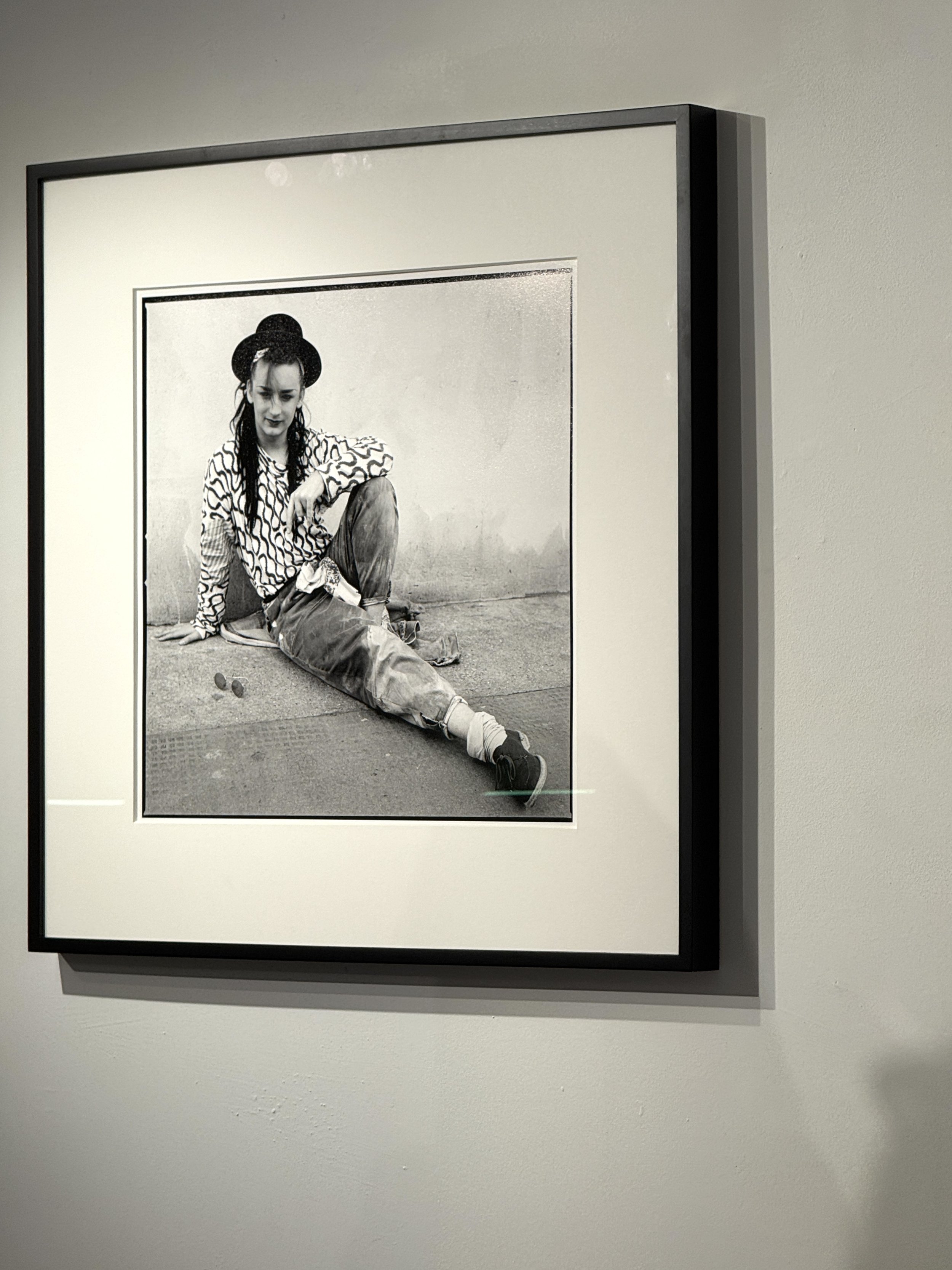
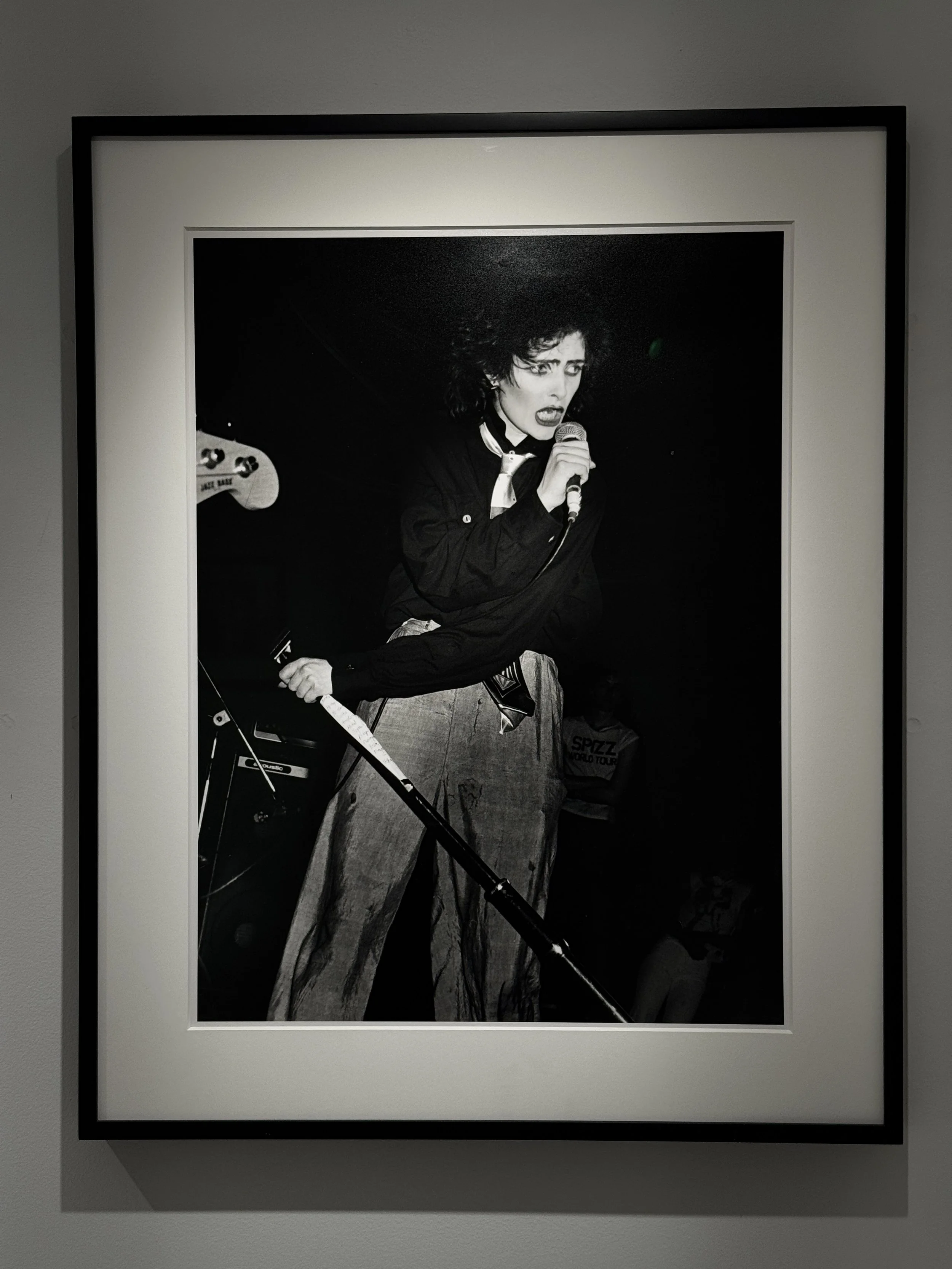
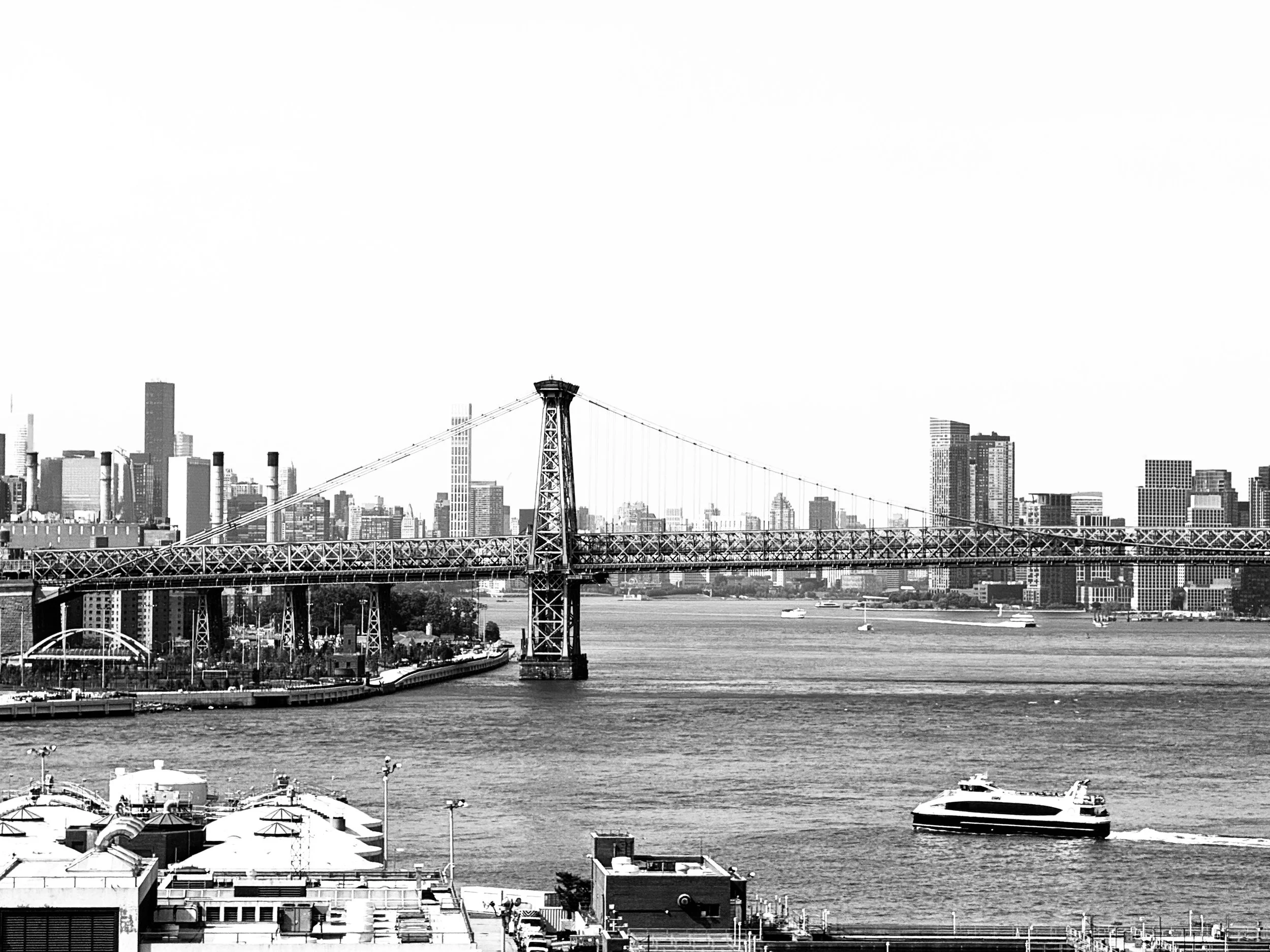
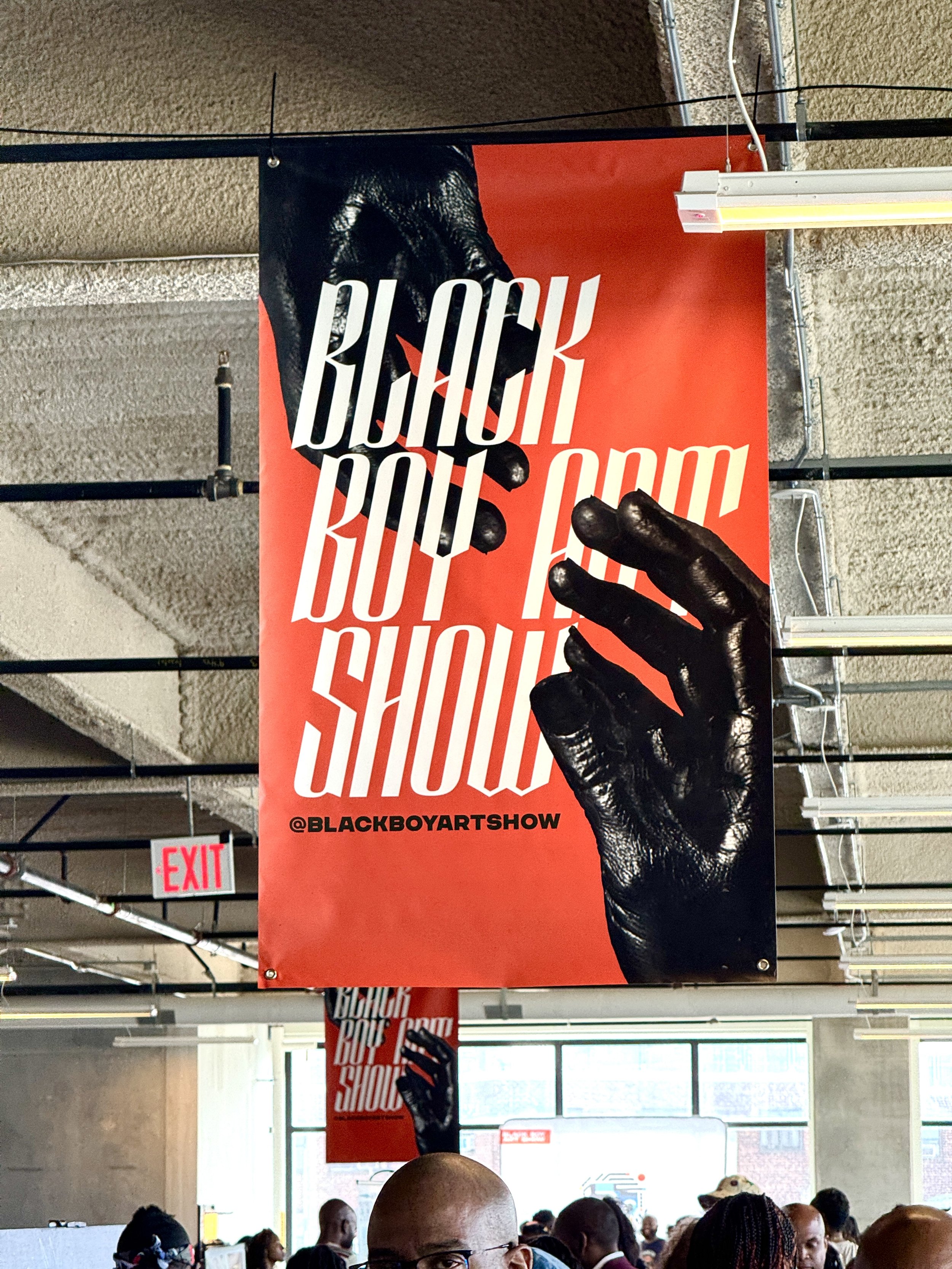
Black Boy Art Show entered the archive because it arrived at a moment when I was beginning to trust my own creative voice again. I had heard about the exhibition before but had never attended, and I was eager to see what a room full of Black men would create when given the opportunity to present their work. The energy did not disappoint. More than any individual artwork, what stayed with me was the overwhelming sense of community, generosity, pride, and shared purpose. It was a room filled with people encouraging one another to make, to show, and to believe in themselves.
As I walked through the exhibition, I could feel something changing within me. The excitement was almost uncontainable, as though a fire had been reignited. At the time, I didn’t yet have a clear vehicle for all of that creative energy, but I knew it was building. Looking back, I recognize this day as one of many moments that gave me permission to believe in my own work again. Each exhibition, museum visit, and conversation became another step toward the practice I was quietly rebuilding.
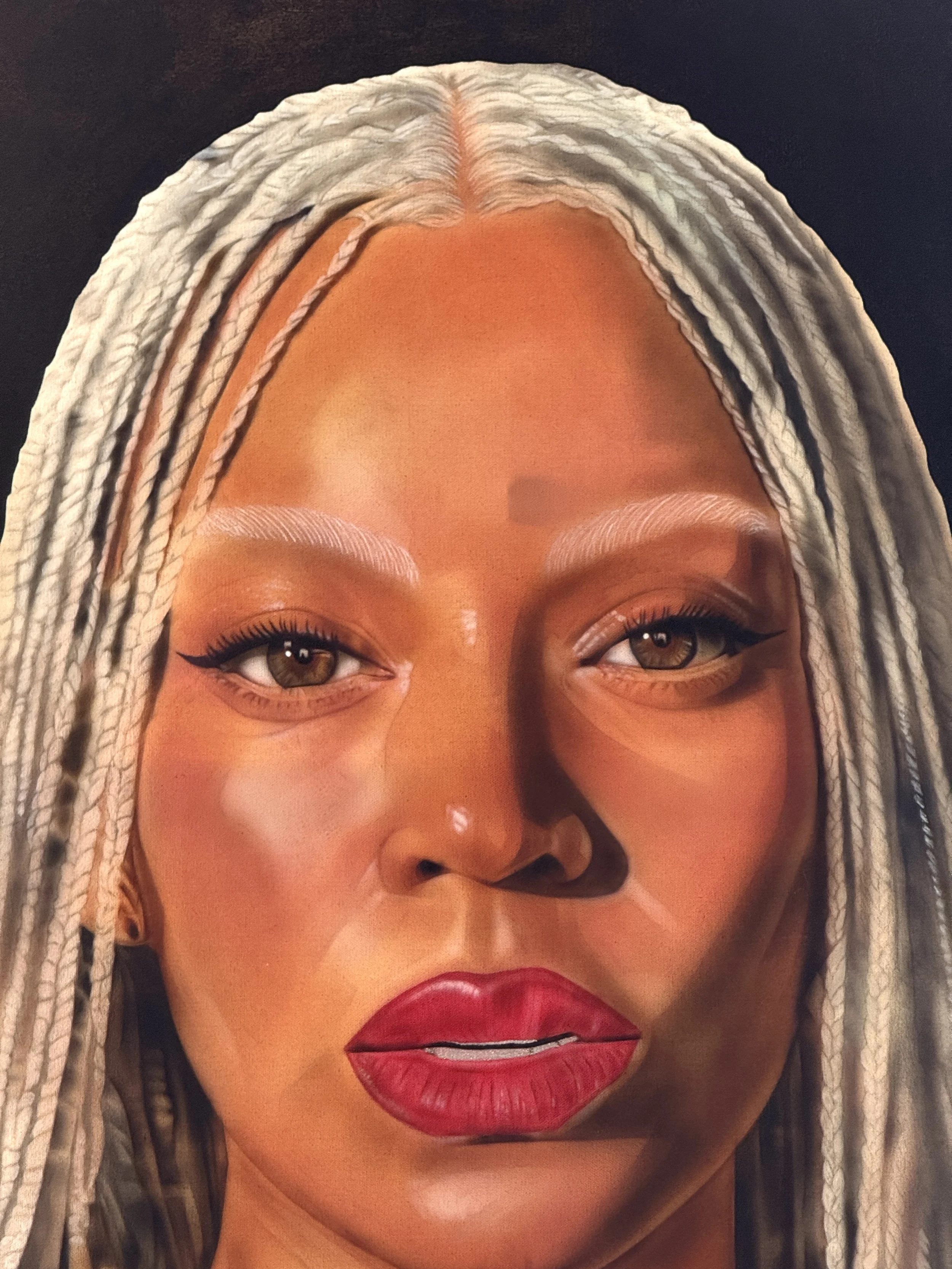
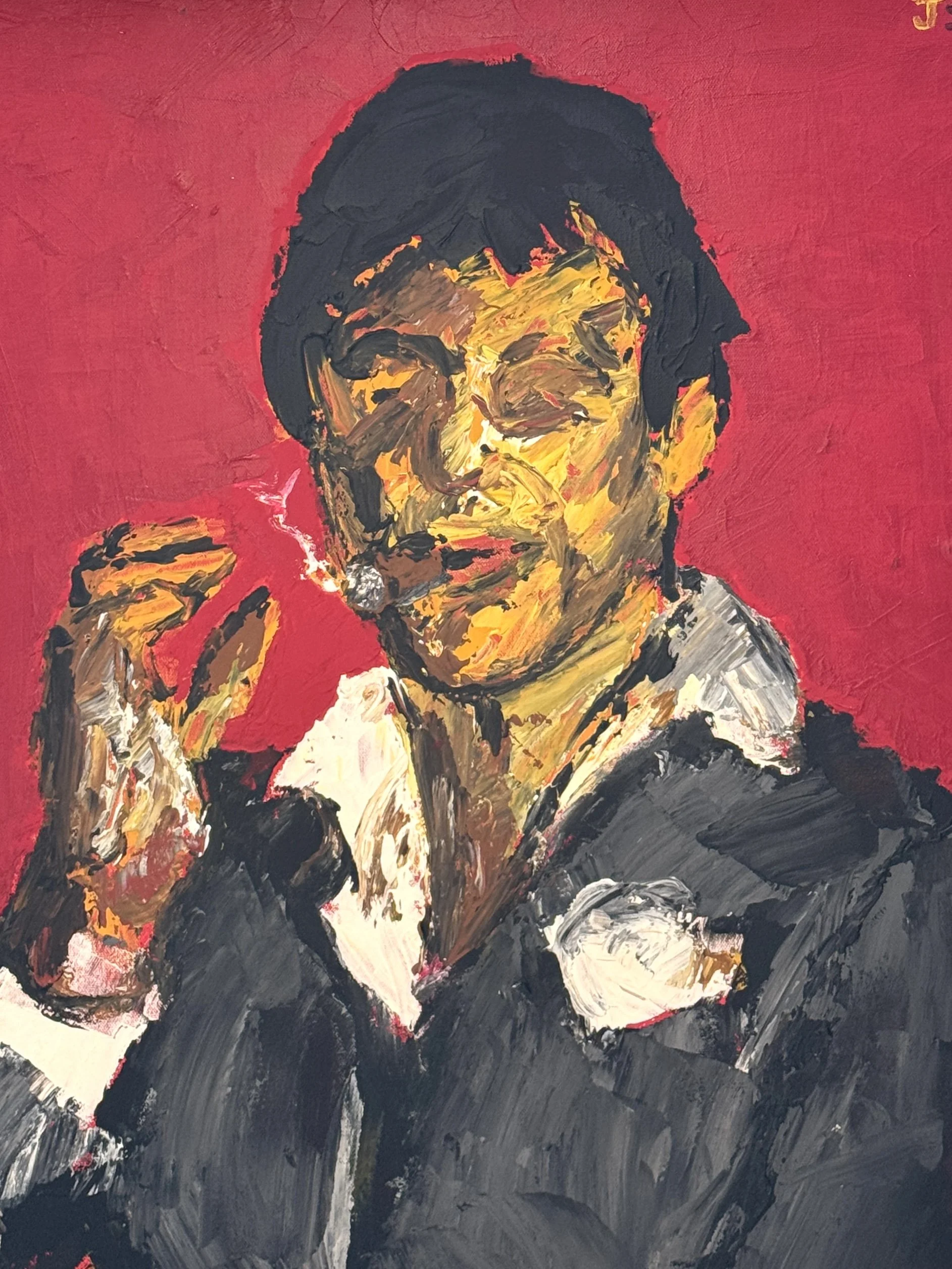
Paul of Fame
QueenBey
Airbrush, Acrylic on GWC, 30 × 40 in
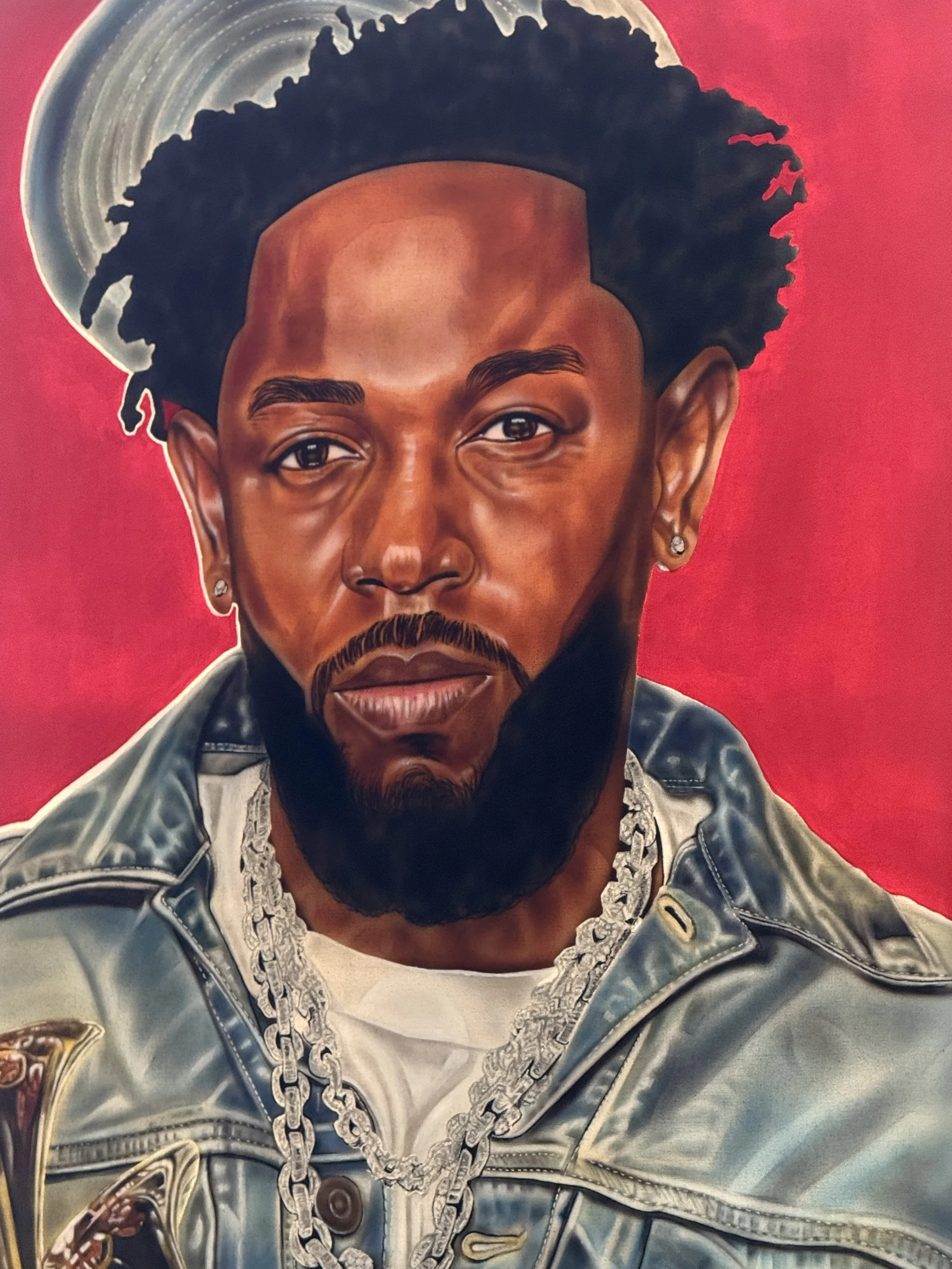
Paul of Fame
Kendrick Lamar
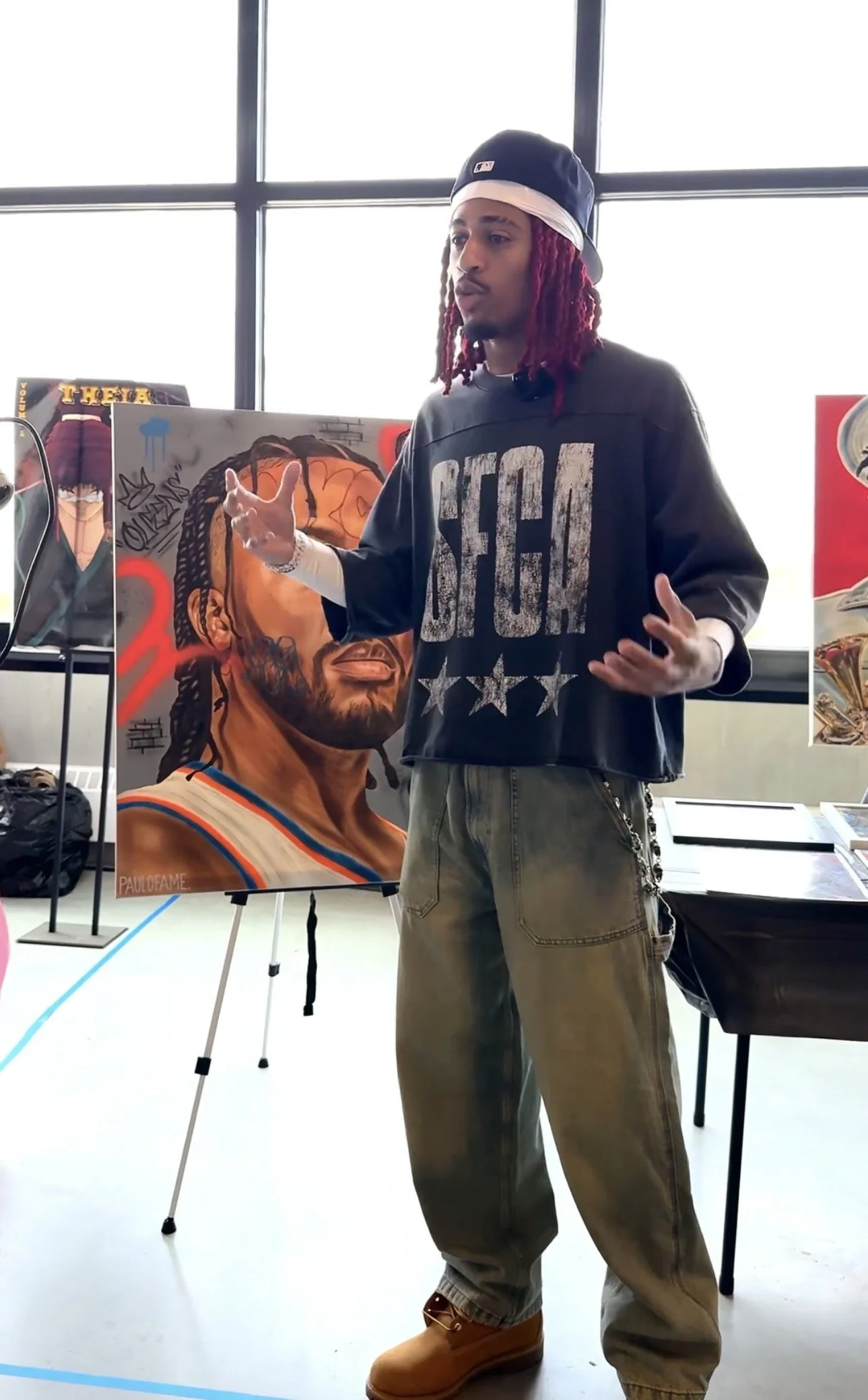
Paul of Fame
Presenting his work at the Black Boy Art Show
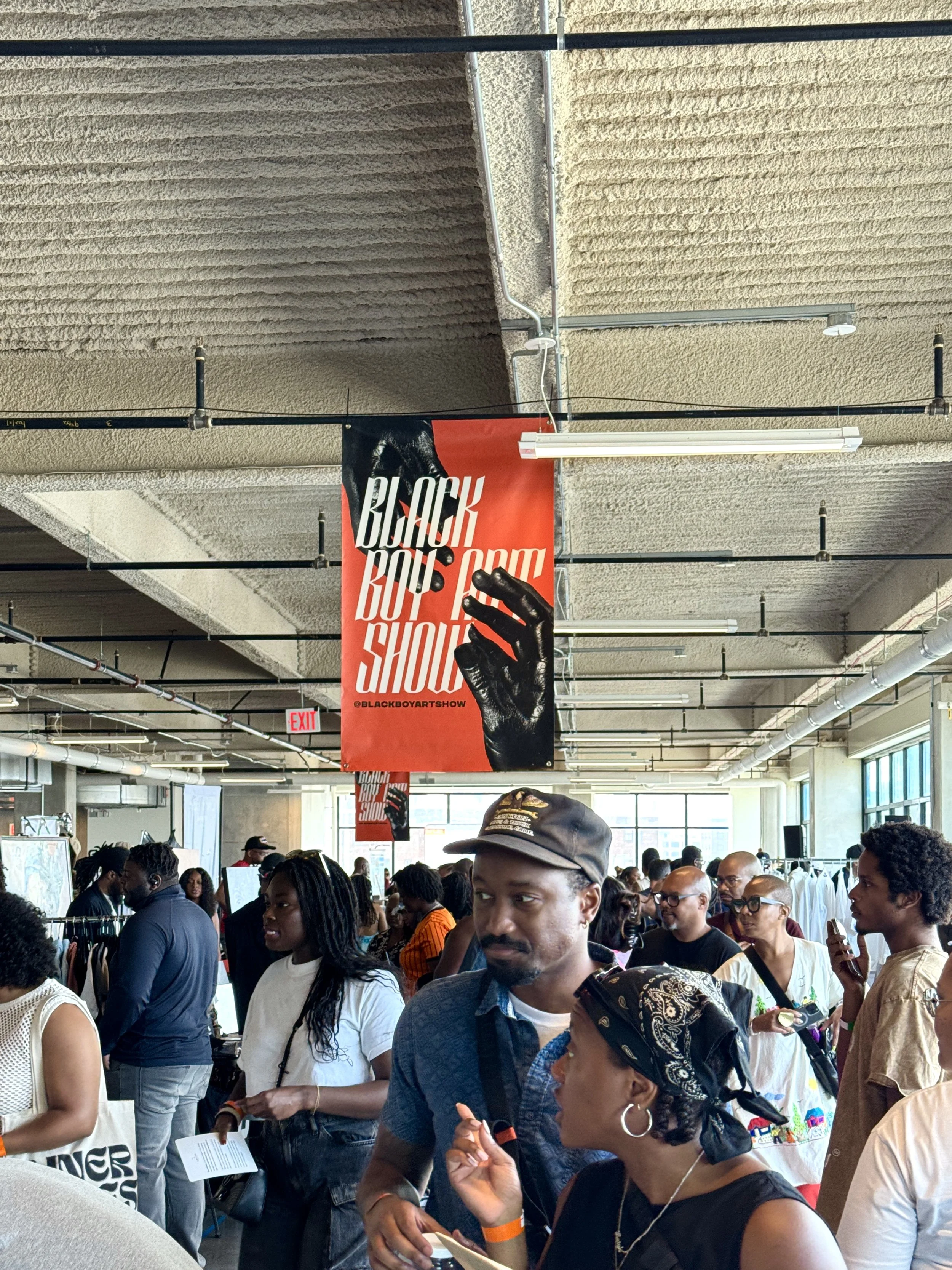
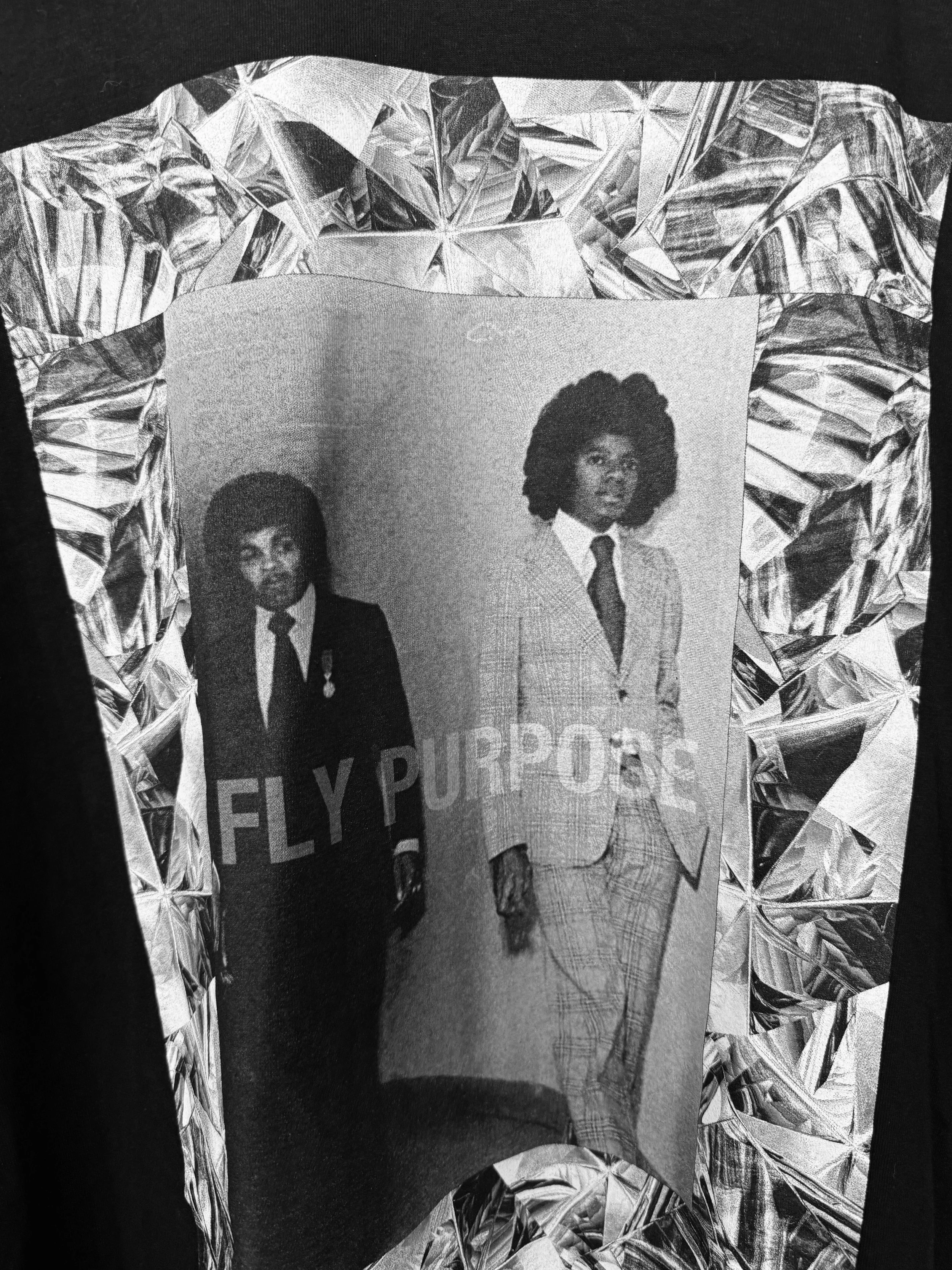
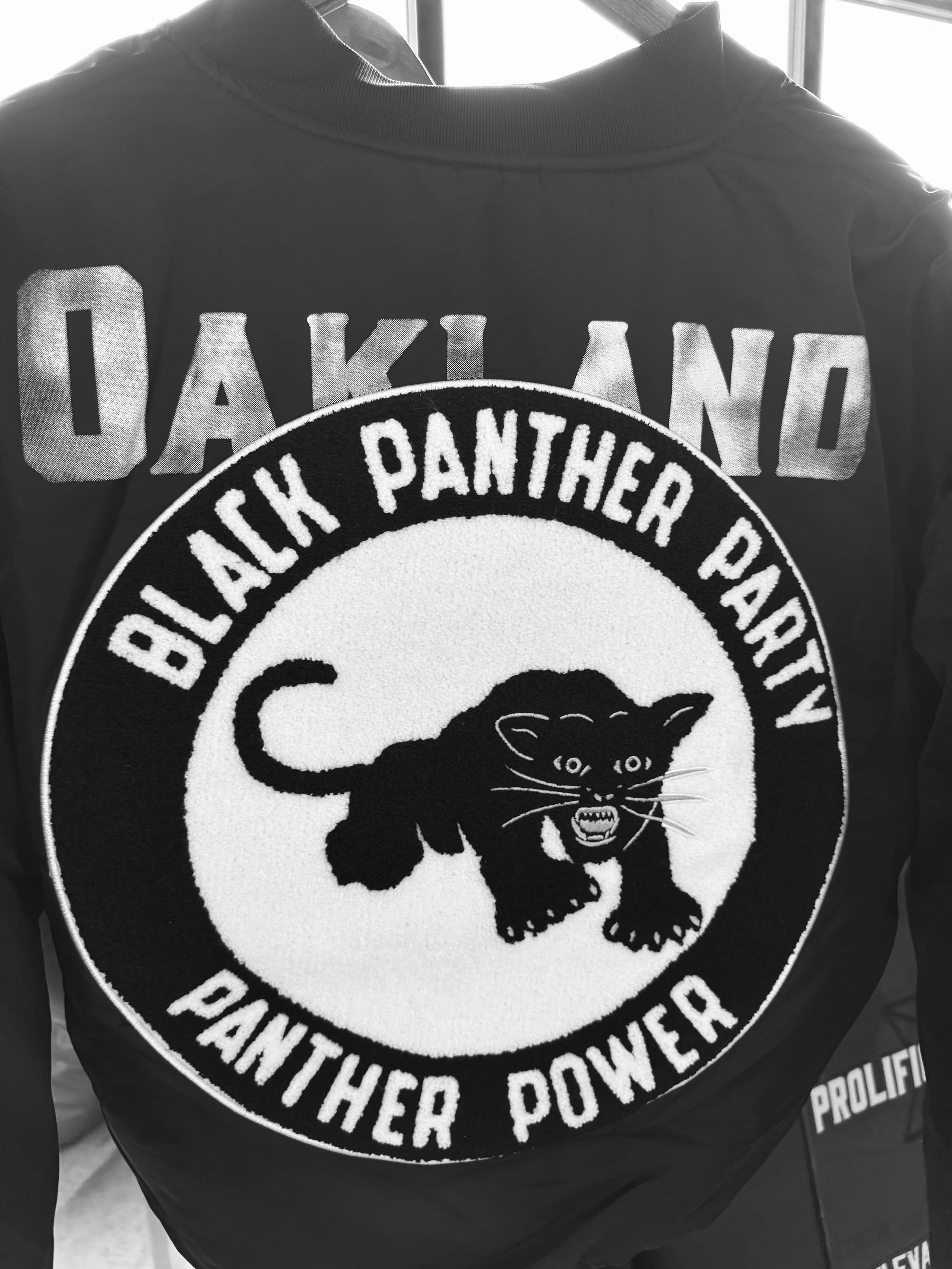
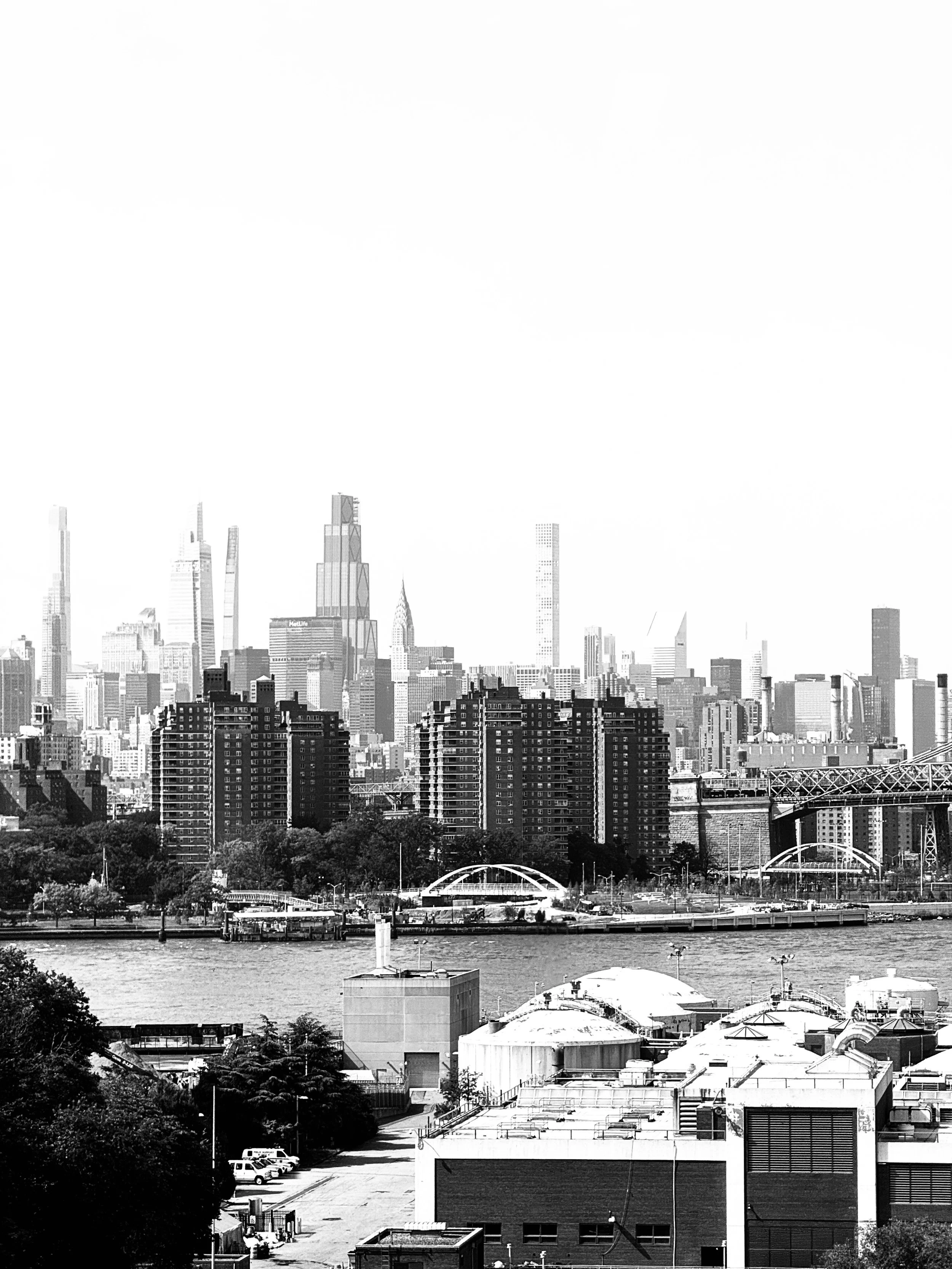
January 2026
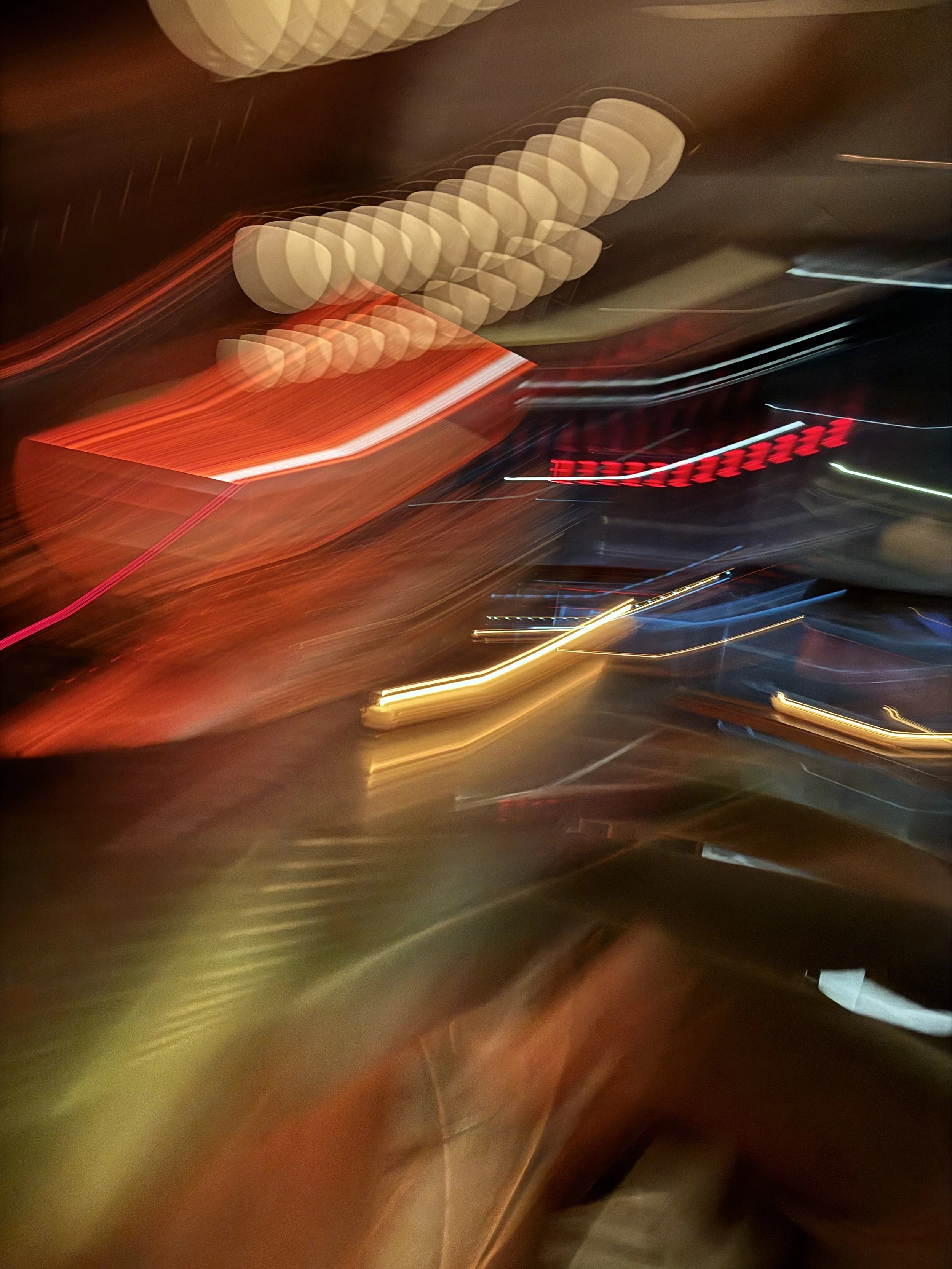
Some thresholds ask to be crossed only once. Others ask you to walk past them until you’re ready.
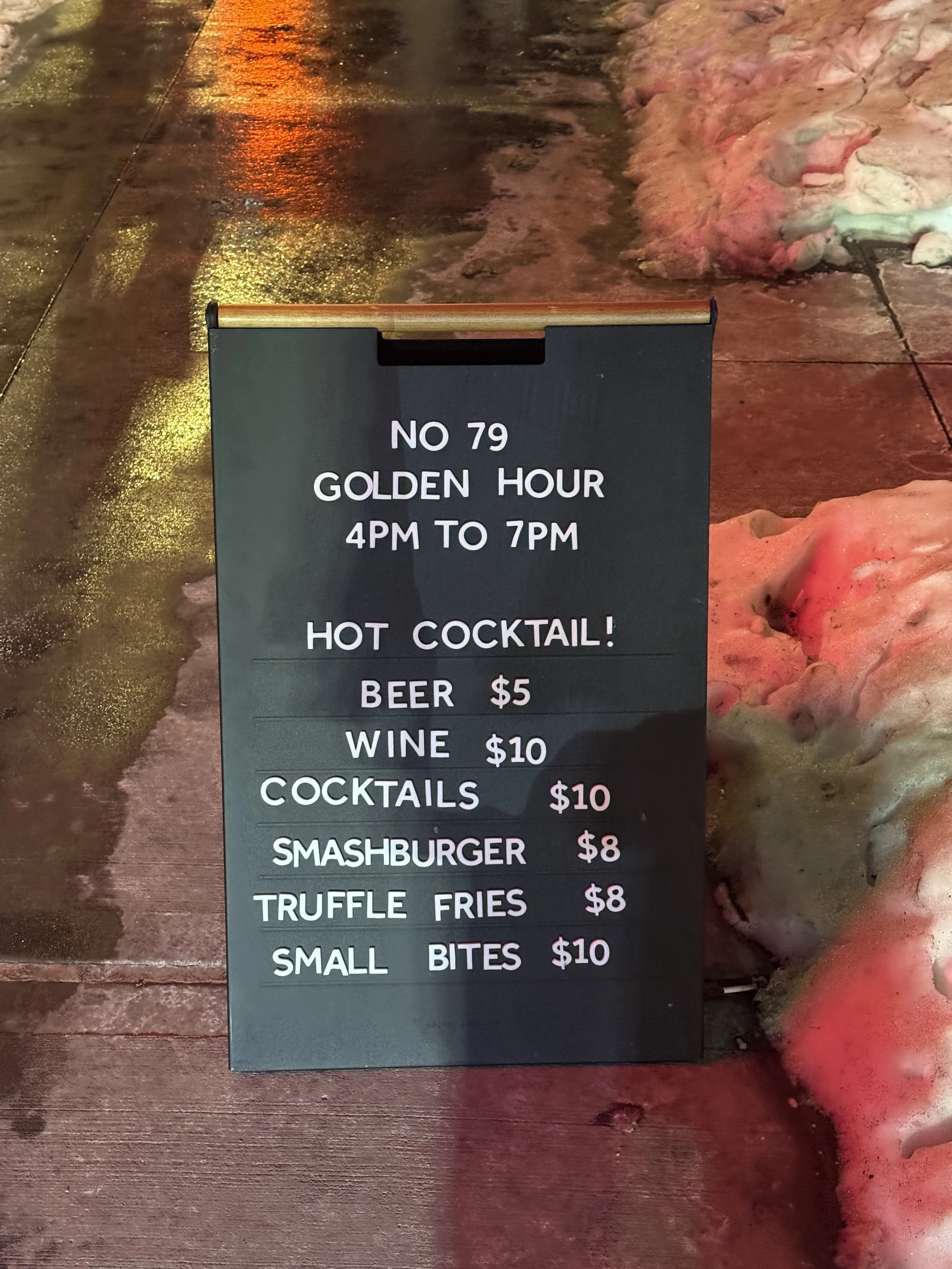
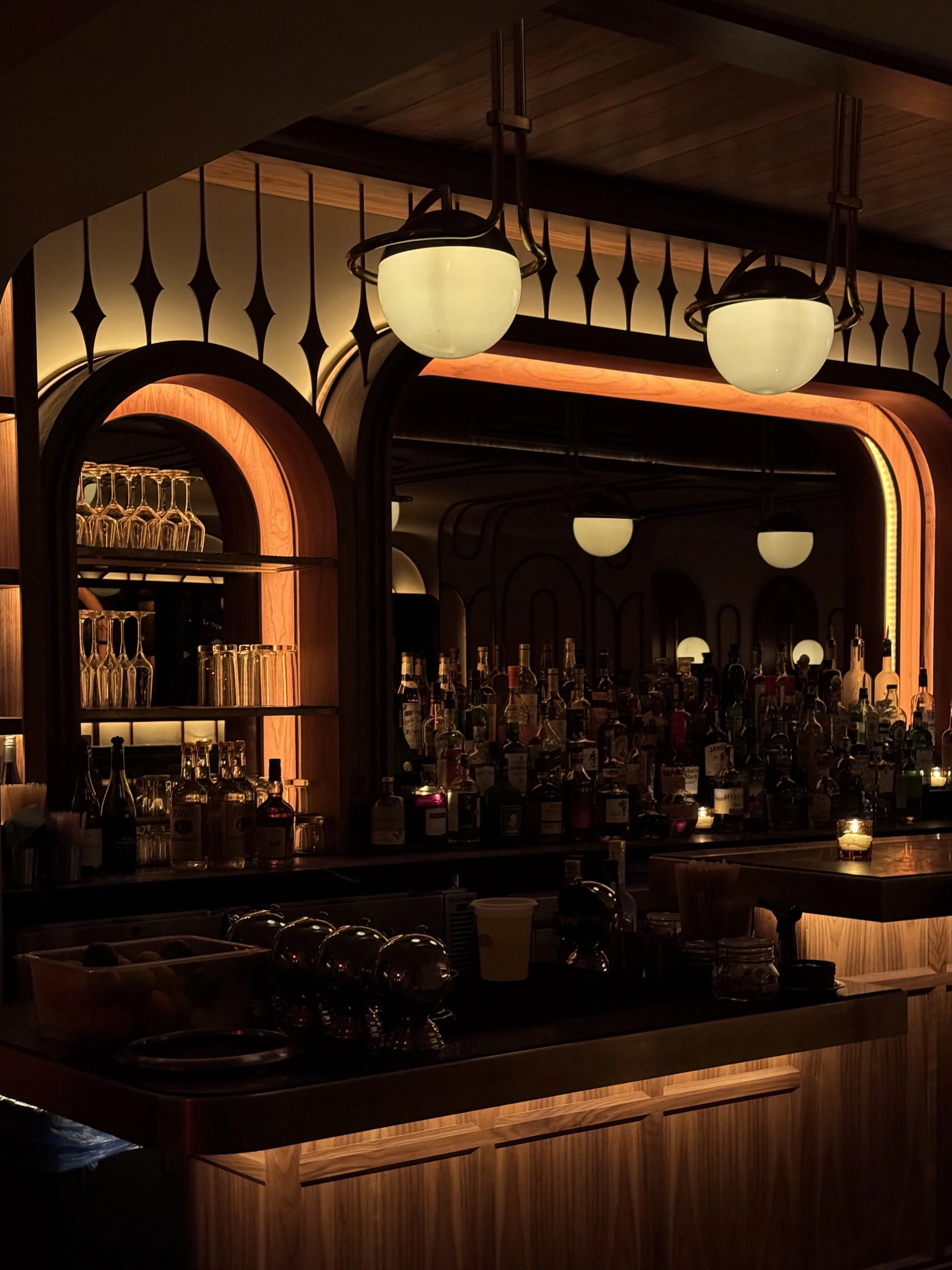
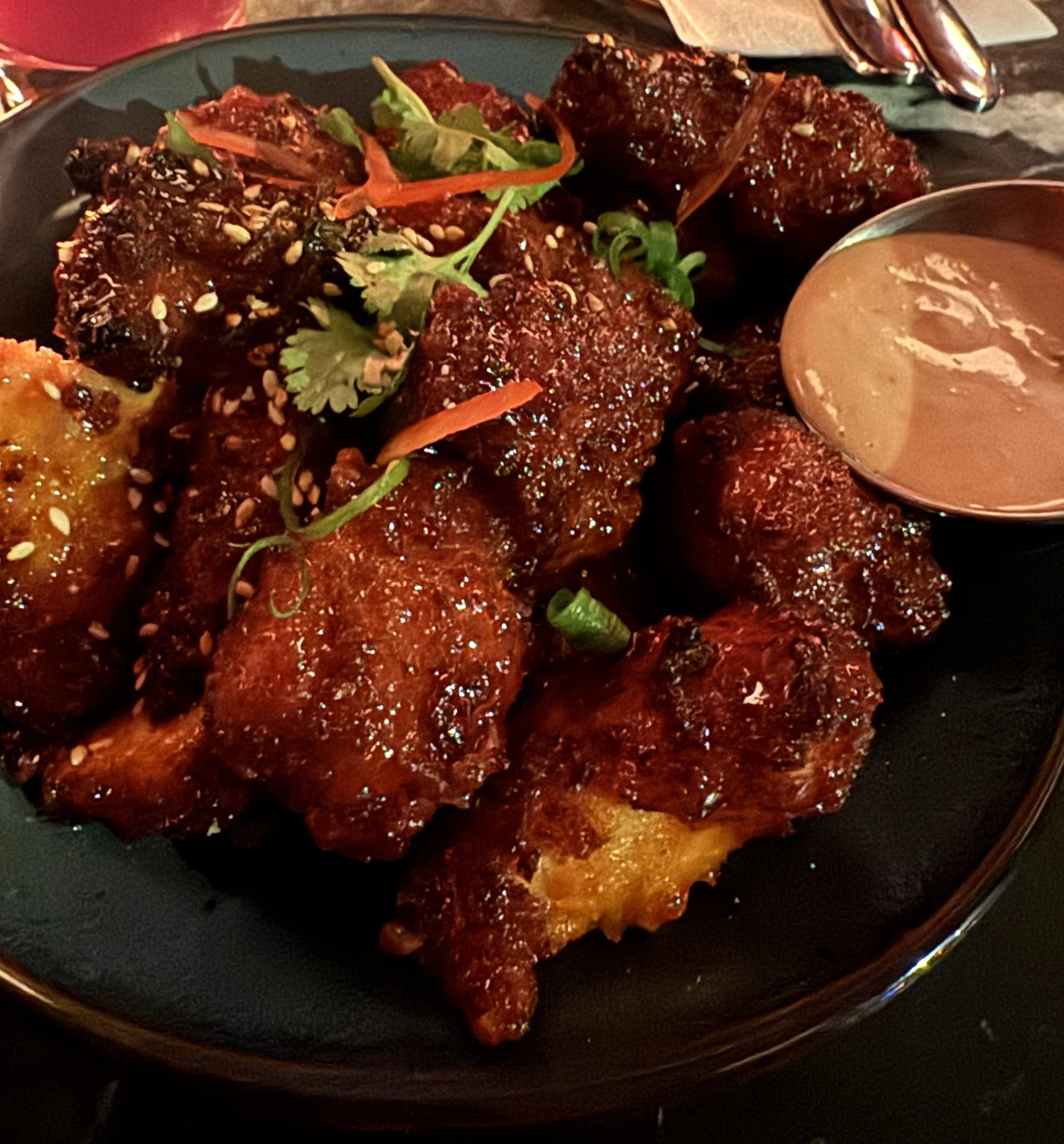
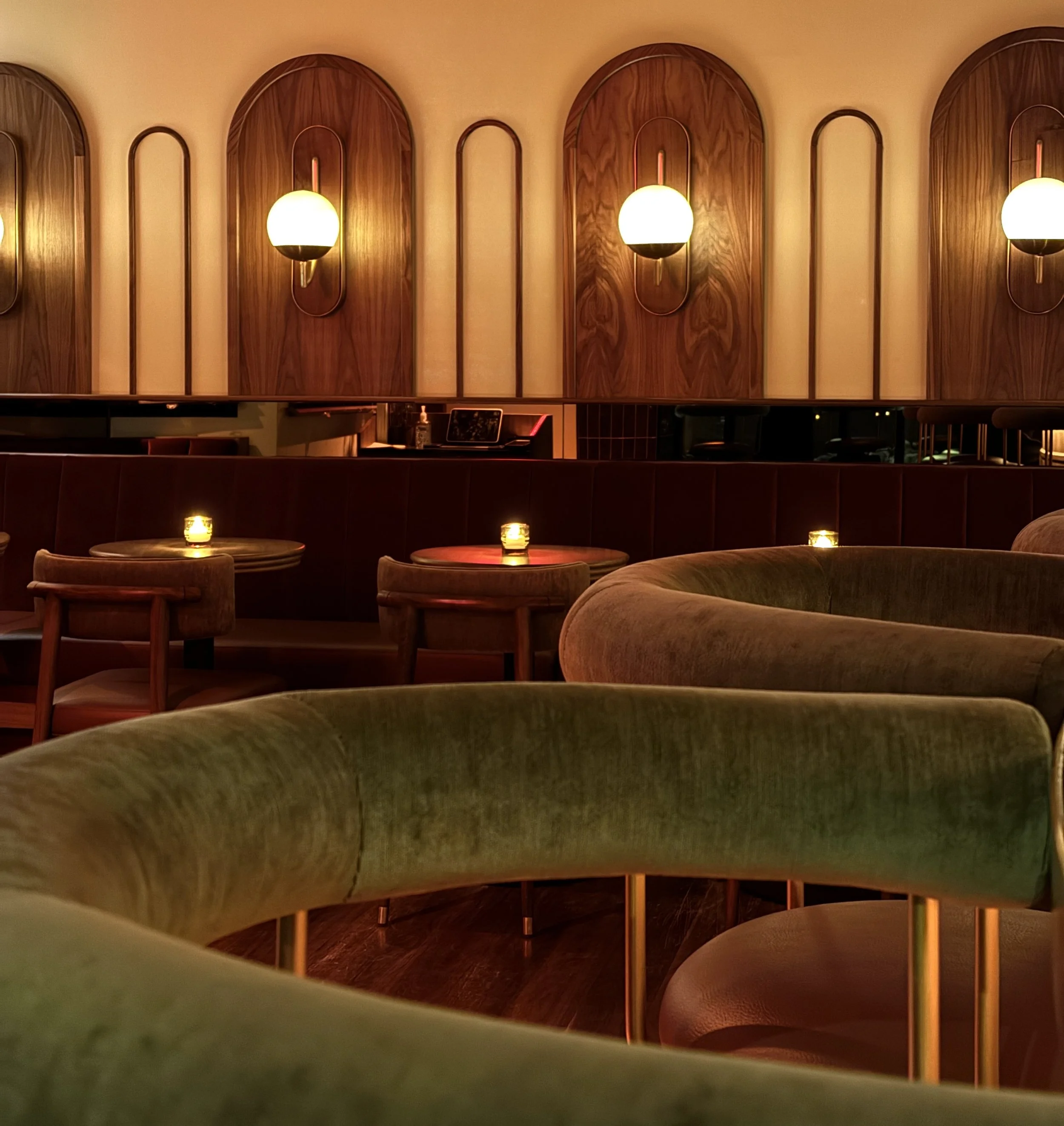
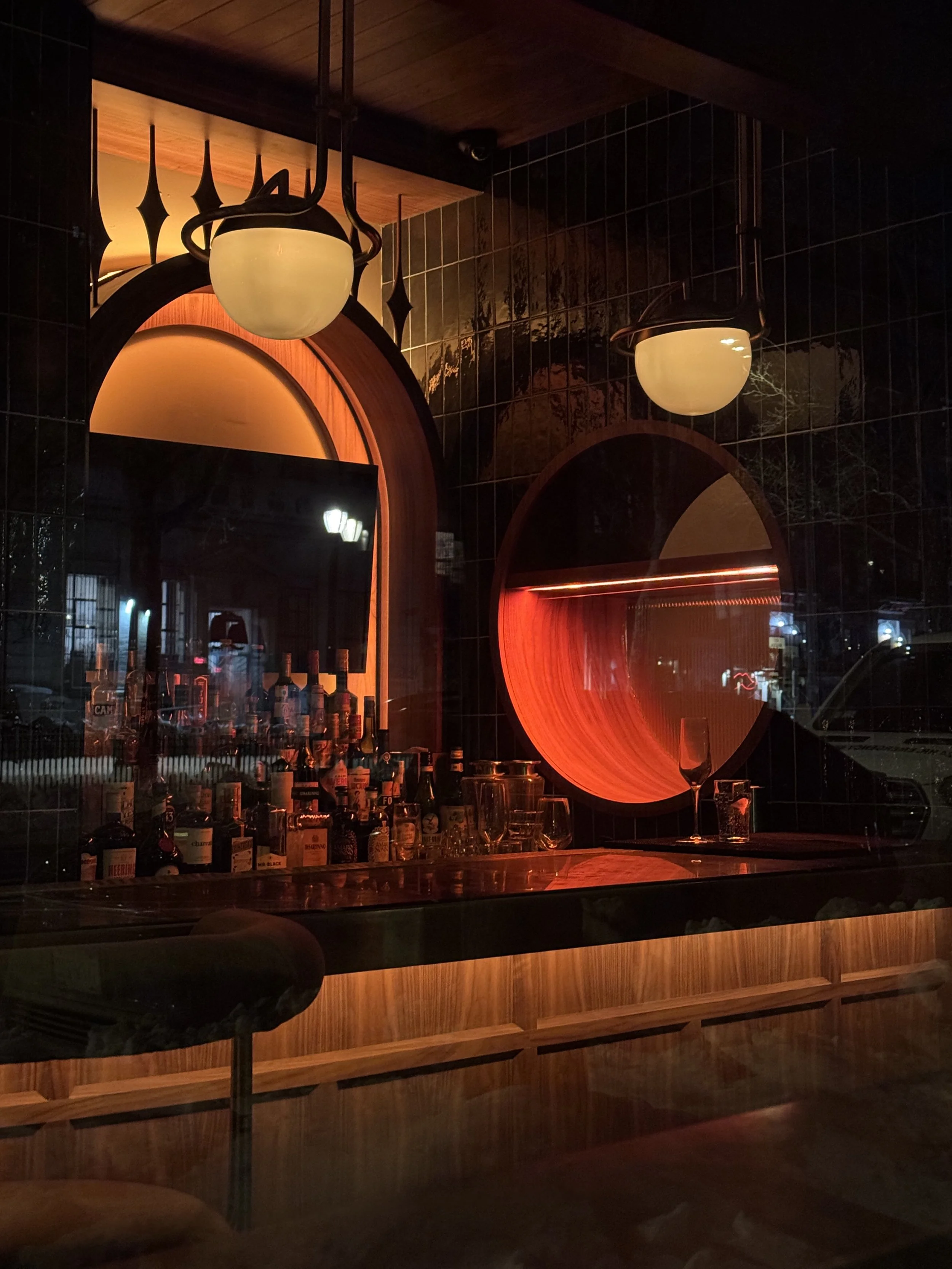
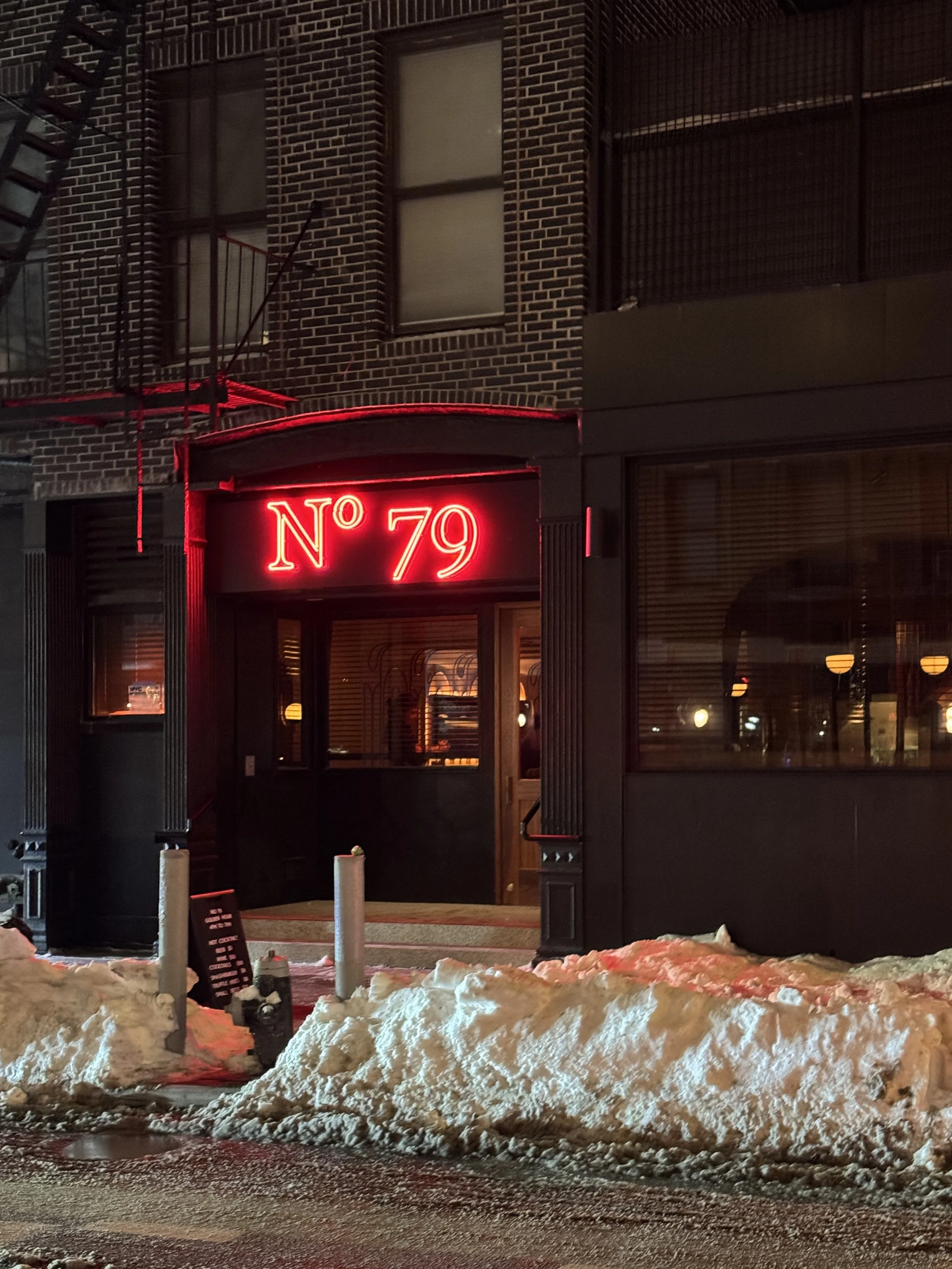
For several evenings I walked past No. 79 before I ever walked through the door. The windows became familiar before the room itself. Each walk offered another reflection, another glimpse inside, another reason to linger a little longer before continuing through the Lower East Side.
Looking back, I don’t remember deciding to begin something new. I remember wandering. Looking. Returning. Photographing light before I photographed the room.
When I finally crossed the threshold, nothing extraordinary announced itself. There was warm light, thoughtful design, good food, and the easy rhythm of an ordinary evening. Yet something about the atmosphere resisted remaining ordinary. The glow of the lamps, the polished stone, the warmth of the wood, the quiet choreography of the room—each became part of a visual language that would stay with me long after dinner was over.
Some experiences ask to be remembered exactly as they happened. Others ask to be translated. Photography taught me that an evening doesn’t end when the plates are cleared. It continues as color, as rhythm, as texture, as light. With enough time, even those things begin to change. Color gives way to tone. Atmosphere becomes memory. Memory becomes material.
Only later did I understand that I hadn’t been collecting photographs of a restaurant. I had been gathering the first fragments of a place that would continue unfolding through photographs, drawings, stories, and eventually the quiet mythology of Dre and Roman.
Some evenings are lived only once. Others continue becoming something else.
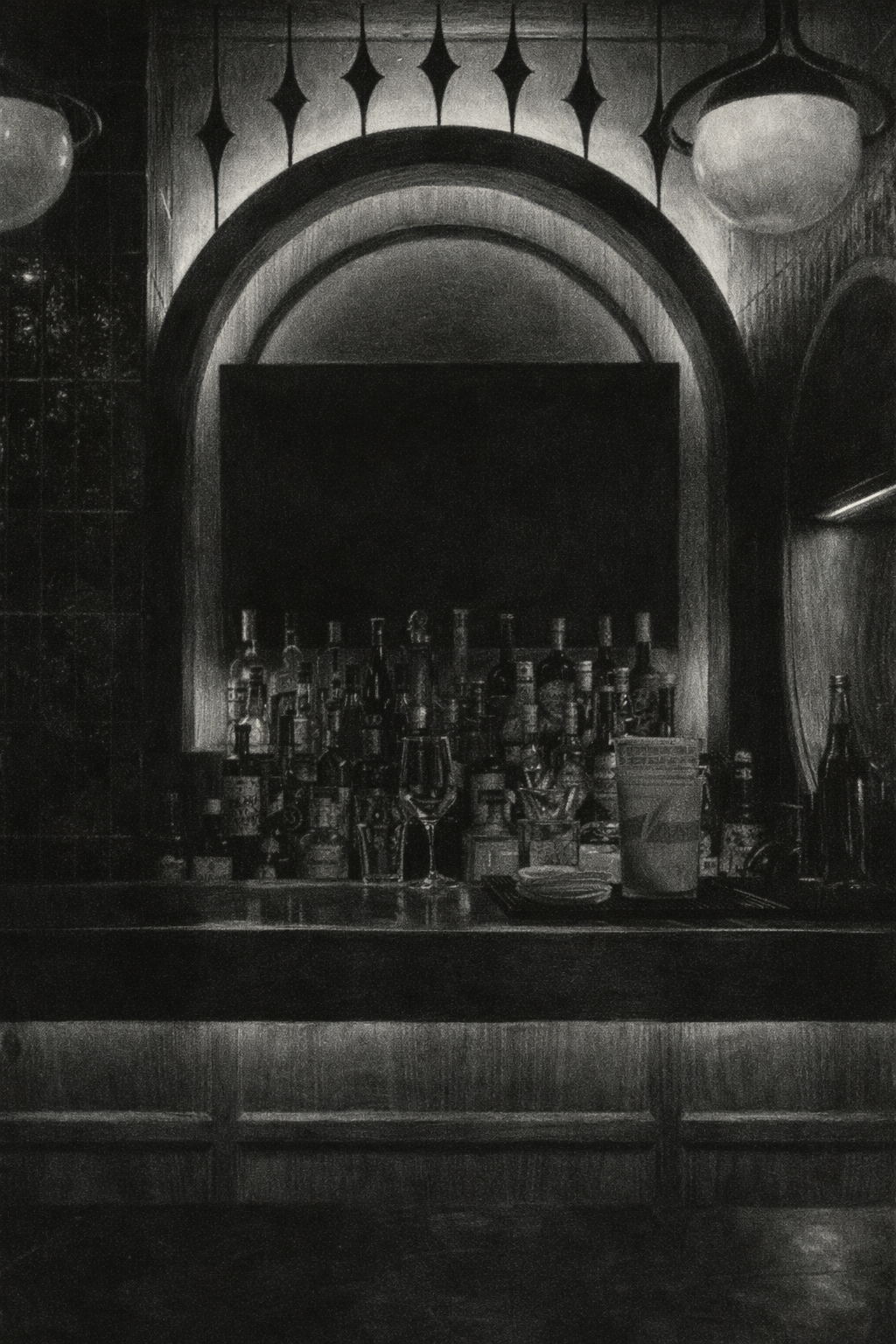
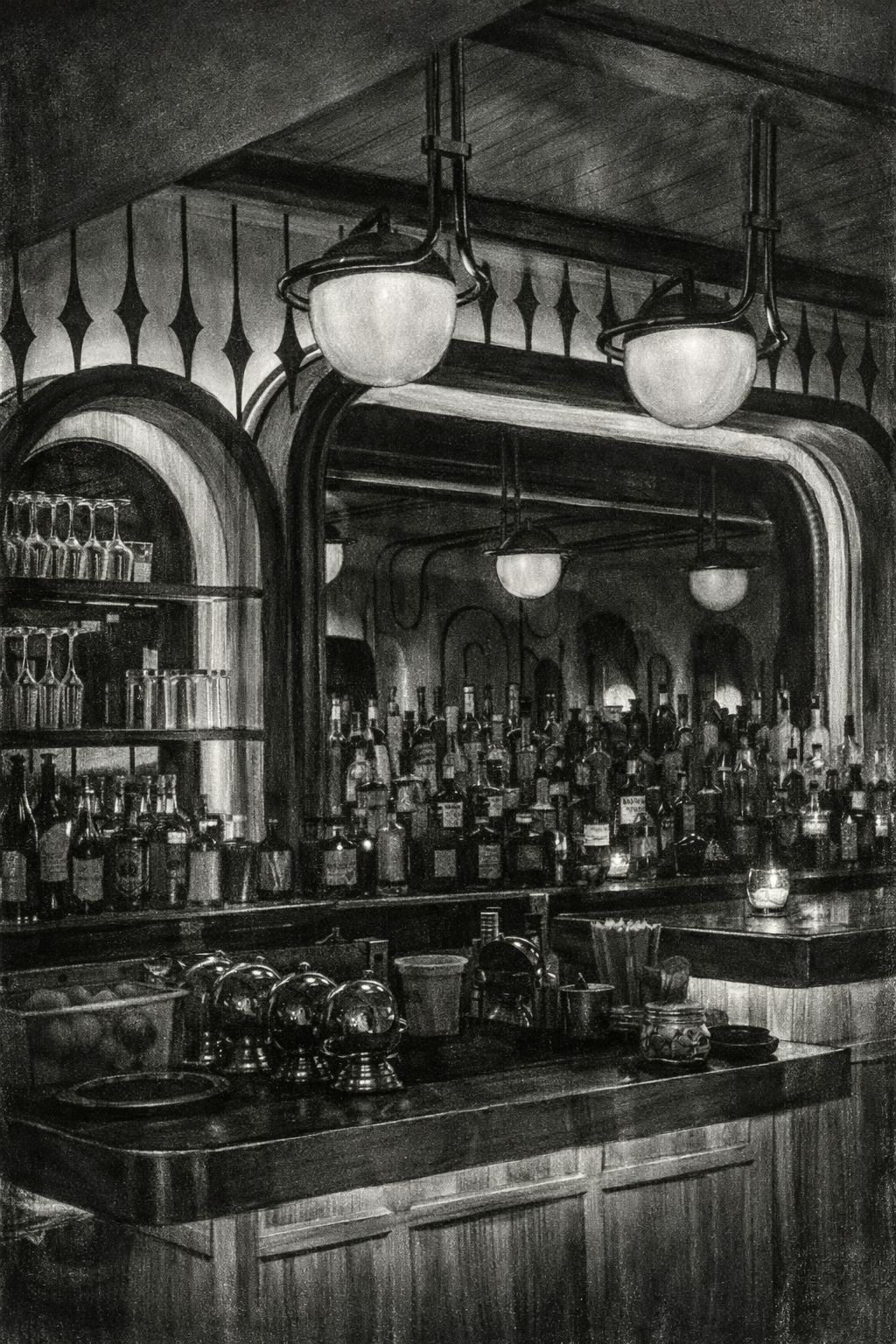
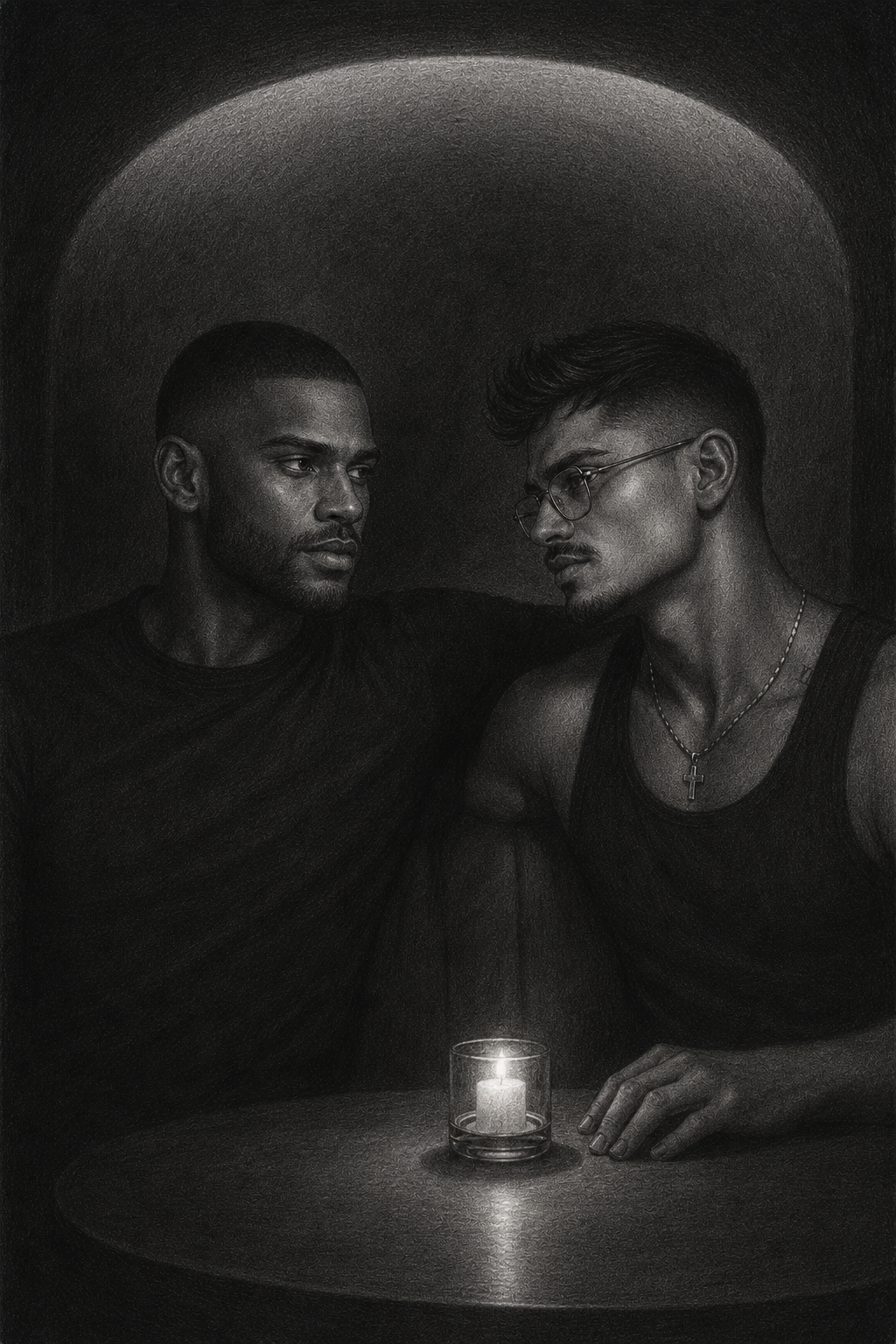
Between a doorway glowing N°79 and a bar that remembers every hand that rested on it.
Between first drinks and last looks.
Between the city breathing at night and the quiet that comes when two people finally hear each other.
Between glances held a second too long.
Between laughter that spills over ceramic cups.
Between chopsticks hovering, offering, trusting.
Between a skyline dissolving into charcoal air and a table lit by one small flame.
Between public and private.
Between hunger and tenderness.
Between the story we tell the world and the one whispered across a table, across a bar, across a room.
These images don’t move forward.
They hover.
They live in that charged, fragile space
where everything is possible
and nothing has to be explained yet.
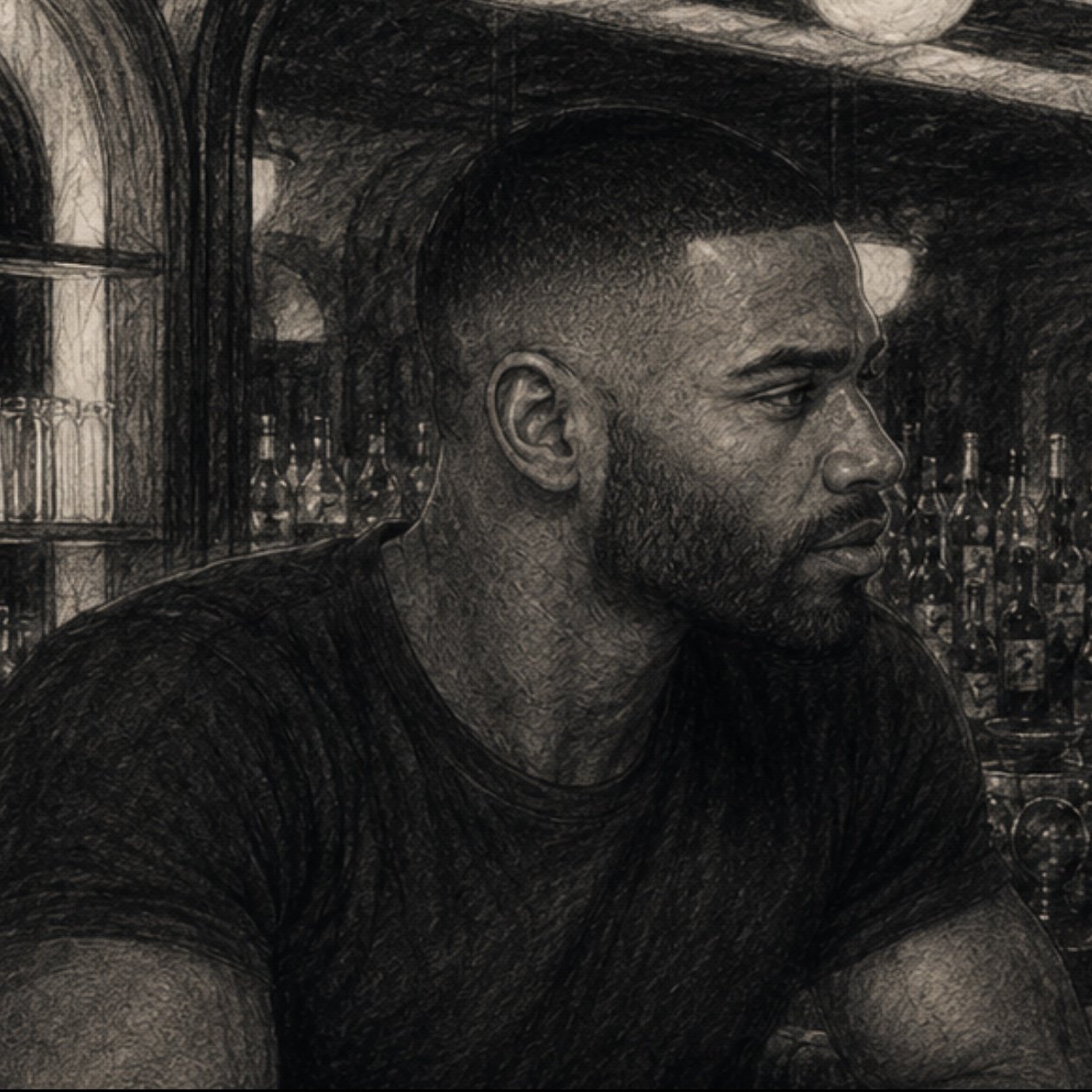
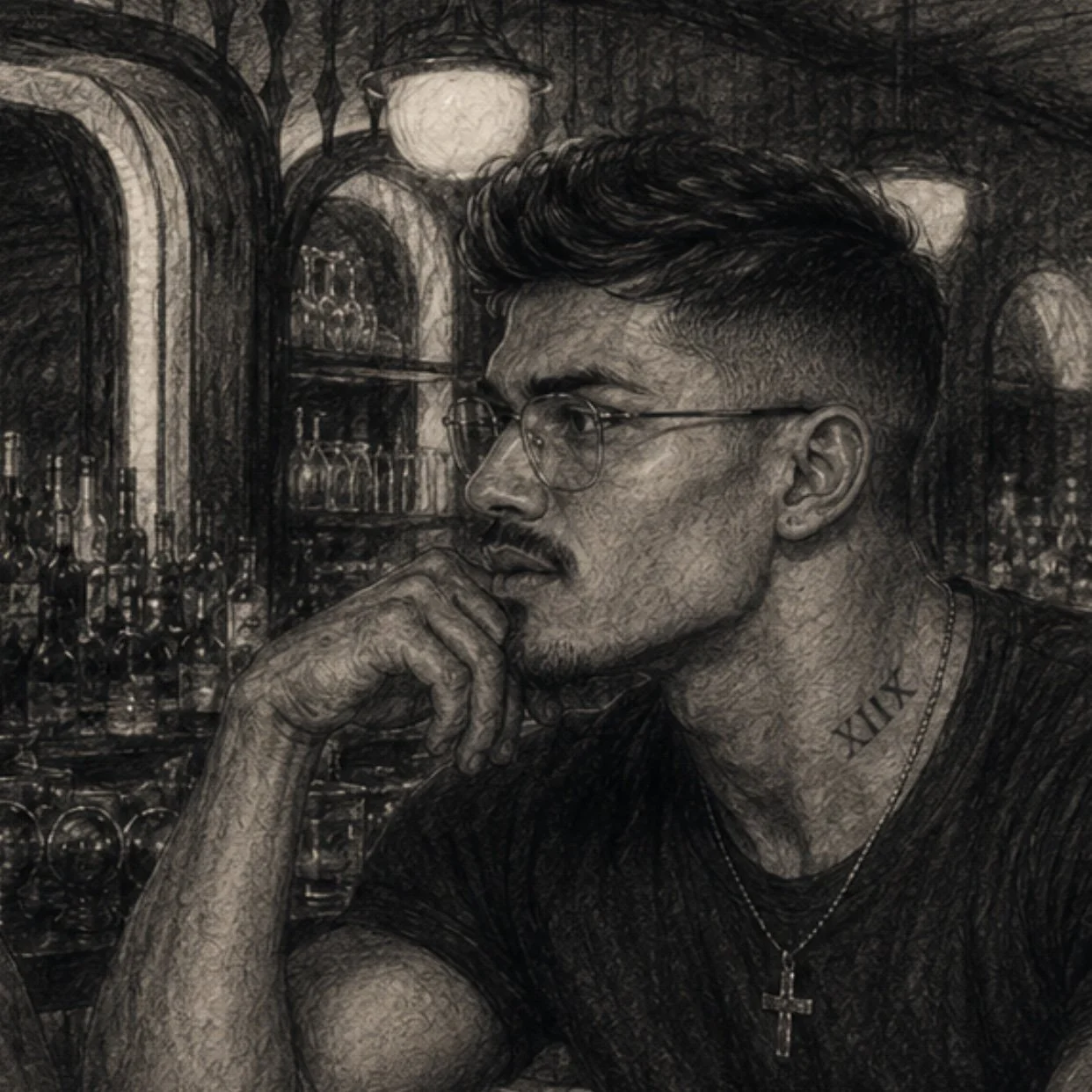
“So…”
Dre looks up.
“So?”
“…What?”
Roman smiles.
“What gives?”
“What gives what?”
“How are you still single?”
Dre shrugs.
“I don’t know.”
“Oh, come on.”
“I’ve been busy.”
“You’ve always been busy.”
“I haven’t really been looking.”
Roman studies him for a second.
“You expect me to believe that?”
“It’s the truth.”
“…Mm-hmm.”
“It is.”
Roman leans back.
“Okay.”
Dre raises an eyebrow.
“…Okay?”
Roman nods.
“I’ll let it go.”
“Thank you.”
A beat.
“It’s okay.”
“What?”
“I know you’ve probably got a few dead bodies in the closet.”
Dre nearly chokes on his water.
“I beg your pardon?”
Roman shrugs innocently.
“I’m just saying.”
“Saying what?”
“Nobody this good-looking stays single for no reason.”
Dre laughs despite himself.
“So now I’m hiding bodies?”
“I’m keeping an open mind.”
“You watch too much television.”
“You’ve got at least one mysterious ex living in another country.”
“I do not.”
“A secret fiancée?”
“No.”
“A second apartment?”
“…Roman.”
“What?”
“You’ve clearly rehearsed this.”
“I’ve had the train ride over to think about.
Dre shakes his head.
“You’re unbelievable.”
“I’ve been told.”
Dre takes another sip of water.
“All right.”
Roman smiles.
“What?”
“My turn.”
Roman leans back.
“Go ahead.”
“How are you still single?”
Roman doesn’t even blink.
“I get bored.”
Dre stares at him.
“…You get bored.”
Roman nods.
“I get bored.”
“That’s your answer?”
“It’s the honest one.”
Dre folds his arms.
“That’s terrible.”
“I know.”
“You just admitted that like you were telling me the weather.”
Roman grins.
“You asked.”
“I did.”
“And I answered.”
Now I think Roman elaborates—not because he’s defensive, but because he realizes how bad that sounds.
“It’s not that simple.”
“No?”
Roman shakes his head.
“No.”
He looks down at his glass for a moment.
“I just…”
He searches for the words.
“I like discovering people.”
Dre listens.
“And after a while…”
Roman shrugs.
“…sometimes it starts feeling like we’re having the same conversation over and over again.”
Dre nods once.
“So you leave.”
Roman frowns.
“I don’t want to.”
Then Dre gets to do what he does best, observe. Not judge, observe.
“I don’t think you get bored.”
Roman looks up.
“No?”
“I think you stop being curious.”
Roman blinks.
There is a long pause.
“…Huh.”
Dre shrugs.
“You’ve always been curious.”
Roman is still thinking.
“I never thought about it like that.”
“I know.”
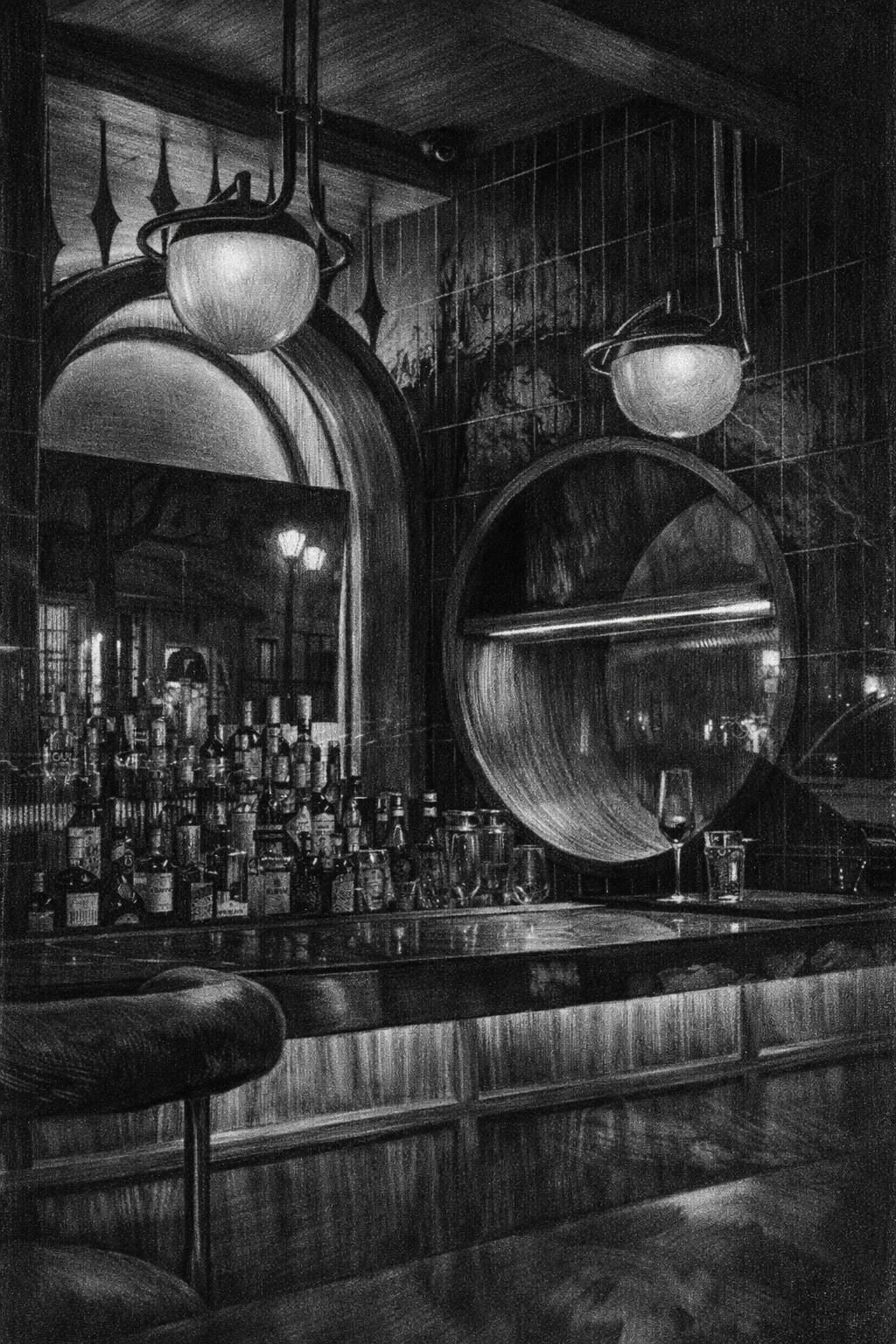
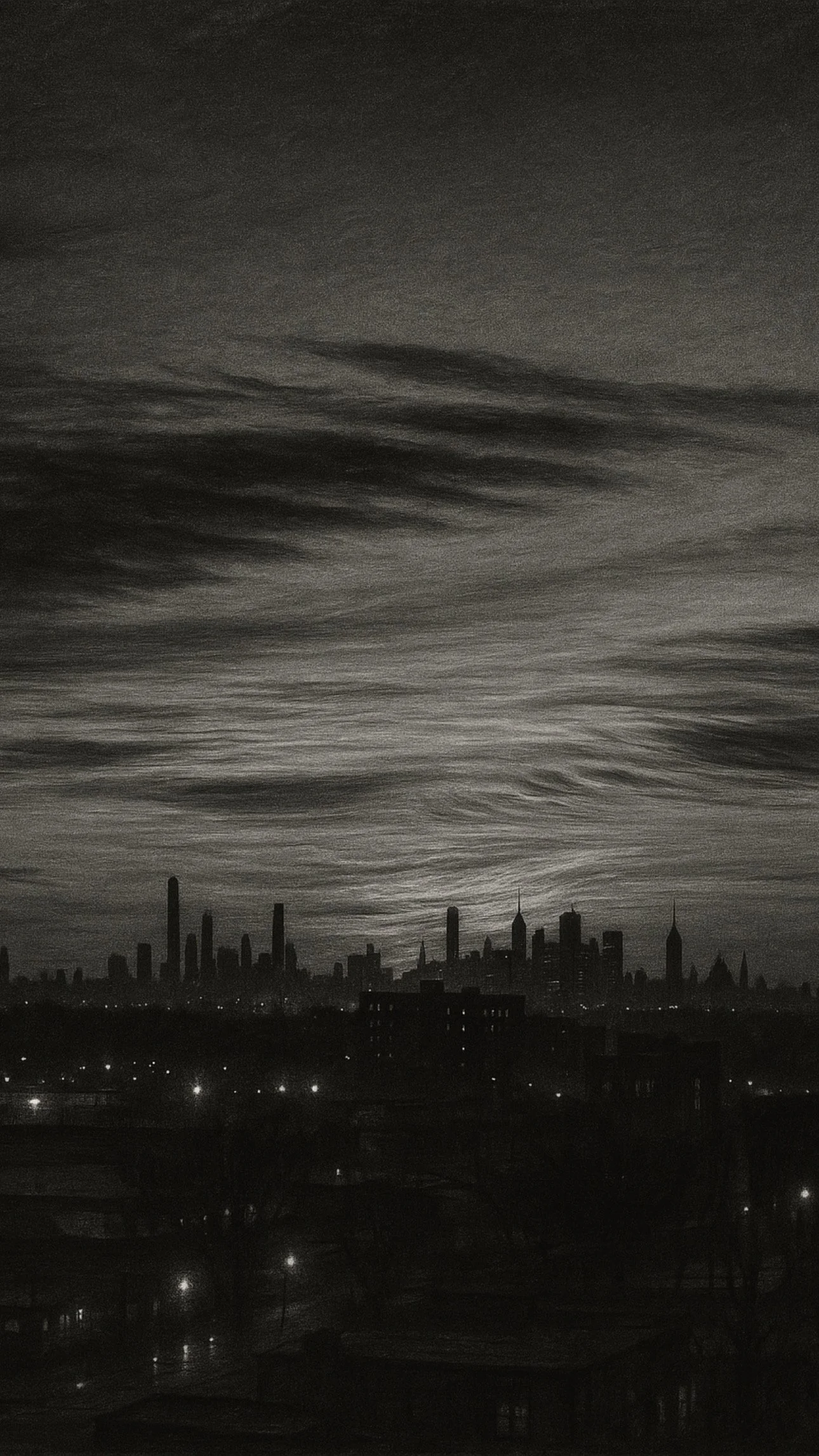
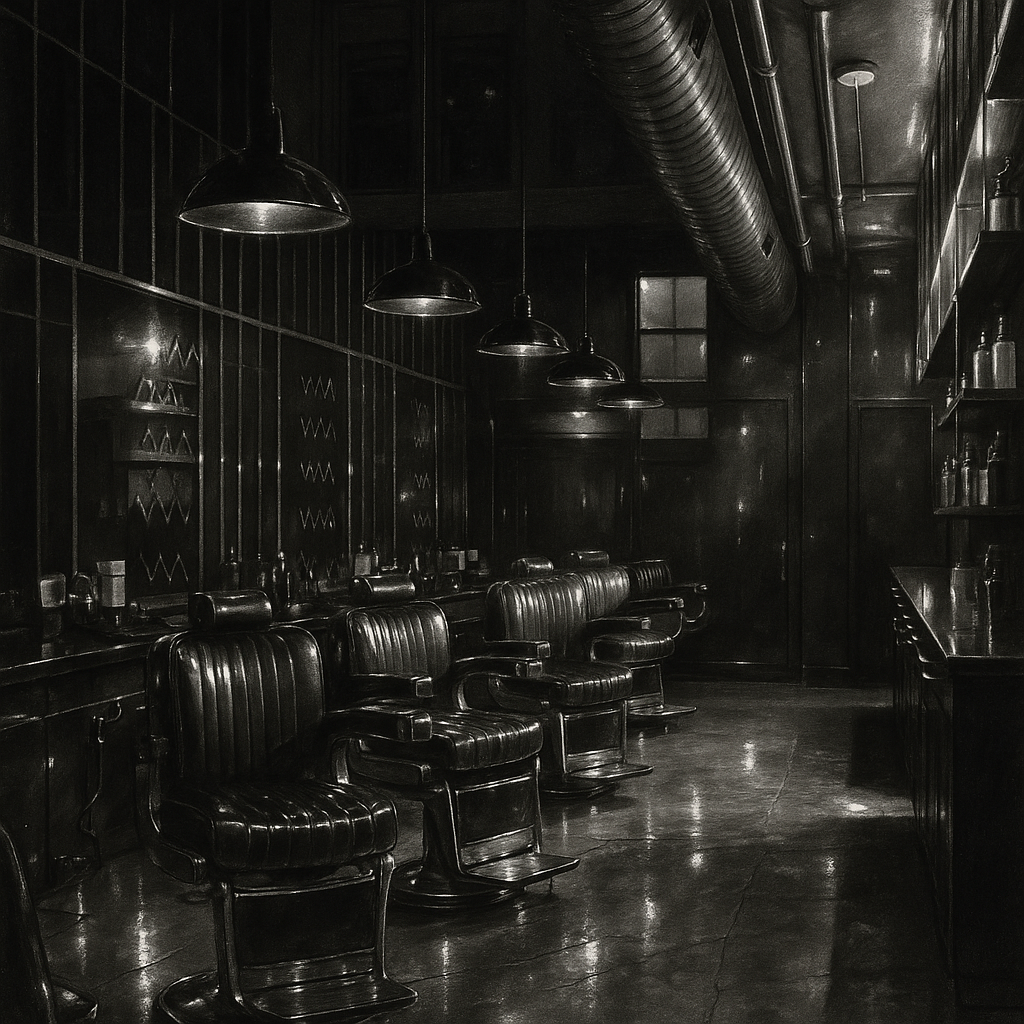
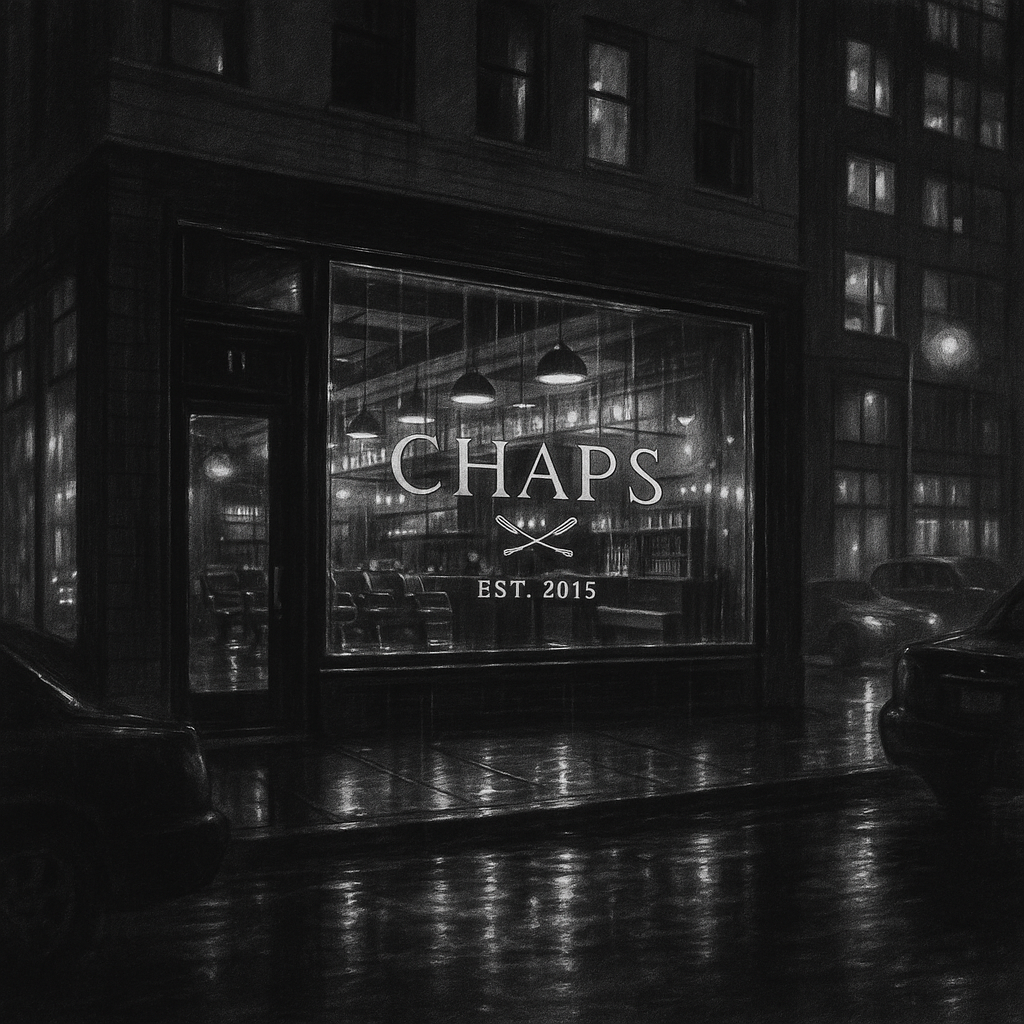
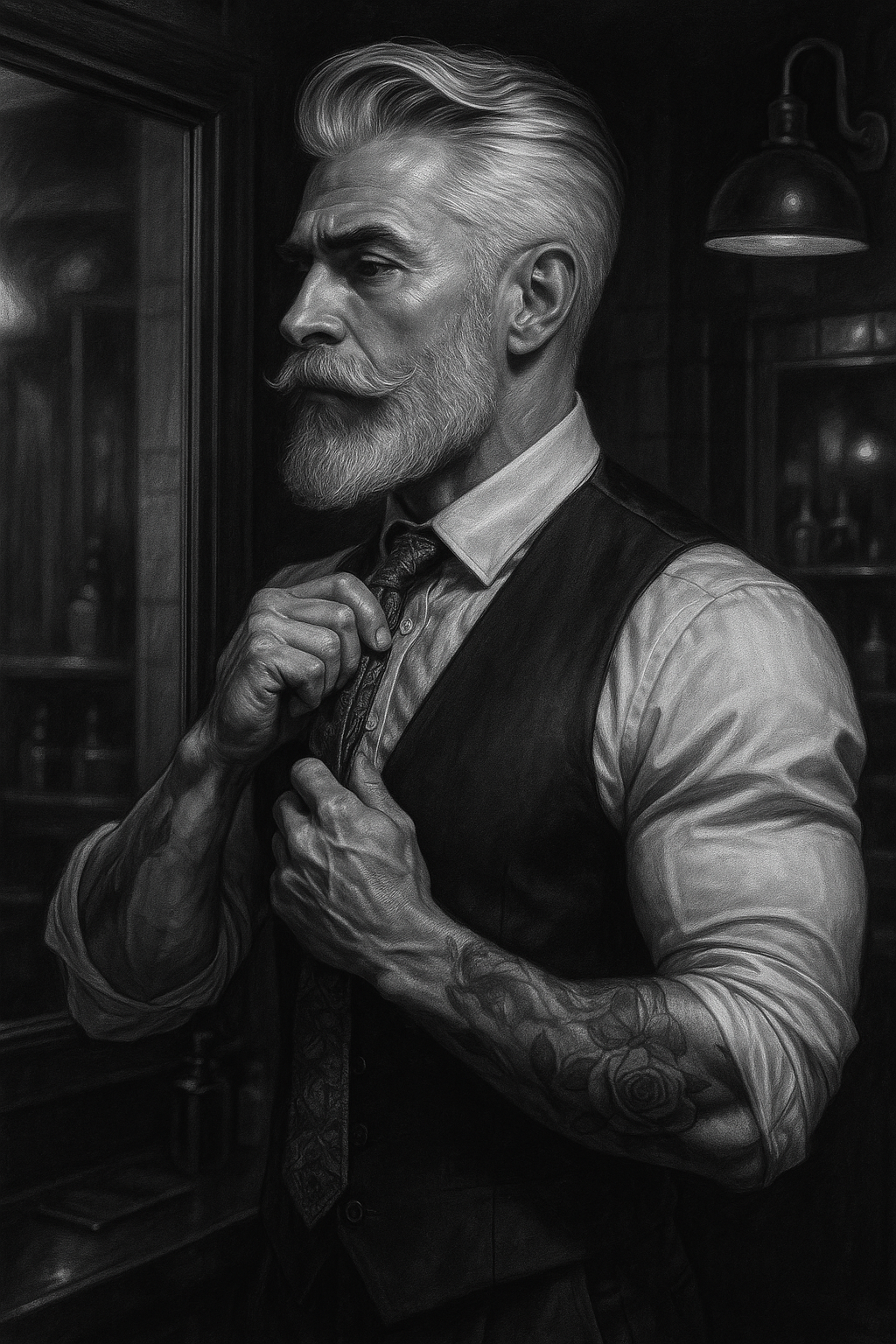
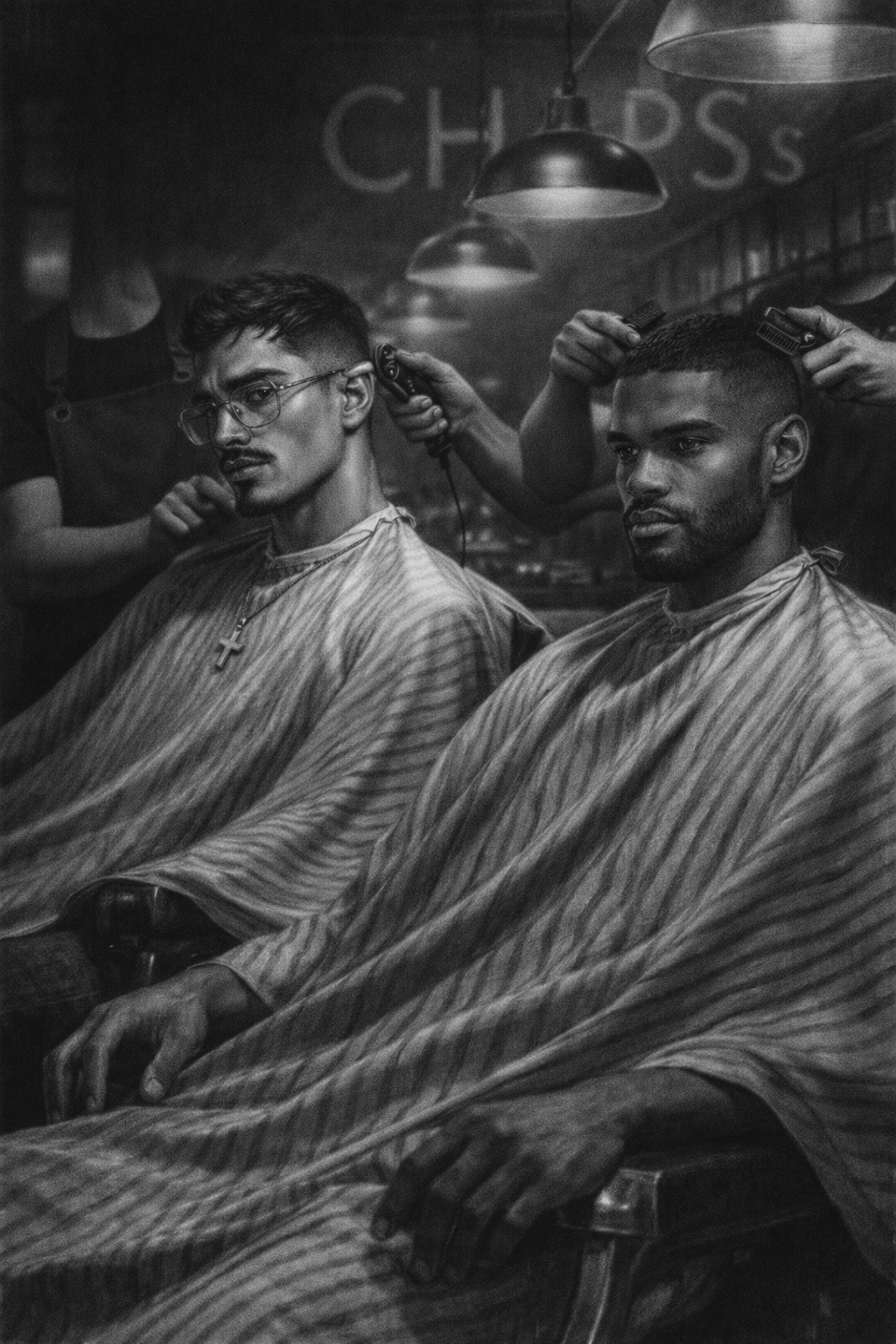
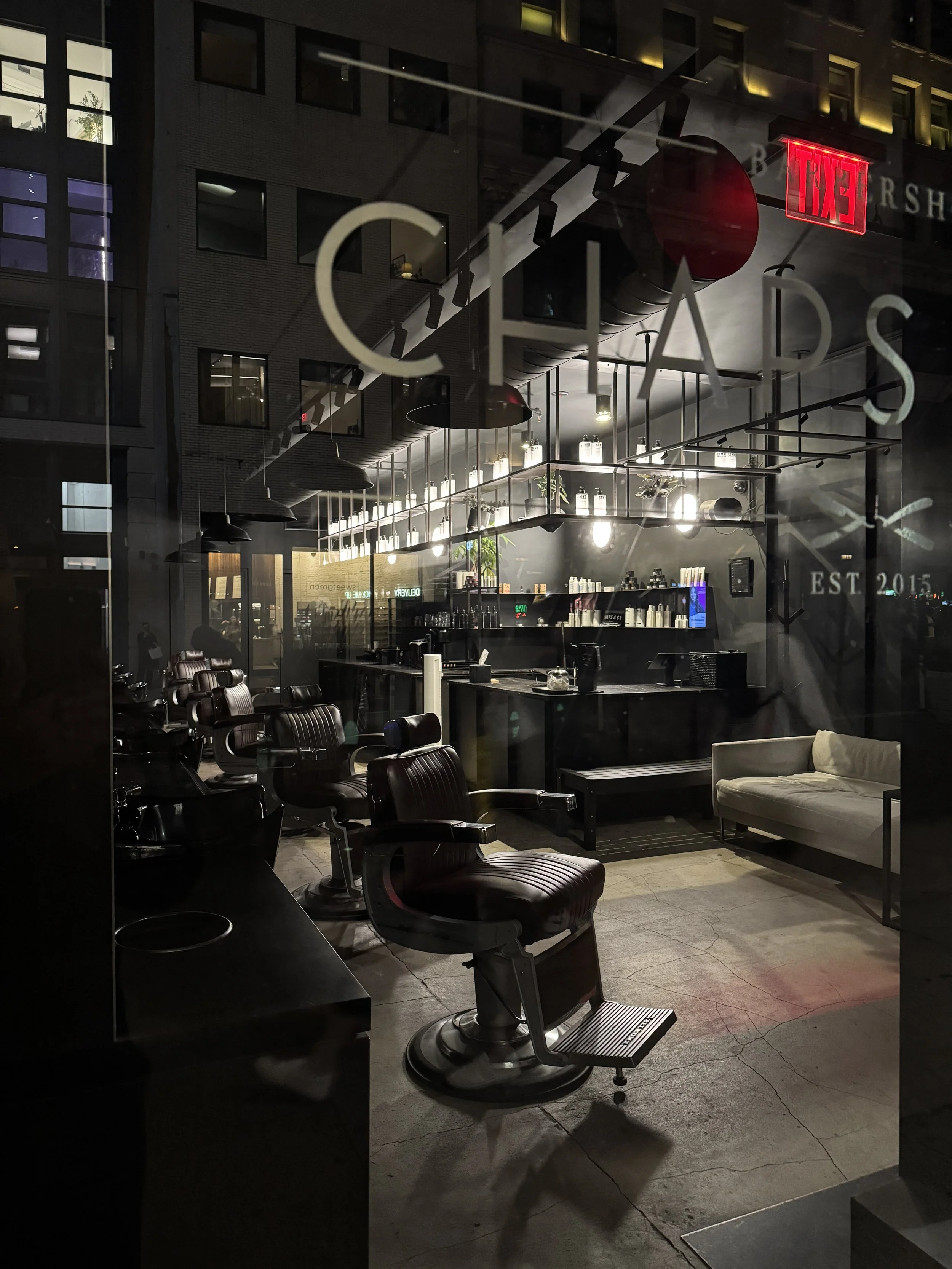
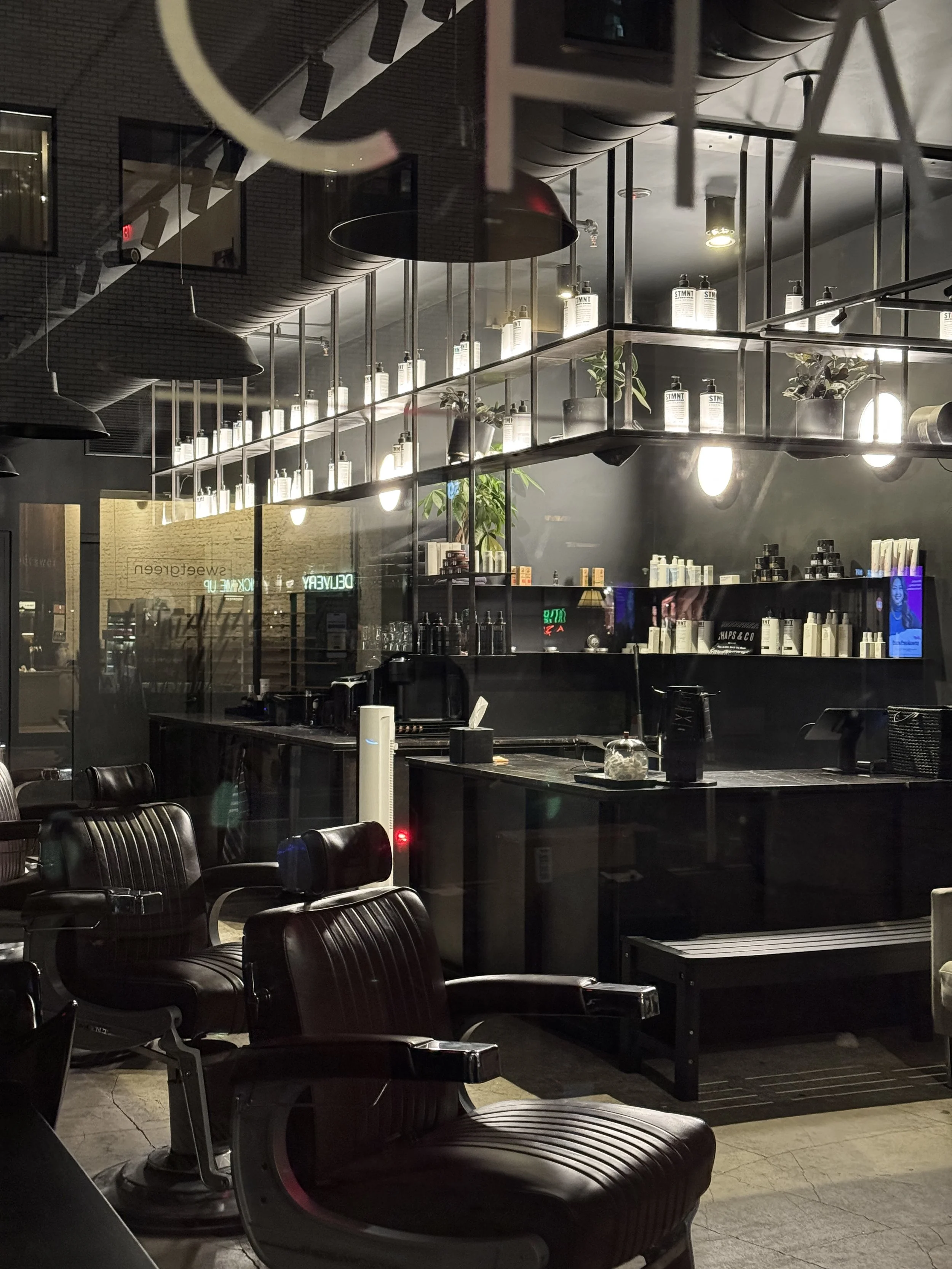
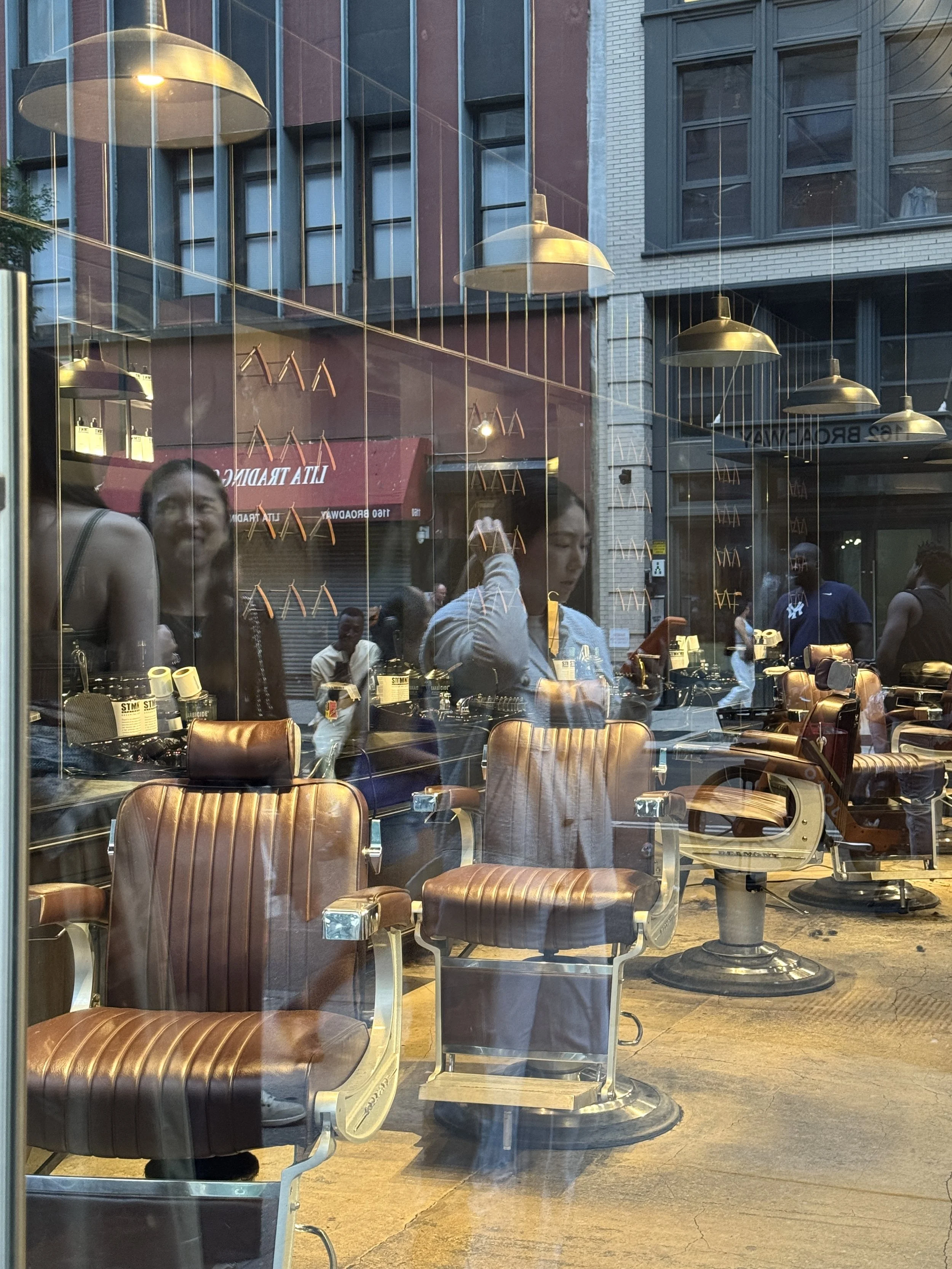
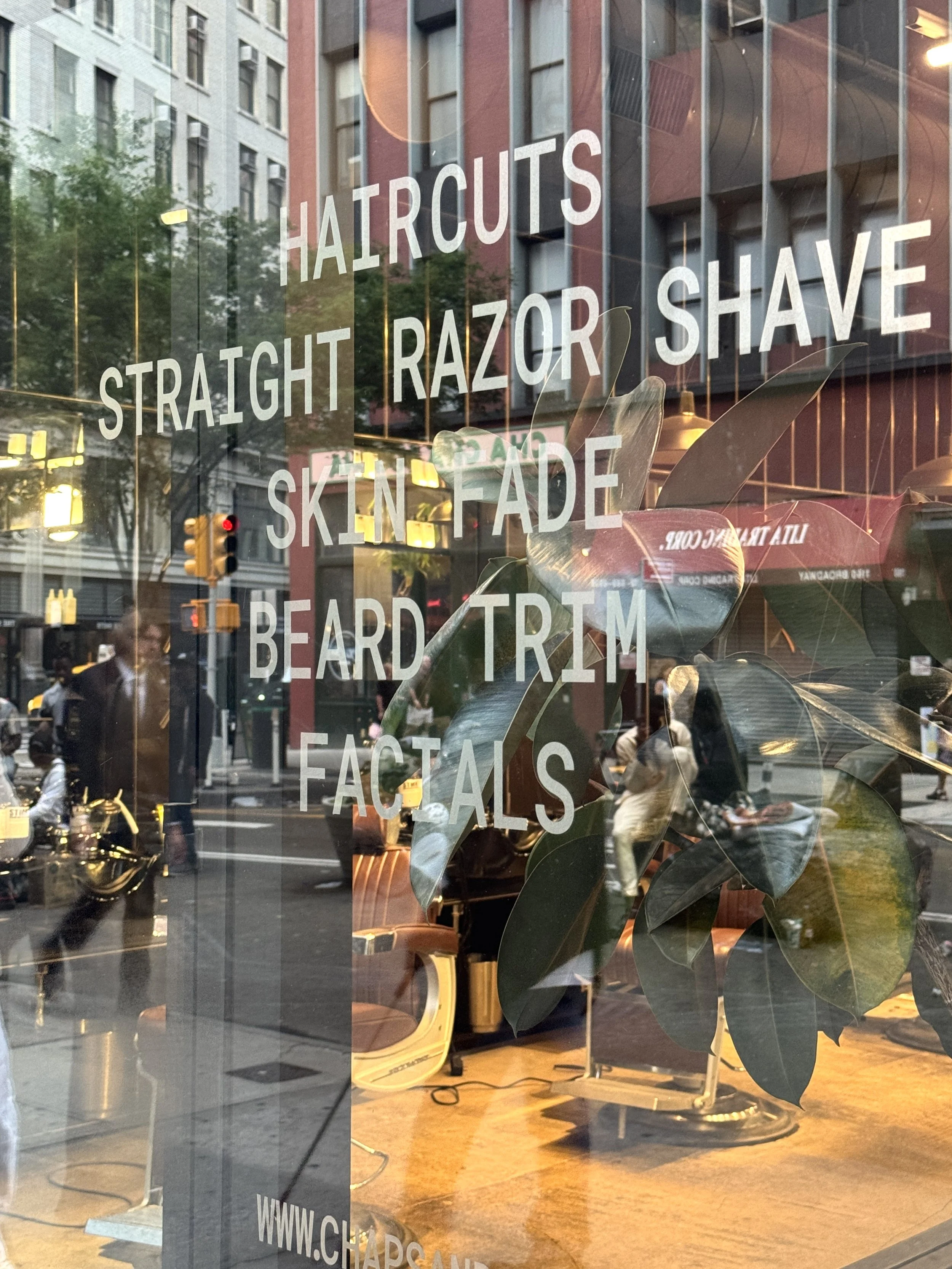
Some places become memorable because of what happened there. Others become memorable because they quietly reveal a way of seeing. Chaps was one of those places. Long before Graphite Noir became a body of work, I found myself returning to the atmosphere of this barbershop—the reflections, industrial architecture, masculine restraint, and quiet cinematic presence. Looking back, I recognize it as one of the first places where Graphite Noir began to take shape.
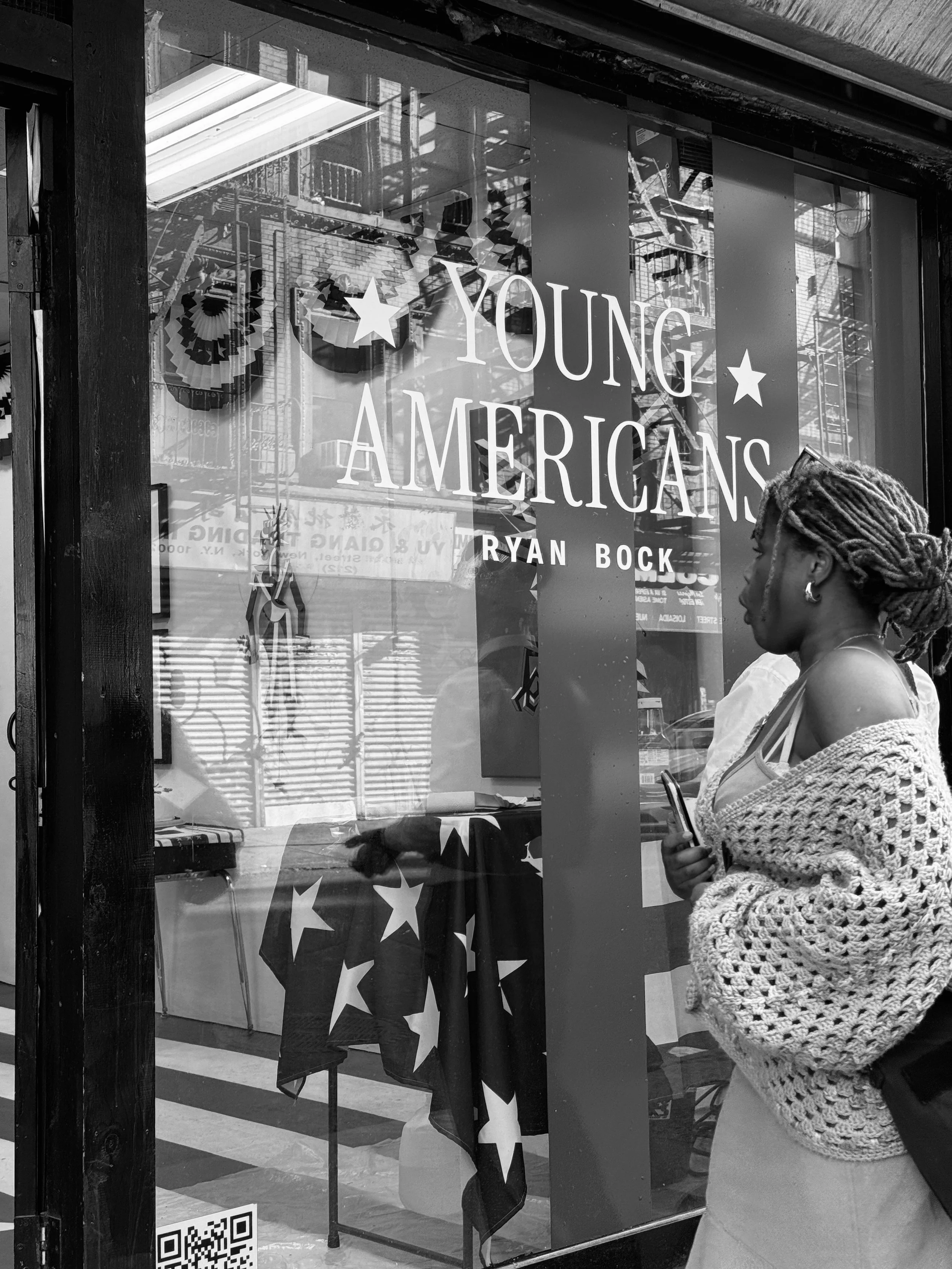
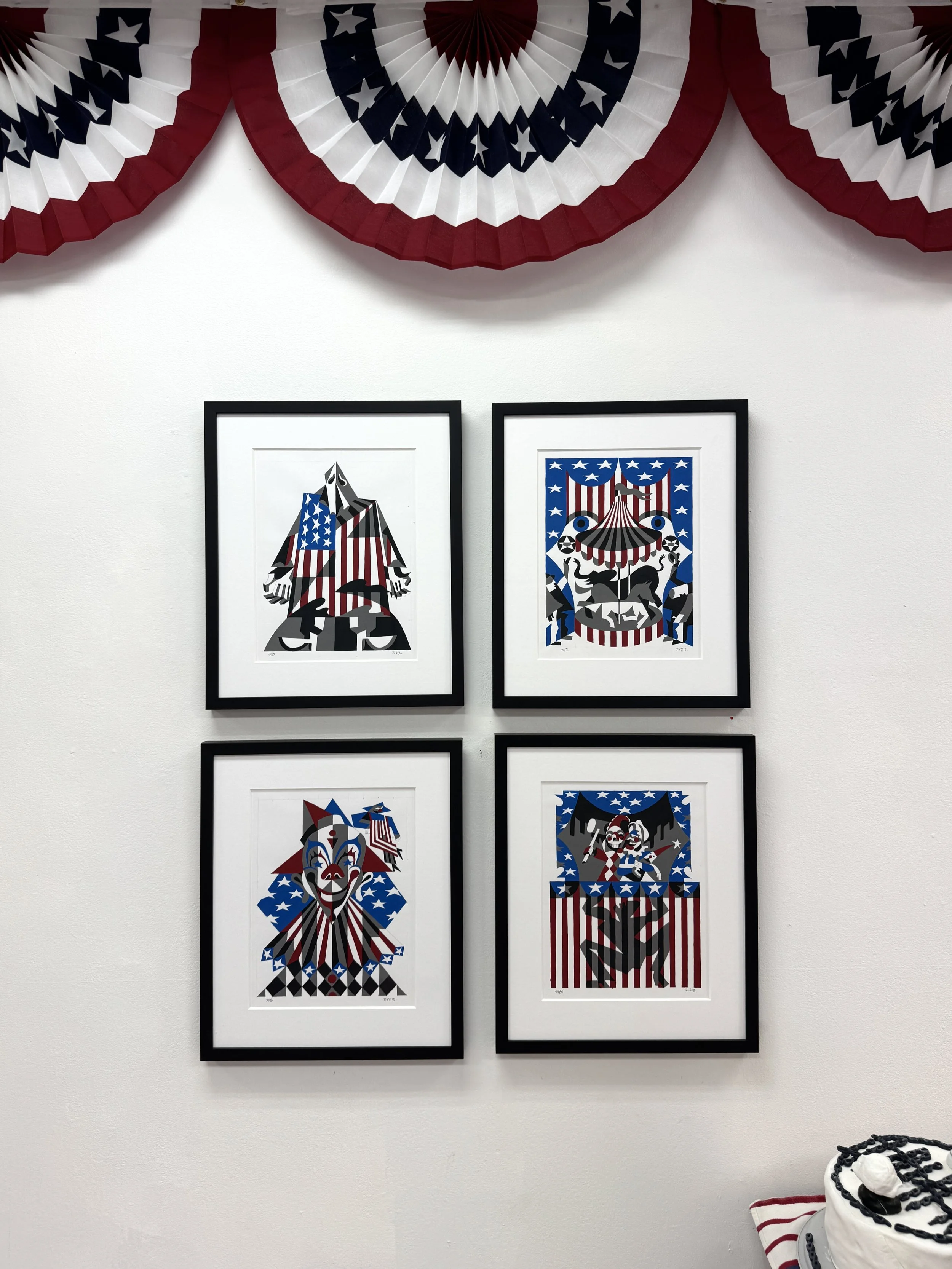
Ryan Bock,
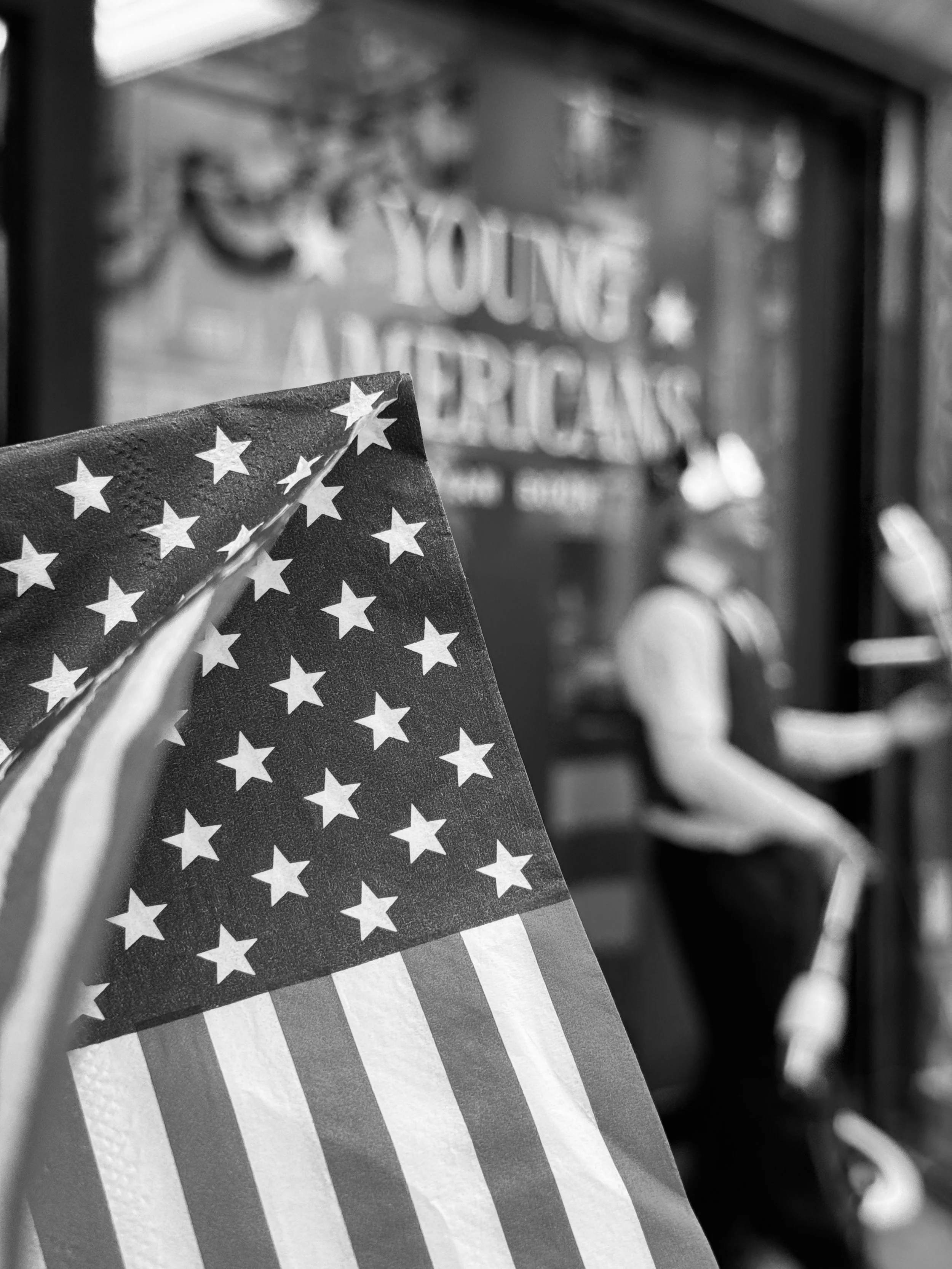
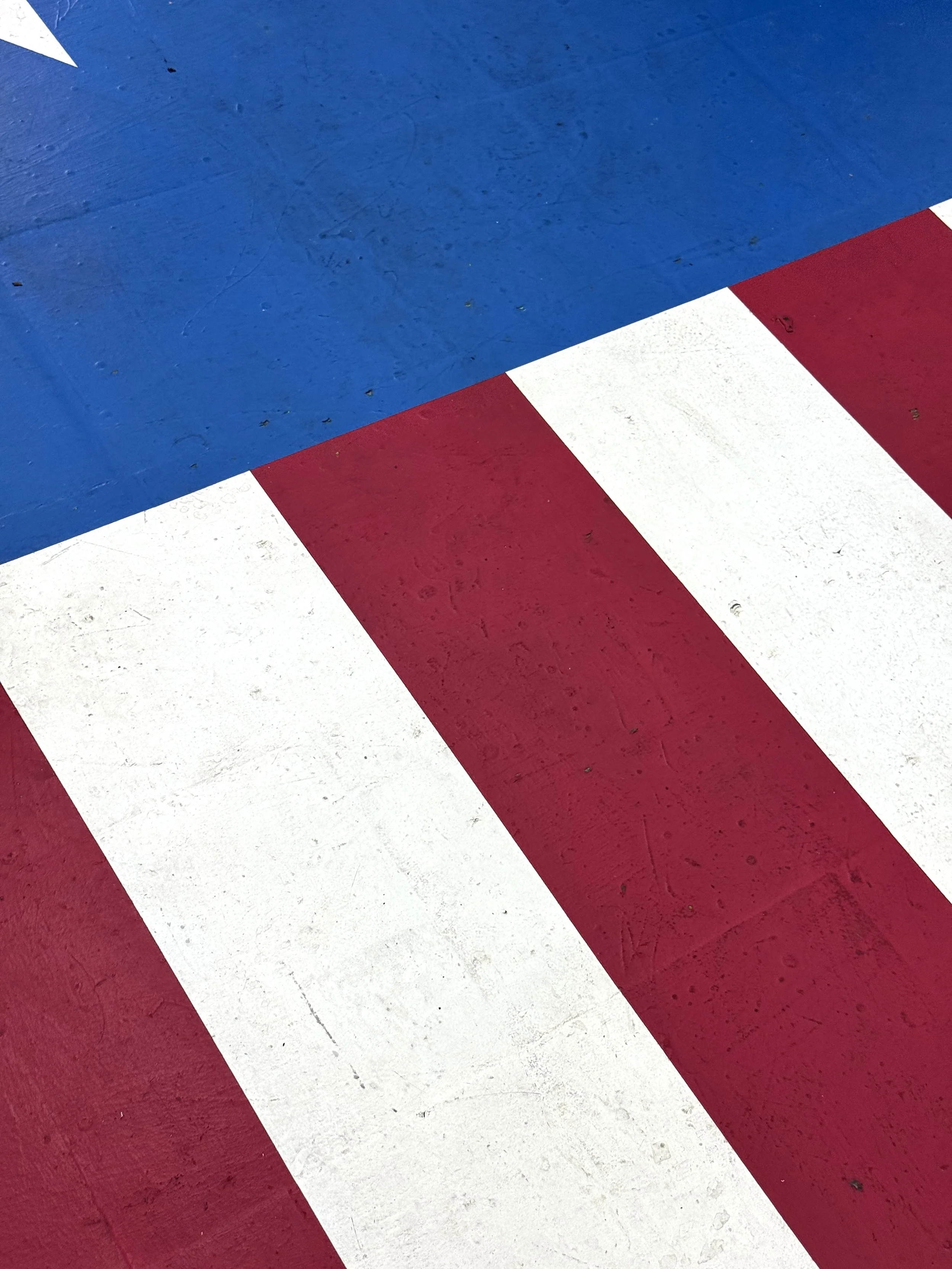
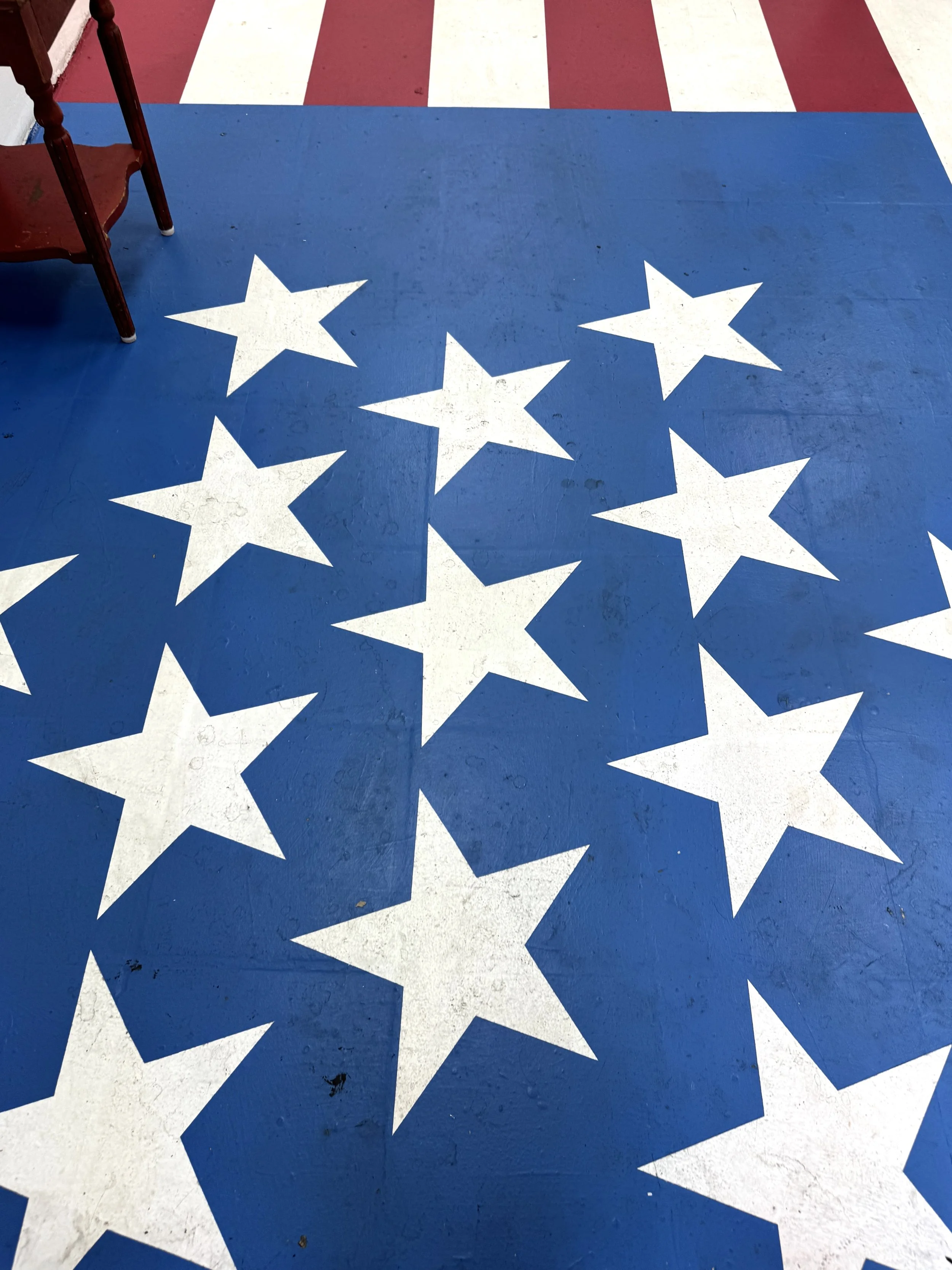
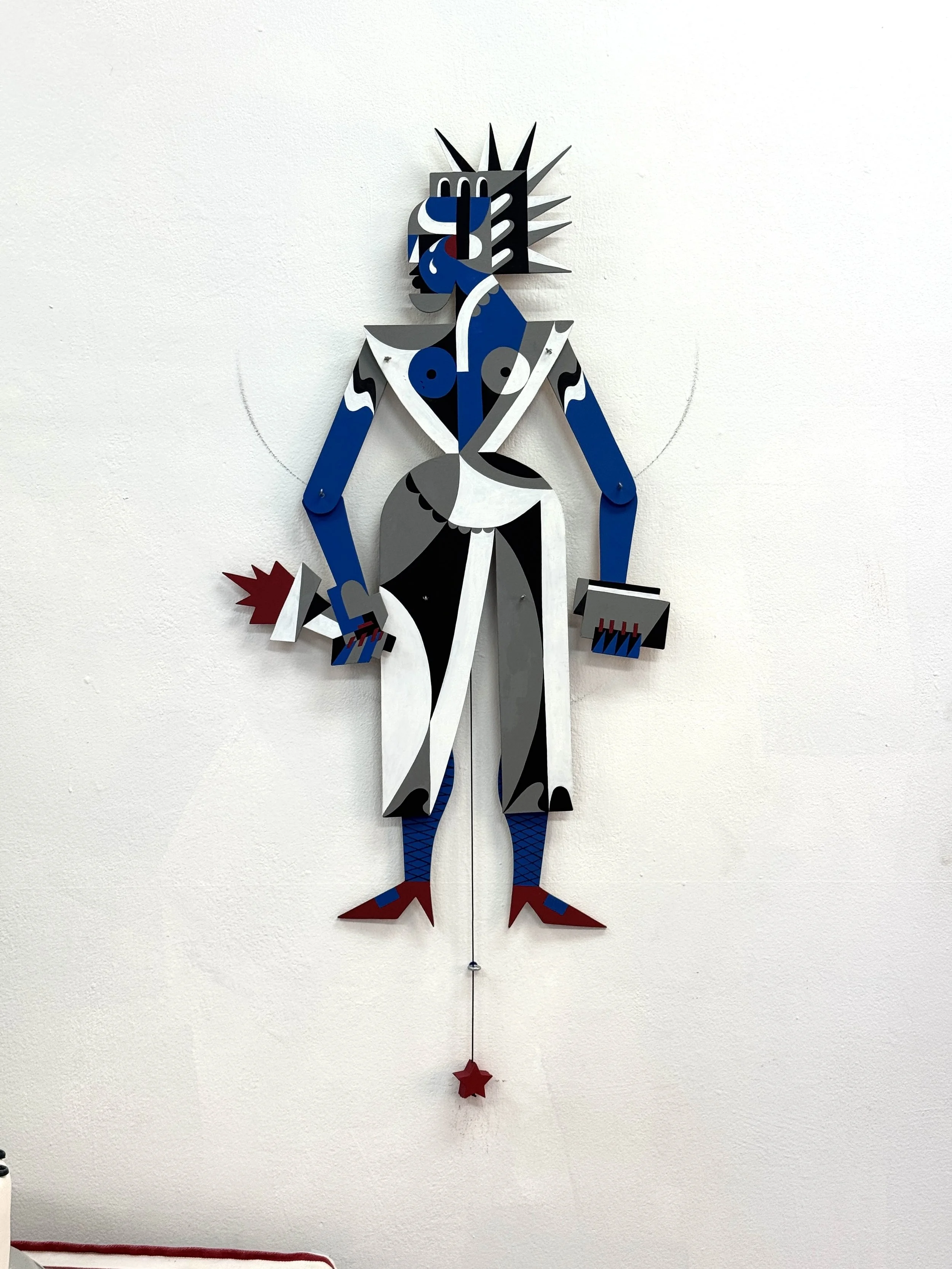
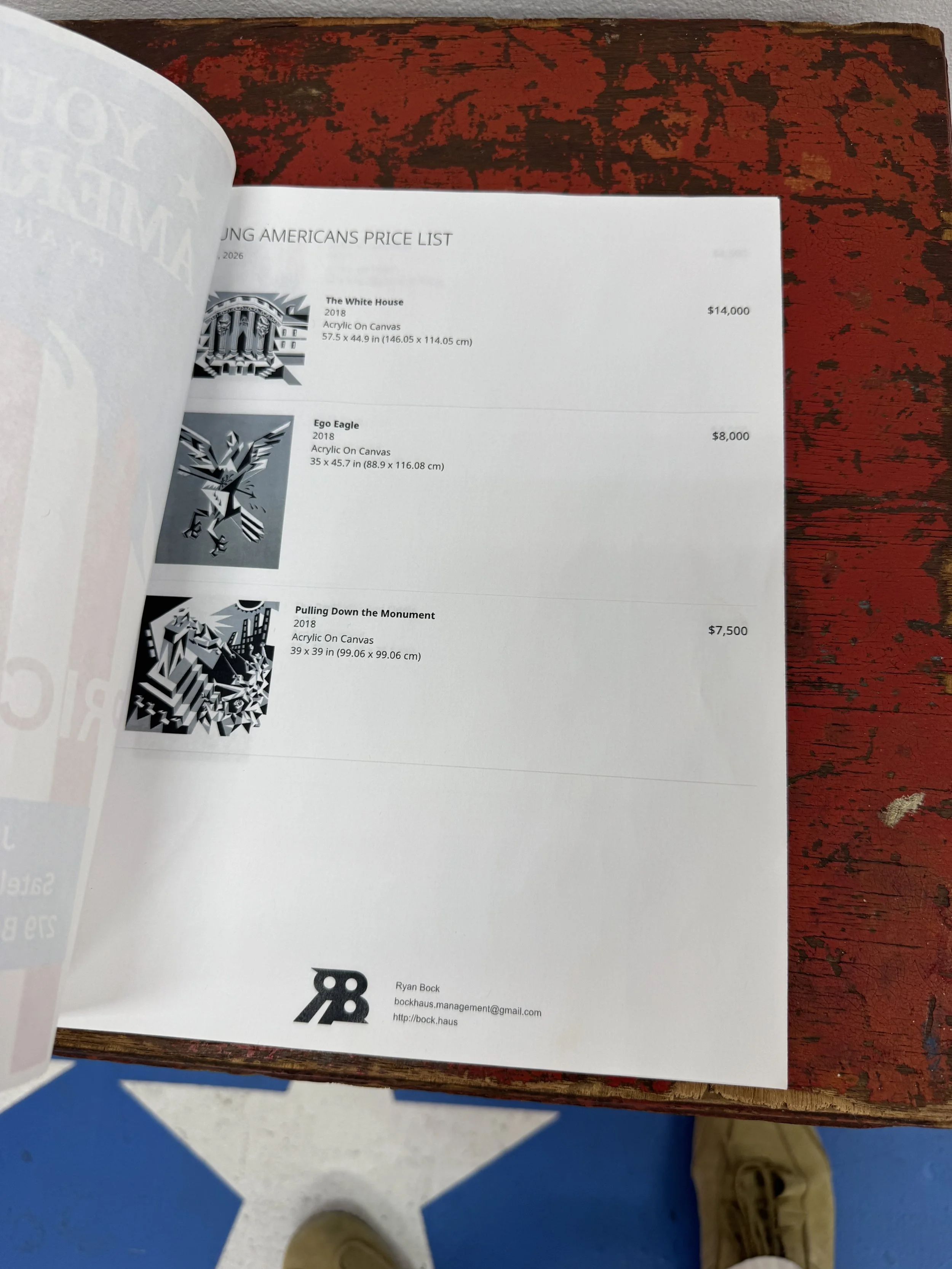
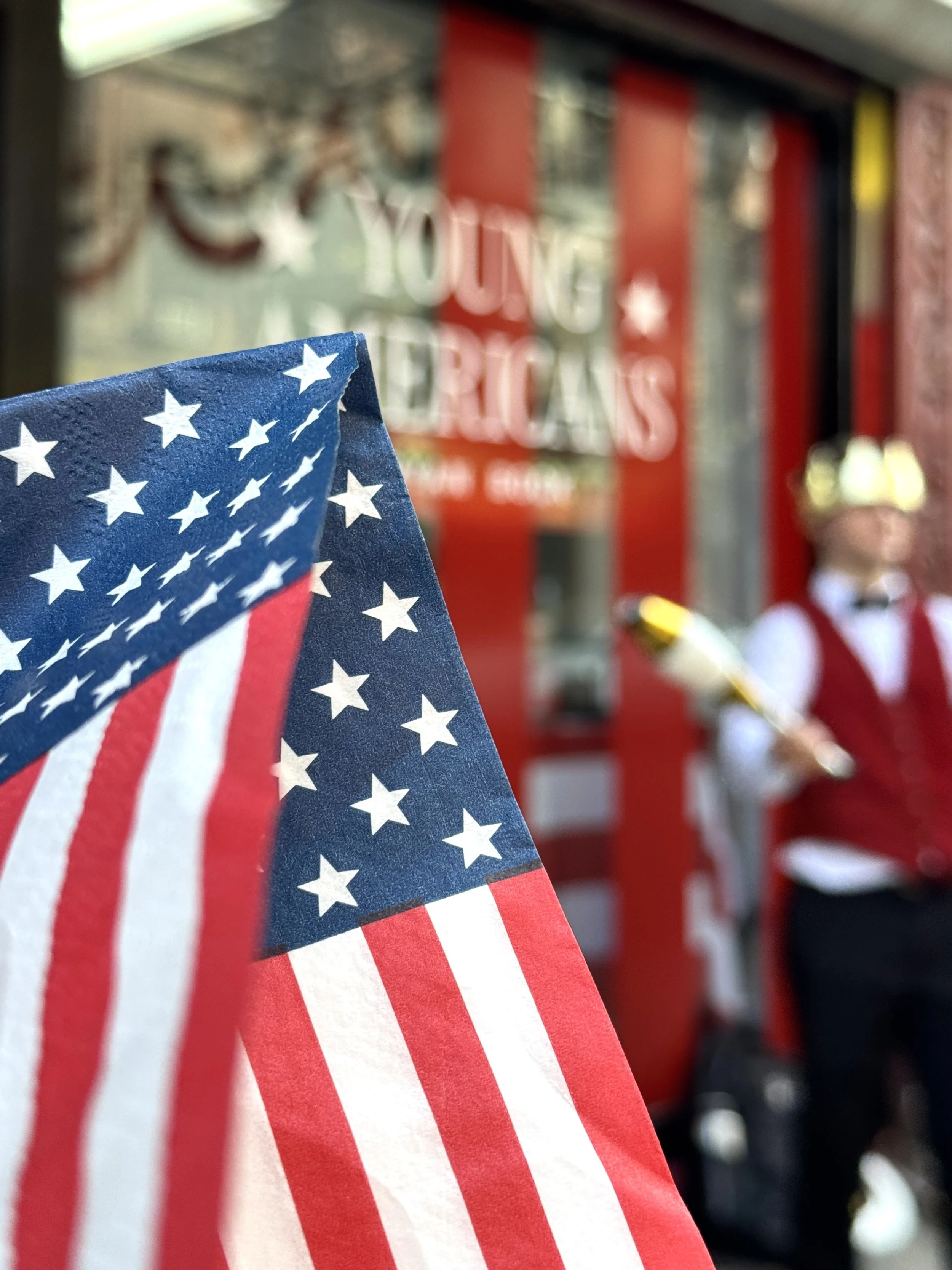
Young Americans
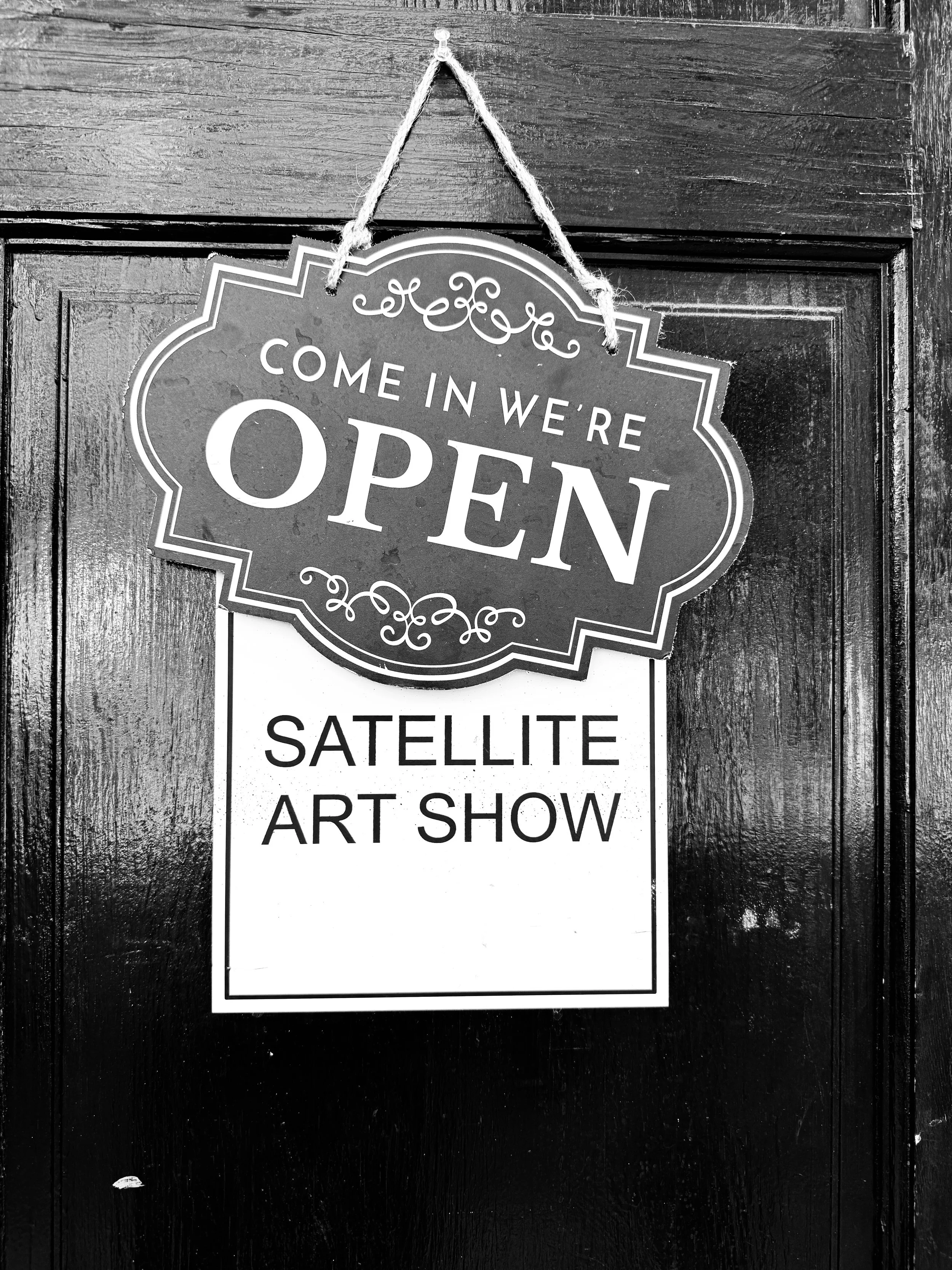
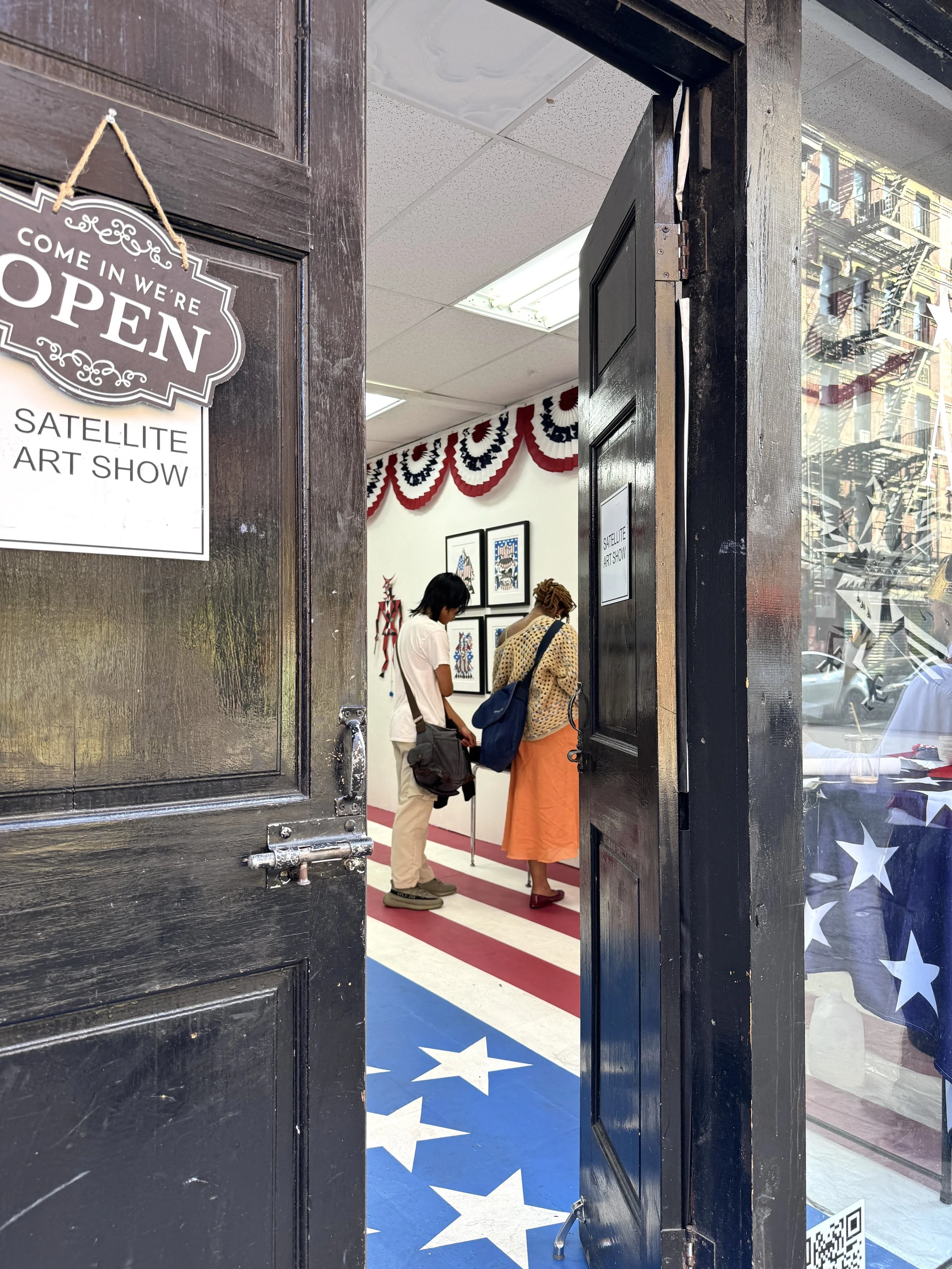
I wandered into Young Americans unexpectedly and found an exhibition that lingered long after I left. Ryan Bock transformed a modest storefront into an immersive environment where Americana, political theater, and handcrafted figures collided with humor and unease. The exhibition rewarded close looking, inviting visitors to activate the work through simple gestures while questioning the familiar symbols that surround American identity. It was a reminder that thoughtful exhibition design can become part of the artwork itself.